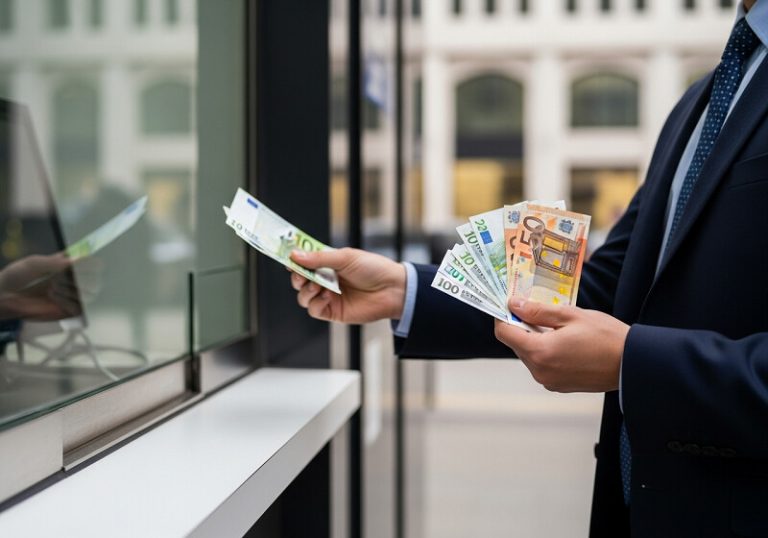
Finding a trustworthy foreign currency exchange nearby is an essential task for travelers, international students, expatriates, online shoppers, and anyone dealing with cross-border finances. Exchange rates, fees, accessibility, and security all vary widely depending on where and how you convert money. Choosing the wrong option can cost you significantly in hidden charges or poor rates, while the right choice can save both time and money.
This comprehensive guide explains exactly how to locate a dependable foreign currency exchange near you, evaluate your options, and make informed decisions. It covers physical exchange locations, banks, airports, hotels, digital tools, and mobile apps, while also addressing safety considerations, timing strategies, and common pitfalls. By following the step-by-step process outlined below, you can confidently exchange currency wherever you are.
The goal is not just to find the nearest exchange service, but to identify one that is legitimate, cost-effective, transparent, and convenient for your specific needs.
Understanding Foreign Currency Exchange Services
Foreign currency exchange services allow you to convert one country’s money into another at an agreed rate. The rate you receive is influenced by global foreign exchange markets, local demand, service provider margins, and operational costs. While the base exchange rate is set by international markets, providers add markups or fees to generate profit.
Exchange services are offered by a wide range of institutions, including banks, licensed exchange bureaus, airport kiosks, hotels, and financial technology platforms. Each option comes with distinct advantages and disadvantages related to cost, convenience, and availability.
Understanding how these services work gives you the foundation needed to compare options effectively and avoid unnecessary expenses.
Step-by-Step Process to Find a Foreign Currency Exchange Near You
Step 1: Use Online Maps and Search Engines
The fastest way to locate a nearby currency exchange is by using online maps or search engines. Typing phrases such as “foreign currency exchange near me” or “money exchange nearby” will typically display a list of local providers along with their addresses, hours, reviews, and contact details.
Pay attention to business ratings and customer comments. Reviews often reveal hidden fees, poor service experiences, or unusually favorable rates. Consistently high ratings and detailed positive feedback are strong indicators of reliability.
Mapping tools also allow you to filter results by distance, opening hours, and popularity, which helps narrow down your choices quickly.
Step 2: Check Local Banks and Credit Unions
Banks and credit unions are among the most secure and regulated places to exchange currency. Many branches offer foreign exchange services to account holders and, in some cases, non-customers.
Rates at banks are usually more competitive than those at airports or hotels, though availability may be limited to major currencies. Some banks require advance notice to prepare specific denominations.
Calling ahead or checking your bank’s website can confirm whether the currency you need is in stock and what fees may apply.
Step 3: Evaluate Licensed Currency Exchange Offices
Dedicated currency exchange offices are common in city centers, shopping districts, and tourist areas. These businesses specialize in currency conversion and often handle a wide variety of currencies.
Look for visible licensing information and clear rate displays. Legitimate exchange offices are transparent about their rates and fees and comply with local financial regulations.
Comparing rates between several nearby offices can help you identify the most favorable option.
Step 4: Understand Airport and Hotel Exchange Options
Airport and hotel exchange counters offer unmatched convenience, especially for last-minute needs. However, this convenience often comes at a premium.
These locations typically offer less favorable exchange rates and higher service fees due to operational costs and captive demand. They are best used for small amounts rather than large exchanges.
If you rely on these options, exchange only what you need immediately and seek better rates elsewhere later.
Using Digital Tools and Mobile Apps
Digital technology has transformed how people find and compare foreign currency exchange services. Numerous websites and mobile apps now provide real-time exchange rate information, provider comparisons, and user reviews.
These tools help you understand the mid-market rate and identify how much a provider’s rate deviates from it. Knowing this difference allows you to spot overpriced services quickly.
Some apps also show whether a provider charges commission or embeds fees directly into the exchange rate, improving transparency.
Key Benefits of Using Digital Tools
- Real-time rate visibility
Digital tools display up-to-date exchange rates, helping you understand current market conditions. This prevents you from accepting outdated or inflated rates and empowers you to negotiate or walk away. - Provider comparisons
Many platforms compare multiple exchange services in your area. This side-by-side view makes it easier to identify the most cost-effective option without visiting each location individually. - User reviews and ratings
Customer feedback highlights recurring issues such as hidden fees or poor service. Reviews also point out providers known for honesty and competitive pricing. - Location-based search
GPS-enabled apps quickly identify nearby exchange services. This is especially useful in unfamiliar cities or while traveling. - Fee transparency
Digital tools often break down commissions and markups. Understanding these costs ensures you know exactly what you are paying.
How to Compare Exchange Rates and Fees Effectively
Not all exchange rates are created equal. Providers may advertise “no commission” but compensate by offering poorer rates. Others charge explicit fees while providing closer-to-market rates.
To compare options accurately, always focus on the final amount you will receive after all fees and markups are applied. Ask for a full breakdown if it is not clearly displayed.
It is also important to confirm whether rates change based on the amount exchanged, as some providers offer better rates for larger transactions.
Common Fees to Watch For
- Service commissions
These are direct fees charged for the exchange transaction. They may be flat or percentage-based and can significantly affect smaller exchanges. - Rate markups
Some providers offer rates that are worse than the market rate without charging a visible fee. This hidden cost can be more expensive than a transparent commission. - Minimum exchange amounts
Certain services require a minimum transaction size. Failing to meet it may result in higher fees or refusal of service. - Denomination fees
Requests for specific bill sizes may incur additional charges. This is common when asking for smaller denominations. - Cancellation or reversal fees
Changing or canceling a transaction after initiation can sometimes incur extra costs.
Safety, Legitimacy, and Regulatory Considerations
Security should be a top priority when exchanging currency. Always choose providers that operate within the legal framework of your country or region.
Legitimate exchange services are licensed, maintain clear records, and follow anti-money laundering regulations. They typically request identification for larger transactions.
Avoid informal or unlicensed exchanges, especially those offering rates that seem too good to be true. These situations increase the risk of fraud or counterfeit currency.
Signs of a Trustworthy Exchange Provider
- Visible licensing information
Reputable providers display their license or registration details clearly. This indicates compliance with financial regulations. - Transparent rate boards
Rates and fees are posted openly without hidden conditions. Transparency builds trust and allows informed decisions. - Professional staff behavior
Knowledgeable employees who answer questions clearly are a good sign. Pressure tactics or evasive answers are red flags. - Secure premises
Proper security measures protect both customers and staff. This is especially important for large transactions. - Clear receipts
Every transaction should come with a detailed receipt. This provides proof and accountability.
Timing and Strategy for Better Exchange Rates
Exchange rates fluctuate constantly based on global economic factors. While individuals cannot control market movements, timing can influence the rates you receive.
Weekdays often offer slightly better rates than weekends, as markets are fully active. Major holidays may also affect availability and pricing.
Planning ahead and monitoring trends can help you choose a favorable moment, especially for larger exchanges.
Pro Tips for Finding the Best Exchange Experience
Compare before committing. Always check at least two or three providers to understand the local rate range.
Avoid exchanging at peak travel points. Airports and hotels should be last-resort options due to higher costs.
Exchange larger amounts less frequently. This can reduce cumulative fees and secure better rates.
Keep receipts and records. Documentation helps resolve disputes and track expenses.
Know your destination’s payment culture. Some places rely heavily on cards, reducing the need for cash exchanges.
Frequently Asked Questions
Is it better to exchange currency before traveling or after arrival?
Exchanging a small amount before travel ensures immediate access to local currency. For larger sums, rates are often better at banks or reputable exchanges in major cities.
Do all banks offer foreign currency exchange?
Not all banks provide this service, and availability varies by branch and currency. Checking in advance prevents inconvenience.
Are online currency exchange services safe?
Reputable online platforms associated with established financial institutions are generally safe. Always verify security measures and regulatory compliance.
Why do exchange rates differ between providers?
Differences arise from varying fees, operational costs, and profit margins. This is why comparison is essential.
Can I negotiate exchange rates?
In some independent exchange offices, negotiation is possible, especially for large amounts. Banks and airports usually have fixed rates.
Conclusion
Finding a reliable foreign currency exchange near you requires more than choosing the closest location. By understanding how exchange services operate, using digital tools, comparing rates and fees, and prioritizing safety, you can make informed decisions that protect your money. Planning ahead, avoiding high-cost convenience options, and staying aware of market conditions all contribute to a smoother and more cost-effective exchange experience. With the strategies outlined in this guide, you are well-equipped to locate trustworthy exchange services and manage your foreign currency needs confidently wherever you go.