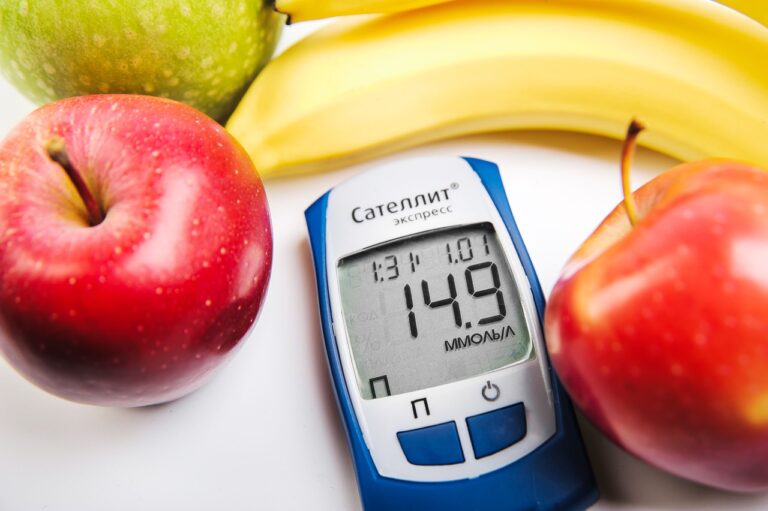
Hyperglycemia, commonly known as high blood sugar, represents a critical public health challenge intricately linked to the global diabetes epidemic. When blood glucose levels remain consistently elevated, the resulting biochemical environment creates a cascade of cellular damage affecting nearly every organ system. The American Diabetes Association defines hyperglycemia as blood glucose levels above 130 mg/dL before eating or above 180 mg/dL two hours after starting a meal. While often associated with diabetes, this metabolic disturbance can occur in various conditions and presents through a spectrum of symptoms including excessive thirst, frequent urination, fatigue, and blurred vision.
The connection between sustained high blood sugar and diabetes is profound and bidirectional. Diabetes mellitus is fundamentally characterized by the body’s impaired ability to regulate blood glucose, leading to chronic hyperglycemia. This persistent elevation in blood sugar levels, measured through glycated hemoglobin (HbA1c) tests showing values above 6.5%, initiates pathological processes that damage blood vessels and nerves over time. The consequences manifest as both microvascular complications affecting small blood vessels in the eyes, kidneys, and nerves, and macrovascular complications impacting larger vessels supplying the heart, brain, and limbs.
The physiological mechanisms underlying this damage involve multiple pathways. Excess glucose in the bloodstream binds to proteins and lipids in a non-enzymatic process called glycation, forming advanced glycation end products (AGEs) that accumulate in tissues and disrupt their normal function. Simultaneously, hyperglycemia activates protein kinase C pathways, increases flux through the polyol pathway, and promotes the generation of reactive oxygen species—all contributing to oxidative stress and cellular dysfunction. These molecular events gradually compromise the integrity of the vascular endothelium, the delicate lining of blood vessels, setting the stage for the debilitating complications associated with uncontrolled diabetes.
Medical research continues to refine our understanding of how different tissues respond to hyperglycemic environments. While some organs like the kidneys and retina develop damage primarily through the mechanisms mentioned, others like the nervous system experience both direct glucose toxicity and indirect damage through compromised blood supply. This complexity explains why diabetes management requires a comprehensive, multi-system approach rather than simply focusing on glucose reduction. The intricate relationship between blood sugar regulation and overall metabolic health represents one of the most actively researched areas in modern medicine.
The Body Under Siege: Systemic Complications of Uncontrolled Hyperglycemia
Cardiovascular System: Beyond Heart Disease
The cardiovascular system bears some of the most severe consequences of prolonged hyperglycemia. Elevated blood sugar directly damages the endothelium, the inner lining of blood vessels, reducing their ability to dilate properly and increasing susceptibility to atherosclerosis. This process involves the accumulation of cholesterol plaques within arterial walls, which can rupture and cause heart attacks or strokes. Additionally, diabetes contributes to hypertension through multiple mechanisms including increased arterial stiffness, sodium retention, and activation of the renin-angiotensin-aldosterone system.
Individuals with diabetes face a significantly elevated risk of cardiovascular events compared to the general population. Research indicates that adults with diabetes are two to four times more likely to die from heart disease than those without diabetes. The condition creates a perfect storm for cardiovascular compromise by promoting dyslipidemia (characterized by high triglycerides, low HDL cholesterol, and small, dense LDL particles), increasing inflammation, and enhancing platelet aggregation and blood clotting tendencies. These factors collectively accelerate the development of coronary artery disease, peripheral arterial disease, and cerebrovascular disease.
Neurological Impact: Peripheral Neuropathy and Cognitive Decline
The nervous system suffers extensive damage from chronic hyperglycemia through multiple pathways. Diabetic neuropathy, one of the most common complications, affects approximately half of all people with diabetes during their lifetime. This condition typically begins with sensory symptoms in the feet and hands—tingling, burning, numbness, or pain—before potentially progressing to motor nerve involvement and autonomic dysfunction. The damage occurs through both metabolic disturbances (accumulation of sorbitol, depletion of myo-inositol, and formation of AGEs) and vascular insufficiency to nerves.
Beyond peripheral nerves, research increasingly links diabetes with central nervous system complications. Studies demonstrate that individuals with type 2 diabetes have approximately a 1.5 to 2-fold increased risk of developing dementia, including Alzheimer’s disease. Proposed mechanisms include insulin resistance in the brain, chronic cerebral hypoperfusion, blood-brain barrier dysfunction, and direct neurotoxic effects of hyperglycemia. Additionally, diabetes elevates stroke risk and worsens post-stroke recovery, creating a challenging neurological burden that extends far beyond peripheral nerve damage.
Ocular Consequences: Retinopathy and Beyond
Diabetic retinopathy stands as the leading cause of blindness among working-age adults in developed countries. This microvascular complication progresses through well-defined stages, beginning with non-proliferative changes (microaneurysms, hemorrhages, cotton wool spots) and potentially advancing to proliferative retinopathy characterized by the growth of abnormal, fragile blood vessels. These new vessels can hemorrhage into the vitreous or cause tractional retinal detachments, resulting in severe vision loss. Hyperglycemia drives this process through VEGF (vascular endothelial growth factor) upregulation, pericyte loss from capillary walls, and breakdown of the blood-retinal barrier.
The ocular impact of diabetes extends beyond retinopathy to include earlier development of cataracts, increased risk of glaucoma, and diabetic papillopathy affecting the optic nerve. Fluctuations in blood sugar levels can cause temporary refractive changes by altering the osmolarity of the lens, leading to blurred vision that stabilizes only with consistent glycemic control. Regular comprehensive eye examinations are crucial for early detection and intervention, as vision-threatening retinopathy often develops without noticeable symptoms until significant damage has occurred. Treatment modalities have advanced considerably and now include intravitreal anti-VEGF injections, laser photocoagulation, and vitrectomy surgery for advanced cases.
Renal Complications: The Path to Diabetic Nephropathy
The kidneys face particular vulnerability in the hyperglycemic environment, with diabetic nephropathy representing the most common cause of end-stage renal disease worldwide. This complication develops through multiple pathological processes initiated by elevated blood glucose. Hyperglycemia increases glomerular capillary pressure and blood flow, leading to glomerular hyperfiltration in early diabetes. Over time, this hemodynamic stress combines with metabolic disturbances to damage the delicate filtering units of the kidneys.
The progression of diabetic kidney disease follows a generally predictable course, though the rate varies significantly between individuals:
- Stage 1 – Hyperfiltration: Characterized by increased glomerular filtration rate (GFR) and kidney enlargement. This stage is often reversible with improved glycemic control.
- Stage 2 – Silent Phase: GFR normalizes but structural changes begin, including thickening of the glomerular basement membrane and expansion of the mesangial matrix.
- Stage 3 – Incipient Nephropathy: Microalbuminuria develops (30-300 mg/day), representing the earliest clinically detectable sign of kidney damage.
- Stage 4 – Overt Nephropathy: Macroalbuminuria appears (>300 mg/day), accompanied by declining GFR and rising blood pressure.
- Stage 5 – End-Stage Renal Disease: Kidney function declines to less than 15% of normal, requiring dialysis or transplantation for survival.
Management of diabetic nephropathy requires a multi-pronged approach including rigorous blood pressure control (typically with ACE inhibitors or ARBs), glycemic management, dietary protein restriction, and treatment of associated cardiovascular risk factors. Regular monitoring of urinary albumin excretion and estimated GFR enables early intervention when kidney disease is most amenable to treatment.
Comprehensive Management Strategies for Blood Sugar Control
Pharmacological Interventions: Beyond Insulin
Modern diabetes management offers an expanding arsenal of pharmacological options tailored to individual pathophysiology. While insulin remains essential for type 1 diabetes and many with advanced type 2 diabetes, newer medication classes provide targeted mechanisms to lower blood glucose with reduced risk of hypoglycemia and additional benefits. Metformin, a biguanide that decreases hepatic glucose production and improves insulin sensitivity, continues as first-line therapy for most type 2 diabetes cases due to its efficacy, safety profile, and cardiovascular benefits.
Recent therapeutic advances have introduced classes with novel mechanisms and advantages:
- SGLT2 Inhibitors: These medications reduce renal glucose reabsorption, promoting urinary glucose excretion. Beyond glycemic control, they demonstrate significant cardiovascular and renal protective effects, including reduced hospitalization for heart failure and slowed progression of kidney disease.
- GLP-1 Receptor Agonists: Mimicking the incretin hormones that enhance glucose-dependent insulin secretion, these injectable medications promote weight loss, lower cardiovascular risk, and provide robust glucose lowering with minimal hypoglycemia risk.
- DPP-4 Inhibitors: Oral agents that prolong the action of endogenous incretin hormones, offering moderate glucose lowering with neutral effects on weight and minimal hypoglycemia risk.
- Newer Insulins: Ultra-long-acting basal insulins provide more stable 24-hour coverage with reduced nocturnal hypoglycemia risk, while ultra-rapid-acting mealtime insulins better mimic physiological prandial insulin secretion.
Individualized treatment plans consider factors including diabetes type, duration, comorbidities, cardiovascular and renal status, hypoglycemia risk, cost, and patient preferences. Combination therapies often provide synergistic benefits, allowing lower doses of individual medications while addressing multiple pathophysiological defects simultaneously.
Nutritional Approaches: Beyond Simple Carbohydrate Counting
Dietary management represents a cornerstone of diabetes care, with evidence-based approaches evolving from simple carbohydrate restriction to more nuanced, individualized patterns. Current guidelines emphasize the quality and timing of carbohydrates rather than merely the quantity, recognizing that different carbohydrate sources affect blood glucose differently. The glycemic index and glycemic load concepts help predict a food’s impact on blood sugar, though individual responses vary based on multiple factors including food processing, preparation methods, and meal composition.
Several dietary patterns have demonstrated effectiveness for diabetes management:
- Mediterranean Diet: Rich in vegetables, fruits, whole grains, legumes, nuts, and olive oil, with moderate fish and poultry consumption and limited red meat. This pattern improves glycemic control and cardiovascular risk factors while promoting sustainable eating habits.
- Low-Carbohydrate and Very-Low-Carbohydrate Diets: Restricting carbohydrates to approximately 20-130 grams daily can rapidly improve glycemic control, promote weight loss, and reduce medication needs, though long-term sustainability varies.
- DASH Diet (Dietary Approaches to Stop Hypertension): Originally designed for blood pressure control, this pattern emphasizing fruits, vegetables, low-fat dairy, and reduced sodium also benefits glycemic control and cardiovascular health in diabetes.
- Plant-Based Diets: Emphasizing whole plant foods while minimizing animal products can improve insulin sensitivity, promote weight loss, and reduce cardiovascular risk factors.
Beyond macronutrient composition, meal timing and distribution throughout the day significantly impact glycemic control. Strategies like front-loading calories earlier in the day, reducing evening carbohydrate intake, and incorporating post-meal walking can improve 24-hour glucose profiles. Registered dietitians specializing in diabetes care provide invaluable guidance in translating these principles into practical, sustainable eating patterns tailored to individual preferences, cultural backgrounds, and metabolic needs.
Physical Activity: Exercise as Medicine
Regular physical activity functions as powerful medicine in diabetes management, improving insulin sensitivity, facilitating weight management, enhancing cardiovascular fitness, and providing psychological benefits. Exercise stimulates glucose uptake into muscles through both insulin-dependent and non-insulin-dependent pathways, with effects lasting from several hours to days depending on intensity and duration. The American Diabetes Association recommends at least 150 minutes of moderate-to-vigorous aerobic activity weekly, spread over at least three days with no more than two consecutive days without exercise, plus two to three sessions of resistance training weekly.
Different exercise modalities offer complementary benefits:
- Aerobic Exercise: Activities like brisk walking, cycling, or swimming improve cardiovascular fitness, increase insulin sensitivity, and help with weight management. Postprandial walking (10-15 minutes after meals) proves particularly effective for lowering blood glucose spikes.
- Resistance Training: Weightlifting or bodyweight exercises build muscle mass, which serves as a major site for glucose disposal. Increased muscle mass raises basal metabolic rate and improves long-term glycemic control.
- High-Intensity Interval Training (HIIT): Alternating short bursts of intense activity with recovery periods provides substantial metabolic benefits in less time than continuous moderate exercise, though may not be suitable for all individuals, particularly those with cardiovascular complications.
- Flexibility and Balance Training: Particularly important for those with neuropathy or mobility limitations, these activities reduce injury risk and maintain functional independence.
Exercise planning requires special considerations in diabetes, including blood glucose monitoring before, during, and after activity; adjustment of medication or carbohydrate intake to prevent hypoglycemia; proper foot care and footwear; and attention to hydration. Individuals with complications like retinopathy, neuropathy, or cardiovascular disease may need activity modifications. Despite these considerations, the overwhelming benefits make regular, safe physical activity an indispensable component of comprehensive diabetes management.
Technological Advancements in Monitoring and Management
Diabetes technology has revolutionized self-management, providing unprecedented insights into glucose patterns and facilitating more precise treatment adjustments. Continuous glucose monitoring systems represent perhaps the most significant advancement, with sensors measuring interstitial glucose every 1-5 minutes and transmitting data to receivers or smartphones. These systems provide real-time glucose readings, trend arrows indicating the direction and rate of glucose change, and alerts for impending highs or lows. When combined with insulin pumps, CGM data can inform automated insulin delivery systems that adjust basal insulin rates to maintain glucose within target ranges.
Other technological innovations enhancing diabetes care include:
- Flash Glucose Monitoring: Systems that provide on-demand glucose readings when a reader or smartphone is scanned over a sensor, offering many benefits of CGM with different data access patterns.
- Smart Insulin Pens: Devices that record insulin dose amounts and timing, syncing with smartphone apps to provide dosing recommendations and pattern insights.
- Digital Health Platforms: Comprehensive apps that integrate data from glucose meters, activity trackers, and food logs, applying algorithms to provide personalized insights and recommendations.
- Telemedicine Integration: Remote monitoring platforms allowing healthcare providers to review patient data between visits and provide timely adjustments to treatment plans.
These technologies empower people with diabetes to make more informed decisions throughout the day while providing healthcare teams with rich datasets for optimizing therapy. Despite their benefits, access barriers related to cost and insurance coverage persist, creating disparities in who can benefit from these advancements. Ongoing innovation continues to improve accuracy, usability, and interoperability while reducing the burden of diabetes self-management.
Proactive Prevention: Reducing Diabetes Risk and Complications
While type 1 diabetes cannot currently be prevented, substantial evidence demonstrates that type 2 diabetes is largely preventable through lifestyle modification. The Diabetes Prevention Program study showed that intensive lifestyle intervention reduced the risk of developing type 2 diabetes by 58% in high-risk individuals, with effects lasting at least 15 years. The lifestyle program focused on achieving 7% weight loss through reduced calorie and fat intake combined with at least 150 minutes of moderate physical activity weekly. For those unable to achieve lifestyle goals, metformin reduced diabetes risk by 31%, offering an alternative preventive strategy.
For individuals already diagnosed with diabetes, complication prevention requires vigilant management of multiple risk factors simultaneously. The concept of “metabolic memory” or “legacy effect”—where early intensive control produces long-term benefits even if control later relaxes—underscores the importance of prompt, aggressive management from diagnosis. Beyond glycemic control, comprehensive risk reduction includes blood pressure management, lipid optimization, smoking cessation, and routine screening for complications. Regular screenings for retinopathy, nephropathy, neuropathy, and cardiovascular disease enable early intervention when treatments are most effective.
Psychological health represents a frequently overlooked but critical component of prevention. Diabetes distress—the emotional burden of constant self-management—affects approximately one-third of people with diabetes and correlates with poorer self-care and glycemic control. Integrating mental health support, diabetes education, and peer support programs into standard care addresses this dimension, improving both quality of life and clinical outcomes. A holistic approach that addresses physical, psychological, and social dimensions offers the most effective pathway to preventing complications and optimizing long-term health.
Conclusion: Navigating the Path Forward in Diabetes Care
The relationship between high blood sugar and diabetes represents one of the most significant medical challenges of our time, with profound implications for individual health and healthcare systems worldwide. From its damaging effects on cardiovascular, neurological, ocular, and renal systems to its complex management requirements, diabetes demands a comprehensive, patient-centered approach that addresses both physiological and psychological dimensions. Modern medicine now offers an unprecedented array of tools for monitoring, managing, and preventing diabetes complications, from advanced pharmacological options to cutting-edge technologies that provide real-time insights into glucose patterns.
Successful navigation of the diabetes journey requires partnership between informed patients and supportive healthcare teams, combining medical expertise with lived experience. While the challenges are substantial, the evolving landscape of diabetes care offers genuine hope. Through continued research, technological innovation, and a commitment to equitable access to evidence-based interventions, we can transform diabetes from a devastating diagnosis to a manageable condition, enabling those affected to live full, healthy lives while minimizing the risk of debilitating complications.