

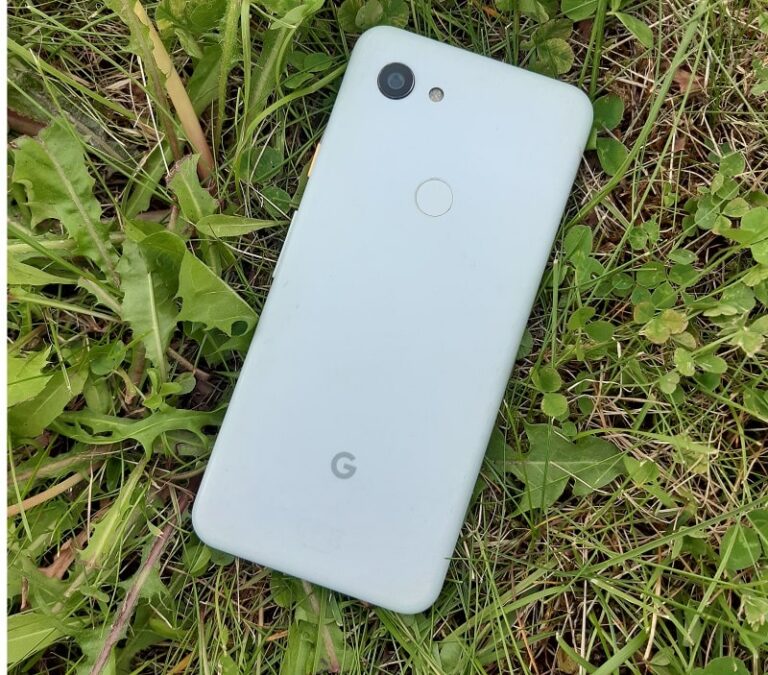
The Google Pixel 3a represents a groundbreaking achievement in smartphone technology, bringing flagship-level camera capabilities to the mid-range market segment. Launched in May 2019 during Google’s I/O developer conference, this device challenged the conventional wisdom that exceptional photography requires premium pricing. With its original retail price of $399 for the standard model and $479 for the XL variant, the Pixel 3a democratized access to Google’s renowned computational photography technology, making it available to a broader audience without the financial burden typically associated with flagship devices.
What sets the Pixel 3a apart from its contemporaries is Google’s strategic decision to prioritize camera excellence over unnecessary premium features. By utilizing the identical 12.2-megapixel camera sensor found in the flagship Pixel 3, paired with Google’s sophisticated image processing algorithms, the company created a device that could compete photographically with phones costing twice as much. This approach represented a paradigm shift in the smartphone industry, demonstrating that computational photography and software optimization could often outweigh raw hardware specifications in delivering exceptional results.
The device arrived at a crucial time in the smartphone market when consumers were increasingly questioning the value proposition of flagship devices. With flagship phones regularly exceeding $800 to $1,000, Google identified an underserved market segment seeking premium camera capabilities without the premium price tag. The Pixel 3a answered this demand by delivering approximately 85-90% of the flagship Pixel 3 experience at roughly half the cost, making strategic compromises in areas like build materials and processing power while maintaining uncompromising standards in photography.
Design Philosophy and Build Quality
The Google Pixel 3a’s design philosophy centers on practical functionality rather than premium aesthetics. The device features a polycarbonate unibody construction, marking a departure from the glass-and-metal sandwich design prevalent in flagship smartphones. This design choice, while reducing manufacturing costs, actually provides several practical advantages. The polycarbonate body proves more resistant to shattering from drops compared to glass backs, and it eliminates the perpetual fingerprint smudge problem that plagues glass-backed devices. The matte finish provides excellent grip, reducing the likelihood of accidental drops.
Available in three distinctive color options, the Pixel 3a expresses personality through subtle design elements. The “Just Black” variant offers timeless elegance with its all-black aesthetic. The “Clearly White” model features a striking orange power button that provides a pop of color against the white body. Perhaps most distinctive is the “Purple-ish” option, sporting a lavender body paired with a neon yellow power button, creating a unique visual identity that stands apart from the sea of black and silver smartphones dominating the market.
The front of the device is protected by Asahi Dragontrail Glass, which, while not as well-known as Corning’s Gorilla Glass, provides comparable scratch resistance for everyday use. The 5.6-inch display features symmetrical bezels, avoiding the polarizing notch design that characterized the Pixel 3 XL. This design decision was widely praised by users who preferred a more traditional, uninterrupted screen experience. The display bezels, while present, remain reasonably slim and house important components including the front-facing camera and speaker grille.
Physical Dimensions and Ergonomics
Measuring 151.3 x 70.1 x 8.2 millimeters and weighing 147 grams, the Pixel 3a achieves an ideal balance between screen size and pocketability. The device fits comfortably in most hands and can be operated single-handedly by users with average-sized hands. The slightly curved edges prevent the phone from feeling boxy, while the uniform thickness ensures it sits flat on tables without wobbling. The power button and volume rocker are positioned on the right edge at thumb-friendly heights, providing tactile feedback with satisfying clicks.
One particularly beloved design element is the return of the 3.5mm headphone jack, positioned on the top edge of the device. This inclusion, absent from the Pixel 2 and Pixel 3 lines, was met with widespread appreciation from users who preferred wired audio solutions or weren’t ready to invest in wireless earbuds. The bottom edge houses the USB-C port for charging and data transfer, flanked by a speaker grille and microphone opening. The stereo speaker configuration, with one speaker firing forward and another downward, delivers surprisingly robust audio for multimedia consumption.
Display Technology and Visual Performance
The Google Pixel 3a sports a 5.6-inch OLED display with a resolution of 2220 x 1080 pixels, resulting in a pixel density of approximately 441 pixels per inch. This specification places it firmly in the high-resolution category, ensuring crisp text rendering and sharp image detail that satisfies even discerning users. The OLED technology delivers the characteristic advantages of organic light-emitting diode displays: perfect blacks achieved through individual pixel illumination, excellent contrast ratios that make content pop, and vibrant colors that bring photos and videos to life.
The display’s aspect ratio of 18.5:9 provides additional vertical screen real estate compared to traditional 16:9 panels, benefiting activities like web browsing, social media scrolling, and document reading. This taller aspect ratio has become the industry standard, offering practical advantages without significantly increasing the phone’s physical width. The screen-to-body ratio, while not matching the edge-to-edge displays of premium flagships, reaches approximately 77%, providing an immersive viewing experience while maintaining practical bezels for grip.
Color accuracy represents one of the display’s strongest attributes. Google calibrated the panel to render colors naturally and accurately, avoiding the oversaturated look that characterizes some competitor displays. This calibration philosophy particularly benefits photography enthusiasts who want to view their images as intended, without artificial color enhancement. The display supports HDR content playback, automatically adjusting brightness and contrast when consuming compatible media from services like Netflix and YouTube.
Brightness and Outdoor Visibility
Maximum brightness levels reach approximately 400 candelas per square meter, providing adequate visibility in most outdoor conditions. While this specification falls short of the 600+ nit brightness found in premium flagships, real-world testing confirms the display remains legible in direct sunlight, though users may need to seek shade for extended outdoor use. The adaptive brightness feature learns user preferences over time, automatically adjusting screen brightness based on ambient lighting conditions and user patterns.
The OLED technology enables an always-on display feature that shows time, date, and notification icons without fully waking the device. This feature consumes minimal battery power due to OLED’s ability to illuminate only the necessary pixels, leaving the rest completely dark. Users can customize what information appears on the always-on display, including whether to show album art when music is playing, providing at-a-glance information without unlocking the phone.
Processing Power and Performance Characteristics
The Qualcomm Snapdragon 670 processor powering the Pixel 3a represents a carefully considered choice that balances performance with cost-effectiveness. This mid-range chipset features an octa-core configuration with two performance cores clocked at 2.0 GHz and six efficiency cores running at 1.7 GHz. This architecture, utilizing modern Kryo cores, delivers performance that feels remarkably close to flagship devices in everyday tasks, despite benchmark scores suggesting otherwise.
Paired with 4GB of LPDDR4X RAM, the Pixel 3a handles multitasking with competence, maintaining several apps in memory simultaneously. While power users running numerous background processes might occasionally notice the limitations compared to devices with 6GB or 8GB of RAM, typical usage patterns reveal smooth app switching and minimal reloading. Google’s software optimization plays a crucial role here, as the clean Android implementation places fewer demands on system resources compared to heavily customized manufacturer interfaces.
The Adreno 615 GPU handles graphics duties capably, providing smooth performance in popular mobile games at medium to high settings. While the most demanding titles like PUBG Mobile and Call of Duty Mobile may require graphics settings adjustments for optimal frame rates, casual and moderate gaming experiences remain fluid and enjoyable. The thermal management system effectively dissipates heat during extended gaming sessions, preventing the uncomfortable hot spots that plague some competitors.
Storage Configuration and Limitations
The Pixel 3a ships with 64GB of internal storage using eMMC technology rather than the faster UFS storage found in flagship devices. This choice contributes to cost savings while maintaining acceptable performance for most users. In practical terms, eMMC storage loads apps and media slightly slower than UFS, but the difference rarely impacts everyday usage noticeably. However, the absence of microSD card expansion means users must carefully manage their storage allocation.
Google partially mitigates storage concerns through integration with Google Photos, offering unlimited cloud storage for photos and videos at high quality compression. This feature effectively removes storage anxiety for photography enthusiasts, automatically backing up captured content to the cloud. The compression is sophisticated enough that most users cannot distinguish the quality difference between original and compressed files when viewing on mobile devices, though pixel-peepers examining images on large monitors may notice subtle differences.
Camera System: The Pixel 3a’s Defining Feature
The camera system represents the Pixel 3a’s crown jewel and primary selling point. Google equipped this mid-range device with the identical 12.2-megapixel rear camera sensor found in the flagship Pixel 3, featuring a 28mm-equivalent focal length with an f/1.8 aperture. This sensor utilizes dual-pixel technology, where each pixel contains two photodiodes that enable lightning-fast phase-detection autofocus and enhanced low-light performance. Optical image stabilization physically compensates for hand shake, working in conjunction with electronic stabilization to produce remarkably steady handheld shots.
The camera’s hardware specifications, while respectable, don’t fully explain its exceptional performance. Google’s computational photography prowess provides the secret sauce, employing sophisticated algorithms that capture and intelligently merge multiple exposures to create final images with expanded dynamic range, reduced noise, and enhanced detail. This processing happens invisibly and instantaneously, requiring no user intervention beyond pressing the shutter button.
Photographic Performance in Various Conditions
In well-lit conditions, the Pixel 3a produces images characterized by accurate colors, excellent detail retention, and impressive dynamic range. The camera handles high-contrast scenes admirably, preserving detail in both bright skies and shadowed areas that would blow out or crush in lesser cameras. Colors appear natural and vibrant without crossing into oversaturation, creating images that look true to life while still being visually appealing.
The camera’s true excellence emerges in challenging lighting conditions where most smartphone cameras struggle. Night Sight mode revolutionized low-light smartphone photography when Google introduced it, and the Pixel 3a benefits from this same technology. By capturing multiple underexposed frames and intelligently combining them using machine learning, Night Sight produces shockingly bright, clean images in near-darkness without requiring a tripod. Scenes that would appear pitch black to the naked eye emerge with visible detail, controlled noise, and natural colors in the final photograph.
Portrait mode leverages machine learning to separate subjects from backgrounds, creating the shallow depth-of-field effect traditionally achievable only with larger camera sensors and wide apertures. While not perfect, with occasional edge detection errors around complex subjects like hair or glasses, the results often impress, particularly for a single-camera system lacking the depth information provided by dual-camera setups. Users can adjust the blur intensity after capture, and Google Photos automatically saves both blurred and unblurred versions.
Video Recording Capabilities
The Pixel 3a records video up to 4K resolution at 30 frames per second, with 1080p options available at 30, 60, and 120 fps for smooth motion or slow-motion capture. Video stabilization performance impresses, delivering smooth footage even when walking or moving the camera. The optical and electronic stabilization work together to produce results comparable to gimbal-stabilized footage in many scenarios. Autofocus tracks subjects reliably, and the camera handles exposure transitions smoothly when panning between bright and dark areas.
Audio recording utilizes the device’s microphones to capture stereo sound, though wind noise can occasionally become problematic in outdoor environments. The lack of a dedicated video pro mode means users cannot manually control exposure, focus, or other parameters during recording, limiting creative control for videography enthusiasts. However, for casual video capture and social media content creation, the automatic settings produce consistently good results.
Front-Facing Camera Performance
The 8-megapixel front-facing camera delivers excellent selfie quality, though it lacks the dual-camera setup found on the flagship Pixel 3. The single wide-angle lens provides sufficient coverage for individual selfies and small group shots, though large group selfies may require some distance or creative positioning. The fixed-focus lens means users need to maintain proper distance from the camera, as getting too close results in soft focus.
Portrait mode works on the front camera as well, creating background blur for selfies. Night Sight functionality extends to the front camera, enabling usable selfies in very dim lighting conditions where most phone cameras would produce nothing but noise and blur. This capability makes the Pixel 3a particularly appealing for users who frequently capture selfies in bars, restaurants, or other low-light social settings.
Battery Life and Charging Performance
The 3000 mAh battery capacity might appear modest by current standards, especially compared to phones sporting 4000 mAh or larger batteries. However, the efficient Snapdragon 670 processor and Google’s software optimization enable respectable battery longevity. Moderate users can expect a full day of use with screen-on times reaching 4-5 hours, while lighter users may stretch into a second day. Heavy users engaging in intensive activities like gaming or video streaming will need to reach for the charger by evening.
Adaptive Battery technology learns user habits over time, restricting background activity for rarely-used apps while ensuring frequently-accessed apps remain responsive. This machine learning approach to power management contributes significantly to battery longevity, improving over the first few weeks of use as the system learns patterns. Battery Saver mode can extend runtime further when needed, reducing performance and limiting background activity to squeeze maximum life from remaining charge.
Fast Charging Capabilities
The included 18W USB Power Delivery fast charger provides rapid charging speeds, delivering approximately 7 hours of use from just 15 minutes of charging according to Google’s estimates. Real-world testing confirms impressively quick charging, with the battery reaching 50% capacity in approximately 30-35 minutes from a depleted state. A complete charge from empty to full typically requires 90-100 minutes, making overnight charging unnecessary for most users.
The Pixel 3a omits wireless charging capability, a compromise made to achieve the lower price point. While some users miss the convenience of simply placing their phone on a charging pad, the fast wired charging somewhat mitigates this absence. The phone also lacks reverse wireless charging, the feature that allows using the phone to charge other devices wirelessly, which was primarily a novelty feature on phones that included it.
Software Experience and Android Implementation
The Pixel 3a runs stock Android with Google’s minimal modifications, providing the purest Android experience available outside of developer devices. This clean implementation offers several advantages: faster performance due to reduced bloatware, quicker security updates directly from Google, and a user interface that showcases Android as Google intended. The phone launched with Android 9 Pie and received updates through Android 12, with the final official update arriving in September 2022.
Google’s commitment to software support for the Pixel 3a extended for three years from launch, providing monthly security patches and major Android version updates. This update policy, while standard for Pixel devices, significantly exceeded what most Android manufacturers offered for mid-range devices, which often received only one or two major updates. Even after official support ended, the phone’s popularity in the developer community has led to continued support through custom ROMs like LineageOS.
Signature Pixel Features
Active Edge functionality allows users to launch Google Assistant by squeezing the phone’s sides, providing quick access to voice commands without reaching for buttons or saying wake words. The squeeze sensitivity can be adjusted to prevent accidental triggers while ensuring reliable activation when intended. This gesture-based interaction became a signature Pixel feature that users either loved or never used, with few falling in the middle.
Call screening represents another beloved Pixel exclusive feature, utilizing Google Assistant to answer suspected spam calls, transcribe the caller’s response in real-time, and allow users to decide whether to take the call or mark it as spam. This feature effectively eliminated robocall annoyance for many users, who could ignore obvious spam while catching legitimate calls that happened to come from unknown numbers. The transcription appears on-screen as the caller speaks, providing context without requiring users to answer.
Now Playing automatically identifies music playing in the environment, displaying song information on the lock screen and in notification history. This feature operates entirely on-device without internet connectivity, protecting privacy while providing convenient music identification. The database of recognizable songs updates regularly, maintaining accuracy for current hits while covering extensive back catalogs.
Connectivity and Communication Features
The Pixel 3a supports comprehensive connectivity options appropriate for a 2019 device. 4G LTE Cat 11 connectivity provides theoretical download speeds up to 600 Mbps, though real-world speeds depend on carrier infrastructure. The phone lacks 5G capability, which was not yet widely available when the device launched. Wi-Fi connectivity includes 802.11 a/b/g/n/ac support across both 2.4GHz and 5GHz bands, enabling connection to virtually any modern router.
Bluetooth 5.0 provides reliable wireless audio connectivity with headphones, speakers, and car audio systems. The Bluetooth implementation supports high-quality audio codecs including aptX HD, delivering better-than-CD quality wireless audio when paired with compatible headphones. NFC functionality enables Google Pay contactless payments, allowing users to leave their wallets at home for quick tap-to-pay transactions at supported retailers.
Audio Quality and Speaker Performance
The stereo speaker configuration produces surprisingly loud and clear audio for a mid-range device. While the dual speakers technically provide stereo separation, the asymmetric placement means the stereo effect is subtle. Maximum volume reaches levels suitable for casual music listening or sharing videos with small groups, though audio quality deteriorates slightly at peak volume with some distortion creeping in.
The return of the 3.5mm headphone jack proved immensely popular among users who preferred wired audio or owned quality wired headphones. The headphone amplifier delivers clean, powerful output capable of driving moderately demanding headphones, though audiophiles with high-impedance studio headphones may desire more power. The lack of a dedicated DAC chip means audio quality through the headphone jack doesn’t match dedicated audio players, but remains perfectly adequate for most users.
Security Features and Biometric Authentication
The rear-mounted fingerprint sensor, marketed as Pixel Imprint, provides reliable and rapid biometric authentication. The sensor’s position on the back feels natural for users picking up the phone, as the index finger naturally rests in the sensor location. Accuracy remains excellent, with false rejection rates remaining low even with slightly damp fingers. Enrollment requires multiple finger placements to capture comprehensive data, resulting in reliable recognition from various angles.
The Titan M security chip, custom-designed by Google, provides hardware-level security for sensitive operations. This dedicated security module protects the operating system, encryption keys, and sensitive data like passwords from sophisticated attacks. The chip verifies the integrity of the operating system during boot, preventing malware from persisting even if it somehow infects the device. This enterprise-grade security typically appears only in flagship devices, making its inclusion in the Pixel 3a noteworthy.
Current Market Price and Deals
As of January 2026, the Google Pixel 3a is no longer sold new through official channels, having been discontinued years ago following the release of newer Pixel models. However, the device remains widely available through secondary markets, offering exceptional value for budget-conscious smartphone buyers. Current pricing on platforms like Swappa averages around $91 for 64GB models in good condition, representing remarkable value considering the camera capabilities.
Refurbished units from reputable sellers like Back Market typically range from $80-120 depending on condition grade, with “excellent” condition devices showing minimal signs of use. These refurbished devices often include warranties ranging from 90 days to one year, providing protection against defects. eBay listings show similar pricing, though buyers should verify seller ratings and return policies before purchasing. The “Just Black” color variant remains the most popular option, typically commanding slightly higher prices due to demand.
Battery health represents a crucial consideration when purchasing used devices, as lithium-ion batteries degrade over time. Most units available in 2026 will have experienced some battery degradation, potentially requiring more frequent charging than when new. Some sellers provide battery health reports, which prospective buyers should review. Battery replacement services from third-party repair shops typically cost $50-80, potentially making sense for devices in otherwise excellent condition but showing battery wear.
Pros and Cons Analysis
Advantages of the Google Pixel 3a
- Exceptional Camera Performance: The Pixel 3a delivers flagship-quality photography at a fraction of flagship prices. Night Sight revolutionizes low-light photography, producing usable images in near-darkness. Portrait mode creates convincing background blur, and the overall image quality matches or exceeds phones costing twice as much. For photography enthusiasts on a budget, this camera system alone justifies the purchase.
- Clean Software Experience: Stock Android provides a bloatware-free experience that runs smoothly on modest hardware. The interface feels responsive and intuitive, without unnecessary manufacturer modifications cluttering the experience. Google’s software optimization extracts impressive performance from mid-range specifications, demonstrating that software refinement often matters more than raw hardware power.
- Guaranteed Software Updates: Three years of guaranteed security and OS updates exceeded industry standards for mid-range devices when launched. This update commitment ensured the phone remained secure and received new features long after competitors abandoned similar devices. Even after official support ended, the active developer community continues providing updates through custom ROMs.
- Headphone Jack Inclusion: The return of the 3.5mm headphone jack was greeted enthusiastically by users who preferred wired audio solutions. This inclusion eliminated the need for dongles or wireless adapter investments, respecting user choice and acknowledging that wireless wasn’t universally preferred. The decision demonstrated Google’s willingness to prioritize practicality over chasing industry trends.
- Excellent Value Proposition: At launch, the $399 price point represented outstanding value, offering flagship camera quality and pure Android experience at mid-range pricing. In the used market, current prices around $90 make it an absolute bargain for buyers seeking capable devices without breaking budgets. No comparable device offers similar camera capabilities at these price points.
Disadvantages and Limitations
- Modest Processing Power: The Snapdragon 670 processor, while adequate for typical tasks, shows its limitations during intensive applications. Heavy multitasking can cause occasional lag, demanding games require graphics settings compromises, and camera processing sometimes creates brief delays between shots. Power users accustomed to flagship responsiveness may find the performance difference noticeable.
- Limited Storage Capacity: The 64GB storage configuration with no expansion option proves constraining for users who store extensive media libraries locally. While Google Photos mitigates this somewhat through cloud storage, users without reliable internet connectivity or those preferring local storage will struggle. The eMMC storage technology also delivers slower performance than UFS found in flagships.
- Plastic Build Quality: The polycarbonate construction, while practical and durable, lacks the premium feel of glass and metal flagships. Users seeking devices that feel expensive in-hand may find the Pixel 3a underwhelming. However, the trade-off provides improved drop resistance and eliminates fingerprint magnets that plague glass backs.
- No Wireless Charging: The absence of wireless charging eliminates the convenience of simply placing the phone on a charging pad. Users accustomed to wireless charging in previous devices will need to adapt to cable charging again. However, the fast wired charging somewhat compensates, providing rapid charging speeds that wireless charging cannot match.
- Lack of Water Resistance: The absence of an IP rating means the Pixel 3a offers no official water resistance protection. Users must exercise caution around water, pools, and in rainy conditions. Accidental submersion or extended exposure to moisture could damage the device without recourse, unlike IP67 or IP68-rated competitors offering protection against water damage.
- Single Camera Configuration: The single rear camera limits versatility compared to multi-camera systems offering ultra-wide or telephoto options. Users wanting different perspectives must physically move closer or farther from subjects, which isn’t always practical. Super Res Zoom provides digital zoom capabilities, but these cannot match the quality of optical telephoto lenses.
Pro Tips for Pixel 3a Users
Maximizing Camera Performance
Understanding the camera’s computational photography approach helps users capture the best possible images. Night Sight performs best with the phone held as steady as possible, though it doesn’t require a tripod. Leaning against walls or resting elbows on stable surfaces dramatically improves results. The camera automatically extends exposure time when detecting stillness, capturing even more light for cleaner images.
Portrait mode works best at distances between 1.5 and 2.5 meters from subjects, where the depth detection algorithms function optimally. Getting too close causes focus issues, while too much distance results in weaker background separation. Subjects with clear edges against backgrounds produce the most convincing blur effects, while complex backgrounds or similar colors between subject and background can confuse the edge detection.
Enable RAW photo saving in camera settings for maximum post-processing flexibility. The Pixel 3a’s RAW files contain surprisingly rich information despite the mid-range processor, allowing significant editing latitude in applications like Adobe Lightroom Mobile. However, RAW files consume approximately 3-4 times more storage than JPEGs, so enable this feature selectively for important photos rather than every shot.
Battery Life Optimization
Adaptive Battery improves over time but benefits from manual intervention. Identify rarely-used apps consuming background resources through Settings > Battery > Battery Usage and restrict their background activity. Many apps refresh unnecessarily in the background, consuming battery power without providing value. Being selective about which apps can run freely in the background extends battery life significantly.
Display brightness represents the largest battery drain on most smartphones. Enabling adaptive brightness helps, but manually reducing brightness slightly below what adaptive brightness selects can dramatically extend runtime. The OLED display consumes less power displaying darker content, so dark themes and dark mode in supported apps reduce power consumption measurably.
Location services accuracy settings impact battery life substantially. Unless requiring precise GPS for navigation, switching location services from “High Accuracy” to “Battery Saving” mode reduces power consumption by limiting GPS usage in favor of Wi-Fi and cellular tower triangulation. Most apps function perfectly well with slightly less precise location data.
Software Performance Enhancement
Periodic cache clearing maintains optimal performance over time. Navigate to Settings > Storage > Free Up Space to remove accumulated cache files, temporary data, and backed-up photos already stored in Google Photos. This cleanup reclaims storage space while eliminating corrupted cache files that can cause slowdowns or app misbehavior.
Disable or uninstall unused pre-installed apps to reduce background resource consumption. While the Pixel 3a includes minimal bloatware compared to carrier-locked devices from other manufacturers, some pre-installed Google apps may go unused by individual users. Disabling these apps prevents them from consuming RAM and battery in the background.
Developer options unlock advanced settings for users comfortable with technical modifications. Enable developer options by tapping the build number seven times in Settings > About Phone. Within developer options, adjusting animation scales to 0.5x makes the interface feel snappier, though reducing them to off completely can make transitions feel jarring.
Security and Privacy Best Practices
Enable automatic security updates to receive critical patches as soon as Google releases them. Navigate to Settings > Security > Google Play System Update and enable automatic updates. These updates occur in the background without user intervention, ensuring the device remains protected against newly discovered vulnerabilities.
Review app permissions regularly to ensure apps only access necessary data. Navigate to Settings > Privacy > Permission Manager to see which apps access sensitive permissions like location, camera, microphone, and contacts. Revoke permissions for apps that don’t legitimately need them, improving both privacy and battery life by reducing background access.
The Titan M security chip provides enhanced protection, but users must still practice good security hygiene. Use a strong lock screen password or PIN rather than simple patterns that shoulder surfers can observe. Enable two-factor authentication for Google account protection, and regularly review connected devices in Google account settings to identify unauthorized access.
Frequently Asked Questions
Is the Google Pixel 3a still worth buying in 2026?
The Pixel 3a remains a viable option for specific use cases despite being a 2019 device. Its camera quality continues impressing, producing images that match or exceed many current mid-range phones. However, prospective buyers must accept certain limitations. Official software support ended in 2022, meaning the device no longer receives security updates from Google unless users install custom ROMs. The 4G-only connectivity excludes access to 5G networks that have become more widespread. Battery degradation in used units means most will require more frequent charging than when new, and replacement might be necessary soon after purchase.
For users prioritizing camera quality above all else and comfortable with older software, the Pixel 3a offers unbeatable value at current used prices around $90. Photography enthusiasts seeking a dedicated camera phone for casual use, teenagers needing their first smartphone, or users wanting a backup device find exceptional value. However, users requiring latest software, 5G connectivity, or multiple camera lenses should consider newer alternatives like the Pixel 6a or Pixel 7a, which maintain the Pixel photography legacy while offering modern specifications.
How does the Pixel 3a camera compare to newer budget phones?
The Pixel 3a’s camera remains competitive against many current budget and mid-range phones despite its age, primarily due to Google’s computational photography expertise. While newer budget phones often feature multiple cameras offering ultra-wide or macro capabilities the Pixel 3a lacks, the single camera’s image quality frequently surpasses them in core photography metrics like dynamic range, color accuracy, and low-light performance. Night Sight particularly remains ahead of most budget competitors, producing cleaner, brighter low-light images than phones costing significantly more.
However, the photography landscape has evolved since 2019. Phones like the Samsung Galaxy A54, OnePlus Nord series, and Google’s own Pixel 6a and 7a offer more versatile camera systems with multiple lenses and improved computational photography building on the Pixel 3a’s foundation. These newer devices also benefit from more powerful processors that enable faster image processing and additional features like improved portrait mode and better video stabilization. The Pixel 3a remains excellent for still photography but shows its age in video capture and lacks the lens versatility modern users increasingly expect.
Can I still get software updates for the Pixel 3a?
Official software support from Google concluded in September 2022, meaning the device no longer receives security updates or new Android versions through standard channels. The final official update was Android 12, leaving the device two major versions behind the current Android release. This situation creates security concerns for users, as newly discovered vulnerabilities remain unpatched, potentially exposing devices to exploits.
However, the Pixel 3a’s popularity and Google’s device-friendly policies have fostered an active developer community supporting the device through custom ROMs. LineageOS, one of the most popular custom ROM projects, provides continued updates based on newer Android versions with regular security patches. Installing custom ROMs requires unlocking the bootloader and flashing new software, processes that carry some risk and void any remaining warranty. Users comfortable with these procedures can extend the device’s useful life significantly, though average users lacking technical expertise may find this process intimidating.
What should I check when buying a used Pixel 3a?
Battery health represents the most critical concern when purchasing any used smartphone, particularly one several years old. Request battery health information from sellers, though not all can provide this data. After purchase, third-party apps like AccuBattery can estimate battery capacity, though these estimates aren’t perfectly accurate. Expect any used Pixel 3a to show some battery degradation, with most units retaining between 70-85% of original capacity. Battery replacement from third-party repair shops costs $50-80, a worthwhile investment for devices in otherwise excellent condition.
Physical condition assessment requires careful examination. Inspect the screen for scratches under bright lighting, as minor scratches may not be visible in photos. Test all physical buttons to ensure they click properly without sticking or mushiness. Verify the fingerprint sensor responds reliably to fingerprint enrollment. Check both speakers for audio output, confirm the headphone jack accepts plugs without excessive looseness, and ensure the USB-C port connects firmly. camera by capturing test photos in various lighting conditions, and verify both front and rear cameras focus properly.
Software verification prevents purchasing devices with account locks or software issues. Ensure the device isn’t tied to someone else’s Google account, which would prevent you from using it even after factory reset. Verify the bootloader status if considering custom ROM installation, as carrier-locked devices may have locked bootloaders preventing modifications. Check that all basic functions work including Wi-Fi connectivity, cellular signal, Bluetooth pairing, GPS accuracy, and NFC for contactless payments. Request the seller demonstrate these features working before completing the transaction.
How can I improve the Pixel 3a’s limited storage?
Storage management becomes essential with the 64GB non-expandable capacity. Google Photos provides the most effective solution, offering unlimited cloud storage for photos and videos at high quality compression. Enable automatic backup in the Photos app settings, allowing the app to upload captured media over Wi-Fi. After confirming successful upload, use the “Free Up Space” feature to delete local copies while retaining cloud access. This approach can reclaim tens of gigabytes on devices with extensive photo libraries.
Streaming services eliminate the need for locally stored media libraries. Music services like Spotify, YouTube Music, and Apple Music offer offline download features for premium subscribers, allowing selective downloads of favorite albums rather than maintaining entire libraries. Similarly, streaming video from Netflix, YouTube, and other platforms eliminates local storage requirements, though users should download content over Wi-Fi before traveling to avoid cellular data consumption.
Regular storage audits identify space-consuming culprits. Navigate to Settings > Storage to see which apps and data types consume the most space. Apps like Facebook, Instagram, and messaging services accumulate large caches over time, which can be cleared without losing account data or settings. Large apps like games that haven’t been played in months can be uninstalled and reinstalled later if needed. Files app helps identify and delete downloaded documents, PDFs, and other files no longer needed.
Does the Pixel 3a support eSIM?
No, the Pixel 3a does not include eSIM capability. The device uses only a physical nano-SIM card slot located on the left edge of the device, accessible via the included SIM ejector tool. This limitation means users cannot take advantage of eSIM conveniences like maintaining multiple phone numbers on a single device or instantly switching carriers without physical SIM cards. International travelers particularly miss eSIM functionality, as they cannot easily add local data plans without purchasing and installing physical SIM cards.
The physical SIM approach does offer some advantages. Users experiencing eSIM issues on newer devices find the physical SIM more reliable and easier to troubleshoot. Switching SIM cards between devices remains straightforward with physical SIMs, requiring only physical swap rather than carrier coordination. Users without eSIM requirements or preferring traditional SIM cards won’t miss the feature, though it represents another area where the Pixel 3a shows its 2019 origins.
Conclusion
The Google Pixel 3a stands as a landmark device that redefined value in the smartphone market. By strategically prioritizing camera excellence and software refinement over premium materials and flagship processors, Google created a device that delivered flagship-quality photography at a mid-range price point. The decision to include the same camera sensor and computational photography capabilities found in the flagship Pixel 3 demonstrated that exceptional smartphone photography depends more on software intelligence than expensive hardware, a philosophy that has influenced the entire industry.
Years after its 2019 launch, the Pixel 3a’s camera capabilities remain impressive, producing images that compete with many current mid-range and even some flagship devices. Night Sight revolutionized low-light smartphone photography, and its implementation on the Pixel 3a proved that computational photography could overcome hardware limitations previously thought insurmountable. The clean Android software experience, guaranteed update support during its active lifetime, and thoughtful design decisions like including the headphone jack demonstrated Google’s understanding of what users actually wanted rather than what manufacturers thought they should want.
However, time has inevitably revealed the device’s limitations. The Snapdragon 670 processor struggles with modern demanding applications and games that have grown more resource-intensive since 2019. The 64GB storage without expansion option constrains users who prefer local media storage over cloud solutions. The absence of official software support since 2022 creates security concerns for mainstream users uncomfortable with custom ROM installation. The lack of 5G connectivity, wireless charging, and water resistance places it at a disadvantage compared to modern alternatives in the used market price range.
For specific user groups, the Pixel 3a remains an excellent choice in 2026’s used market. Photography enthusiasts seeking a capable camera phone for casual use find unmatched value at current prices around $90. Parents providing first smartphones to teenagers appreciate the combination of quality, simplicity, and affordability. Users needing backup devices or dedicated devices for specific purposes benefit from the excellent camera without investing in expensive modern phones. However, users requiring latest software, 5G connectivity, extended battery life, or comprehensive water resistance should consider newer alternatives like the Pixel 6a, Pixel 7a, or competing devices from Samsung and OnePlus that address these limitations while maintaining competitive pricing.
The Pixel 3a’s legacy extends beyond the device itself. It proved that the mid-range segment could deliver exceptional experiences without demanding flagship prices, forcing competitors to improve their value propositions. The device demonstrated Google’s commitment to democratizing advanced photography, making computational photography accessible to users unwilling or unable to spend $800-1000 on flagship devices. This philosophy continues in Google’s Pixel A-series successors, each building on the Pixel 3a’s foundation while addressing its limitations with improved processors, additional cameras, and modern connectivity options.
In final assessment, the Pixel 3a represents a device that exceeded expectations during its active lifetime and continues providing value in specific use cases despite its age. Its revolutionary approach to delivering flagship features at mid-range prices influenced an entire generation of smartphones, proving that smart compromises and software excellence could create compelling experiences without premium hardware. While newer devices offer better specifications and longer support lifecycles, the Pixel 3a’s combination of exceptional camera quality, clean software experience, and current used market pricing ensures it remains relevant for budget-conscious buyers prioritizing photography quality above other specifications. The device ultimately succeeded in its mission of making great smartphone photography accessible to everyone, and its influence on the industry ensures that legacy endures long after individual units have been retired.

Full-stack developer at Scylla Technologies (USA), working remotely from Bangladesh. Adobe Certified Magento Developer.


