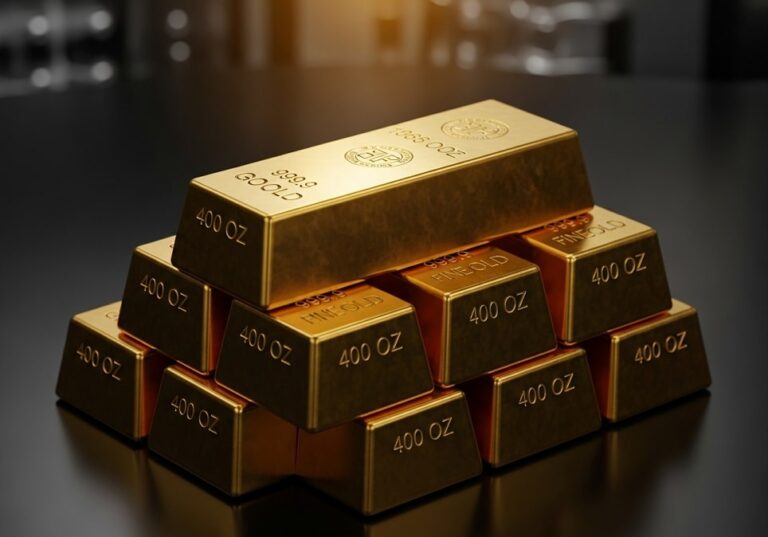
Gold prices remain one of the most closely watched indicators in global financial markets, reflecting a complex interaction between macroeconomic forces, investor sentiment, currency movements, and geopolitical developments. Across international exchanges and domestic bullion markets, the yellow metal continues to serve as both a store of value and a hedge against uncertainty. Understanding how gold prices move, why they fluctuate, and what influences demand is essential for investors, traders, jewellers, and policymakers alike.
In recent years, gold has repeatedly demonstrated its relevance during periods of inflationary pressure, monetary tightening, and financial market volatility. As interest rates, inflation data, and global risk events shift, gold prices often respond swiftly, making live price tracking and contextual analysis critical for informed decision-making.
Unlike equities or industrial commodities, gold occupies a unique position. It is simultaneously a physical asset, a financial instrument, and a psychological anchor for markets during stress. This multifaceted role explains why even small changes in global economic signals can have an outsized impact on gold prices.
How Gold Prices Are Determined in Global Markets
Gold prices are primarily discovered through international spot and futures markets, with major trading hubs in London, New York, Shanghai, and Dubai. The global benchmark price is typically quoted in US dollars per troy ounce and reflects real-time trading activity among banks, institutional investors, hedge funds, and commodity traders.
Spot prices represent the cost of immediate delivery, while futures prices indicate market expectations for gold at a future date. These two prices usually move closely together, but differences can emerge during periods of extreme demand or supply constraints.
Role of International Benchmarks
The London gold market has historically played a central role in price discovery, with twice-daily benchmark auctions setting reference prices used by bullion dealers and central banks worldwide. Meanwhile, the New York futures market heavily influences short-term price movements due to high trading volumes and speculative activity.
In Asia, rising participation from China and India has added new layers to price dynamics. Physical demand from these regions often intensifies during festival seasons and periods of price correction, providing support when prices soften globally.
Currency Impact on Gold Valuation
Because gold is priced internationally in US dollars, currency movements significantly affect its valuation. A stronger dollar typically makes gold more expensive for non-dollar buyers, potentially dampening demand, while a weaker dollar often supports higher gold prices.
This inverse relationship, however, is not absolute. During periods of severe financial stress, gold and the dollar can rise simultaneously as investors seek safety in both assets.
Key Factors Influencing Gold Prices
Gold price movements are rarely driven by a single factor. Instead, they reflect the combined influence of economic indicators, policy decisions, and market psychology. Understanding these drivers helps explain both short-term volatility and long-term trends.
Interest Rates and Monetary Policy
One of the most important influences on gold prices is monetary policy, particularly interest rate decisions by major central banks. When interest rates rise, fixed-income assets become more attractive, increasing the opportunity cost of holding non-yielding assets like gold.
Conversely, when central banks signal rate cuts or adopt accommodative policies, gold often benefits as investors anticipate lower real yields and potential currency debasement.
Inflation and Purchasing Power
Gold has long been viewed as a hedge against inflation. When consumer prices rise and erode purchasing power, demand for gold tends to increase as investors seek to preserve value. However, gold’s response depends on whether inflation outpaces interest rates.
If inflation rises faster than nominal yields, real interest rates turn negative, a condition that has historically been supportive for gold prices.
Geopolitical and Economic Uncertainty
Periods of geopolitical tension, trade disputes, or financial instability often trigger safe-haven demand for gold. Investors turn to the metal during crises because it is not directly tied to the credit risk of any single government or institution.
Such demand can cause sharp price spikes, particularly when uncertainty coincides with fragile financial markets.
Physical Demand: Jewellery, Investment, and Industrial Use
While financial markets dominate short-term price movements, physical demand remains a crucial component of the gold ecosystem. Jewellery consumption, retail investment, and industrial applications all contribute to underlying demand.
Jewellery Demand in Key Markets
India and China together account for a significant share of global jewellery demand. Cultural traditions, weddings, and festivals drive seasonal buying patterns, often influencing global prices during peak periods.
When prices fall sharply, jewellery demand in these regions tends to increase, providing a stabilising effect on the market.
Investment Demand and Retail Buying
Investment demand includes gold bars, coins, and exchange-traded products backed by physical bullion. Retail investors often increase purchases during periods of economic uncertainty or market corrections.
Large inflows into gold-backed funds can tighten supply and amplify price movements, especially when combined with strong institutional demand.
Industrial and Technological Uses
Although smaller in scale compared to jewellery and investment, industrial demand for gold is growing. The metal’s conductivity and resistance to corrosion make it valuable in electronics, medical devices, and emerging technologies.
Central Banks and Their Influence on Gold Prices
Central banks play a pivotal role in shaping gold market dynamics. Many monetary authorities hold gold as part of their foreign exchange reserves, viewing it as a strategic asset that enhances financial stability.
Gold as a Reserve Asset
In recent years, several central banks have increased their gold holdings, diversifying away from traditional reserve currencies. This trend reflects concerns about currency risk, inflation, and geopolitical fragmentation.
Central bank purchases can provide long-term support to gold prices, particularly when buying is sustained and broad-based.
Sales and Policy Signals
While large-scale gold sales by central banks are less common today, policy signals related to reserve management can still influence market sentiment. Announcements regarding reserve diversification are closely monitored by investors.
Gold Prices in Domestic Markets and Consumer Impact
Domestic gold prices often differ from international benchmarks due to local factors such as taxes, import duties, currency exchange rates, and distribution costs. These elements shape the price consumers pay for jewellery and investment products.
Role of Taxes and Import Duties
In many countries, gold imports are subject to duties and taxes designed to manage trade balances. Changes in these policies can have an immediate impact on local prices, sometimes widening the gap with global rates.
For consumers, such policy shifts can influence buying decisions, particularly during festive seasons or periods of high demand.
Currency Fluctuations and Local Pricing
When domestic currencies weaken against the US dollar, local gold prices often rise even if global prices remain stable. This effect underscores the importance of currency trends for retail buyers.
Short-Term Volatility Versus Long-Term Trends
Gold prices are known for short-term volatility driven by economic data releases, central bank commentary, and market speculation. However, long-term trends are shaped by broader structural forces.
Market Reactions to Economic Data
Inflation reports, employment figures, and GDP data can trigger rapid price movements as traders reassess interest rate expectations. Even small surprises in data can lead to outsized reactions in gold markets.
Structural Drivers of Long-Term Demand
Over the long term, factors such as population growth, rising incomes in emerging markets, and ongoing central bank demand contribute to sustained interest in gold. These elements help explain why gold has retained its value across centuries.
What Live Gold Prices Mean for Different Stakeholders
Live gold prices serve different purposes for different participants in the market. From investors to consumers, understanding these distinctions is key to interpreting price movements accurately.
- Retail Investors: Live prices help investors identify entry and exit points, particularly for short-term trading or portfolio rebalancing. They also provide insight into broader market sentiment.
- Long-Term Savers: For those using gold as a hedge or store of value, daily price changes are less important than long-term trends and purchasing power preservation.
- Jewellers: Price movements directly affect inventory costs and pricing strategies. Volatility can influence demand, especially for high-value items.
- Central Banks: Live prices inform reserve management decisions and valuation of existing holdings, impacting balance sheets.
- Policy Makers: Gold prices can signal market stress or inflation expectations, offering indirect insights into economic conditions.
Conclusion
Gold prices continue to occupy a central place in global finance, reflecting a balance between economic fundamentals, investor psychology, and real-world demand. Live price movements capture immediate reactions to data and events, while longer-term trends reveal deeper structural forces shaping the market. By understanding how gold prices are determined, what drives their fluctuations, and how different stakeholders interpret them, readers can better navigate an asset that has remained relevant across generations. Whether viewed as a hedge, an investment, or a cultural cornerstone, gold’s enduring role ensures that its price will remain a focal point of economic discussion for years to come.

Full-stack developer at Scylla Technologies (USA), working remotely from Bangladesh. Adobe Certified Magento Developer.