

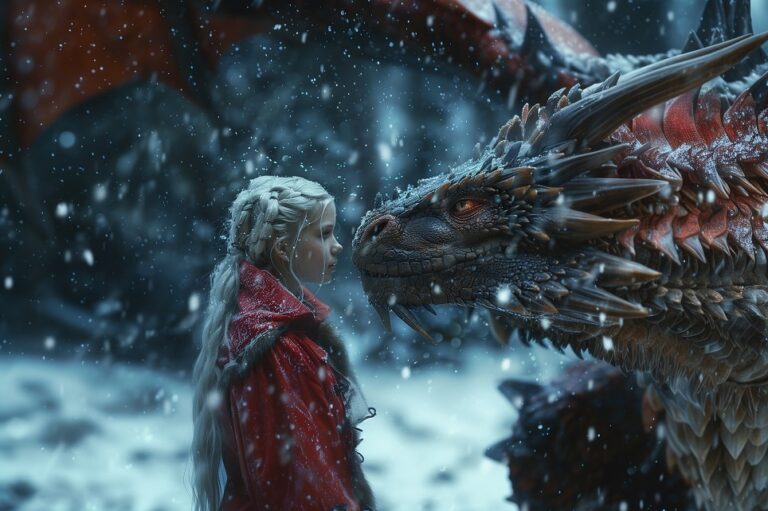
Understanding the Most Memorable Characters in Game of Thrones History
Game of Thrones revolutionized modern television with its intricate storytelling, shocking plot twists, and unforgettable characters that became cultural icons. From the first episode in 2011 to the controversial finale in 2019, HBO’s fantasy epic introduced audiences to Westeros, a medieval world where honor battles ambition, and where the quest for the Iron Throne costs lives, families, and kingdoms. The series captured over 50 million viewers globally for its final episode, creating unprecedented levels of fan engagement and debate. While opinions remain divided about the show’s conclusion, one element consistently receives universal acclaim from critics and fans alike: the complex, morally ambiguous characters that made Game of Thrones a phenomenon.
What separated Game of Thrones from other fantasy series was its willingness to subvert traditional storytelling conventions. Heroes died unexpectedly, villains revealed hidden depths of humanity, and the line between right and wrong blurred with each political machination. The show’s ensemble cast brought George R.R. Martin’s characters to life with performances that transcended the fantasy genre, earning numerous Emmy Awards and establishing new standards for television acting. From noble lords to cunning assassins, from dragon queens to disgraced knights, these characters became household names and sparked endless discussions about morality, power, and survival.
Evaluating Game of Thrones characters requires consideration of multiple factors beyond simple popularity or screen time. The best characters demonstrate complexity through their motivations, undergo meaningful transformations throughout their arcs, face genuine moral dilemmas, and leave lasting impacts on the story even after their departures. The performances by the actors must elevate the written material, bringing authenticity and depth to fantasy roles that could easily become one-dimensional. Additionally, the character’s contribution to Game of Thrones’ themes of power, family, honor, and survival plays a crucial role in determining their ultimate ranking among the show’s extensive roster.
The Lannisters: Power, Pride, and Complex Villainy
Tyrion Lannister: The Mind That Survived the Game
Tyrion Lannister stands as arguably the most beloved character in Game of Thrones history, consistently ranking at the top of fan polls and critic assessments. Peter Dinklage’s Emmy Award-winning portrayal brought depth, humor, and pathos to the youngest Lannister child, a man despised by his own family for his dwarfism yet possessing an intellect that surpassed them all. From his introduction as a wine-drinking cynic to his evolution into Hand of the Queen and eventual Hand of the King, Tyrion’s journey encompassed some of the series’ most memorable moments and quotable lines.
What makes Tyrion exceptional is his combination of razor-sharp wit and genuine compassion in a world that values neither quality. Despite enduring a lifetime of mockery and hatred from his father Tywin and sister Cersei, Tyrion developed a moral compass that guided his actions even when survival seemed to demand otherwise. His trial speech in Season 4 remains one of the most powerful monologues in television history, showcasing Dinklage’s extraordinary range as Tyrion confronted the society that had always judged him for his appearance rather than his abilities. His strategic brilliance during the Battle of the Blackwater, his complex relationship with both Shae and Sansa, and his decision to kill Tywin all demonstrated a character wrestling with loyalty, love, and justice.
Throughout eight seasons, Tyrion served as the audience’s guide through Westeros politics, offering cynical observations that cut through pretension while revealing deep truths about power and human nature. His alliance with Daenerys Targaryen represented his attempt to create a better world, using his political acumen to support someone he believed could break the cycle of tyranny. While his strategic advice failed him in later seasons, leading to criticism from fans about inconsistent writing, Tyrion’s essential character remained intact: a man who drinks and knows things, who loves deeply despite repeated heartbreak, and who ultimately survives through intelligence rather than strength.
Cersei Lannister: The Queen Who Refused to Yield
Cersei Lannister embodied pure ruthlessness and maternal devotion in equal measure, creating one of television’s most compelling villains. Lena Headey delivered a masterclass in portraying a woman who wielded power through manipulation, fear, and strategic violence, never apologizing for her ambitions or her methods. From the series premiere, where she plotted against Robert Baratheon, to her destruction of the Sept of Baelor with wildfire, Cersei proved willing to commit any atrocity to protect her children and maintain her grip on power.
What elevated Cersei beyond simple villainy was the tragic dimension of her character arc. Every action she took stemmed from either love for her children or fear of losing them, making her simultaneously monstrous and sympathetic. Her incestuous relationship with Jaime, while morally reprehensible, represented one of the show’s most genuine love stories. The prophecy from Maggy the Frog haunted Cersei throughout the series, driving her paranoia and destructive choices as she watched her children die one by one, exactly as foretold. Her walk of atonement through King’s Landing, stripped naked and humiliated, revealed vulnerability beneath her queenly armor while simultaneously hardening her resolve.
Cersei’s political acumen rivaled anyone in Westeros, demonstrating an understanding of power dynamics that her more honorable opponents lacked. She recognized that mercy was weakness, that allies were temporary assets, and that fear commanded more respect than love. Her manipulation of the Faith Militant, her strategic marriage alliances, and her ruthless elimination of enemies showcased a mind constantly calculating advantages. Even in defeat, cornered in the Red Keep as Daenerys destroyed King’s Landing, Cersei maintained her dignity until the very end, dying in Jaime’s arms beneath the collapsing castle. While her ending disappointed some fans who desired more dramatic justice, it provided poetic closure to a character defined by her refusal to submit.
Jaime Lannister: The Kingslayer’s Path to Redemption
Jaime Lannister underwent one of the most dramatic character transformations in Game of Thrones, evolving from arrogant villain to conflicted hero before ultimately returning to his sister’s arms. Nikolaj Coster-Waldau portrayed this complexity with nuance, showing how a man defined by a single dishonorable action could possess hidden nobility. Jaime’s opening act of pushing Bran Stark from a tower window established him as irredeemably evil, yet subsequent seasons revealed layers of honor, humor, and humanity beneath his golden exterior.
The nickname Kingslayer, earned when Jaime murdered Mad King Aerys Targaryen, haunted him throughout the series despite the righteousness of his action. His conversations with Brienne of Tarth, particularly their intimate scene in the baths of Harrenhal, exposed the painful truth: Jaime killed Aerys to prevent him from burning King’s Landing with wildfire, sacrificing his honor to save hundreds of thousands of lives. This revelation recontextualized everything about his character, showing how assumptions and reputation could obscure truth. His time as Robb Stark’s prisoner, his maiming by Locke resulting in the loss of his sword hand, and his growing respect for Brienne all contributed to his transformation from a man who cared only for Cersei to someone willing to fight for the living against the dead.
Jaime’s return to Cersei in the final season divided fans, with many viewing it as a betrayal of his redemption arc. However, it reinforced the show’s fundamental message that people rarely change completely, that love complicates morality, and that the pull of family proves stronger than personal growth. His final words to Brienne, his knighting of her, and his death with Cersei beneath the Red Keep created a bittersweet conclusion for a character who spent eight seasons trying to reconcile the knight he wanted to be with the man he actually was.
The Starks: Honor, Survival, and Northern Justice
Jon Snow: The Reluctant Hero and Hidden King
Jon Snow represented the moral center of Game of Thrones, an honorable man trying to do the right thing in a world where honor often led to death. Kit Harington portrayed Jon with brooding intensity, capturing the internal conflict of a supposed bastard who never sought power yet repeatedly found himself thrust into leadership roles. His journey from Night’s Watch recruit to Lord Commander to King in the North to the ultimate slayer of Daenerys Targaryen encompassed some of the series’ most pivotal moments and shocking revelations.
The mystery surrounding Jon’s parentage drove speculation throughout the series, with the eventual revelation that he was Aegon Targaryen, legitimate son of Rhaegar Targaryen and Lyanna Stark, fundamentally altering the story’s stakes. This truth made him the rightful heir to the Iron Throne, creating tragic irony when he bent the knee to Daenerys before learning they were nephew and aunt. Jon’s relationships defined his character: his friendship with Samwell Tarly, his romance with Ygritte that ended in heartbreak, his loyalty to his siblings, and his complex dynamic with Daenerys that concluded with him stabbing her to prevent further genocide.
Jon’s greatest moments showcased his courage and tactical brilliance in impossible situations. The Battle of the Bastards featured Jon charging alone against Ramsay Bolton’s army, an image that became iconic in television history. His mission beyond the Wall to capture a wight, his resurrection by Melisandre after assassination by his Night’s Watch brothers, and his leadership during the Battle of Winterfell against the Night King all demonstrated why men followed him despite his reluctance to lead. His final exile to the Night’s Watch felt appropriate for a character who always found home in the far North, united with the Free Folk and his direwolf Ghost, finally free from the game of thrones that never suited his nature.
Arya Stark: From Lady to Assassin
Arya Stark’s transformation from rebellious tomboy to master assassin represented one of Game of Thrones’ most satisfying character arcs. Maisie Williams grew up on screen, evolving from a young girl practicing water dancing with Syrio Forel to the warrior who killed the Night King and saved Westeros from the Long Night. Her journey through the series was marked by violence, loss, and an unwavering determination to survive and avenge her family’s enemies, with her kill list becoming a defining character trait.
Each phase of Arya’s development added new skills and hardened her resolve. Her time traveling with the Hound created an unlikely bond between two damaged souls, providing some of the show’s most entertaining dialogue and character moments. Her training with the Faceless Men in Braavos pushed her to abandon her identity entirely, though she ultimately refused, declaring that a girl is Arya Stark of Winterfell and she is going home. This rejection of becoming no one in favor of embracing her Stark heritage represented a crucial moment of self-definition.
Arya’s assassination of the Night King in the Battle of Winterfell divided fans, with some celebrating the payoff of her training while others felt Jon Snow deserved the hero moment. Regardless, the image of Arya leaping from darkness to drive her Valyrian steel dagger into the Night King’s chest became an indelible part of the show’s legacy. Her decision to sail west of Westeros in the finale suited her adventurous spirit, seeking new lands to explore rather than settling into traditional roles. Williams’s performance captured Arya’s evolution from innocent child to hardened killer to young woman finding herself again, making her one of the series’ most dynamic and beloved characters.
Sansa Stark: The Survivor Who Became Queen
Sansa Stark experienced perhaps the most dramatic transformation in Game of Thrones, evolving from naive girl dreaming of princes to the shrewd Queen in the North. Sophie Turner portrayed Sansa’s journey with increasing confidence, showing how trauma and education in power politics forged her into a formidable leader. Her early seasons as a hostage in King’s Landing, subject to Joffrey’s cruelty and Cersei’s manipulation, provided brutal lessons in survival and the true nature of power.
Each mentor in Sansa’s life contributed to her political education. Cersei taught her that weakness invited exploitation, Littlefinger showed her how to manipulate people and situations, and Ramsay Bolton’s horrific abuse strengthened her resolve to never be a victim again. By the time she returned to Winterfell and reclaimed her home, Sansa had learned to wield power effectively, outmaneuvering Littlefinger and maintaining the loyalty of the Northern lords. Her dynamic with Jon Snow reflected her growth, as she provided crucial advice on managing vassals and preparing for winter.
Sansa’s coronation as Queen in the North in the series finale represented the culmination of her arc, from pawn in others’ games to master of her own destiny. Her achievement of Northern independence, which no one else had secured during the entire series, demonstrated her political acumen and understanding of her people’s needs. While some fans wished for more screentime showcasing her governance, Sansa’s ending satisfied those who had watched her suffer through multiple seasons of abuse, finally emerging as a powerful leader who earned her crown through intelligence and perseverance.
The Dragons and the Mad Queen: Daenerys Targaryen’s Rise and Fall
Daenerys Targaryen’s character arc sparked more debate than any other in Game of Thrones history, with her descent from liberator to tyrant dividing the fanbase. Emilia Clarke’s portrayal captured both Daenerys’s inspiring determination and her growing ruthlessness, though the speed of her final turn toward darkness in Season 8 felt jarring to many viewers. From her early days as timid bride sold to Khal Drogo to her emergence as the Mother of Dragons and Breaker of Chains, Daenerys’s journey represented the series’ most epic storyline.
Daenerys’s greatest strength was her ability to inspire absolute loyalty through both her vision of a better world and her personal charisma. She freed the Unsullied and made them choose to serve her, conquered Slaver’s Bay and abolished slavery, and built an army powerful enough to challenge Westeros itself. Her dragons represented not just military might but the return of magic to the world, with Drogon, Viserion, and Rhaegal becoming characters in their own right. The birth of her dragons in Khal Drogo’s funeral pyre, when she walked into fire and emerged unburned with three hatchlings, established her as special among Targaryens and set her on the path to reclaim her family’s throne.
However, darkness always lurked within Daenerys, visible in her increasingly brutal methods of dealing with enemies. She crucified the masters of Meereen, burned Randyll and Dickon Tarly alive for refusing to bend the knee, and ultimately burned King’s Landing despite the city’s surrender, killing hundreds of thousands of innocent civilians. The show’s final season portrayed this as the emergence of Targaryen madness, inherited from her father the Mad King, though the rushed pacing made the transformation feel unearned to many fans. Jon Snow’s decision to kill her, recognizing she would continue conquering the world in the name of liberation, provided tragic closure to their romance and her quest for power.
Clarke defended Daenerys’s ending, arguing that the character had always shown capacity for violence and that power had corrupted her despite good intentions. Whether viewers accepted this interpretation or felt the show failed to properly develop her descent into tyranny, Daenerys remains one of the most iconic and discussed characters in television history. Her legacy includes some of Game of Thrones’ most memorable scenes and her transformation into a cautionary tale about absolute power corrupting absolutely.
Warriors and Knights: The Champions of Westeros
Brienne of Tarth: Honor in Action
Brienne of Tarth stood as a beacon of true knighthood in a world where most knights abandoned their vows for personal gain. Gwendoline Christie portrayed Brienne with dignity and strength, creating a character who defied gender expectations while maintaining traditional chivalric values. Her journey from mocked outsider to Lord Commander of the Kingsguard represented vindication for every dismissal she endured based on her appearance and gender.
Brienne’s defining relationships shaped her character development throughout the series. Her service to Catelyn Stark and later to both Stark daughters demonstrated unwavering loyalty even when unappreciated. Her complex bond with Jaime Lannister evolved from mutual contempt to genuine respect and ultimately love, with their relationship providing some of the show’s most emotionally resonant scenes. When Jaime knighted her before the Battle of Winterfell, completing her lifelong dream, the moment captured what Game of Thrones did best: earning emotional payoffs through patient character development.
Her combat prowess made her one of Westeros’s deadliest fighters, defeating the Hound in single combat and surviving numerous battles. Yet Brienne’s greatest strength was her refusal to compromise her values despite a world that mocked them. Her final scene writing in the White Book, completing Jaime’s entry with compassion despite his betrayal, showed her commitment to honor transcending personal hurt. Brienne proved that goodness could survive in Westeros without being weakness, making her one of the series’ most admirable and beloved characters.
The Hound: Redemption Through Fire
Sandor Clegane, known as the Hound, underwent a subtle but powerful redemption arc that culminated in his death fighting his brother the Mountain. Rory McCann brought gravitas and unexpected tenderness to a character initially presented as a brutal enforcer for the Lannisters. His scarred face, product of his brother’s childhood cruelty, made him feared throughout Westeros, yet his actions gradually revealed a man capable of unexpected compassion.
The Hound’s relationships, particularly with Arya Stark and Sansa Stark, exposed his hidden decency beneath layers of cynicism and violence. His protection of Sansa during the Battle of the Blackwater and his surprising partnership with Arya as they traveled through the Riverlands provided character depth that transcended his fearsome reputation. His famous line, delivered with resignation, “Lots of people name their swords,” perfectly captured his pragmatic view of the world’s brutality and the foolishness of romanticizing it.
His final confrontation with Gregor Clegane during the destruction of King’s Landing, known as Cleganebowl among fans, delivered cathartic resolution to decades of hatred. Choosing to face his brother rather than escape the collapsing Red Keep represented the Hound finally confronting his trauma, his fear of fire, and his past. His death, falling into flames with the Mountain, completed his arc: the scared boy who had fire pressed to his face dying by fire while killing his abuser. The Hound proved that even the most damaged people could find purpose and meaning, making him one of Game of Thrones’ most complex and ultimately heroic figures.
The Puppet Masters: Strategy Over Strength
Varys: The Spider Who Served the Realm
Lord Varys, the Master of Whisperers, operated in shadows while claiming to serve the realm above all else. Conleth Hill portrayed Varys with quiet menace and surprising wit, creating a character whose true motives remained ambiguous until his execution by Daenerys. His network of spies rivaled any military force, making him one of Westeros’s most powerful figures despite lacking armies or titles.
Varys’s philosophical debates with Littlefinger about the nature of power provided some of the series’ smartest dialogue, exploring themes of perception versus reality in political influence. His gradual shift from supporting Daenerys to plotting against her when he recognized her tyrannical tendencies demonstrated his stated principles in action. His execution scene, where he maintained dignity while being led to his death by dragonfire, reinforced his commitment to what he believed was right even when it cost him everything.
Littlefinger: Chaos is a Ladder
Petyr Baelish, called Littlefinger, manipulated events from the series’ beginning, orchestrating conflicts that led to countless deaths. Aidan Gillen portrayed Littlefinger with smirking calculation, making every word feel like part of a larger scheme. His obsession with Catelyn Stark and later Sansa drove many of his actions, combining ambition with unrequited love in destructive ways.
Littlefinger’s genius lay in creating chaos that others fought over while he accumulated power. His famous monologue about chaos being a ladder perfectly encapsulated his philosophy: in disorder, clever men could climb while others fell. His downfall, outmaneuvered by Sansa and Arya working together, felt fitting for a character who underestimated those he viewed as pawns. His death at Winterfell, throat cut by Arya after Sansa passed sentence, demonstrated that even master manipulators eventually face justice.
Supporting Characters Who Stole Scenes
Game of Thrones featured dozens of supporting characters who left lasting impressions despite limited screen time. Ser Davos Seaworth, the Onion Knight, provided moral grounding and genuine warmth throughout his service to Stannis Baratheon and later Jon Snow. Liam Cunningham portrayed Davos with dignity and humor, making him one of the series’ most consistently likable characters. His relationship with Shireen Baratheon, whom he taught to read, and his grief and rage upon discovering Stannis had burned her alive revealed deep emotional reserves beneath his gruff exterior.
Oberyn Martell’s brief appearance in Season 4 made him an instant fan favorite. Pedro Pascal brought charisma, sensuality, and barely controlled rage to the Red Viper of Dorne, whose quest for vengeance against the Mountain ended in shocking brutality. His trial by combat against Gregor Clegane remains one of the series’ most memorable and horrifying scenes, with his confidence turning to agony as the Mountain crushed his skull. Oberyn’s death demonstrated that skill, intelligence, and righteous anger meant nothing against a split second of hubris.
Bronn of the Blackwater represented pragmatic survival in its purest form. Jerome Flynn played the sellsword with roguish charm, creating a character who openly acknowledged fighting for gold rather than honor. His friendships with Tyrion and Jaime provided comic relief and surprising loyalty, though he always maintained that money talked louder than sentiment. His elevation to Lord of Highgarden and Master of Coin in the finale struck many fans as unearned and implausible given his lack of administrative experience.
Tormund Giantsbane became a fan favorite for his wild-man enthusiasm and his obvious admiration for Brienne. Kristofer Hivju portrayed the Free Folk warrior with infectious energy, making even minor scenes memorable. His survival of the series felt appropriate for a character who represented the enduring spirit of the Free Folk. His drinking scene where he recounted the story of earning his nickname by allegedly suckling at a giant’s teat until age ten became one of the show’s most absurdly hilarious moments.
The Villains: Evil That Defined the Story
Joffrey Baratheon: The Boy King Who United Hatred
Joffrey Baratheon achieved the rare distinction of becoming one of television’s most universally despised characters. Jack Gleeson portrayed the sadistic boy king with such convincing cruelty that fans celebrated his death at the Purple Wedding and Gleeson himself received death threats, leading to his retirement from acting. Joffrey’s reign of terror, from ordering Ned Stark’s execution to tormenting Sansa with Robb’s head, established him as irredeemably evil.
What made Joffrey particularly effective as a villain was his combination of absolute power with immature cruelty. He possessed no redeeming qualities, no tragic backstory to justify his actions, simply pure sadism unleashed by a crown he never deserved. His death by poison at his own wedding feast, choking and turning purple as he suffocated, provided deeply satisfying catharsis for viewers who had endured his three-season reign of horror. Gleeson’s performance was so effective that Joffrey remains the standard by which television villains are measured.
Ramsay Bolton: The Bastard of the Dreadfort
Ramsay Bolton took villainy to even darker depths than Joffrey, with torture and psychological warfare as his specialties. Iwan Rheon portrayed Ramsay with gleeful sadism, creating a character whose scenes often proved difficult to watch. His transformation of Theon Greyjoy into the broken servant Reek represented extended psychological torture that broke even viewers accustomed to Game of Thrones’ brutality.
Ramsay’s marriage to and abuse of Sansa Stark pushed boundaries of what the show depicted, drawing criticism for unnecessary trauma. His tactical brilliance in battle, demonstrated in his near-victory over Jon Snow at the Battle of the Bastards, showed he possessed genuine military skill alongside his cruelty. His death, fed to his own hounds by Sansa, provided poetic justice for a character who had weaponized dogs against his enemies. Rheon’s ability to make Ramsay simultaneously compelling and repulsive made him one of the series’ most effective villains despite the controversy surrounding his storylines.
The Night King and the Threat Beyond the Wall
The Night King represented an existential threat that transcended Westeros’s political squabbles, a force of nature intent on bringing eternal winter and death. Vladimir Furdik portrayed the leader of the White Walkers with menacing presence despite never speaking, communicating only through cold blue eyes and deliberate movements. His creation by the Children of the Forest, revealed in flashbacks, positioned him as a weapon that turned on its creators.
The Night King’s most significant action came when he killed and resurrected Viserion, Daenerys’s dragon, using it to destroy the Wall and march south. This moment elevated the threat from theoretical to immediate, demonstrating that even dragons weren’t safe from his power. His apparent focus on Bran Stark suggested deeper motivations than simple destruction, possibly targeting the Three-Eyed Raven as the living memory of humanity.
His death at Arya’s hands in the Battle of Winterfell ended the White Walker threat earlier than many fans expected, with some feeling the Long Night deserved more emphasis than the political battles that followed. The instant destruction of all White Walkers and wights upon his death, while visually spectacular, raised questions about why the Children of the Forest had created such a dangerous single point of failure. Nevertheless, the Night King succeeded in his narrative purpose: uniting enemies against a common threat and demonstrating that survival required putting aside political divisions.
Frequently Asked Questions
Who is considered the best Game of Thrones character overall?
Tyrion Lannister consistently ranks as the most popular and best-received character among both fans and critics. Peter Dinklage’s Emmy Award-winning performance combined with excellent writing made Tyrion the most quotable, complex, and beloved character in the series. His combination of intelligence, humor, and unexpected compassion resonated with audiences throughout all eight seasons, despite some criticism of his strategic failures in later episodes.
Why did Daenerys Targaryen turn evil in the final season?
Daenerys’s descent into tyranny in Season 8 stemmed from multiple losses, isolation, and her belief that she needed to rule through fear rather than love. The show portrayed her burning of King’s Landing as the culmination of increasingly ruthless decisions throughout the series, suggesting she inherited her father’s madness. However, many fans felt the transformation happened too quickly, arguing that the show needed more episodes to properly develop her psychological breakdown from liberator to mass murderer.
Which Game of Thrones characters survived until the end?
Major characters who survived the entire series include Jon Snow, Sansa Stark, Arya Stark, Bran Stark, Tyrion Lannister, Samwell Tarly, Brienne of Tarth, Bronn, Davos Seaworth, Grey Worm, Tormund Giantsbane, and Pod
rick Payne. Jon was exiled beyond the Wall, Sansa became Queen in the North, Bran was crowned King of the Six Kingdoms, Arya sailed west to explore unknown lands, and Tyrion served as Hand of the King.
Who was the strongest fighter in Game of Thrones?
Before losing his hand, Jaime Lannister was widely considered the best swordsman in Westeros. Other top fighters included Arthur Dayne with his dual swords, Brienne of Tarth who defeated the Hound, Jon Snow who mastered Valyrian steel, Gregor Clegane whose size made him nearly unstoppable, Oberyn Martell whose speed and technique nearly defeated the Mountain, and Arya Stark whose assassin training made her lethal despite her size.
Why did Jon Snow kill Daenerys?
Jon Snow killed Daenerys after she burned King’s Landing and declared her intention to continue conquering the world in the name of liberation. Recognizing that she had become a tyrant who would kill anyone she perceived as standing between her and her vision of a better world, Jon chose duty to the realm over love. His decision mirrored Jaime’s killing of the Mad King, sacrificing his honor and happiness to prevent further mass murder.
What happened to the Night King’s dragon?
Viserion, killed beyond the Wall and resurrected by the Night King as an undead dragon, breathed blue fire that destroyed the Wall at Eastwatch. The undead dragon fought against Drogon and Rhaegal during the Battle of Winterfell before Jon Snow destroyed him using a scorpion bolt. When Arya killed the Night King, Viserion collapsed and presumably disintegrated like all other undead creatures controlled by the Night King’s magic.
Why is Arya Stark so popular among fans?
Arya’s popularity stems from her transformation from innocent child to skilled warrior while maintaining her core identity. Fans appreciated her refusal to conform to traditional gender roles, her determination to avenge her family, and her survival against impossible odds. Maisie Williams’s performance captured Arya’s evolution convincingly, and her training with the Faceless Men provided some of the series’ most intriguing storylines. Her killing of the Night King cemented her status as one of the show’s ultimate heroes.
Who was the most evil character in Game of Thrones?
Ramsay Bolton generally receives recognition as the most purely evil character, with his systematic torture of Theon Greyjoy and abuse of Sansa representing depths of cruelty that shocked even veteran viewers. Joffrey Baratheon’s sadistic reign and Walder Frey’s orchestration of the Red Wedding also rank among the series’ most villainous acts. Unlike characters like Cersei or Littlefinger whose evil stemmed from ambition or survival, Ramsay appeared to commit atrocities for pure enjoyment.
Conclusion: The Legacy of Game of Thrones Characters
Game of Thrones succeeded in creating a vast gallery of characters who transcended their fantasy setting to become cultural touchstones. From Tyrion’s wit to Arya’s determination, from Jon’s honor to Cersei’s ruthlessness, these characters explored fundamental aspects of human nature through the lens of medieval fantasy. The series demonstrated that moral complexity makes characters more interesting than simple heroism or villainy, that transformation and growth matter more than static personalities, and that consequences give actions weight.
The debate about character rankings will continue as long as fans discuss the series, with personal preferences influenced by which themes and values resonate most strongly. Some viewers prioritized characters who maintained moral integrity like Ned Stark and Brienne, while others appreciated complex antiheroes like Jaime and the Hound whose redemption arcs felt earned through suffering. The political schemers Tyrion, Varys, and Littlefinger appealed to fans who enjoyed intellectual maneuvering over physical combat, while warriors like Jon Snow and Arya satisfied those who valued action and heroism.
Despite controversies surrounding the final seasons, particularly regarding how character arcs concluded, Game of Thrones’ ensemble cast remains one of television’s greatest achievements. The performances elevated already strong material, creating moments that will be remembered and rewatched for decades. Whether viewers felt satisfied or disappointed by the ending, few can deny that these characters became real during the show’s run, inspiring passionate investment in their fates and generating endless discussion about their choices.
The lasting impact of these characters extends beyond the television screen into popular culture, influencing how subsequent fantasy series approach character development and moral ambiguity. Names like Tyrion, Daenerys, Jon, and Arya entered the global lexicon, with parents naming children after favorite characters and phrases like “Winter is coming” and “You know nothing” becoming instantly recognizable references. The show proved that audiences would embrace complex storytelling without clear heroes and villains, that shocking deaths could enhance rather than diminish narrative stakes, and that fantasy could tackle mature themes while maintaining mass appeal.
As new fantasy series attempt to capture Game of Thrones’ magic, the characters from Westeros remain the standard by which others are judged. Their combination of depth, performance quality, and narrative impact created something special in television history. Whether ranking them by likability, complexity, strategic intelligence, or simple entertainment value, each viewer will find different characters resonating based on personal values and preferences. The beauty of Game of Thrones lies in its diverse cast offering something for everyone, ensuring that debates about the best characters will continue enriching the fan community for years to come. These characters transformed a fantasy epic into a cultural phenomenon, proving that great storytelling begins and ends with unforgettable people whose struggles mirror our own, even in worlds with dragons and ice zombies.

Full-stack developer at Scylla Technologies (USA), working remotely from Bangladesh. Adobe Certified Magento Developer.
