

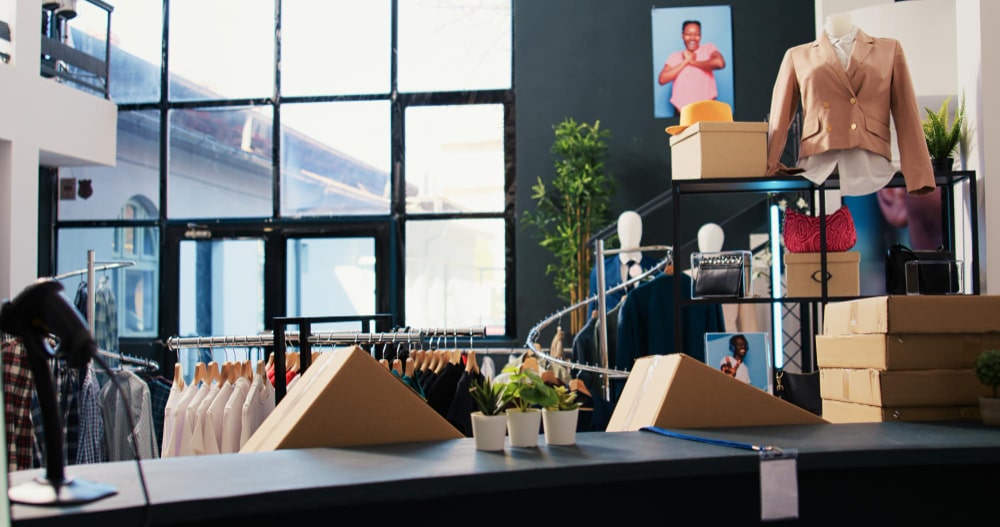
The physical store is undergoing its most significant transformation in a century. Far from becoming obsolete in the age of e-commerce, brick-and-mortar retail is being reimagined and revitalized through a powerful convergence of digital technology, evolving consumer expectations, and new economic realities. This shift moves beyond mere survival, positioning the store not just as a point of sale, but as a dynamic hub for experience, community, and seamless omnichannel fulfillment. The future of retail lies in a deeply integrated model where the physical and digital worlds are no longer separate channels but parts of a single, fluid customer journey.
This transformation is being driven by a fundamental change in what consumers value. Convenience remains paramount, but it is now defined by speed, personalization, and flexibility. Simultaneously, a growing segment of shoppers seeks authentic brand stories, memorable experiences, and a sense of human connection that pure-play online platforms struggle to provide. Retailers who are thriving in this new landscape are those leveraging data and technology to meet these dual demands, creating stores that are efficient, engaging, and indispensable to their brand ecosystem.
The Driving Forces Behind the Retail Metamorphosis
Several powerful, interconnected forces are catalyzing the redesign of the retail store. Understanding these drivers is essential to comprehending the new forms and functions emerging in the market.
The Ascendancy of the Omnichannel Consumer
The modern consumer does not think in terms of “online” or “offline.” They fluidly move between channels throughout their shopping journey. A customer might discover a product on social media, check its availability and reviews on a mobile phone, visit a store to see it in person, and then choose to have it shipped to their home or pick it up curbside. This behavior demands that retailers break down the silos between their digital and physical operations. The store must serve as a critical node in this network, offering services like Buy Online, Pick Up In-Store (BOPIS), easy in-store returns for online orders, and real-time inventory visibility across all locations.
The Integration of Advanced Technologies
Technology is the great enabler of the new retail experience. It is being embedded into the very fabric of the store to enhance efficiency, personalization, and engagement. This is not about flashy gimmicks but practical applications that solve customer pain points and create operational advantages.
- Artificial Intelligence and Machine Learning: These technologies power recommendation engines on in-store tablets, optimize inventory management by predicting local demand, and enable dynamic pricing. AI-driven analytics can also track foot traffic patterns within a store, helping retailers optimize store layouts and product placement for maximum conversion.
- Internet of Things (IoT): Smart shelves equipped with weight sensors can automatically alert staff when inventory is low or trigger restocking orders. IoT beacons can communicate with shoppers’ smartphones, sending them personalized offers or guiding them to products they’ve previously viewed online, creating a customized in-store journey.
- Augmented Reality (AR): AR apps allow customers to visualize how furniture would look in their home, how a shade of paint appears on a wall, or how a pair of glasses fits their face before making a purchase. This bridges the gap between the digital imagination and physical reality, reducing purchase hesitation and returns.
- Frictionless Checkout Systems: Technologies like Amazon’s Just Walk Out or various scan-and-go apps eliminate the biggest friction point in physical retail: the checkout line. By using computer vision, sensor fusion, and deep learning, these systems allow customers to simply take what they need and leave, with their payment method charged automatically.
Emerging Store Formats and Experiential Models
In response to these driving forces, new retail formats are emerging, each designed to serve a specific purpose within the broader brand strategy. The one-size-fits-all department store model is giving way to a more diverse and specialized ecosystem.
The Rise of Experiential and Community-Focused Retail
To compete with the convenience of e-commerce, physical stores are doubling down on what they can uniquely offer: human interaction and tangible experiences. This has given rise to the “experiential flagship” and the “community hub” model. These stores are designed to be destinations in themselves. For example, a sporting goods store might feature an indoor climbing wall, a running gait analysis lab, and weekly yoga classes. A bookshop might incorporate a café, host author readings, and book clubs. The primary goal shifts from moving inventory to building brand loyalty and creating memorable moments that cannot be replicated online.
The Proliferation of Small-Format and Hyper-Local Stores
Large-format big-box stores are being complemented, and in some cases replaced, by smaller, more agile locations. These “neighborhood stores” are designed for convenience and hyper-local relevance. They carry a curated selection of products tailored to the immediate community’s tastes and needs. This model is particularly effective for grocery chains and general merchandise retailers looking to expand into urban centers or dense suburban areas where large footprints are impractical. These stores often function as mini-fulfillment centers for last-mile delivery and BOPIS services, bringing inventory closer to the customer.
The Store-as-a-Hub for Fulfillment
Perhaps the most operationally significant evolution is the redefinition of the store’s backroom. It is no longer just a storage area for overstock; it is becoming a critical node in the supply chain. By fulfilling online orders directly from store inventory, retailers can significantly speed up delivery times, reduce shipping costs, and prevent lost sales due to out-of-stock situations in the e-commerce warehouse. This model, known as ship-from-store, turns a chain of retail locations into a distributed, responsive fulfillment network, making next-day or even same-day delivery economically viable on a large scale.
The Human Element in a High-Tech Environment
While technology is a critical enabler, the role of store associates is evolving rather than disappearing. The transactional cashier may be declining, but the need for knowledgeable, brand-ambassador-level staff is increasing.
The New Role of the Retail Associate
Equipped with mobile devices that provide real-time access to inventory, customer purchase history, and product information, store associates are being empowered to become high-value consultants. Their role is to provide expert advice, solve complex problems, and deliver a level of personalized service that builds lasting customer relationships. In an apparel store, an associate might use a tablet to pull up a customer’s online wish list and then put together a fitting room with those items and complementary pieces before the customer even arrives. This human touch, augmented by technology, creates a powerful differentiator.
Pro Tips for Retailers Navigating the Transition
For businesses looking to adapt their physical stores for the future, a strategic and customer-centric approach is essential. The following guidelines can help steer a successful transformation.
- Start with Data, Not Assumptions: Use your customer data to understand the shopping journeys that touch your physical stores. Identify key pain points and moments of delight. This data-driven insight should inform every decision, from technology investments to store layout and staff training.
- Prioritize Seamless Integration: Ensure that any new technology you introduce is fully integrated with your existing e-commerce platform, inventory management system, and CRM. A disconnected app or a kiosk that can’t access real-time data will create more friction than it resolves.
- Empower Your Frontline Staff: Invest in training and equipping your store associates. They are the face of your brand and the key to delivering on the promise of a high-tech, high-touch experience. Their buy-in is critical for the successful adoption of new processes and technologies.
- Embrace an Agile Test-and-Learn Mindset: Not every innovation will be a home run. Pilot new concepts, technologies, and store formats in select locations. Gather feedback, measure performance against clear KPIs, and be prepared to iterate or pivot based on the results.
- Focus on Solving a Customer Problem: When evaluating a new technology or store design, always ask: “What customer problem does this solve?” The goal is to use technology to remove friction, save time, or create joy, not to implement tech for tech’s sake.
Frequently Asked Questions
As the retail landscape evolves, common questions arise about the practicality and implications of these changes for both businesses and consumers.
Are physical stores really still important in the age of Amazon? Yes, but their purpose is changing. Physical stores are becoming critical for brand building, providing experiential engagement, and enabling efficient omnichannel fulfillment like BOPIS and ship-from-store. For many product categories, the ability to see, touch, and try items remains a significant advantage.
What is the biggest challenge retailers face in this transformation? The single biggest challenge is often organizational silos. Success requires a complete integration of digital and physical operations, which means breaking down long-standing internal barriers between e-commerce teams and store operations, and often, a significant investment in modern technology infrastructure.
Is frictionless checkout the future for all stores? While it is a powerful innovation, it is best suited for specific store formats like convenience stores, grocery, and locations with high traffic for low-involvement purchases. For many specialty retailers where consultation and service are part of the value proposition, a traditional (but streamlined) checkout may remain appropriate.
How can small independent retailers compete with these tech-driven trends? Small retailers can often adapt more agilely than large chains. Their advantage lies in deep community ties, unique product curation, and highly personalized service. They can leverage affordable tech like simple QR codes for product information, use social media for community building, and focus on creating an authentic, memorable in-store experience that large corporations cannot easily replicate.
Conclusion
The future of the retail store is not a binary choice between physical and digital, but a sophisticated synthesis of both. The most successful retailers will be those who view their stores as dynamic, multi-functional assets that drive brand loyalty, support omnichannel convenience, and deliver unparalleled experiences. This new era is characterized by a store that is as much a showroom, a community center, and a fulfillment hub as it is a point of sale. Technology serves as the invisible backbone that enables this flexibility and personalization, while the human element provides the empathy, expertise, and connection that technology alone cannot. The stores that will thrive are those that successfully navigate this convergence, creating a seamless, valuable, and distinctly human-centric journey for every customer who walks through their doors—or interacts with them from afar.
