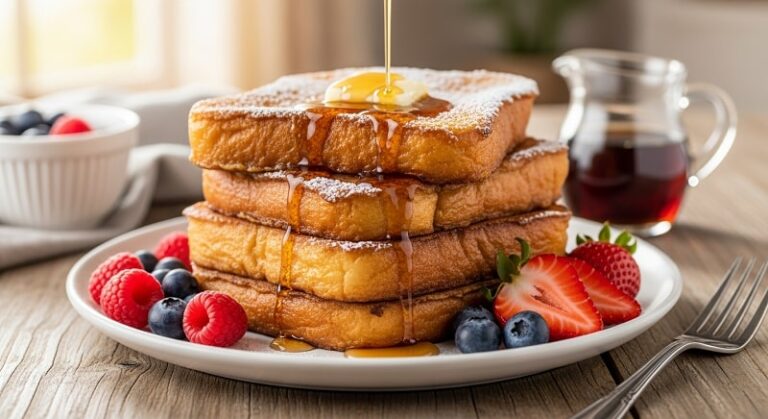
French toast is a classic breakfast dish that can be enjoyed any time of the day. Known for its crispy texture and deliciously sweet or savory flavor, it is easy to make and customizable to fit various tastes. Whether you prefer it topped with maple syrup, fresh fruits, or a dusting of powdered sugar, French toast is a versatile dish that can be adapted to suit your preferences. In this article, we will guide you through the process of making the perfect French toast, share some helpful tips, and answer frequently asked questions.
Ingredients for French Toast
The basic ingredients for French toast are simple and likely already found in your kitchen. Below are the essentials for making this dish:
- Bread: The type of bread you use will affect the texture and flavor of the French toast. Popular choices include white bread, brioche, and challah. Stale bread works best because it soaks up more of the egg mixture without falling apart.
- Eggs: Eggs form the base of the custard mixture. They provide the structure and help the French toast become golden and crispy when fried.
- Milk or Cream: Adding milk or cream to the egg mixture gives the French toast a rich, creamy texture. Whole milk is commonly used, but you can also use almond milk or heavy cream for a different taste.
- Sugar: A bit of sugar is added to the mixture to give the French toast a touch of sweetness. You can also use brown sugar for a deeper flavor.
- Vanilla Extract: Vanilla enhances the flavor and makes the French toast taste even more indulgent.
- Butter: Butter is essential for frying the French toast. It adds flavor and helps achieve a crispy exterior.
Step-by-Step Guide to Making French Toast
1. Preparing the Custard Mixture
To start, crack the eggs into a large bowl and whisk them well. Add milk (or cream), sugar, and vanilla extract to the eggs and whisk until the mixture is smooth and well-combined. Make sure the mixture is well-blended before moving to the next step. This custard mixture will give your French toast its signature flavor and texture.
2. Choosing the Right Bread
Choosing the right bread is crucial for the texture of your French toast. Bread that is too fresh will become soggy, while slightly stale bread absorbs the custard mixture better without losing its shape. Thick slices of bread, such as brioche or challah, are ideal for French toast as they provide a sturdy base and a rich flavor.
3. Dipping and Cooking the Bread
Heat a skillet or griddle over medium heat and add a generous amount of butter. Dip each slice of bread into the custard mixture, making sure it is fully coated but not soaked. Then, immediately place the coated bread slices onto the hot skillet. Cook each side for about 2-3 minutes or until golden brown and crispy. Be sure not to overcrowd the pan, as this can lower the cooking temperature and lead to uneven results.
4. Toppings and Variations
Once your French toast is cooked, it’s time to top it off with your favorite toppings. Classic options include maple syrup, fresh berries, powdered sugar, and whipped cream. For a savory twist, try adding a dollop of cream cheese, sautéed mushrooms, or avocado slices.
Pro Tips for Perfect French Toast
- Use Day-Old Bread: As mentioned earlier, day-old bread works best because it absorbs more of the egg mixture without falling apart.
- Control the Heat: Make sure the skillet or griddle is not too hot, as it can burn the outside while leaving the inside soggy. A medium heat setting works best for even cooking.
- Experiment with Flavors: Add cinnamon, nutmeg, or even a splash of orange zest to the custard mixture for a unique twist on the classic recipe.
- Make it a Casserole: If you’re cooking for a crowd, try making a French toast casserole. Simply layer slices of bread in a baking dish, pour the custard mixture over, and bake at 350°F for 30 minutes.
- Garnish Creatively: Get creative with your garnishes. In addition to the classic syrup, you can add fresh fruits like strawberries, bananas, or even caramelized apples for extra flavor.
Frequently Asked Questions
1. Can I make French toast without eggs?
Yes, you can make an eggless version of French toast using a mixture of plant-based milk, flour, and cornstarch. This will provide a similar texture to the traditional recipe.
2. How do I make French toast crispy?
To achieve the perfect crispy French toast, ensure that your skillet is preheated and that you are using enough butter. Don’t overcrowd the pan, and flip the toast only once to avoid making it soggy.
3. Can I freeze French toast?
Yes! French toast can be frozen and reheated later. Allow the cooked French toast to cool completely before freezing it. To reheat, simply pop it in the toaster or heat it in a skillet for a few minutes on each side.
4. Can I use a different type of bread for French toast?
Yes, you can use any type of bread you like. Popular choices include brioche, challah, sourdough, and even cinnamon raisin bread. Just ensure the bread is thick enough to absorb the custard mixture without falling apart.
Conclusion
Making French toast is a simple yet rewarding cooking experience. By following the steps outlined above, you can create a delicious breakfast or brunch dish that is sure to impress. Whether you stick to the classic recipe or experiment with new flavors and toppings, French toast is versatile enough to suit everyone’s taste preferences. Don’t forget to try out the Pro Tips for an even better result and explore different variations for a personalized touch.