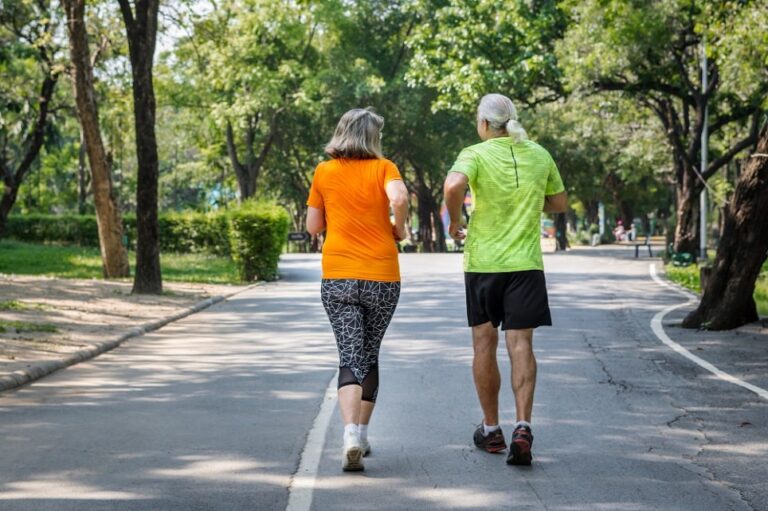
Aging is an inevitable and beautiful process, but it often brings with it unique challenges to maintaining an active lifestyle. For seniors, the commitment to regular physical activity is not just about aesthetics or general fitness; it is a critical determinant of health span, independence, cognitive function, and quality of life. Yet, a significant portion of the older adult population struggles to initiate or sustain an exercise routine. The journey toward active aging requires a shift in perspective, moving from viewing exercise as a chore to recognizing it as a fundamental component of longevity and well-being.
The core challenge lies not in the physical act of exercise itself, but in the psychological and logistical barriers that sap motivation. Successfully boosting exercise motivation in seniors involves implementing expert strategies that address these specific hurdles. These strategies must be comprehensive, personalized, and focused on creating deep, intrinsic desire rather than relying on temporary external pressures. This guide provides a detailed framework for understanding the unique motivational landscape of older adults and developing a robust, sustainable fitness program for lifelong health.
The goal is to move beyond simple tips and offer a holistic, evidence-based roadmap. We will explore everything from psychological techniques for overcoming fear of injury to practical methods for integrating joyful movement into daily routines, ensuring that the commitment to physical health becomes an effortless and rewarding habit.
Understanding the Unique Motivational Barriers for Seniors
Motivation is complex, but for seniors, it is often intertwined with physical limitations, societal perceptions, and changes in social structure. Recognizing these specific barriers is the first step toward dismantling them and establishing a sustainable routine. Many older adults face an invisible wall of inertia built from years of slowing down, which can feel insurmountable.
Overcoming Fear of Injury and Pain
One of the most significant psychological deterrents to exercise in seniors is the pervasive fear of falling or sustaining an injury. As bones become less dense and recovery times lengthen, this concern is rational and requires careful management. A minor slip or strain can lead to significant setbacks, hospitalization, or a loss of independence, making the perceived risk high.
To overcome this, the focus must shift entirely from high-impact activities to low-impact, functional fitness. Initial programs should be supervised and centered on balance, flexibility, and gentle strength training. Using resistance bands, water aerobics, and chair-based exercises provides the benefits of muscle activation and cardiovascular health without undue stress on joints. The immediate goal is to prove to the senior that controlled, purposeful movement is the safest path to injury prevention, not avoidance. By building foundational stability, confidence rises, and the perceived risk diminishes.
Addressing Social Isolation and Lack of Accountability
Retirement, the loss of a spouse, or geographic distance from family can lead to social isolation, which directly impacts motivation. When there is no one to exercise with, or no one expecting a presence at a class, the incentive to stay home is powerful. Lack of accountability is a silent motivation killer, especially in the absence of a structured work schedule.
The solution lies in transforming exercise into a social engagement event. Group classes tailored for seniors, like Tai Chi, senior yoga, or walking clubs, offer a dual benefit: physical activity and peer connection. The social commitment becomes the primary motivator, with the exercise being the enjoyable side effect. Furthermore, utilizing tools like a “fitness buddy,” whether a peer or a family member, creates a formal system of accountability that makes skipping a session feel like letting someone else down, which is often a stronger motivation than personal health goals alone.
The Role of Cognitive Changes in Routine Adherence
Changes in cognitive function, including mild forgetfulness or difficulty with new routines, can sabotage even the best intentions. A complex exercise plan that requires memorizing multiple steps or sequence changes can be frustrating and lead to abandonment. Consistency is key, but cognitive barriers make consistency difficult to maintain.
A successful program must be simple, repeatable, and visually cue-driven. This involves establishing a fixed time and location for exercise (e.g., “The 9 AM stretch session in the living room”). The use of visual aids, such as written schedules or large-print exercise guides posted in the exercise area, can significantly improve adherence. Furthermore, incorporating activities that stimulate both body and mind, such as dance or complex movement patterns, can turn the routine into a cognitive challenge, thus providing dual benefits and increased engagement.
Foundational Strategies for Establishing a Fitness Routine
An effective exercise regimen for seniors is not something to jump into; it is a meticulously planned structure built upon individual needs and medical realities. The foundation must be sturdy, flexible, and fully endorsed by medical professionals to ensure safety and long-term commitment. Without a solid starting point, any sudden surge of motivation will quickly fade.
The Importance of Physician Consultation and Personalized Planning
Before any significant physical activity begins, a comprehensive consultation with a primary care physician is non-negotiable. This ensures that the exercise plan takes into account all pre-existing conditions—such as arthritis, heart issues, diabetes, or balance disorders—and any medication interactions. A physician can advise on safe heart rate limits, specific movements to avoid, and essential precautions to take.
The resulting exercise plan must be personalized, moving away from generic advice. An effective plan should specify: the frequency (e.g., 3-5 times per week), the duration (e.g., 30-60 minutes total, potentially broken into 10-minute bouts), the type of exercise (e.g., aerobic, strength, balance), and the intensity. This level of detail removes ambiguity and provides a clear, medically-vetted path forward, dramatically increasing both safety and confidence.
Goal Setting: From Incremental Achievements to Long-Term Vision
Unrealistic or distant goals are demotivating. For seniors, the most effective goal-setting method involves establishing a ladder of Small, Measurable, Achievable, Relevant, and Time-bound (SMART) goals. The initial goal should be highly achievable, generating immediate success and a boost in self-efficacy. This is the positive reinforcement needed to fuel the next step.
For example, instead of aiming to “walk a mile,” the first goal might be to “walk to the mailbox and back every day for one week.” Once that is accomplished, the next step is “walk around the block twice.” Each small victory reinforces the belief that the senior is capable of physical improvement. The long-term vision, such as “remaining independent to live at home,” then becomes the powerful, underlying motivation that these small, daily actions serve.
Integrating Exercise into Daily Life (The “Habit Stacking” Approach)
One of the simplest yet most powerful motivational tools is the concept of “habit stacking,” which involves pairing a new exercise behavior with an existing, firmly established habit. Instead of creating a separate time slot for exercise, which requires conscious effort, the exercise becomes an automatic add-on to an existing daily routine.
Examples of effective habit stacking include: “After I drink my morning coffee, I will perform 10 minutes of stretching,” or “When the commercial break comes on during my favorite evening show, I will do 20 repetitions of chair squats.” This strategy bypasses the motivational struggle by making the activity automatic and integrating it seamlessly into the flow of the day, making it far more likely to stick over the long term. This subtle shift transforms effortful ‘exercise’ into habitual ‘movement.’
Tapping into Intrinsic Motivation and Joyful Movement
While external motivators—like a doctor’s recommendation or a friend’s encouragement—can start a routine, only intrinsic motivation—the deep, personal satisfaction derived from the activity itself—can sustain it indefinitely. Seniors are often driven by purpose, autonomy, and mastery, and a successful fitness plan should appeal to these innate drives.
Discovering Purposeful Activities
Many seniors resist traditional “workout” settings because they feel unnatural or pointless. Shifting the focus from abstract fitness to functional movement tied to personal goals is highly effective. If a senior’s goal is to play with grandchildren without getting tired, the exercise should directly simulate the necessary movements: getting up and down off the floor, kneeling, or carrying light weights. If the goal is to travel, the exercise should focus on endurance for long walks or strength for lifting luggage.
Activities that serve a secondary, tangible purpose are also powerful motivators. Gardening, for example, involves squatting, bending, lifting, and walking—all excellent forms of exercise—but the motivation is the beautiful garden, not the workout. Similarly, volunteering that requires movement, such as walking a shelter dog, provides both social and physical benefits driven by a sense of contribution.
The Power of Social Fitness: Group Classes and Peer Support
Human beings thrive on connection, and group fitness classes specifically designed for seniors provide a community that fosters motivation. These environments offer a safe, structured space where individuals feel understood and supported by peers facing similar challenges. The social benefits often outweigh the physical effort required.
The key elements of a successful social fitness environment include:
- Peer Role Models: Seeing other seniors successfully performing exercises acts as powerful, tangible proof that the activity is achievable and safe. This diminishes the fear factor and increases self-belief.
- Trained Instructors: Having instructors who specialize in senior fitness ensures that movements are adapted for different mobility levels, preventing injury and building trust in the safety of the program.
- Shared Experience: Group activities, especially those involving light competition or team-based goals, create a feeling of camaraderie. This collective momentum makes it harder to skip a session.
- Accountability System: The simple act of knowing others will notice an absence is a significant motivator. Punctuality becomes a social obligation as much as a health commitment, securing long-term adherence.
- Celebration of Milestones: A supportive community environment encourages the celebration of small wins—completing a full set, improving balance, or simply showing up consistently—which feeds into intrinsic reward systems.
- Low-Pressure Environment: The focus in these classes should always be on effort and enjoyment, not perfection or high performance, ensuring everyone feels comfortable regardless of their fitness starting point.
- Variety and Fun: Introducing different activities like Zumba Gold, dance-based workouts, or adapted sports keeps the routine fresh, combating the monotony that often leads to drop-out.
- Post-Activity Socialization: Activities like coffee or lunch after the exercise class solidify the social bond, making the entire event a weekly highlight rather than just a workout.
Incorporating Music and Play into Workouts
Physical activity does not always have to be a grim, effortful grind. For many seniors, accessing memories and emotions through music can be an exceptionally strong motivational lever. Moving to music, particularly songs from their younger years, transforms exercise into a joyful, nostalgic experience.
Dance-based exercises, even simple, seated movements performed to a beloved soundtrack, activate different parts of the brain and body simultaneously. This increases engagement, improves coordination, and, most importantly, makes the time fly by. Introducing elements of “play,” such as using balloons or light objects for movement drills, or turning stretching into a collaborative game, reduces the perceived effort and increases the likelihood of voluntary participation. The goal is to reconnect the senior with the innate human desire for joyful, unconstrained movement.
Practical Techniques for Sustained Adherence
Motivation is fleeting, but habits endure. To ensure long-term adherence, seniors need practical, low-friction methods that automate the exercise process and provide continuous, manageable feedback on their progress. Technology, when used correctly, can be a powerful ally in this endeavor.
Utilizing Technology for Tracking and Engagement
While many seniors are not digital natives, modern health technology has become intuitive enough to be extremely beneficial. Wearable devices and user-friendly apps can transform abstract fitness goals into concrete, trackable achievements, appealing to the desire for mastery and self-monitoring. The data provides a tangible record of effort and progress, which is highly motivating.
Detailed methods for incorporating technology include:
- Wearable Fitness Trackers: Simple smartwatches or wristbands can track steps, sleep quality, and heart rate. The data, presented clearly, can be used to set daily step goals (e.g., aim for 5,000 steps) and monitor the effectiveness of their routine. The visual progress bar on a screen serves as an excellent, non-judgmental motivator.
- Health and Exercise Apps: Apps that offer guided, low-impact workouts specifically for seniors (e.g., seated yoga, guided meditations, balance exercises) eliminate the barrier of knowing “what to do.” They often include voice instructions and video demonstrations, simplifying the execution.
- Video Conferencing Fitness: For seniors who are home-bound or live far from a gym, platforms like Zoom or FaceTime can be used for virtual training sessions with a physical therapist or for participating in live online group classes. This maintains the crucial accountability factor from a distance.
- Digital Reminders and Scheduling: Setting up recurring alerts on a phone or smart speaker to cue the start of exercise sessions (e.g., “It’s 10 AM, time for your stretching routine”) automates the process, removing the need for the senior to constantly remember the schedule.
- Health Record Integration: Using portals or apps that allow seniors to share their activity data with their physician or caregiver provides a sense of external validation and care, reinforcing the importance of the effort.
- Gamified Fitness: Some platforms turn walking or movement into a game by allowing users to virtually explore scenic locations or participate in friendly step challenges with family members or friends. This adds a layer of fun and competition.
- Accessibility Features: Utilizing technology that offers large-text displays, high-contrast settings, and voice control ensures that the tools are not a source of frustration but a source of assistance.
- Emergency Monitoring: Certain smart devices now include fall detection features, which provide an essential safety net. Knowing that help can be automatically summoned reduces the anxiety associated with moving around and experimenting with new activities.
The 10-Minute Rule: Lowering the Barrier to Entry
Perceived effort is a major obstacle. A senior might look at a one-hour workout and feel overwhelmed before starting. The “10-Minute Rule” is a powerful psychological hack that leverages the concept of minimal effective dose and momentum. The rule is simple: commit only to a 10-minute session.
The goal is to get started, not necessarily to complete the entire workout. Once a person is 10 minutes into an activity, the inertia has been overcome, and they are overwhelmingly more likely to continue for 20, 30, or even 60 minutes. If they truly stop after 10 minutes, they have still achieved a meaningful, short burst of activity that contributes to overall health. This technique is successful because it makes the commitment feel trivial, lowering the psychological barrier to entry to almost zero.
Creating an Environmentally Supportive Space
The physical environment plays a subtle but critical role in motivation. A successful routine requires a space that is safe, convenient, and inviting. For seniors, this often means creating a designated, clutter-free area in the home that is specifically for movement, eliminating the need to constantly move furniture or set up equipment.
The space should be well-lit, have sturdy, non-slip flooring, and contain minimal, highly accessible equipment, such as comfortable chairs for supported exercises, lightweight dumbbells, resistance bands, and a yoga mat. Positioning the exercise space near a window or a pleasant view can also enhance the experience. The principle is simple: if the environment makes exercise easy and pleasant, motivation is preserved; if it introduces friction or hassle, motivation is quickly lost.
Diet, Recovery, and the Holistic View of Active Aging
Exercise motivation is not purely an exercise problem; it is a holistic health issue. The fuel and recovery a senior receives directly impact their energy levels, joint comfort, and psychological readiness to move. Ignoring nutrition and rest is a common pitfall that sabotages even the most well-intentioned fitness plans.
Fueling the Body: Nutrition’s Role in Energy and Recovery
A senior who is chronically low on energy or suffering from inflammation will naturally lack the motivation to exercise. Diet plays a pivotal role in active aging. Proper nutrition must focus on maintaining lean muscle mass (sarcopenia prevention) and reducing systemic inflammation.
Key nutritional components that support exercise motivation and recovery include:
- Protein Intake: Essential for muscle repair and synthesis. Seniors often require a higher relative intake of protein than younger adults. Sources like lean meats, fish, eggs, and dairy should be consumed consistently throughout the day to support muscle health and recovery from exercise.
- Hydration: Thirst perception diminishes with age, leading to chronic dehydration, which causes fatigue, cramps, and dizziness. Maintaining adequate water intake is crucial for energy levels, joint lubrication, and circulatory function, making exercise feel less taxing.
- Anti-Inflammatory Foods: A diet rich in Omega-3 fatty acids (found in fatty fish, flaxseed, and walnuts) and antioxidants (found in berries and colorful vegetables) can reduce joint pain and muscle soreness. This makes the post-exercise recovery faster and less daunting.
Prioritizing Sleep and Rest for Optimal Performance
The restorative phase of physical activity happens during rest. Poor sleep quality or insufficient rest days can negate the benefits of a workout and severely dampen the motivation to start the next one. A tired body is inherently less motivated and more prone to injury.
Seniors must prioritize 7–9 hours of quality sleep per night. This includes maintaining a strict sleep schedule, ensuring the bedroom is dark and cool, and avoiding large meals or excessive liquids close to bedtime. Furthermore, incorporating planned rest days or active recovery days (e.g., gentle stretching, light walking) into the weekly routine prevents overtraining, burnout, and helps to reinforce that rest is a productive part of the fitness journey, not a sign of failure.
Mindfulness and Mental Resilience
Mental state is inextricably linked to physical motivation. Chronic stress, anxiety, or depression common in older adults can completely drain the will to exercise. Therefore, motivational strategies must include mental resilience building. Mindfulness practices, such as meditation or deep breathing exercises, can reduce cortisol levels, improve mood, and enhance the focus needed to maintain a routine.
Furthermore, reframing negative self-talk—the inner voice that says, “I’m too old for this,” or “This hurts too much”—is vital. Encouraging seniors to focus on what their bodies can do, rather than what they cannot, fosters a sense of gratitude and self-efficacy. This mental shift from deficit thinking to abundance thinking transforms the daily struggle into a proactive commitment to self-care.
Pro Tips for Lifelong Senior Fitness Success
Moving beyond the standard advice, these expert tips address common psychological and physical bottlenecks, providing actionable insights for maintaining a vibrant, active lifestyle well into the later years.
The “Five-Minute Barrier” Principle
While the 10-Minute Rule gets you started, the “Five-Minute Barrier” addresses drop-out. This principle dictates that if you are feeling bored, tired, or unmotivated five minutes into an activity, you should change it entirely. This acknowledges that forcing oneself through a disliked activity is a direct path to routine abandonment. Instead of abandoning exercise completely, switch to a lower-intensity, completely different activity—like switching from strength training to a leisurely walk or chair stretching. This preserves the habit of moving while honoring the body’s or mind’s current state, teaching the senior to listen to their body and maintain autonomy.
The Grand-Challenge-Mini-Goal Strategy
Create one grand challenge for the year, such as being fit enough to attend a wedding overseas, walk a local 5k charity event, or hike a specific local trail. Break this single grand challenge down into twelve monthly mini-goals (e.g., this month: increase walking distance by 10%; next month: master three new balance exercises). This strategy provides a clear, highly motivating endpoint while ensuring there is a steady stream of achievable, short-term successes, preventing the motivation gap that often occurs when the end goal is too far in the future.
Implementing a “Fitness Failsafe” Kit
Create a physical or digital kit designed for days when motivation is absolutely zero. This kit should contain things that require almost no mental effort: a pre-set playlist of highly energetic or favorite nostalgic music, a 5-minute pre-recorded “no-effort” routine, or a “permission slip” to simply walk out the door for a 5-minute sun break. The point is to make the “no-effort” option a movement-based activity, ensuring the streak of activity continues even in the face of psychological resistance.
Focus on Functional Indicators, Not Scale Numbers
Shift the measure of success from weight loss or arbitrary strength metrics to functional independence indicators. Track progress by recording tangible improvements in daily life: “I can now open that pickle jar myself,” “I climbed a full flight of stairs without stopping,” or “I got up off the sofa easily without pushing with my hands.” These real-world victories are far more meaningful and intrinsically motivating to seniors than vanity metrics, as they directly relate to autonomy and quality of life.
Frequently Asked Questions (FAQ) on Senior Exercise Motivation
Q1: Is it ever too late to start exercising in my 70s or 80s?
A: Absolutely not. The body retains the capacity to respond positively to exercise well into the later decades of life. Studies have consistently shown that strength training, even in people over 90, can significantly improve muscle strength, bone density, and balance. The benefits, particularly in terms of reducing the risk of falls and increasing functional independence, begin almost immediately upon starting a safe, tailored routine. The key is to start extremely conservatively—focusing first on stability and very light resistance—and to seek clearance from a medical professional before beginning.
Q2: How should I handle days when I feel extreme joint pain or stiffness?
A: On days of moderate pain or stiffness, the best approach is to shift to active recovery or cross-training. This means replacing a planned high-effort session with low-impact movements like gentle swimming, a slow, sustained walk, or seated stretching/yoga. Complete rest can sometimes make stiffness worse. However, if the pain is sharp, radiating, or severely debilitating, it is crucial to stop the activity immediately and consult a doctor to rule out an injury. It is important to distinguish between mild discomfort and potentially harmful pain.
Q3: What if I lose motivation after a long holiday or illness break?
A: A setback is a natural part of any long-term health journey. The most important strategy is to re-engage immediately without guilt. Do not try to make up for lost time by performing an overly intense workout, as this can lead to injury and reinforce a negative cycle. Instead, revert to the “10-Minute Rule” or the easiest, most enjoyable activity you can think of. Aim for consistency, not intensity. The goal is to successfully complete one session and rebuild the habit from the foundation upward. A short walk is infinitely better than an hour of perfect exercise that never happens.
Q4: How important is accountability from family members or caregivers?
A: Accountability is a cornerstone of sustained motivation for many seniors. While the ultimate motivation should be internal, external accountability acts as a powerful safeguard against inertia. Family members or caregivers can help by making the activity a shared event (walking together), providing positive reinforcement, or simply ensuring the exercise time slot is protected from other commitments. They should focus on encouragement and positive language, avoiding shaming or demanding adherence. The most effective accountability is one that supports the senior’s autonomy and choice.
Conclusion
Boosting exercise motivation in seniors is a multi-faceted process that requires a strategic approach beyond simple encouragement. It involves understanding and addressing unique psychological barriers—such as the fear of injury and social isolation—and implementing practical strategies for routine adherence. The most successful approach transforms exercise from a burdensome obligation into a deeply satisfying, functional, and socially engaging part of daily life. By focusing on personalized plans, leveraging technology for accountability, using habit stacking to reduce friction, and prioritizing holistic health through diet and rest, seniors can unlock the intrinsic desire for movement. The journey of active aging is one of continuous, small successes, leading not just to better physical health, but to a profound sense of self-efficacy, prolonged independence, and a substantially enriched quality of life.