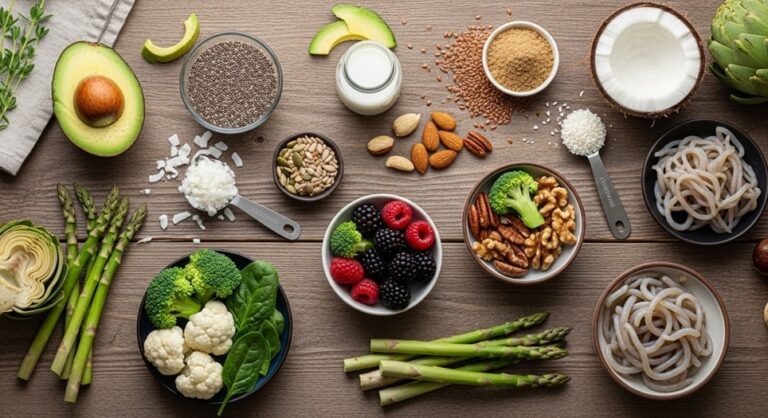
Understanding the unique nutritional requirements of women at different life stages is fundamental to maintaining optimal health and preventing chronic diseases. Women face distinct health challenges throughout their lives, from reproductive years through menopause and beyond, making proper nutrition more critical than ever. Heart disease remains the leading cause of death among women, claiming nearly 300,000 lives annually, while osteoporosis affects more than half of women over 50. These statistics underscore the importance of building a foundation of healthy eating habits centered around nutrient-dense whole foods.
The landscape of nutrition guidance has undergone a significant transformation in recent years. The 2025-2030 Dietary Guidelines for Americans, released in January 2026, marked a historic shift in federal nutrition policy by emphasizing whole, minimally processed foods over refined carbohydrates and artificial additives. This new approach prioritizes high-quality protein, healthy fats, vegetables, fruits, and whole grains while dramatically reducing consumption of highly processed foods. For women specifically, this means focusing on foods rich in calcium, iron, folate, vitamin D, and other essential nutrients that support bone health, reproductive function, and overall wellness.
Research consistently demonstrates that women have heightened nutritional vulnerabilities due to increased micronutrient needs per calorie during certain life phases. Women of reproductive age, pregnant and lactating mothers, and postmenopausal women face biological challenges that make adequate nutrition especially important. According to data from the Office of Dietary Supplements, between 50 and 75 percent of women fall short on key nutrients including iron, vitamin D, calcium, folate, magnesium, and vitamin B12. This widespread deficiency problem can be addressed through strategic food choices that deliver maximum nutritional value.
Understanding Women’s Unique Nutritional Needs
The female body requires specific nutrients in varying amounts throughout different life stages. On average, adult women need between 1,600 and 2,400 calories daily, which is typically lower than men due to naturally having less muscle mass and more body fat. However, this doesn’t mean nutritional needs are less important. Women actually require higher concentrations of certain vitamins and minerals to support reproductive health, bone density, and hormonal balance. The key is choosing foods that provide the highest nutrient density per calorie consumed.
Calcium needs are particularly critical for women, with requirements increasing from 1,000 milligrams daily for adults aged 19 to 50, up to 1,200 milligrams for women over 50 and everyone over 70. This mineral is essential not only for building and maintaining strong bones but also for proper functioning of the heart, muscles, and nervous system. Declining estrogen levels after menopause increase the risk of osteoporosis, making adequate calcium intake through diet and potentially supplementation even more vital during this life stage.
Iron represents another crucial nutrient for women, especially those of reproductive age who lose blood during monthly menstruation. Women need approximately 18 milligrams of iron daily before menopause, dropping to 8 milligrams after menopause when monthly periods cease. Iron deficiency can lead to anemia, causing persistent fatigue, weakness, and dizziness that significantly impacts quality of life. The challenge with iron is that plant-based sources are less readily absorbed than animal sources, requiring strategic pairing with vitamin C-rich foods to enhance absorption.
Top Nutrient-Dense Whole Foods for Women’s Health
Building a diet around specific powerhouse foods can help women meet their nutritional requirements while supporting long-term health goals. These foods have been identified through extensive research as providing exceptional nutritional value and protective benefits against common health conditions affecting women. The following foods deserve regular inclusion in every woman’s meal planning strategy.
Leafy Green Vegetables stand at the forefront of women’s nutrition for compelling reasons. Spinach, kale, Swiss chard, collard greens, and romaine lettuce are loaded with vitamin K, which helps protect bones from osteoporosis and prevents inflammatory diseases. These vegetables are also high in antioxidants that may rank among the best cancer-preventing foods while decreasing heart disease risk. One remarkable benefit of leafy greens is their ability to add substantial volume to meals without contributing many calories or carbohydrates, helping women feel satisfied while maintaining a healthy body weight. Studies have shown that consuming just a half-cup of kale juice daily can increase beneficial HDL cholesterol by 27 percent while lowering harmful LDL cholesterol within 12 weeks.
Fatty Fish Rich in Omega-3s provide critical support for women’s health, particularly as they age and face increased cardiovascular disease risk. Salmon, sardines, mackerel, and other cold-water fish high in omega-3 fatty acids help fight inflammation throughout the body and may help prevent heart disease while slowing cognitive decline. Sardines deserve special mention as an inexpensive and convenient way to obtain fish oil, vitamin D, and calcium simultaneously. Just one can of bone-in sardines provides 125 percent of daily vitamin D needs, 35 percent of calcium requirements, and 88 percent of daily selenium needs. For pregnant and breastfeeding women, these fish contain lower mercury levels than larger species, making them safer choices during these critical periods.
Legumes and Beans represent nutritional powerhouses that many women overlook despite their remarkable health benefits. Red kidney beans, lentils, chickpeas, and black beans are high in protein, antioxidants, folate, and fiber. One cooked cup can deliver up to 17 grams of fiber and substantial amounts of key nutrients that women commonly lack, including calcium, potassium, and magnesium. Research links regular bean consumption to reduced risk of heart disease, type 2 diabetes, high blood pressure, and both breast and colon cancers. Beans also contain resistant starch, which boosts the body’s ability to burn fat while helping regulate blood sugar levels. Most women fail to meet the recommended 25 grams of fiber daily, making beans an essential addition to support digestive health and overall wellness.
Calcium and Bone-Supporting Foods
Building and maintaining strong bones requires more than just calcium alone. A combination of nutrients working synergistically supports optimal bone health throughout a woman’s life. The following foods provide not only calcium but also complementary nutrients that enhance calcium absorption and utilization in the body.
Dairy and Fortified Alternatives remain among the most efficient ways to meet calcium needs. Low-fat or fat-free yogurt, milk, and cheese provide readily absorbable calcium along with protein and other essential nutrients. Greek yogurt stands out for its exceptionally high protein content, providing one-third of daily protein needs in a single serving while also being rich in probiotics that support digestive health. One serving of yogurt supplies nearly one-quarter of a woman’s daily calcium needs. For those who avoid dairy products, fortified plant-based alternatives like almond milk, soy milk, and oat milk can provide comparable calcium levels, though it’s important to check labels as calcium content varies significantly among brands and products.
Dark Leafy Greens serve double duty by providing both calcium and vitamin K, which work together to maintain bone density. Collard greens, kale, and bok choy contain significant calcium amounts, with one cup of cooked spinach providing 245 milligrams. However, some greens like spinach also contain oxalates that can interfere with calcium absorption, so variety remains important. These vegetables also deliver magnesium and vitamin C, which play supporting roles in bone metabolism and collagen formation necessary for bone strength.
Fortified Foods and Sardines offer concentrated calcium sources that easily fit into varied eating patterns. Sardines with bones intact provide approximately 325 milligrams of calcium per 3-ounce serving, along with vitamin D and omega-3 fatty acids. Fortified tofu, depending on preparation method, can contain 200 to 400 milligrams of calcium per half-cup serving. Many breakfast cereals and orange juice products are fortified with calcium and vitamin D, making them convenient options for boosting intake, particularly for women who struggle to meet requirements through whole foods alone.
Iron-Rich Foods for Energy and Vitality
Iron deficiency remains one of the most common nutritional deficiencies affecting women worldwide, with profound impacts on energy levels, cognitive function, and overall vitality. Understanding the different forms of dietary iron and how to maximize absorption can help women maintain adequate iron status throughout their reproductive years and beyond.
Lean Red Meat and Poultry provide heme iron, which is significantly more bioavailable than plant-based non-heme iron. Beef and lamb also rank as two of the best food sources of vitamin B12, which works closely with iron to prevent anemia. Lean beef serves as one of the most efficiently absorbed sources of iron available, with studies showing that adding as little as one ounce of beef daily can substantially improve the body’s ability to absorb iron from other dietary sources. For women who eat meat, incorporating moderate amounts of lean beef or lamb liver provides exceptional concentrations of iron, vitamin A, folate, and other nutrients critical for women’s health.
Plant-Based Iron Sources require more strategic consumption but can effectively support iron status when combined properly with absorption enhancers. Lentils, white beans, kidney beans, chickpeas, and soybeans all contain substantial iron amounts. Spinach, Swiss chard, and other dark leafy greens provide iron along with numerous other beneficial compounds. Iron-fortified cereals and breads can contribute significant amounts to daily intake. The key to maximizing iron absorption from plant foods involves pairing them with vitamin C-rich foods like citrus fruits, strawberries, bell peppers, tomatoes, or broccoli. Research demonstrates that consuming just 25 milligrams of vitamin C with a meal can triple iron absorption from plant sources.
Seeds and Nuts contribute meaningful iron amounts while also providing healthy fats, protein, and other essential minerals. Pumpkin seeds, sesame seeds, hemp seeds, and cashews all contain iron in varying amounts. A quarter-cup of pumpkin seeds provides approximately 2.5 milligrams of iron along with magnesium, zinc, and other nutrients. These foods make excellent snacks or additions to salads, yogurt, and baked goods, helping women incrementally increase their iron intake throughout the day.
Folate and Reproductive Health Foods
Folate, also known as vitamin B9, plays an indispensable role in cell division, red blood cell formation, and DNA synthesis. For women of childbearing age, adequate folate intake is crucial for preventing neural tube defects in developing fetuses, making it important even before pregnancy occurs since neural tube development happens during the first few weeks of pregnancy, often before a woman knows she is pregnant. All women who might become pregnant need 400 to 800 micrograms of folic acid daily from supplements or fortified foods, in addition to folate obtained from a varied diet.
Leafy Greens and Vegetables provide abundant natural folate. Spinach, asparagus, brussels sprouts, broccoli, and avocados all contain significant amounts. One cup of cooked spinach provides approximately 263 micrograms of folate, while a half-cup of asparagus delivers about 134 micrograms. These whole food sources come packaged with fiber, antioxidants, and numerous other beneficial compounds that work synergistically to support overall health. Dark green leafy vegetables consistently emerge as nutritional superstars across multiple nutrient categories, making them indispensable components of women’s diets.
Legumes and Fortified Grains serve as excellent folate sources that easily integrate into diverse meal patterns. Lentils lead the pack with approximately 358 micrograms of folate per cooked cup, while chickpeas, black beans, and kidney beans also provide substantial amounts. Since the late 1990s, many grain products including bread, pasta, rice, and cereals have been fortified with folic acid, the synthetic form of folate. A serving of fortified breakfast cereal can contain the entire recommended daily amount of folic acid, though it’s beneficial to obtain folate from various sources rather than relying on a single fortified product.
Citrus Fruits and Tropical Fruits contribute both folate and vitamin C, which supports iron absorption and immune function. Oranges, papayas, strawberries, and melons all provide folate in varying amounts. One large orange contains approximately 55 micrograms of folate, while papaya provides both folate and lycopene, a compound thought to lower breast and cervical cancer risk. The combination of vitamins and antioxidants in these colorful fruits makes them valuable additions to women’s daily eating patterns.
Foods Rich in Vitamin D and Calcium Helper Nutrients
Vitamin D functions as a crucial partner to calcium, enabling the body to absorb and utilize this essential mineral effectively. Without adequate vitamin D, calcium absorption drops significantly, potentially leading to bone loss despite adequate calcium intake. Many women worldwide experience vitamin D insufficiency, partly because the skin’s ability to synthesize vitamin D from sunlight exposure declines with age. Dietary sources become increasingly important, though they remain limited and often insufficient to meet daily needs without supplementation.
Fatty Fish and Fish Liver Oils rank as the most concentrated natural sources of vitamin D in the diet. Salmon, sardines, mackerel, and tuna all provide substantial amounts, with a 3-ounce serving of cooked salmon delivering approximately 570 international units of vitamin D. Cod liver oil remains one of the most potent sources, though its strong taste makes it unappealing to many people. Regular consumption of fatty fish two to three times weekly can significantly contribute to vitamin D status while simultaneously providing omega-3 fatty acids that support cardiovascular and cognitive health.
Fortified Foods and Egg Yolks help bridge the gap between dietary vitamin D and requirements. Most milk in many countries is fortified with vitamin D, providing approximately 100 international units per cup. Many plant-based milk alternatives, orange juice, and yogurt products are similarly fortified, though checking labels remains essential since fortification is voluntary for many products. Egg yolks contain modest amounts of vitamin D, with one large egg providing about 44 international units. While not exceptionally high, eggs also deliver protein, iron, and numerous other nutrients that benefit women’s health.
Mushrooms Exposed to UV Light represent one of the few plant sources capable of providing vitamin D. Certain mushrooms, particularly those exposed to ultraviolet light during or after harvest, can contain substantial vitamin D amounts. Commercially produced UV-exposed mushrooms can provide several hundred international units per serving. Additionally, mushrooms contain numerous beneficial compounds including antioxidants, B vitamins, and minerals that support immune function and overall wellness.
Strategic Food Combinations for Maximum Nutrient Absorption
Understanding how nutrients interact within the digestive system enables women to optimize absorption and utilization of key vitamins and minerals. Certain nutrient combinations work synergistically, enhancing each other’s bioavailability, while others can compete for absorption or interfere with uptake. Strategic meal planning that considers these interactions can substantially improve nutritional status without requiring increased food intake.
The relationship between iron and vitamin C exemplifies beneficial nutrient pairing. Non-heme iron from plant sources is absorbed at much lower rates than heme iron from animal products, typically only 2 to 20 percent depending on various factors. However, consuming vitamin C alongside iron-rich plant foods can increase absorption two to threefold. Practical applications include adding strawberries to iron-fortified oatmeal, including tomatoes in bean dishes, or drinking orange juice with spinach salad. This pairing proves especially important for vegetarian and vegan women who rely exclusively on plant-based iron sources.
Fat-soluble vitamins including A, D, E, and K require dietary fat for optimal absorption. Women consuming very low-fat diets may absorb these vitamins poorly despite adequate intake. Including healthy fats from sources like avocados, nuts, seeds, olive oil, or fatty fish with meals containing these vitamins ensures efficient absorption. For example, adding sliced avocado to a salad containing spinach and carrots enhances absorption of vitamins K, A, and E from the vegetables. Similarly, consuming vitamin D-fortified foods with a source of healthy fat improves vitamin D absorption.
Calcium and iron absorption can interfere with each other when consumed simultaneously in large amounts. For women taking supplements of both nutrients, separating doses by several hours optimizes absorption of each. This same principle applies to food combinations. While it’s not necessary to avoid eating calcium-rich and iron-rich foods in the same meal entirely, women with diagnosed iron deficiency might benefit from timing their highest-iron meal away from their highest-calcium consumption, particularly if taking iron supplements.
Practical Meal Planning Strategies for Busy Women
Translating nutritional knowledge into practical daily eating patterns remains challenging for many women juggling multiple responsibilities. Time constraints, budget limitations, and family preferences often compete with health goals. However, several evidence-based strategies can simplify healthy eating while ensuring adequate nutrient intake without requiring extensive meal preparation time or culinary expertise.
Batch cooking and strategic food preparation during less busy periods can dramatically reduce daily cooking time while ensuring nutritious meals remain available. Preparing large quantities of beans, whole grains, and roasted vegetables during weekends provides building blocks for quick weekday meals. Cooked quinoa, brown rice, or farro can be refrigerated for several days and quickly reheated with added vegetables and protein. Similarly, a large batch of vegetable soup or chili containing beans provides multiple nutritious meals with minimal additional effort throughout the week.
Keeping a well-stocked pantry with shelf-stable nutrient-dense foods ensures healthy options remain available even when fresh food shopping becomes difficult. Canned beans, tomatoes, and fish provide convenient protein and nutrient sources. Frozen vegetables and fruits retain nutritional value comparable to fresh produce while offering longer storage life and pre-cut convenience. Nuts, seeds, dried fruit, and whole grain crackers make nutritious snacks requiring no preparation. Fortified foods like breakfast cereals, while not as ideal as whole foods, can help fill nutritional gaps during particularly busy periods.
Simplifying meals by focusing on three-component plates reduces decision-making while ensuring balanced nutrition. Combining a protein source (fish, poultry, beans, tofu), a whole grain or starchy vegetable (quinoa, sweet potato, whole grain bread), and non-starchy vegetables (salad, roasted broccoli, sautéed greens) creates nutritionally complete meals without complex recipes. This formula works for nearly any cuisine and can be adapted based on available ingredients and personal preferences. Adding a small amount of healthy fat from olive oil, avocado, or nuts completes the nutritional profile.
Foods Supporting Hormonal Balance Throughout Life Stages
Women experience significant hormonal fluctuations throughout their lives, from puberty through reproductive years, pregnancy, perimenopause, and postmenopause. Diet plays a crucial role in supporting hormonal balance and mitigating symptoms associated with these transitions. Certain foods contain compounds that may help regulate hormone levels or provide nutrients necessary for hormone production and metabolism.
Soy Foods and Isoflavones contain plant compounds called isoflavones that can bind to estrogen receptors in the body, potentially providing benefits during periods of hormonal change. Edamame, tofu, tempeh, and unsweetened soy milk provide high-quality plant protein along with these compounds. Research suggests that women who regularly consume whole soy foods experience fewer menopausal symptoms including hot flashes compared to women who avoid soy. Studies also indicate that soy consumption may help prevent bone loss during the postmenopausal period when osteoporosis risk increases significantly. However, it’s important to emphasize whole soy foods rather than processed soy products or high-dose isoflavone supplements.
Flaxseeds and Lignans provide omega-3 fatty acids along with compounds called lignans that may help balance estrogen levels. These small seeds contain both types of essential fatty acids and significant fiber. Ground flaxseed is more digestible than whole seeds, allowing better nutrient absorption. Women can easily incorporate flaxseed by adding ground seeds to smoothies, yogurt, oatmeal, or baked goods. Some research suggests that flaxseed consumption may help reduce breast cancer risk, though more studies are needed to confirm this potential benefit. The omega-3 content also supports cardiovascular and cognitive health while reducing inflammation throughout the body.
Cruciferous Vegetables including broccoli, cauliflower, brussels sprouts, and cabbage contain compounds that support healthy estrogen metabolism. These vegetables provide substantial fiber, vitamins C and K, and numerous beneficial plant compounds. Research indicates that averaging just four weekly servings of cruciferous vegetables reduced the risk of dying from any disease by 26 percent among more than 6,000 people followed for 28 years. Steaming broccoli lightly releases maximum amounts of sulforaphane, the active compound in these vegetables that provides protective benefits. Regular consumption of cruciferous vegetables throughout a woman’s life may help reduce breast cancer risk while supporting overall health.
Antioxidant-Rich Foods for Disease Prevention
Antioxidants neutralize harmful free radicals in the body, reducing oxidative stress that contributes to chronic disease development and accelerated aging. Women benefit from regular consumption of antioxidant-rich foods throughout their lives, with research consistently demonstrating protective effects against cardiovascular disease, cognitive decline, certain cancers, and age-related conditions. The most powerful antioxidant foods come from deeply colored fruits, vegetables, nuts, and certain beverages.
Berries of All Varieties rank among the highest antioxidant foods available. Blueberries, strawberries, raspberries, and blackberries are high in flavonoids, plant compounds that may lower dementia risk. Blueberries specifically contain anthocyanins, antioxidants that give them their distinctive color while providing neuroprotective benefits. Research tracking thousands of women over many years found that participants consuming the most berries had significantly slower rates of cognitive decline compared to women eating the least. Berries also provide fiber, vitamin C, and relatively few calories, making them ideal foods for weight management while supporting brain health. Fresh or frozen berries retain similar nutritional value, providing year-round access to these nutritional powerhouses.
Dark Chocolate and Cocoa contain polyphenols and flavanols, anti-inflammatory compounds that help protect heart health. Beyond cardiovascular benefits, dark chocolate provides magnesium, copper, zinc, and phosphorus important for bone health. The key lies in choosing products with at least 70 percent cocoa content and consuming modest portions, approximately one-quarter ounce daily. The antioxidant content of dark chocolate rivals that of many fruits and vegetables, though its calorie density requires mindful consumption. For women who enjoy a small indulgence, dark chocolate represents a nutritious choice that satisfies sweet cravings while delivering genuine health benefits.
Nuts and Seeds provide antioxidant vitamin E along with healthy fats, protein, and minerals. Almonds, walnuts, sunflower seeds, and hazelnuts all contain substantial vitamin E, which is linked to lower heart disease risk. Walnuts deserve special mention for their exceptionally high omega-3 fatty acid content, the highest among all nuts. A quarter-cup of almonds provides more protein than a whole egg while delivering magnesium that encourages dopamine production, supporting mood regulation and potentially helping prevent depression. While nuts are heart-healthy, they are calorie-dense, making portion control important for women managing their weight.
Frequently Asked Questions
What are the most important vitamins and minerals for women?
The most critical nutrients for women include calcium for bone health, iron to prevent anemia and support energy levels, folate for reproductive health and cell division, vitamin D for calcium absorption and immune function, vitamin B12 for nerve and blood cell health, and magnesium for muscle and nerve function. Women also benefit from adequate omega-3 fatty acids, vitamin C, and vitamin K. Specific requirements vary based on age, life stage, and individual health conditions, with pregnant women, those of reproductive age, and postmenopausal women having heightened needs for certain nutrients.
How can vegetarian and vegan women ensure adequate iron intake?
Plant-based eaters can meet iron needs by consuming iron-rich plant foods including lentils, chickpeas, black beans, tofu, spinach, Swiss chard, quinoa, and iron-fortified cereals regularly. Pairing these foods with vitamin C sources like citrus fruits, tomatoes, bell peppers, or strawberries significantly enhances absorption. Cooking in cast iron cookware adds small amounts of iron to foods, particularly acidic dishes. Women following strict vegan diets should have their iron status monitored regularly and may need supplementation, especially if they have heavy menstrual periods or during pregnancy.
Are there specific foods that help with menopause symptoms?
Certain foods may help alleviate menopausal symptoms. Whole soy foods like edamame, tofu, and tempeh contain isoflavones that may reduce hot flashes and support bone health during this transition. Foods rich in omega-3 fatty acids including fatty fish, flaxseed, and walnuts may help with mood changes and inflammation. Calcium-rich foods become especially important as bone loss accelerates after menopause. Fiber-rich foods including whole grains, vegetables, fruits, and legumes support healthy hormone metabolism and may help regulate estrogen levels naturally.
How much protein do women need daily?
The recommended dietary allowance for protein is 46 grams daily for adult women not pregnant or breastfeeding, though individual needs vary based on activity level, age, and health status. Women exercising regularly, those over 50 experiencing muscle loss, and pregnant or breastfeeding women require more protein. Good sources include lean meats, poultry, fish, eggs, dairy products, legumes, tofu, nuts, and seeds. Spreading protein intake throughout the day optimizes muscle protein synthesis and helps maintain satiety between meals.
Can diet alone provide all necessary nutrients for women?
Most women can obtain adequate nutrients from a well-planned, varied diet rich in whole foods. However, certain populations may benefit from supplementation, including pregnant women requiring prenatal vitamins, those with diagnosed deficiencies, strict vegetarians and vegans who may need B12 and possibly iron supplementation, postmenopausal women who might require extra calcium and vitamin D, and those with medical conditions affecting nutrient absorption. Women should consult healthcare providers before starting supplements, as excessive intake of certain nutrients can be harmful.
What foods support healthy hair, skin, and nails in women?
Protein-rich foods provide amino acids necessary for keratin production, the structural protein in hair, skin, and nails. Biotin from eggs, nuts, and sweet potatoes supports hair and nail growth. Vitamin C from citrus fruits, berries, and bell peppers aids collagen production essential for skin elasticity. Omega-3 fatty acids from fatty fish and flaxseed help maintain skin moisture and reduce inflammation. Iron from lean meats, beans, and fortified cereals prevents hair loss associated with deficiency. Zinc from oysters, beef, pumpkin seeds, and lentils supports skin healing and cellular renewal.
How does fiber benefit women’s health specifically?
Fiber provides numerous benefits particularly important for women. It supports regular bowel movements and digestive health, helps lower LDL cholesterol reducing cardiovascular disease risk, stabilizes blood sugar levels reducing diabetes risk, promotes feelings of fullness supporting healthy weight management, and feeds beneficial gut bacteria essential for immune function and mood regulation. For women specifically, fiber plays a crucial role in hormone regulation by helping clear excess estrogen from the body. Most women consume only half the recommended 25 grams daily, making increased fiber intake from whole grains, fruits, vegetables, legumes, nuts, and seeds a priority.
Conclusion
Building a foundation of optimal health requires women to prioritize nutrient-dense whole foods that address their unique biological needs throughout different life stages. From the iron needed during reproductive years to the calcium and vitamin D crucial for maintaining bone density after menopause, strategic food choices directly impact both immediate wellbeing and long-term disease prevention. The foods highlighted throughout this comprehensive guide represent evidence-based selections proven to support cardiovascular health, bone integrity, hormonal balance, and overall vitality in women of all ages.
The recent shift toward emphasizing real, minimally processed foods in federal nutrition policy reinforces what nutrition science has demonstrated for decades. Women who build their diets around leafy green vegetables, fatty fish rich in omega-3s, legumes, dairy or fortified alternatives, lean proteins, whole grains, nuts, seeds, and colorful fruits create eating patterns that naturally provide the vitamins, minerals, antioxidants, and beneficial compounds their bodies require. These whole food choices deliver far more than isolated nutrients, providing fiber, phytochemicals, and other bioactive compounds that work synergistically to promote health in ways that supplements cannot replicate.
Implementation remains the critical step in translating nutritional knowledge into lasting health benefits. Women juggling careers, family responsibilities, and personal goals need practical strategies that fit into real-world constraints. Batch cooking, maintaining well-stocked pantries with nutritious staples, understanding nutrient interactions that enhance absorption, and simplifying meals around protein, whole grains, and vegetables makes healthy eating sustainable rather than burdensome. Small, consistent changes accumulate into significant improvements in nutritional status over time.
As nutrition science continues evolving and new research emerges, certain fundamental principles remain constant. Prioritizing variety, choosing minimally processed options, incorporating abundance of plant foods alongside high-quality animal products for those who consume them, and recognizing that no single food provides complete nutrition all contribute to optimal dietary patterns. Women who approach nutrition as an investment in their future health, preventing chronic diseases that affect quality of life in later years, position themselves for longevity, vitality, and wellness across their entire lifespan. The foods we choose today truly become the building blocks for the health we experience tomorrow.