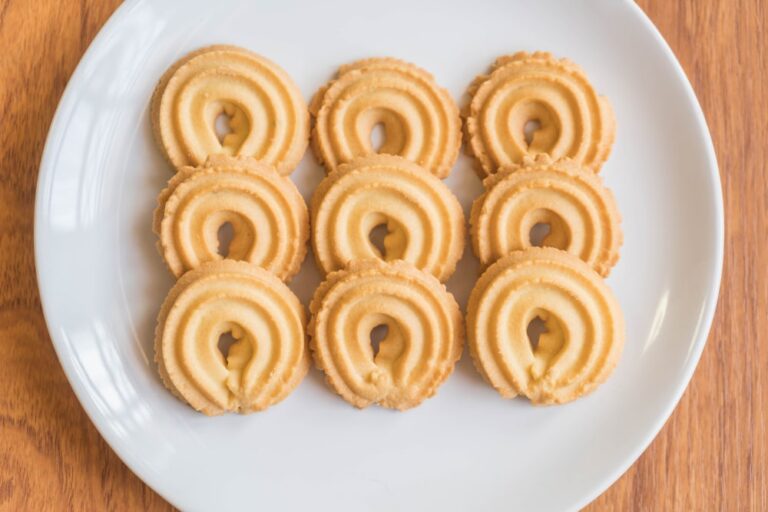
Transform your kitchen into a festive workshop with these straightforward treats that deliver bakery-quality results without the wait. Designed for anyone craving tender, flavorful bites that maintain crisp edges and pillowy centers, this approach skips the traditional refrigeration step, allowing you to roll, cut, and bake in under an hour from start to finish. Ideal for seasonal gatherings or spontaneous sweet tooth satisfactions, these creations blend classic charm with modern convenience, ensuring every batch sparks joy.
The secret to their appeal lies in balanced ratios and gentle handling, yielding dough that’s pliable yet sturdy enough for intricate designs. Whether you’re crafting snowflakes for winter cheer or hearts for everyday delight, the versatility shines through in endless customization options. Gather your loved ones for a hands-on adventure that turns simple staples into memorable indulgences.
Emphasizing quality over complexity, this method relies on room-temperature ingredients and precise measurements to achieve that signature melt-in-your-mouth texture. As holidays approach, these gems become a go-to for gifting or table centerpieces, proving that effortless baking can still feel profoundly special. Dive in and discover how a few mindful tweaks elevate ordinary dough into extraordinary keepsakes.
Gathering Your Ingredients: The Foundation of Flawless Flavor
Selecting the right components sets the stage for success, ensuring each element contributes to the overall harmony of buttery richness and subtle sweetness. Begin with unsalted butter at a cool room temperature, around 65 to 70 degrees Fahrenheit, which creams smoothly without incorporating excess air that could lead to spreading. Granulated sugar provides even dissolution and a fine crumb, while all-purpose flour offers the ideal protein content for structure without toughness.
Baking powder introduces gentle lift, creating those soft interiors, and a pinch of salt tempers the sweetness for depth. Fresh eggs bind everything cohesively, and pure vanilla extract infuses aromatic warmth that lingers on the palate. For those seeking enhancements, consider almond extract for a nutty nuance or lemon zest for citrus brightness, both of which complement without overpowering.
Measuring accurately proves crucial—spoon and level flour to avoid dense results, and use a scale for butter if possible to guarantee consistency. These choices not only streamline the process but also foster reliability, turning potential pitfalls into predictable triumphs every time.
Core Ingredients Breakdown
At the heart, you’ll need 2 1/2 cups of all-purpose flour, sifted to remove lumps and promote even mixing. One cup each of unsalted butter and granulated sugar form the creamy base, beaten until pale and voluminous for optimal aeration. A single large egg and two teaspoons of vanilla extract tie the wet components together seamlessly.
Leavening comes from one teaspoon of baking powder, while 1/2 teaspoon of salt sharpens flavors. This quartet yields about 36 cookies, depending on cutter size, with each ingredient playing a pivotal role in the no-chill magic that keeps shapes intact.
Optional Add-Ins for Personalization
Incorporate 1/2 cup of finely chopped pecans or dried cranberries during the final flour addition for textural contrast and fruity tang. Food coloring gels, added sparingly to the dough, allow vibrant hues without altering consistency. Sprinkles folded in gently provide bursts of color and crunch, perfect for themed batches.
These tweaks maintain the dough’s workability, ensuring it remains scoopable and rollable even after brief resting. Experimentation here opens doors to signature styles that reflect personal tastes or seasonal motifs.
Step-by-Step Mixing: Crafting Dough Without the Delay
Begin by preheating your oven to 350 degrees Fahrenheit, lining two baking sheets with parchment paper to facilitate even heat distribution and effortless transfer. In a stand mixer fitted with the paddle attachment, or using a hand mixer, beat the butter and sugar on medium speed for three to four minutes until light and fluffy, scraping down the sides midway to ensure uniformity.
This creaming stage incorporates air pockets that expand during baking, contributing to tenderness without reliance on chilling. Add the egg and vanilla, mixing on low until just combined, about 30 seconds, to prevent curdling or separation. The mixture should appear glossy and cohesive, signaling readiness for the dry additions.
In a separate bowl, whisk together the flour, baking powder, and salt to distribute leaveners evenly and eliminate potential hot spots. Gradually incorporate this dry blend into the wet on low speed, stopping as soon as a soft dough forms—overmixing at this point can develop gluten, leading to chewiness rather than softness.
Divide the dough into two equal portions, each about the size of a softball, and place them on sheets of plastic wrap. Flatten slightly into discs for easier rolling later, but skip the fridge entirely. Let the dough rest at room temperature for 10 minutes while you prepare your workspace, allowing it to relax without hardening.
This brief pause hydrates the flour fully, mimicking the effects of chilling while preserving pliability. Dust your surface and rolling pin lightly with flour to prevent sticking, then roll one disc to a uniform 1/4-inch thickness, rotating the dough 90 degrees clockwise after each pass for evenness.
Use your favorite cutters—ranging from 2 to 3 inches—to punch out shapes, dipping the edges in flour as needed. Gather scraps gently, re-rolling only once to avoid toughening, and arrange cutouts two inches apart on the prepared sheets, as they may puff slightly.
Baking to Golden Perfection
Bake one sheet at a time in the center rack for 8 to 10 minutes, watching for edges to turn pale golden while centers remain soft and pale. Rotate the sheet halfway through for uniform browning, and resist the urge to overbake—these finish cooking on the pan post-oven.
Remove from the oven and cool on the sheet for five minutes, during which residual heat sets the structure without hardening. Transfer to a wire rack to cool completely, about 20 minutes, before decorating to prevent melting or sliding.
This timing ensures cookies that are crisp outside yet yield tenderly inside, capturing the essence of homemade without the hassle.
Decorating Techniques: Elevating Simple Shapes to Stunners
Once cooled, royal icing provides a smooth canvas for piping borders and flooding centers, setting firm for stacking and transport. Prepare it by whisking two cups of powdered sugar with one tablespoon of meringue powder and three tablespoons of warm water, adjusting consistency with additional liquid for a pourable glaze.
Tint portions with gel colors for variety, using toothpicks for precision to avoid diluting shades. Pipe outlines first with a thicker mix, then flood interiors with thinner icing, allowing 15 minutes to set between layers for professional results.
For textured appeal, sprinkle sanding sugar immediately after flooding, or embed edible glitter for sparkle. These methods not only enhance visual allure but also add subtle flavor layers, turning basic rounds into conversation starters.
Simple Icing Variations
Buttercream offers a softer alternative, creaming 1/2 cup butter with two cups powdered sugar, a splash of milk, and vanilla until spreadable. For shine, a glaze of powdered sugar and lemon juice drips elegantly over edges.
Chocolate ganache, melted equal parts chocolate and cream, dips bottoms for a fudgy contrast. Each option suits different occasions, from elegant drizzles for tea time to robust frostings for kids’ parties.
Encourage creativity with stencils for powdered sugar dustings or candy melts for molded accents, fostering family bonding through shared artistry.
Understanding the Science: Why No-Chill Works Wonders
The absence of refrigeration hinges on controlled hydration and fat incorporation, where creamed butter traps air and coats flour proteins, minimizing gluten formation. Baking powder reacts swiftly upon heat exposure, providing lift that counters any potential spreading from unbaked dough’s warmth.
Room-temperature mixing ensures even distribution, preventing pockets of unmixed flour that could cause uneven textures. This balance yields cookies that puff minimally, retaining cutter-defined details with a tender crumb.
Historical roots trace to 18th-century European traditions, where sugar cookies symbolized abundance, evolving into American holiday staples by the 1930s. Modern adaptations like this prioritize accessibility, aligning with busy lifestyles while honoring that legacy.
Troubleshooting Common Hiccups
If dough feels sticky, incorporate an extra tablespoon of flour, but sparingly to avoid dryness. Pale cookies signal underbaking—extend by one minute next batch for desired color without sacrificing softness.
Spreading occurs from warm butter; ensure it’s cool-soft, not melted. Cracked tops result from over-beating eggs—mix gently to preserve integrity.
These fixes empower confidence, turning mishaps into learning opportunities for consistently superior outcomes.
Flavor Variations: Twisting the Classic for Every Palate
Infuse citrus by zesting one orange into the dough, pairing with vanilla for a bright, zingy profile that evokes summer in winter bakes. Almond extract swapped at a 1:1 ratio introduces nutty elegance, ideal for pairing with coffee.
For spice lovers, add 1/2 teaspoon cinnamon and a pinch of nutmeg, evoking gingerbread nuances without overpowering sweetness. These adjustments maintain structural integrity, allowing seamless shape-holding.
Chocolate lovers grate two ounces of dark chocolate finely, folding in for melty pockets that contrast creamy dough. Each twist refreshes familiarity, encouraging repeat explorations.
Gluten-Free and Vegan Adaptations
Substitute a 1:1 gluten-free flour blend with xanthan gum for binding, yielding comparable tenderness. Use coconut oil in place of butter and aquafaba for eggs in vegan versions, ensuring the mix creams adequately.
These inclusive options broaden appeal, making the recipe accessible for dietary needs without compromising delight. Test small batches to fine-tune sweetness or moisture as alternatives vary.
Embracing such modifications celebrates diversity at the table, fostering inclusive gatherings where everyone savors equally.
Storage and Gifting: Preserving Freshness and Sharing Joy
Layer cooled, undecorated cookies between parchment in an airtight container at room temperature, lasting up to one week with maintained softness. For longer storage, freeze dough discs up to three months, thawing briefly before rolling.
Baked treats freeze well in zip-top bags for two months, refreshing in a 300-degree oven for three minutes post-thaw. This preserves texture, avoiding staleness.
Package decorated ones in cellophane bags tied with ribbon for thoughtful gifts, or arrange on platters with seasonal fruits for instant displays. These strategies extend enjoyment, turning one batch into multiple moments.
Pairing Suggestions for Elevated Enjoyment
Complement with hot cocoa spiked with peppermint for a cozy contrast, or chai tea for spiced synergy. Alongside fresh berries, they balance richness with tartness.
For brunches, serve with fruit compote; evenings call for vanilla ice cream sandwiches. These duos amplify flavors, creating harmonious experiences.
Pro Tips for Baking Mastery
Invest in a digital scale for precise measurements, as volume cups can vary, leading to inconsistent results. Weighing ensures reproducibility, especially for international bakers adapting metric systems. This tool pays dividends in confidence and uniformity across batches.
Prepare multiple cutters in advance, organizing by size to optimize scrap usage and minimize re-rolling. This efficiency saves time and preserves dough tenderness. Lining them up fosters a smooth workflow, reducing interruptions during the creative flow.
Experiment with oven positioning—middle rack yields even heat, but convection modes cut baking time by two minutes with circulated air. Monitor the first batch closely to calibrate your appliance’s quirks. This adjustment prevents uneven doneness, ensuring every cookie shines.
Use room-temperature tools like bowls and utensils to avoid shocking the dough, which could cause curdling or separation. Warming them slightly under hot water maintains mixing temperatures. This subtle step promotes emulsification, resulting in smoother textures.
Incorporate a splash of cream or milk if dough seems dry, adding moisture without compromising structure. Stir gently by hand for the final turns to fully hydrate. This hydration balance is key to pliability without stickiness.
Label frozen portions with dates and notes on add-ins for easy retrieval during peak seasons. This organization streamlines future bakes, preventing waste. Thawing in the fridge overnight preserves freshness better than counter methods.
Practice piping on parchment scraps before icing cookies, honing pressure for consistent lines. Clean tips midway with warm water to avoid clogs. This rehearsal builds skill, turning novices into decorators effortlessly.
Frequently Asked Questions
Why do my cookies spread despite careful measuring?
Excessive butter warmth or over-creaming introduces too much air, causing expansion. Ensure butter is cool-soft and beat just until fluffy, about three minutes. Chilling the shaped cookies for five minutes pre-bake can also firm them up if needed.
Can I make the dough ahead without chilling?
Yes, wrap tightly and refrigerate up to 24 hours, or freeze for a month; bring to room temperature before rolling. The no-chill aspect shines for immediate use, but resting enhances flavor development. Portion into logs for slice-and-bake convenience.
How do I achieve vibrant colors without fading during baking?
Add gel colors to the dough post-mixing, kneading gently for even distribution. For icing, layer thin coats and allow full drying between applications. This prevents bleeding and maintains hue intensity through the process.
Are these suitable for high-altitude baking?
Reduce baking powder to 3/4 teaspoon and increase flour by two tablespoons to combat rising issues. Bake at 375 degrees for shorter times, checking early. These tweaks counteract drier air and lower pressure for balanced results.
What if I lack cookie cutters?
Improvise with glasses, knives for freehand shapes, or drop spoonfuls for rustic rounds. The dough’s forgiveness allows creativity without tools. Focus on uniform thickness for even baking regardless of form.
Conclusion
These no-chill sugar cookies encapsulate the joy of baking—simple, rewarding, and endlessly adaptable—proving that timeless treats thrive on innovation and ease. From mixing mastery to decorative flair, each step builds toward batches that delight senses and spark connections, whether solo or shared. As you roll out shapes and savor the first warm bite, embrace the tradition’s evolution, crafting not just cookies, but cherished rituals that sweeten life’s hurried moments with unhurried grace.