Ear pain strikes suddenly and can disrupt daily life, leaving individuals of all ages desperate for relief. Whether it’s a sharp stab during a flight or a persistent ache following a cold, understanding the root of this discomfort is the first step toward effective management. This guide explores the multifaceted nature of ear pain, offering practical insights drawn from established medical knowledge to help you navigate symptoms, apply safe remedies, and recognize when professional intervention is necessary.
From the outer ear to deeper structures, pain in this sensitive area often signals an underlying issue that responds well to targeted care. Adults and children alike experience it, but the manifestations and triggers can vary widely. By breaking down the anatomy involved and common precipitants, you can better assess your situation and take informed action without delay.
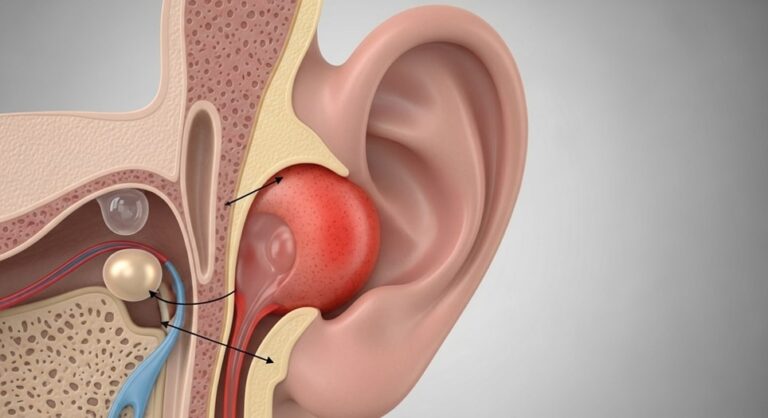
The ear consists of three main parts: the outer ear, which captures sound waves; the middle ear, housing tiny bones that transmit vibrations; and the inner ear, responsible for balance and advanced hearing processing. Disruptions in any of these regions can lead to discomfort, but most cases stem from everyday factors like infections or pressure changes rather than rare conditions.
Exploring the Primary Causes of Ear Pain
Identifying the source of ear pain is crucial for choosing the right approach to alleviation. Many episodes trace back to infections, which thrive in the warm, moist environment of the ear canal. Bacterial or viral invaders often follow respiratory illnesses, blocking drainage pathways and causing buildup that presses on sensitive tissues.
Environmental factors play a significant role too, especially for those with active lifestyles. Exposure to water during swimming or sudden altitude shifts can trap air or fluid, leading to barometric imbalances. These non-infectious triggers are typically self-limiting but can mimic more serious problems if ignored.
Outer Ear Issues: Swimmer’s Ear and Beyond
Otitis externa, commonly known as swimmer’s ear, affects the ear canal lining, resulting in inflammation and tenderness. This condition arises when moisture lingers after water activities, fostering bacterial growth. Symptoms escalate quickly, often with itching preceding the full onset of pain.
Trauma from aggressive cleaning or foreign objects can also inflame the outer ear. Inserting cotton swabs too deeply scratches the delicate skin, inviting infection. Preventive habits, like gentle drying after showers, mitigate these risks effectively.
Middle Ear Infections: A Frequent Culprit
Acute otitis media targets the space behind the eardrum, where fluid accumulates due to eustachian tube dysfunction. Colds and allergies swell these tubes, preventing natural equalization and creating a breeding ground for pathogens. Children under two are particularly vulnerable due to their shorter, straighter tubes.
Persistent fluid without infection, known as otitis media with effusion, causes a muffled sensation alongside mild discomfort. This often resolves spontaneously but warrants monitoring to avoid hearing impacts in developing ears.
Referred Pain from Nearby Structures
Not all ear pain originates in the ear itself; referred sensations from the jaw, throat, or sinuses can radiate intensely. Temporomandibular joint disorders, stemming from teeth grinding or misalignment, tense muscles that pull on ear tissues. Dental abscesses or sinus congestion similarly conduct pain signals via shared nerves.
Understanding this referral pattern explains why jaw exercises sometimes ease earaches. Distinguishing true ear issues from these mimics requires attention to accompanying signs like jaw clicking or nasal drip.
Recognizing Accompanying Symptoms
Ear pain rarely travels alone; it often brings a suite of indicators that clue you into the severity. Fever signals an active infection, while drainage—clear, pus-like, or bloody—suggests a perforated eardrum or advanced inflammation. These red flags demand prompt evaluation.
Hearing changes, from temporary muffling to outright loss, accompany many cases. Balance disturbances or vertigo point to inner ear involvement, potentially complicating daily tasks like driving. In children, irritability, poor appetite, or tugging at the ear serve as nonverbal alerts.
Headaches or neck stiffness may join the fray, especially if sinus pressure or muscle tension contributes. Tracking these symptoms over 24-48 hours helps gauge progression and informs whether home care suffices or escalation is needed.
Step-by-Step Home Assessment for Ear Pain
Before rushing to remedies, a simple self-check can pinpoint urgency. Start by examining the outer ear for redness, swelling, or discharge using a mirror and good lighting. Gently press the tragus—the small flap in front of the canal—to test tenderness; sharp pain here often indicates outer ear problems.
Next, note any recent exposures: Have you flown, swum, or battled a cold? Assess hearing by covering the unaffected ear and speaking softly; diminished clarity suggests middle ear fluid. Check for fever with a thermometer and observe for systemic signs like chills or fatigue.
Evaluate jaw and neck mobility: Open wide and move side to side, noting referred twinges. If pain worsens with swallowing or yawning, throat or eustachian issues may be at play. Document these findings to share with a healthcare provider if symptoms persist.
- Visual Inspection: Use a flashlight to peer into the canal if safe, looking for wax buildup or inflammation. Avoid probing; just observe surface clues.
- Pressure Test: Swallow repeatedly or yawn to equalize; relief points to barotrauma, while persistence suggests infection.
- Symptom Log: Rate pain on a 1-10 scale hourly, noting triggers like lying down, which worsens middle ear pressure.
- Allergy Check: Recall seasonal patterns; antihistamines may help if congestion aligns with pollen peaks.
- Child-Specific: For little ones, console with distraction and monitor sleep disruptions as key indicators.
This structured approach empowers you to act confidently while minimizing unnecessary worry.
Proven Home Remedies for Immediate Relief
When ear pain flares, accessible interventions can bridge the gap to healing. Over-the-counter analgesics form the cornerstone, reducing inflammation and dulling nerves swiftly. Hydration supports mucosal health, thinning secretions for better drainage.
Warmth soothes spasms and promotes circulation, while elevation counters gravity’s pull on fluids. These basics, combined with rest, often turn the tide within hours. Always tailor to age and health status for safety.
Warm Compress Application
A classic yet potent remedy, the warm compress eases middle ear pressure by dilating vessels. Soak a clean cloth in warm—not hot—water, wring it out, and hold against the ear for 10-15 minutes. Repeat every few hours, ensuring the temperature stays comfortable to avoid burns.
This method not only alleviates pain but also encourages eustachian tube opening through gentle heat. Pair it with steam inhalation from a hot shower for synergistic decongestion effects.
Over-the-Counter Pain Management
Ibuprofen or acetaminophen targets both pain and swelling, with dosing adjusted by weight for children. Take with food to prevent stomach upset, and alternate if needed under guidance. These provide systemic relief, addressing referred components too.
For localized action, pharmacist-recommended drops like those with antipyrine offer temporary numbing, but skip if perforation is suspected.
Natural Oils and Herbal Aids
Olive oil, warmed slightly, lubricates the canal to expel wax naturally. Lie on your side, instill 2-3 drops, and let gravity work for 5 minutes before draining. Garlic-infused oil harnesses antimicrobial properties, but consult first if allergies loom.
Ginger tea, sipped warm, combats nausea from vertigo while its anti-inflammatory compounds may indirectly soothe ear tissues.
Here is a detailed list of additional home remedies, each backed by widespread use and physiological rationale:
- Cold Compress Alternation: Switch to a cool pack after warmth to constrict vessels and numb nerves, ideal for acute swelling. Apply for 10 minutes, wrapped in cloth to prevent frostbite. This contrast therapy enhances overall comfort and reduces throbbing.
- Salt Water Gargle: Dissolve half a teaspoon of salt in warm water and gargle to clear throat drainage affecting the eustachian tube. Perform twice daily; it also hydrates oral tissues. This simple rinse often eases referred pain from tonsillitis.
- Chewing Gum or Yawning: Stimulate swallowing to pop ears during pressure changes, like post-flight. Sugar-free options prevent additional inflammation. Regular practice maintains tube patency over time.
- Hydration Boost: Aim for 8-10 glasses of water daily to thin mucus, facilitating natural expulsion. Herbal teas count toward intake without caffeine’s dehydrating effects. Consistent fluid levels support immune response against infections.
- Onion Poultice: Grate fresh onion, wrap in gauze, and warm before applying externally for 20 minutes. Its sulfur compounds mimic antibiotic action. Use sparingly to avoid skin irritation, especially on sensitive scalps.
- Elevation During Sleep: Prop the head with extra pillows to promote drainage overnight. This prevents pooling that intensifies morning pain. Combine with a humidifier for moist air that soothes dry canals.
- Vinegar-Alcohol Mix for Prevention: Equal parts white vinegar and rubbing alcohol, dropped post-swim, acidifies the canal against bacteria. Dry ears first; one drop suffices. This prophylactic curbs recurrent swimmer’s ear effectively.
- Breathing Exercises: Deep nasal breaths through one nostril at a time clear sinuses linked to ear pressure. Hold for 5 seconds per side, repeating 10 times. This non-invasive technique aids chronic sufferers with allergy ties.
Tailored Approaches for Children and Adults
Pediatric ear pain demands extra vigilance, as little ones can’t articulate nuances. Breastfeeding infants benefit from upright positioning during feeds to minimize reflux contributions. Distraction with toys or stories diverts focus from discomfort during remedy application.
For school-aged kids, monitor activity levels; lethargy signals deeper infection. Encourage verbal check-ins on pain scale to track efficacy of interventions like flavored chewables over pills.
Adults face unique stressors, like work-induced jaw clenching exacerbating TMJ-related aches. Incorporate stress reduction via meditation to loosen tensions. Those with chronic sinusitis should prioritize saline irrigations alongside ear care.
Seasonal variations influence both groups: Winter colds spike middle ear cases, while summer swimming heightens outer risks. Year-round allergy management with air purifiers maintains baseline resilience.
Prevention Strategies to Minimize Future Episodes
Proactive measures fortify ear health against common assaults. Hand hygiene curbs viral spread, especially in shared spaces like daycare. Tobacco avoidance preserves ciliary function for optimal drainage.
Vaccinations against flu and pneumococcus slash infection odds significantly. For frequent flyers, nasal decongestants pre-boarding equalize pressures preemptively.
Daily ear hygiene favors washcloths over swabs, preventing micro-abrasions. Balanced diets rich in vitamin C bolster mucosal immunity, while adequate sleep aids recovery from minor insults.
- Daily Hygiene Routine: Gently clean outer folds with damp cloth; never insert objects deeper.
- Swim Prep: Use silicone plugs or hoods; dry thoroughly with low-heat blow dryer held at distance.
- Allergy Control: Track triggers with apps; use HEPA filters in bedrooms.
- Travel Tips: Chew gum on ascent/descent; stay hydrated to counter cabin dryness.
- Immune Support: Zinc lozenges during cold season; probiotic foods for gut-ear axis health.
- Dental Checkups: Biannual visits catch abscesses early, averting referrals.
Integrating these habits reduces recurrence rates, fostering long-term auditory wellness.
Navigating Medical Interventions
When home efforts falter after 48 hours, professional input ensures safe resolution. Primary care providers perform otoscopy to visualize the canal and drum, guiding targeted therapies. Antibiotics combat bacterial culprits, prescribed judiciously to curb resistance.
For recurrent otitis media, tympanostomy tubes ventilate the middle ear, averting fluid traps. Antihistamines or steroids address allergic underpinnings, while myringotomy drains persistent effusions swiftly.
Severe cases, like mastoiditis from untreated spread, require imaging and IV antibiotics. ENT specialists handle complex diagnostics, from audiograms to CT scans, tailoring plans to individual anatomies.
Post-treatment follow-up confirms healing, with hearing tests safeguarding against subtle losses. Early intervention preserves function, particularly in children where delays impact speech milestones.
Red Flags Requiring Immediate Care
Certain signs bypass waiting: High fever over 102°F in adults or 100.4°F in infants, coupled with lethargy, mandates ER evaluation. Bloody discharge or facial asymmetry hints at deeper threats like abscesses.
Sudden hearing drop or vertigo with nausea suggests labyrinthitis, needing vestibular rehab. Swelling behind the ear or neck rigidity evokes meningitis risks, demanding urgent neuroimaging.
Trauma histories, like blasts or dives, prompt checks for barotrauma complications. Diabetics or immunocompromised individuals face amplified dangers, warranting lowered thresholds for seeking help.
Pro Tips for Managing Ear Pain Effectively
Experienced clinicians emphasize holistic strategies beyond basics. Track patterns with journals to uncover triggers like dietary sensitivities exacerbating reflux. Integrate acupuncture for TMJ referrals, as studies show nerve modulation benefits.
For chronic sufferers, biofeedback trains relaxation of jaw muscles, reducing tension propagation. Essential oil diffusers with eucalyptus clear sinuses ambiently, complementing direct remedies.
Post-remedy, avoid loud environments to protect healing tissues; noise-cancelling headphones aid recovery. Collaborate with pharmacists for combo products suiting multiple symptoms, like decongestant-pain reliever packs.
- Monitor Hydration Metrics: Urine color guides intake; pale yellow signals adequacy for mucus thinning. Dehydration worsens congestion, prolonging pain cycles. Apps remind consistent sipping throughout days.
- Incorporate Anti-Inflammatory Foods: Turmeric lattes or omega-3 rich salmon curb systemic swelling. These natural NSAIDs enhance remedy potency without GI risks. Daily inclusion builds resilience against flares.
- Practice Eustachian Tube Exercises: Toynbee maneuver—pinch nose, swallow—daily strengthens patency. Ideal for allergy seasons; five reps thrice daily prevent blockages. Progress to balloon inflation for kids’ engagement.
- Leverage Tech Aids: Apps simulate otoscopy tutorials for self-education. Wearables track fever trends, alerting escalations. Telehealth bridges gaps for non-urgent consults.
- Optimize Sleep Posture: Side-sleep opposite the affected ear promotes drainage. Wedge pillows maintain alignment without strain. Aromatherapy with lavender eases into restful nights.
- Buddy System for Kids: Pair remedies with favorite activities, like storytime compresses. Reward compliance with stickers, fostering positive associations. Parental modeling of calm reinforces coping.
- Seasonal Prep Kits: Stock remedies in advance; winter kits include humidifiers, summer ones vinegar mixes. Rotate stock for freshness; family drills build quick-response habits.
These expert nuggets elevate standard care, turning episodic woes into manageable blips.
Frequently Asked Questions
Can Ear Pain Resolve Without Any Treatment?
Yes, many viral-induced cases self-resolve in 2-3 days as immunity clears invaders. Support with rest and fluids accelerates this; however, bacterial persistence may require antibiotics. Monitor closely to catch non-improvers early.
Is It Safe to Use Ear Candling for Relief?
No, this practice risks burns and wax impaction without proven benefits. Opt for safer wax softeners like drops instead. Professional micro-suction remains the gold standard for buildup.
How Does Flying Affect Ear Pain?
Cabin pressure changes strain eustachian tubes, amplifying existing issues. Pre-flight decongestants and mid-flight yawning mitigate this. Post-landing hydration counters dryness-induced irritation.
What Role Do Allergies Play in Ear Discomfort?
Allergies swell nasal passages, blocking tubes and fostering fluid. Antihistamines and nasal corticosteroids break this cycle effectively. Immunotherapy offers long-term freedom for severe cases.
Should I Worry About Ear Pain in One Ear Only?
Unilateral pain often ties to local issues like swimmer’s ear but can signal nerve or tumor rarities. Bilateral symmetry suggests systemic causes; either way, persistence merits exam.
Are There Natural Antibiotics for Ear Infections?
Manuka honey or oregano oil exhibit antimicrobial traits, but evidence lags synthetics. Use adjunctively, not substitutively; consult for dosing to avoid resistance fostering.
Delving deeper into chronic management reveals lifestyle pivots that sustain relief. Ergonomic workspaces curb jaw strain from poor posture, a sneaky TMJ aggravator. Mindfulness apps guide tension release, interrupting pain feedback loops.
Nutritional audits spotlight deficiencies; low vitamin D correlates with recurrent infections, prompting sunny walks or supplements. Collaborative care teams, including nutritionists, optimize outcomes for frequent episodes.
Community resources like support groups demystify coping, sharing triumphs over isolation. Educational webinars from audiology societies update on emerging therapies, keeping you ahead of curves.
Innovation shines in wearable monitors detecting early inflammation via temperature shifts. Gene therapies on horizons promise allergy eradications, revolutionizing prevention paradigms.
Conclusion
Ear pain, though disruptive, yields to informed strategies blending self-care with timely expertise. From pinpointing causes like infections or pressure imbalances to deploying remedies such as compresses and analgesics, empowerment lies in knowledge. Prevention through hygiene, vaccinations, and habit tweaks fortifies against recurrences, while pro tips and FAQs address nuances for personalized paths.
Ultimately, listening to your body’s signals—whether a fleeting twinge or stubborn ache—guides optimal responses. By prioritizing ear health, you safeguard hearing, balance, and quality of life, turning potential ordeals into swiftly navigated passages. Embrace these tools for resilient auditory well-being, ensuring discomfort remains a minor footnote rather than a dominant chapter.