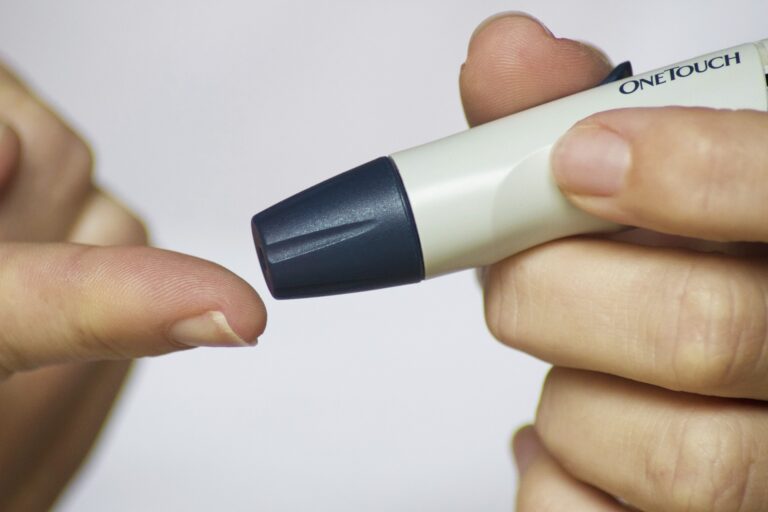
Diabetes is a chronic condition that affects how the body processes blood sugar, leading to potential health issues if not managed properly. It occurs when the pancreas does not produce enough insulin or when the body cannot effectively use the insulin it produces. This guide explores the key aspects of identifying and addressing this condition, focusing on practical steps for effective control.
There are several forms of this condition, each with unique causes and management needs. Type 1 involves an autoimmune response where the body attacks insulin-producing cells, requiring lifelong insulin replacement. Type 2, the most common, develops when cells become resistant to insulin, often linked to lifestyle factors. Gestational form appears during pregnancy and usually resolves after birth but increases future risks.
Early detection and consistent management are crucial to prevent complications such as heart disease, nerve damage, and vision problems. By understanding the signs and available approaches, individuals can take proactive steps toward better health outcomes.
Recognizing the early indicators can lead to timely intervention. Increased thirst, frequent urination, unexplained weight loss, fatigue, and blurred vision are common signals that warrant medical attention. In some cases, slow-healing sores or recurring infections may also appear.
Understanding Diabetes
This condition impacts millions worldwide, with varying degrees of severity. It disrupts normal glucose regulation, which is essential for energy production in cells. Without proper control, high blood sugar levels can damage organs over time.
Types of Diabetes
Type 1 typically develops in childhood or adolescence but can occur at any age. It requires daily insulin administration since the body produces little to none. Type 2 often emerges in adulthood, though it’s increasingly seen in younger people due to rising obesity rates. It can sometimes be managed through diet and exercise alone initially.
Gestational type affects pregnant individuals, usually between the 24th and 28th weeks. It demands careful monitoring to protect both parent and child, often involving dietary adjustments and sometimes insulin.
Common Symptoms
Symptoms vary by type but often include excessive hunger, irritability, and numbness in hands or feet. For type 1, onset can be rapid with severe fatigue and nausea. Type 2 symptoms may develop gradually, sometimes going unnoticed for years.
In gestational cases, there might be no obvious signs, making routine screening essential during prenatal care. Awareness of these indicators helps in seeking prompt evaluation.
Diagnosing Diabetes
Accurate diagnosis relies on specific blood tests to measure glucose levels. Healthcare providers use standardized criteria to determine if levels are elevated, indicating the condition or a precursor state.
Diagnostic Tests and Criteria
The A1C test provides an average blood sugar reading over two to three months. A result of 6.5% or higher on two separate occasions confirms the diagnosis. Values between 5.7% and 6.4% suggest prediabetes, while below 5.7% is normal.
Fasting plasma glucose test requires no eating for at least eight hours. A level of 126 mg/dL or higher on two tests indicates the condition. Between 100 and 125 mg/dL points to prediabetes.
The oral glucose tolerance test involves drinking a sugary solution after fasting, with blood sugar checked two hours later. A reading of 200 mg/dL or more confirms diagnosis, while 140 to 199 mg/dL indicates prediabetes.
Random plasma glucose test, done at any time, shows the condition if 200 mg/dL or higher, especially with symptoms present. For type 1, additional autoantibody tests may distinguish it from type 2.
When to Get Tested
Adults over 35 should be screened every three years if results are normal. Those with risk factors like overweight, family history, or high blood pressure need earlier or more frequent checks. Pregnant individuals are tested in the second trimester, or sooner if at high risk.
Children with obesity or family history may require evaluation starting at age 10 or puberty. Regular screening helps catch issues early, improving long-term management.
Treatment Options for Type 1 Diabetes
Managing this form focuses on replacing missing insulin and closely tracking blood sugar. Daily adjustments are necessary to maintain balance.
Insulin Therapy
Insulin is delivered through injections, pens, or pumps. Types include rapid-acting for meals, long-acting for background coverage, and intermediate for in-between needs. Dosing is based on food intake, activity, and current levels.
Automated systems combine continuous monitoring with pumps that adjust delivery automatically. These hybrid closed-loop devices reduce the burden of constant decisions.
Inhaled insulin offers a needle-free option for mealtime use, though not suitable for everyone. Consulting a specialist ensures the right method is chosen.
Monitoring and Management
Frequent checks, at least four times daily, guide insulin adjustments. Continuous monitors provide real-time data and alerts for highs or lows. Carbohydrate counting helps match insulin to meals.
Pancreas transplants are an option for severe cases, eliminating insulin needs but requiring lifelong medications to prevent rejection. Islet cell transplants are under research.
Treatment Options for Type 2 Diabetes
This type often starts with lifestyle modifications, progressing to medications if needed. The goal is to improve insulin sensitivity and control glucose.
Lifestyle Changes
A balanced diet emphasizes whole foods, fiber-rich vegetables, and lean proteins while limiting sugars and refined carbs. Portion control and regular meal timing stabilize levels.
At least 150 minutes of moderate exercise weekly, like brisk walking, enhances insulin use. Strength training builds muscle, aiding glucose uptake.
Weight loss of 5-7% can significantly improve control. Tracking progress with a professional supports sustained changes.
Medications
Metformin is typically first, reducing liver glucose output and improving sensitivity. Side effects like digestive upset usually lessen over time.
GLP-1 agonists, injected weekly or daily, slow digestion, promote fullness, and aid weight loss. They also protect heart health in high-risk individuals.
SGLT2 inhibitors increase glucose excretion in urine, lowering levels and supporting heart and kidney function. Monitoring for infections is important.
Advanced Options
Insulin may be added if oral meds are insufficient. Bariatric surgery for those with high BMI offers dramatic improvements, sometimes leading to remission.
Regular A1C tests every three months assess effectiveness, with adjustments as needed.
Managing Gestational Diabetes
Control during pregnancy protects against complications like large birth weight or low blood sugar in newborns. Diet and activity are foundational.
Monitoring levels four or more times daily guides adjustments. Insulin is safe if lifestyle alone isn’t enough; oral options may be considered.
Post-delivery, levels often normalize, but future screening is vital due to increased type 2 risk. Breastfeeding supports recovery and infant health.
Daily Management and Monitoring
Consistent routines maintain stability. Tools and habits make it easier over time.
Blood Sugar Monitoring
Meters provide spot checks; continuous systems offer trends and alarms. Targets: 80-130 mg/dL before meals, under 180 mg/dL after.
Log results to identify patterns influenced by food, stress, or illness. Adjust plans accordingly with professional input.
Healthy Eating
Focus on nutrient-dense foods: fruits, veggies, grains, and proteins. Limit processed items. Dietitians tailor plans to preferences and needs.
Physical Activity
Incorporate movement daily. Start slow if new to exercise, building to recommended levels. Benefits include better mood and energy.
Weight Management
Maintain a healthy range through balanced intake and activity. Small, sustainable changes yield long-term results.
Preventing and Managing Complications
Tight control reduces risks. Regular checkups catch issues early.
- Heart disease prevention involves controlling blood pressure under 130/80 mm Hg and cholesterol with meds if needed. Quit smoking and stay active.
- Kidney protection requires annual urine tests for protein. Manage pressure and glucose to slow progression.
- Eye health demands yearly dilated exams. Early laser treatment or injections preserve vision.
- Nerve damage avoidance includes foot checks daily for sores. Wear protective shoes; report numbness.
- Oral health twice-yearly dental visits prevent gum issues exacerbated by high sugar.
- Skin care keeps areas dry and moisturized. Treat cuts promptly to avoid infections.
- Mental health support addresses stress through counseling or groups. Good sleep aids control.
- Vaccinations stay current on flu, pneumonia, and others to prevent severe illness.
Each step, explained in two to three sentences: For heart disease, regular cardio exercise strengthens the cardiovascular system while a low-sodium diet helps maintain healthy pressure. Medications like statins lower bad cholesterol, reducing plaque buildup in arteries.
For kidneys, avoiding over-the-counter pain relievers preserves function. Hydration supports filtration, but consult on fluid limits if advanced issues exist.
Eye exams detect retinopathy early, allowing interventions like better glucose control to halt progression. Protective eyewear prevents injuries.
Nerve care involves balanced nutrition with B vitamins. Avoiding alcohol excess protects nerves further.
Oral routines with soft brushes prevent bleeding. Sugar-free gum stimulates saliva, reducing decay risk.
Skin inspections catch issues before they worsen. Gentle soaps avoid drying, which can lead to cracks.
Mental strategies like mindfulness reduce cortisol, aiding sugar stability. Support networks provide encouragement.
Vaccines boost immunity, crucial since infections raise glucose. Timely boosters ensure protection.
Pro Tips
- Integrate technology: Use apps for tracking meals, activity, and levels. These provide insights and reminders, making management less overwhelming. Set alerts for medication times to stay consistent.
- Prepare for travel: Pack extra supplies and snacks. Research destination healthcare options in advance. Adjust timing for time zones to maintain routines.
- Handle illness: Check levels more often when sick. Have a sick-day plan with ketone tests and hydration focus. Contact providers if levels stay high.
- Build a support team: Involve family in education sessions. Join communities for shared experiences and tips. Regular team meetings keep everyone aligned.
- Customize meals: Experiment with recipes using herbs for flavor without salt. Batch prep healthy options for busy days. Track favorites that keep levels stable.
- Manage stress: Practice deep breathing or yoga daily. These lower cortisol, improving insulin response. Journaling helps process emotions related to management.
- Foot care routine: Inspect daily with a mirror if needed. Moisturize but avoid between toes to prevent fungus. Choose seamless socks for comfort.
- Stay informed: Read updates from reliable organizations. Attend workshops on new tools or therapies. Knowledge empowers better decisions.
Frequently Asked Questions
- What causes fluctuations in blood sugar? Factors include food choices, activity levels, stress, and illness. Monitoring patterns helps identify triggers and adjust accordingly.
- Can diet alone control type 2? For some early cases, yes, with weight loss and balanced intake. Others need meds; regular checks determine what’s best.
- How often should I see my doctor? At least twice yearly for A1C and complication screens. More if adjusting treatments or experiencing issues.
- Is exercise safe with this condition? Yes, with provider approval. Start slow, monitor levels, and stay hydrated to avoid lows.
- What if I forget a dose? Take it as soon as remembered unless near next. Never double up; contact pharmacist for advice.
- Can children develop type 2? Yes, due to obesity and genetics. Early habits like active play and healthy snacks prevent it.
- How to handle lows at night? Bedtime snacks with protein help. Continuous monitors with alarms provide safety.
- Are natural remedies effective? Some like cinnamon may help mildly, but not replace proven treatments. Discuss with providers before trying.
Conclusion
Effective handling of this condition involves a multifaceted approach, combining timely detection, tailored therapies, and daily habits. By staying vigilant with monitoring and lifestyle choices, individuals can minimize risks and enhance quality of life. Working closely with healthcare teams ensures personalized strategies that evolve with needs, leading to better long-term outcomes.

Full-stack developer at Scylla Technologies (USA), working remotely from Bangladesh. Adobe Certified Magento Developer.