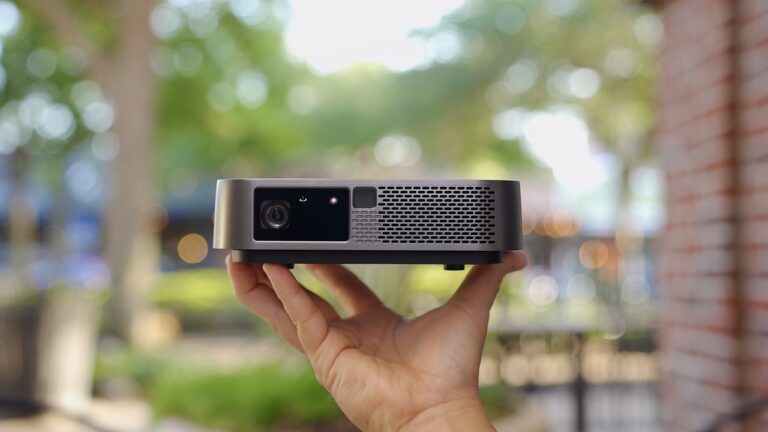
Setting up a projector for movies, presentations, or gaming can transform any space into an immersive environment. However, the built-in speakers on most projectors often fall short in delivering rich, powerful sound. Enhancing the audio experience requires connecting external speakers, which can range from simple wired options to advanced wireless configurations. This process involves understanding the available ports on your devices and selecting the right cables or adapters to ensure seamless compatibility.
Before diving into the connections, it’s essential to assess your equipment. Projectors typically come equipped with various audio outputs like 3.5mm jacks, HDMI ports, or even Bluetooth capabilities. Speakers might include soundbars, surround sound systems, or portable Bluetooth units. Matching these features will help avoid common pitfalls and achieve clear, synchronized audio output.
Whether you’re dealing with a home theater setup or a temporary arrangement for an event, the goal is to create a balanced system where video and sound work in harmony. Proper setup not only improves clarity but also prevents issues like audio lag or distortion. With the right approach, you can elevate your viewing experience significantly.
Many users overlook the importance of audio routing. The sound signal must travel from the source device, through the projector, and to the speakers. In some cases, bypassing the projector entirely by connecting audio directly from the source can yield better results. This guide covers multiple methods to suit different scenarios and preferences.
Understanding Projector Audio Ports and Compatibility
Projectors vary in their audio capabilities, but most models include standard ports for external audio connections. The 3.5mm audio jack is one of the most common, allowing for easy hookup to powered speakers or amplifiers. This analog connection is straightforward and doesn’t require additional power sources beyond the speakers themselves.
HDMI ports on projectors often support audio return channel (ARC), which can transmit sound to compatible speakers or sound systems. This digital option provides higher quality audio compared to analog methods, especially for multi-channel surround sound. Ensure your HDMI cable is rated for ARC to take full advantage of this feature.
Some advanced projectors offer optical audio outputs, also known as TOSLINK, for connecting to home theater receivers. This fiber-optic connection delivers uncompressed digital audio, ideal for setups requiring Dolby Digital or DTS formats. It’s particularly useful in environments where electromagnetic interference might affect other cable types.
Bluetooth-enabled projectors allow for wireless audio transmission, eliminating the need for cables altogether. However, compatibility with specific speaker protocols is crucial. Check if your projector supports A2DP for stereo audio streaming, as this ensures reliable connection without significant latency issues.
Assessing Speaker Types for Projector Integration
Active speakers, which have built-in amplifiers, are the easiest to connect directly to a projector. They only need a power source and an audio cable from the projector’s output. Passive speakers require an external amplifier, adding a layer to the setup but allowing for more customization in sound quality.
Soundbars provide a compact solution for enhanced audio without multiple speakers. Many modern soundbars include HDMI inputs and outputs, making them a central hub for both video and audio signals. This setup simplifies connections by routing everything through one device.
Surround sound systems offer the most immersive experience, with multiple speakers positioned around the room. Connecting these to a projector typically involves a receiver that handles audio distribution. The projector sends the signal to the receiver, which then amplifies and directs sound to each speaker.
Wired Connection Methods for Reliable Audio
Wired connections remain the most stable option for projector audio setups, minimizing latency and interference. Start by identifying the audio output on your projector and the input on your speakers. A mismatch can often be resolved with inexpensive adapters.
For a basic setup using a 3.5mm cable, plug one end into the projector’s audio out port and the other into the speaker’s aux input. Power on both devices and select the appropriate input on the speakers. This method works well for small rooms or portable setups where simplicity is key.
HDMI connections provide both video and audio in one cable, but for audio-only to speakers, you might need an HDMI audio extractor. This device splits the audio signal from the HDMI feed, allowing connection to speakers via RCA or optical cables. It’s particularly useful when your source device is connected directly to the projector.
Optical cables offer superior sound quality for digital audio. Connect the optical output from the projector to the input on your receiver or soundbar. Ensure the protective caps are removed from the cable ends before insertion. This connection supports high-bitrate audio formats for a theater-like experience.
Step-by-Step Wired Setup Process
- Power off all devices before making connections to prevent electrical surges or damage. This precautionary step ensures safety and longevity for your equipment. Always unplug from the power source first.
- Locate the audio output port on your projector, typically labeled as “Audio Out” or with a headphone icon. Inspect the port type to select the correct cable. If it’s a 3.5mm jack, a standard aux cable will suffice.
- Choose the appropriate cable based on the ports available. For analog connections, use shielded cables to reduce noise interference. Digital cables like HDMI or optical should be high-quality to maintain signal integrity over longer distances.
- Connect the cable securely to both the projector and speakers. Ensure a firm fit to avoid loose connections that could cause audio dropouts. Test the connection by playing a short audio clip.
- Adjust the projector’s audio settings menu to route sound to the external output. Some models have options for volume control or audio format selection. Set it to stereo or surround based on your speaker configuration.
- Test the setup with various content types, such as movies and music. Listen for clarity, balance, and any distortions. Make volume adjustments on both the projector and speakers for optimal levels.
- If using multiple speakers, balance the sound levels using the receiver’s calibration tools. Many systems include microphones for automatic room tuning. This ensures even distribution of sound across the listening area.
- Secure cables to prevent tripping hazards or accidental disconnections. Use cable ties or clips along walls or furniture. This maintains a clean and safe setup environment.
RCA cables are another wired option, especially for older equipment. These red and white connectors carry stereo audio. Connect them from the projector’s RCA output to the speaker inputs, matching colors for left and right channels.
For setups involving a computer or media player as the source, consider splitting the audio signal before it reaches the projector. This can be done with a Y-splitter cable, sending one branch to the projector for video and the other directly to speakers for audio.
Wireless Connection Options for Flexible Setups
Wireless audio connections offer freedom from cables, ideal for clean installations or large spaces. Bluetooth is the most common wireless method for projectors with built-in support. Pairing involves putting the speakers in discovery mode and selecting them from the projector’s Bluetooth menu.
For projectors without native Bluetooth, a Bluetooth transmitter can be added to the audio output port. This small device broadcasts the audio signal to compatible speakers. Choose a transmitter with low latency codecs like aptX LL for synchronized sound with video.
Wi-Fi audio systems, such as those using Sonos or similar multi-room setups, can integrate with projectors through network connections. The projector sends audio over the network to speakers in the same system. This method allows for whole-home audio synchronization.
Some projectors support wireless HDMI kits, which transmit both video and audio without cables. These kits include a transmitter connected to the source and a receiver at the projector, with audio breakout options. They’re useful for ceiling-mounted projectors where running cables is challenging.
Configuring Wireless Audio Sync
Audio delay is a common issue in wireless setups. Adjust the projector’s audio delay settings to match the video. Most models allow fine-tuning in milliseconds for perfect lip-sync.
Ensure a strong wireless signal by placing devices within range and minimizing interference from other electronics. Use dual-band routers if Wi-Fi is involved, preferring the 5GHz band for better performance.
Update firmware on both projector and speakers regularly. Manufacturers often release updates that improve connectivity and reduce latency issues.
Advanced Audio Configurations for Home Theaters
For a full home theater experience, integrate your projector with a surround sound receiver. Connect the source device to the receiver first, then output video to the projector via HDMI. This setup allows the receiver to handle all audio processing.
Multi-channel audio requires careful speaker placement. Front speakers should be at ear level, with surrounds slightly above and behind the seating area. Use the receiver’s auto-calibration to optimize sound based on room acoustics.
Incorporating a subwoofer adds depth to low-frequency effects. Connect it wirelessly if possible, or use a long cable for placement flexibility. Adjust crossover settings to blend seamlessly with main speakers.
For outdoor setups, weather-resistant speakers are essential. Use wireless options to avoid exposed cables. Battery-powered speakers provide portability for temporary installations.
Integrating Smart Home Controls
Many modern projectors and speakers integrate with smart home systems like Alexa or Google Home. This allows voice control for volume, input switching, and power management.
Set up scenes for different activities, such as movie mode that dims lights and boosts bass. Ensure all devices are on the same network for smooth operation.
Use universal remotes to control the entire system from one device. Program macros for common tasks like starting a movie night sequence.
Troubleshooting Common Audio Issues
No sound output often stems from incorrect input selection on speakers. Double-check that the speakers are set to the right source, such as aux or Bluetooth.
Audio lag in wireless setups can be mitigated by using low-latency modes or wired alternatives. If persistent, check for firmware updates or interference sources.
Distorted sound may indicate volume levels set too high on the projector. Lower the projector’s output and amplify through the speakers instead.
Humming or buzzing noises typically result from ground loops in wired connections. Use ground loop isolators or ensure all devices share the same power outlet.
If audio cuts out intermittently, inspect cables for damage or loose connections. For wireless, reposition devices to improve signal strength.
Diagnosing Compatibility Problems
Incompatible audio formats can cause silence or poor quality. Set the projector to output PCM stereo if advanced formats like Dolby aren’t supported by speakers.
Power issues might prevent proper operation. Ensure speakers are adequately powered and not in energy-saving mode.
Software conflicts on smart projectors require restarting the device or resetting audio settings to defaults.
Pro Tips
To maximize audio quality, invest in high-quality cables and avoid cheap adapters that can degrade the signal. Shielded cables reduce interference, especially in environments with many electronic devices. Regularly clean ports to maintain good connections.
Consider room acoustics when placing speakers. Use acoustic panels to reduce echoes and improve sound clarity. Position speakers away from walls to prevent bass buildup.
For portable setups, choose battery-powered speakers with long runtime. Look for models with built-in equalizers to fine-tune sound on the go.
- Calibrate your system using test tones from the receiver. This ensures balanced volume across all speakers. Adjust individual levels for the best immersive experience.
- Use surge protectors for all equipment. This safeguards against power fluctuations that could damage sensitive audio components. Opt for models with noise filtration.
- Experiment with speaker angles. Slight adjustments can significantly improve sound directionality. Aim speakers towards the primary listening position.
- Integrate bass management. Set crossover frequencies appropriately for your speakers and subwoofer. This prevents muddiness in the low end.
- Monitor heat buildup. Ensure adequate ventilation for amplifiers and projectors. Overheating can cause audio distortions or shutdowns.
- Backup settings configurations. Many devices allow exporting settings for easy restoration after updates. This saves time in re-setup.
- Explore audio enhancement apps. Some projectors support companion apps for advanced tuning. Use them to create custom sound profiles.
When using multiple sources, label inputs clearly. This speeds up switching between devices like streaming sticks and Blu-ray players.
Frequently Asked Questions
Many users wonder about the best cable length for wired connections. Keep cables under 25 feet to minimize signal loss. For longer runs, use signal boosters or switch to wireless.
Another common question involves power requirements. Most active speakers need their own power outlet, while passive ones rely on amplifiers. Plan your electrical setup accordingly.
- Can I connect multiple speakers to one projector output? Yes, using a splitter or daisy-chaining compatible speakers. Ensure the total impedance matches the projector’s capabilities to avoid overload.
- What if my projector has no audio output? Use an audio extractor from the HDMI signal or connect audio directly from the source device. This bypasses the projector for sound routing.
- How do I reduce audio latency in Bluetooth connections? Select devices with aptX Low Latency support. Keep the transmitter and receiver within 30 feet and clear of obstacles.
- Is it possible to use headphones with a projector? Many projectors have headphone jacks or Bluetooth for personal audio. This is great for late-night viewing without disturbing others.
- What causes echo in my setup? Room reflections or multiple audio paths. Mute built-in projector speakers and add sound-absorbing materials to the space.
- Can I use smart speakers like Echo for projector audio? Yes, if they support Bluetooth or aux input. Pair them as external speakers for voice-controlled playback.
- How often should I update firmware? Check monthly for improvements in audio performance and compatibility. Updates often fix known bugs.
- What if sound only comes from one speaker? Check cable connections and balance settings. Swap speakers to isolate if it’s a hardware issue.
Users often ask about volume control. Use the projector’s remote for overall levels, but fine-tune with speaker controls for balance.
Conclusion
Connecting a projector to speakers enhances any visual presentation with superior audio quality. By choosing the right method—whether wired for stability or wireless for convenience—you can create an engaging setup tailored to your needs. Troubleshooting common issues ensures long-term reliability, while pro tips and FAQs provide additional guidance for optimization. With careful planning and the appropriate equipment, your system will deliver immersive experiences for years to come.

Full-stack developer at Scylla Technologies (USA), working remotely from Bangladesh. Adobe Certified Magento Developer.