

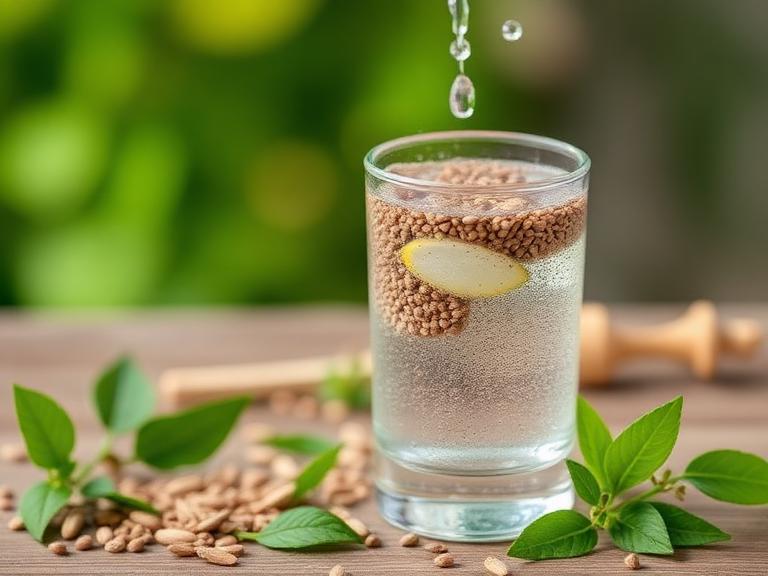
Chia seed water has become one of the most popular wellness trends in recent years, with millions of social media users sharing their experiences with this simple yet powerful drink. Often referred to as the “internal shower” or “natural appetite suppressant,” chia seed water combines the nutritional powerhouse of chia seeds with the hydrating properties of water to create a beverage that supporters claim can aid weight loss, improve digestion, and boost overall health.
This comprehensive guide explores everything you need to know about chia seed water, from its scientifically-backed benefits to potential side effects, preparation methods, and expert recommendations for incorporating it into your daily routine.
What Is Chia Seed Water and Why Has It Gone Viral
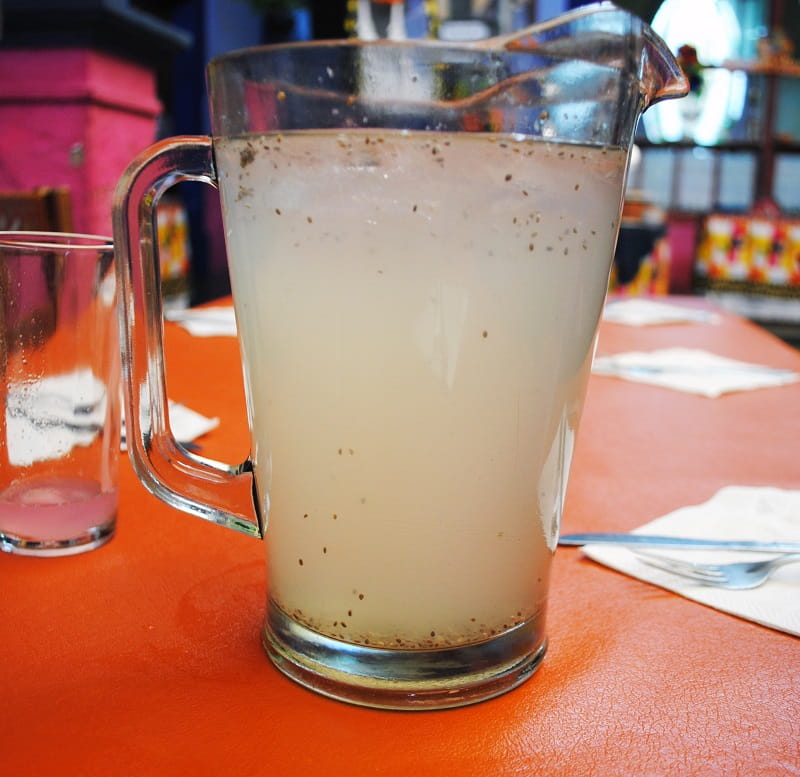
Chia seed water is exactly what its name suggests: a beverage created by soaking chia seeds in water. The drink has exploded in popularity on platforms like TikTok, where videos about chia seed water have garnered hundreds of millions of views. When chia seeds come into contact with liquid, they undergo a remarkable transformation. These tiny black or white seeds can absorb up to twelve times their weight in water, developing a gelatinous outer coating that gives the drink its characteristic texture similar to miniature tapioca pearls.
The simplicity of chia seed water is part of its appeal. Unlike complicated diet plans or expensive supplements, this drink requires only two basic ingredients and minimal preparation time. The basic recipe involves mixing one to two tablespoons of chia seeds with eight to ten ounces of water and allowing the mixture to sit for approximately fifteen to twenty minutes. During this soaking period, the seeds expand and create a gel-like consistency that many people find satisfying to drink.
The Nutritional Powerhouse Behind Chia Seeds
To understand why chia seed water has become so popular, it is essential to examine the impressive nutritional profile of chia seeds themselves. These tiny seeds, derived from the Salvia hispanica plant native to Central America and Mexico, have been consumed for over five thousand years. Ancient Aztec and Mayan civilizations relied on chia seeds as a dietary staple, recognizing their ability to provide sustained energy and nutrition.
One ounce of chia seeds, which equals approximately two and a half tablespoons, contains remarkable nutritional value. This serving provides around one hundred forty calories and delivers nearly ten grams of dietary fiber, which represents roughly one-third of the recommended daily fiber intake for adults. The fiber content in chia seeds is particularly noteworthy because it includes both soluble and insoluble fiber, each offering distinct health benefits.
Beyond fiber, chia seeds are an exceptional source of plant-based protein, containing approximately five grams per ounce. What makes chia seeds especially valuable is that they are a complete protein, meaning they contain all nine essential amino acids that the human body cannot produce on its own. This characteristic places chia seeds in an elite category alongside other complete plant proteins like quinoa, soy, and hemp seeds.
The fat content in chia seeds consists primarily of heart-healthy omega-3 fatty acids, specifically alpha-linolenic acid. One ounce of chia seeds contains nearly five grams of omega-3 fatty acids, making them one of the richest plant-based sources of this essential nutrient. Omega-3 fatty acids play crucial roles in cardiovascular health, brain function, and reducing inflammation throughout the body.
Chia seeds also provide an impressive array of vitamins and minerals. They are particularly rich in calcium, magnesium, phosphorus, iron, and zinc. Two tablespoons of chia seeds contain approximately eighteen percent of the recommended daily calcium intake, fifteen percent of magnesium, twenty-seven percent of phosphorus, and twelve percent of iron. These micronutrients support bone health, muscle function, energy production, and immune system performance.
The antioxidant content of chia seeds deserves special attention. These seeds contain powerful antioxidant compounds including chlorogenic acid, caffeic acid, tocopherols, phytosterols, carotenoids, and various polyphenolic compounds. Antioxidants protect cells from damage caused by free radicals, which can contribute to chronic diseases, aging, and inflammation. Research suggests that the antioxidants in chia seeds may help protect against cardiovascular disease, certain cancers, and neurodegenerative conditions like dementia.
How Chia Seed Water Supports Weight Loss Goals
The connection between chia seed water and weight loss has generated significant interest among health-conscious individuals seeking natural approaches to weight management. While chia seeds alone are not a magical solution for weight loss, scientific research and expert opinions suggest several mechanisms through which chia seed water may support weight loss efforts when combined with a balanced diet and healthy lifestyle.
The primary way chia seed water may assist with weight loss relates to its ability to promote feelings of fullness and satiety. When chia seeds absorb water and expand in the stomach, they occupy physical space that can help reduce hunger sensations. The high fiber content plays a crucial role in this satiety effect. Soluble fiber forms a gel-like substance in the digestive tract that slows the emptying of the stomach, keeping you feeling fuller for longer periods after consumption.
A study examining the effects of chia seeds on appetite found that participants who consumed chia in yogurt as a mid-morning snack reported feeling less hungry and ate less food later in the day compared to those who ate yogurt without chia. The protein content in chia seeds also contributes to satiety, as protein is known to be the most filling macronutrient, helping to reduce overall calorie intake throughout the day.
Research on chia seeds and weight loss has produced mixed but promising results. One study found that people who consumed chia seeds daily for twelve weeks lost approximately two and a half pounds, though individual results varied significantly. Another study involving people with type two diabetes showed slightly more weight and waist circumference loss when chia was incorporated into a calorie-restricted eating plan compared to oat bran.
The blood sugar stabilization effect of chia seeds may also contribute to weight management. The fiber in chia seeds slows the absorption of sugar into the bloodstream, helping to prevent the blood sugar spikes and crashes that can trigger hunger and cravings. By maintaining more stable blood sugar levels throughout the day, individuals may find it easier to avoid overeating and make healthier food choices.
Nutritionists and registered dietitians emphasize that chia seed water should be viewed as a supportive tool rather than a standalone weight loss solution. The drink works best when used strategically as part of a comprehensive approach to healthy eating and lifestyle habits. For example, drinking chia seed water thirty minutes before meals may help reduce appetite and prevent overeating. Some people use it as a replacement for higher-calorie beverages or snacks, which can contribute to creating the calorie deficit necessary for weight loss.

Additional Health Benefits Beyond Weight Management
While weight loss often captures the most attention, chia seed water offers numerous other health benefits that contribute to overall wellness. Understanding these additional advantages provides a more complete picture of why this simple drink has gained such widespread popularity among health enthusiasts.
Digestive health represents one of the most commonly cited benefits of consuming chia seed water. The exceptional fiber content promotes regular bowel movements and helps prevent constipation by adding bulk to stool and softening its consistency. The soluble fiber in chia seeds draws water into the digestive tract, making elimination easier and more comfortable. Many users report improved digestive regularity within days of beginning to consume chia seed water daily.
Beyond basic regularity, the fiber in chia seeds supports a healthy gut microbiome by serving as a prebiotic. Prebiotics are compounds that feed beneficial bacteria in the intestines, helping them thrive and multiply. Research has shown that chia seeds may promote the growth of good bacteria including Lactobacillus and Enterococcus species, which play important roles in digestion, immune function, and even mental health through the gut-brain connection.
Cardiovascular health benefits associated with chia seeds are well-documented in scientific literature. The combination of omega-3 fatty acids, fiber, and antioxidants in chia seeds supports heart health through multiple pathways. Studies have demonstrated that regular consumption of chia seeds can help reduce blood pressure, lower harmful cholesterol levels, decrease triglycerides, and reduce the risk of blood clot formation. One study found that consuming chia seeds regularly helped reduce the risk of heart attack and stroke while increasing beneficial cholesterol levels.
The hydration benefits of chia seed water extend beyond simple fluid intake. Because chia seeds can retain so much water, they help the body maintain proper hydration for longer periods. This sustained hydration is particularly beneficial during physical activity or in hot weather conditions. Research has found that chia seed gel functions as an effective high-energy sports drink that supports electrolyte balance, athletic performance, and hydration status.
Blood sugar management represents another significant benefit for many people. The soluble fiber and protein in chia seeds help slow the digestion and absorption of carbohydrates, preventing the rapid blood sugar spikes that can occur after eating. This blood sugar stabilization is beneficial not only for people with diabetes or prediabetes but also for anyone seeking sustained energy levels throughout the day. More stable blood sugar means fewer energy crashes, reduced cravings, and better mood stability.
Bone health may also benefit from regular chia seed consumption due to their rich calcium, phosphorus, and magnesium content. These minerals work together to maintain bone density and strength. Just one ounce of chia seeds provides approximately eighteen percent of the recommended daily calcium intake, making them an excellent option for people who do not consume dairy products or who need to boost their calcium intake through plant-based sources.
The anti-inflammatory properties of chia seeds deserve recognition as well. Chronic inflammation contributes to numerous health problems including heart disease, diabetes, certain cancers, and autoimmune conditions. The omega-3 fatty acids and antioxidants in chia seeds have demonstrated anti-inflammatory effects in research studies, potentially helping to reduce inflammation markers in the body and lower the risk of inflammation-related diseases.
Step-by-Step Guide to Making Perfect Chia Seed Water
Creating chia seed water correctly ensures you obtain the maximum benefits while avoiding potential issues like choking hazards or digestive discomfort. While the basic recipe is straightforward, understanding the proper technique and ratios will help you make the most enjoyable and effective version of this wellness drink.
The standard chia seed water recipe calls for one to two tablespoons of chia seeds mixed with eight to ten ounces of water. If you are new to consuming chia seeds or have a sensitive digestive system, nutritionists recommend starting with just half a tablespoon to one tablespoon of seeds to allow your body to adjust to the increased fiber intake. You can gradually increase the amount over several days or weeks as your digestive system adapts.
Begin by adding your measured chia seeds to a glass, jar, or bottle containing water at your preferred temperature. While room temperature water works perfectly well, many people prefer cold water for a more refreshing drink, especially during warm weather. Immediately after adding the seeds to the water, stir the mixture vigorously for at least thirty seconds. This initial stirring is crucial because it prevents the seeds from clumping together at the bottom of the container.
Allow the mixture to sit for ten to twenty minutes to give the chia seeds adequate time to absorb water and develop their characteristic gel-like coating. The longer you allow the seeds to soak, the thicker and more gel-like the consistency becomes. Some people prefer to prepare their chia seed water the night before and refrigerate it overnight, resulting in a thicker, pudding-like texture. Others prefer to drink it after just ten minutes when the texture is lighter and less gelatinous.
After the initial soaking period, give the mixture another thorough stir before drinking. Chia seeds have a tendency to settle at the bottom, so stirring again ensures an even distribution throughout the liquid. If you find the plain version too bland, you have numerous options for enhancing the flavor. Popular additions include:
- Fresh lemon or lime juice: Adding the juice of half a lemon or lime provides a refreshing citrus flavor and adds vitamin C and antioxidants to your drink. The acidic nature of citrus may also support digestion for some individuals, though people with sensitive teeth should be cautious about excessive acid exposure.
- Natural sweeteners: A small amount of honey, maple syrup, or agave nectar can make the drink more palatable without adding excessive calories. Aim for no more than one teaspoon of sweetener per serving to keep sugar content reasonable.
- Fresh fruit: Muddled berries, sliced cucumber, or chunks of watermelon can infuse your chia seed water with natural flavors and additional nutrients. This approach adds variety and makes the drink feel more like a treat than a health obligation.
- Herbs and spices: Fresh mint leaves, basil, or a pinch of cinnamon can provide interesting flavor dimensions. These additions may also contribute their own health benefits, such as mint’s digestive support or cinnamon’s blood sugar balancing properties.
- Coconut water: Replacing regular water with coconut water creates a tropical-flavored version while adding electrolytes like potassium and magnesium. This variation is particularly popular among athletes and active individuals.
Optimal Timing and Consumption Strategies
When to drink chia seed water depends largely on your personal goals and daily routine, though certain timing strategies may enhance specific benefits. Understanding how timing affects the drink’s effectiveness can help you maximize its potential advantages.
Many people find that drinking chia seed water first thing in the morning on an empty stomach provides an energizing start to their day while supporting digestive regularity. The fiber and protein help create a feeling of fullness that may reduce the likelihood of overeating at breakfast. Some individuals report that morning consumption helps them maintain better appetite control throughout the entire day.
Consuming chia seed water thirty minutes before meals is a popular strategy for those focused on weight management. This timing allows the seeds to begin expanding in the stomach before food arrives, potentially reducing overall meal portion sizes without conscious restriction. The feeling of fullness may help prevent overeating and make it easier to stop eating when genuinely satisfied rather than overly full.
Between meal consumption serves as an effective strategy for managing afternoon hunger and preventing unhealthy snacking. The combination of fiber, protein, and hydration can help bridge the gap between lunch and dinner, reducing the temptation to reach for high-calorie, low-nutrient snack foods. This approach is particularly helpful for people who struggle with mid-afternoon energy slumps and cravings.
Before exercise, chia seed water can provide sustained energy and help maintain hydration during physical activity. The carbohydrates in chia seeds release slowly, providing steady fuel without causing blood sugar spikes that could lead to energy crashes. The hydration support is especially valuable for longer duration activities or exercise in hot conditions.
Post-workout consumption can support recovery by providing protein for muscle repair, carbohydrates for energy replenishment, and fluid for rehydration. The anti-inflammatory omega-3 fatty acids may also help reduce exercise-induced inflammation and support faster recovery between training sessions.
Evening consumption before bed is less common but may be beneficial for people who experience nighttime hunger or want to support overnight hydration. However, because chia seeds are high in fiber, some people may find that evening consumption leads to digestive activity that disrupts sleep. Individual experimentation is necessary to determine whether evening consumption works well for your body.
Understanding Potential Side Effects and Precautions
While chia seed water offers numerous benefits, it is essential to understand potential side effects and take appropriate precautions. Not everyone responds identically to chia seeds, and certain individuals may need to avoid or limit their consumption based on specific health conditions or circumstances.
Digestive discomfort represents the most commonly reported side effect of consuming chia seed water, particularly when people begin drinking it for the first time or consume excessive amounts. The high fiber content can cause bloating, gas, cramping, or changes in bowel habits. These symptoms typically occur when the digestive system has not adapted to the increased fiber intake. Starting with small amounts and gradually increasing consumption allows the digestive tract to adjust more comfortably.
Constipation may paradoxically occur if someone drinks chia seed water without consuming adequate additional fluids throughout the day. Because chia seeds absorb so much water, they can actually contribute to dehydration and constipation if overall fluid intake is insufficient. Experts recommend drinking at least eight additional ounces of water beyond the chia seed water itself to ensure adequate hydration. Some nutritionists suggest consuming one extra glass of water for every tablespoon of chia seeds consumed.
Choking hazard is a serious concern that requires attention. Dry chia seeds should never be consumed without first soaking them in liquid. When dry seeds come into contact with saliva or esophageal fluids, they can rapidly expand and potentially cause choking or blockage. There have been documented cases of individuals requiring medical intervention after consuming dry chia seeds. Always ensure chia seeds are thoroughly soaked before consumption, and never eat them in their dry form.
Allergic reactions to chia seeds, while rare, can occur in susceptible individuals. Symptoms of a chia seed allergy may include itching, hives, swelling of the face or throat, difficulty breathing, dizziness, or in severe cases, anaphylaxis. Anyone with a history of allergies to other seeds or nuts should approach chia seeds cautiously and consider consulting with an allergist before regular consumption.
Blood sugar fluctuations may occur in people taking diabetes medications. While chia seeds can help stabilize blood sugar for most people, their blood sugar-lowering effects may be too powerful when combined with diabetes medications, potentially leading to hypoglycemia. Individuals with diabetes who take medication should monitor their blood sugar carefully when adding chia seed water to their routine and consult with their healthcare provider about potential medication adjustments.
Blood pressure considerations apply to people taking antihypertensive medications. Chia seeds have demonstrated blood pressure-lowering effects in research studies, which is generally beneficial. However, for people already taking blood pressure medications, the combined effect could potentially lower blood pressure excessively, leading to dizziness, weakness, or fainting. Regular blood pressure monitoring and medical supervision are advisable when combining chia seeds with blood pressure medications.
Blood thinning effects result from the high omega-3 fatty acid content in chia seeds. While omega-3s provide cardiovascular benefits, they also have mild anticoagulant properties. People taking blood-thinning medications such as warfarin, aspirin, or other anticoagulants should exercise caution with chia seeds, as the combined effect might increase bleeding risk. Anyone scheduled for surgery should inform their surgeon about chia seed consumption and may need to discontinue use several days before the procedure.
Pregnancy and breastfeeding warrant special consideration. While chia seeds are generally considered safe and nutritious during pregnancy and lactation, the high fiber content could potentially cause digestive discomfort. Pregnant and nursing women should consult their healthcare providers before adding chia seed water to their diet, particularly if they have any pregnancy complications or concerns.
Kidney disease patients should approach chia seeds cautiously due to their high phosphorus and potassium content. For individuals with compromised kidney function, excess intake of these minerals can create problems. Anyone with kidney disease should discuss chia seed consumption with their nephrologist or registered dietitian.
Gastrointestinal conditions including inflammatory bowel disease, irritable bowel syndrome, diverticulitis, or Crohn’s disease may be aggravated by the high fiber content in chia seeds. During flare-ups of these conditions, high-fiber foods are typically restricted. People with these conditions should work with their gastroenterologist or dietitian to determine if chia seed water is appropriate for their situation.
Scientific Evidence and Research Findings
Examining the scientific research on chia seeds provides important context for understanding both the validated benefits and the areas where evidence remains limited. While chia seeds have been consumed for thousands of years, modern scientific investigation of their health effects is relatively recent, with most studies conducted within the past two decades.
Weight loss research on chia seeds has produced mixed results. A systematic review examining multiple studies found that while some participants experienced modest weight loss with chia seed consumption, others showed no significant changes. The most positive results appeared in studies where chia seeds were incorporated into a calorie-restricted diet rather than being added to an unrestricted eating pattern. This suggests that chia seeds work best as part of a comprehensive weight management approach rather than as a standalone intervention.
One notable twelve-week study found that participants consuming chia seeds daily lost an average of two and a half pounds, though individual results varied considerably. Another study specifically examining people with type two diabetes showed greater weight and waist circumference reduction when chia seeds were included in a calorie-controlled diet compared to oat bran. These findings support the use of chia seeds as a helpful tool for weight management when combined with other healthy behaviors.
Cardiovascular research has produced more consistently positive results. Multiple studies have demonstrated that regular chia seed consumption can reduce blood pressure in people with hypertension. One study found significant reductions in both systolic and diastolic blood pressure after just twelve weeks of daily chia seed consumption. The mechanisms behind this effect likely involve the omega-3 fatty acids, fiber, and antioxidants working synergistically to support vascular health.
Cholesterol research indicates that chia seeds may help improve lipid profiles. Studies have shown reductions in total cholesterol, harmful cholesterol, and triglycerides, along with increases in beneficial cholesterol. These effects are particularly important for cardiovascular disease prevention and may be especially beneficial for people with metabolic syndrome or diabetes.
Blood sugar management studies have shown that chia seeds can help reduce blood sugar spikes after meals and improve overall glycemic control. The soluble fiber in chia seeds slows carbohydrate digestion and absorption, leading to more gradual and moderate blood sugar increases. This effect has been demonstrated in both healthy individuals and people with type two diabetes.
Satiety research supports the claim that chia seeds help promote feelings of fullness. Studies measuring hunger hormones and subjective ratings of fullness have found that meals containing chia seeds lead to reduced hunger and decreased subsequent food intake compared to meals without chia seeds. The combination of fiber, protein, and the physical expansion of the seeds in the stomach all contribute to this satiety effect.
Digestive health studies have confirmed that the fiber in chia seeds promotes regular bowel movements and may help alleviate constipation. Research has also demonstrated prebiotic effects, with chia seed consumption promoting the growth of beneficial gut bacteria. These findings support the traditional use of chia seeds for digestive wellness.
Athletic performance research has shown that chia seed gel can effectively replace commercial sports drinks for hydration and energy during endurance activities. One study found that consuming chia seed gel provided equivalent performance benefits compared to sugar-based sports drinks while offering superior nutritional quality with omega-3 fatty acids, fiber, and protein.
It is important to note that no research specifically examines chia seed water as a distinct preparation. Most studies have investigated chia seeds added to foods like yogurt, used in baking, or consumed as chia gel. The benefits attributed to chia seed water are extrapolated from these studies on chia seeds generally. While this extrapolation is reasonable given that chia seed water contains the same nutrients as other chia preparations, specific research on this particular format would provide more definitive evidence.
Pro Tips for Success with Chia Seed Water
Maximizing the benefits of chia seed water while minimizing potential drawbacks requires strategic approaches based on expert recommendations and user experiences. These professional tips can help you incorporate chia seed water effectively into your wellness routine.
Start slowly with minimal amounts if you are new to chia seeds or have a sensitive digestive system. Begin with just half a tablespoon of seeds per day and gradually increase to one or two tablespoons over the course of several weeks. This gradual approach allows your digestive tract to adapt to the increased fiber intake without causing uncomfortable symptoms. Monitor your body’s response carefully and adjust your intake based on how you feel.
Maintain adequate hydration by drinking plenty of plain water throughout the day in addition to your chia seed water. A useful guideline is to drink at least one extra eight-ounce glass of water for every tablespoon of chia seeds consumed. This additional fluid intake ensures that the fiber can move through your digestive system smoothly and prevents dehydration that could lead to constipation.
Experiment with flavor variations to keep your chia seed water interesting and prevent taste fatigue. Rotating between plain water, lemon water, lime water, berry-infused versions, and coconut water preparations adds variety to your routine and may help you maintain consistency over time. Consider preparing different flavors for different times of day or matching flavors to specific purposes.
Use a wide-mouth bottle or jar with a lid for easy preparation and drinking. A container with a lid allows you to shake the mixture vigorously to prevent clumping and makes it convenient to prepare larger batches. Wide-mouth containers also make it easier to clean chia seed residue that may stick to the sides and bottom.
Invest in a glass or metal straw with a wide opening specifically designed for smoothies and thick beverages. Regular straws may become clogged by the gel-coated seeds, but wider straws allow easy consumption while helping to stir the mixture between sips. Some reusable straw sets include cleaning brushes to maintain hygiene.
Prepare batches in advance by mixing chia seeds with water in larger quantities and storing the mixture in the refrigerator for up to five days. Many people find it convenient to prepare several servings at once, ensuring they always have chia seed water ready when needed. Simply give the container a shake before pouring each serving.
Time your consumption strategically based on your primary goals. For weight management, drink chia seed water thirty minutes before meals. For energy support, consume it mid-morning or mid-afternoon. For digestive regularity, try drinking it first thing in the morning. Experiment with different timings to discover what works best for your body and lifestyle.
Combine chia seed water with other healthy habits rather than relying on it as a standalone solution. Use it as part of a comprehensive approach that includes balanced nutrition, regular physical activity, adequate sleep, and stress management. The synergistic effects of multiple healthy behaviors produce far better results than any single intervention alone.
Monitor your response by keeping a simple journal tracking your chia seed water consumption, any symptoms or side effects, changes in appetite, energy levels, digestive patterns, and weight trends. This self-monitoring can help you identify patterns and optimize your approach over time. It also provides valuable information to share with healthcare providers if needed.
Choose high-quality chia seeds from reputable brands that test for purity and contaminants. Organic certification ensures the seeds were grown without synthetic pesticides or fertilizers. Store your chia seeds in an airtight container in a cool, dry place to maintain freshness and prevent rancidity of the omega-3 fatty acids.
Avoid consuming chia seed water too close to bedtime if you find it stimulates digestive activity or increases nighttime bathroom trips. While chia seeds themselves are not stimulating, the fiber content and hydration boost may interfere with sleep for some individuals. Test evening consumption carefully to determine if it works for your sleep patterns.
Be patient with results, recognizing that the benefits of chia seed water accumulate gradually over time rather than appearing immediately. Digestive improvements may occur within a few days, but weight loss and cardiovascular benefits typically require several weeks or months of consistent consumption to become apparent. Set realistic expectations and focus on sustainable habits rather than quick fixes.
Frequently Asked Questions About Chia Seed Water
How much chia seed water should I drink per day? Most nutrition experts recommend consuming no more than two tablespoons of chia seeds daily, which typically translates to one or two servings of chia seed water. Exceeding this amount may increase the risk of digestive discomfort and other side effects. If you are new to chia seeds, start with half a tablespoon and gradually increase your intake over several weeks.
Can I drink chia seed water every day? Yes, most people can safely consume chia seed water daily as part of a balanced diet. Consistency is often beneficial for experiencing the full range of health benefits. However, if you notice any adverse effects such as digestive issues, allergic reactions, or medication interactions, reduce your intake or discontinue use and consult with a healthcare provider.
How long does it take to see weight loss results from chia seed water? Weight loss results vary significantly among individuals and depend on numerous factors including overall diet quality, physical activity level, starting weight, and metabolic factors. Research suggests that people who consistently consume chia seeds as part of a calorie-restricted diet may see modest weight loss within twelve weeks, though some individuals experience results sooner while others see minimal changes. Chia seed water should be viewed as one component of a comprehensive weight management strategy rather than a rapid weight loss solution.
Can I prepare chia seed water in advance? Yes, prepared chia seed water can be stored in the refrigerator for up to five days. Many people find it convenient to prepare larger batches, making it readily available throughout the week. Store the mixture in an airtight container and shake or stir well before each serving, as the seeds tend to settle at the bottom over time.
What is the best time to drink chia seed water for weight loss? For weight loss purposes, many experts recommend drinking chia seed water thirty minutes before meals to promote feelings of fullness and reduce overall food intake. However, some people find that consuming it between meals as a snack replacement or first thing in the morning works better for their appetite control. Experiment with different timings to determine what produces the best results for your individual body and routine.
Can I use chia seed water to replace meals? No, chia seed water should not be used as a meal replacement. While it contains valuable nutrients, it does not provide sufficient calories, protein, vitamins, or minerals to substitute for a complete meal. Using chia seed water as a meal replacement could lead to nutrient deficiencies, inadequate energy intake, and unsustainable weight loss patterns. Instead, use it as a supplement to balanced meals or as a snack between meals.
Do black and white chia seeds have different nutritional values? Black and white chia seeds offer nearly identical nutritional profiles and health benefits. The main difference lies in their appearance and slightly different antioxidant content, with black seeds containing marginally more antioxidants due to their darker pigmentation. Both varieties are equally effective for making chia seed water, so you can choose based on personal preference or availability.
Can I make chia seed water with hot water? While you can use warm water to prepare chia seed water, very hot water may degrade some of the heat-sensitive nutrients in chia seeds, particularly certain antioxidants and potentially the omega-3 fatty acids. Room temperature or cold water is generally recommended for preserving maximum nutritional value. If you prefer a warm beverage, use lukewarm rather than hot water.
Is it safe to consume chia seeds during pregnancy? Chia seeds are generally considered safe during pregnancy and can provide valuable nutrients including omega-3 fatty acids, calcium, and protein that support maternal and fetal health. However, the high fiber content might cause digestive discomfort in some pregnant women. Pregnant individuals should consult their healthcare provider before adding chia seed water to their diet, particularly if they have any pregnancy complications or concerns.
Can I add chia seed water to my smoothies? Yes, adding pre-soaked chia seeds to smoothies is an excellent way to boost their nutritional content. Pre-soaking the seeds ensures they are already expanded and gel-coated, preventing them from absorbing liquid from the smoothie and making the texture too thick. You can also blend dry chia seeds directly into smoothies, though allowing them to soak separately first typically produces a more pleasant consistency.
Will chia seed water help with constipation? Many people find that chia seed water helps promote regular bowel movements and alleviate constipation due to its high soluble and insoluble fiber content. The soluble fiber draws water into the intestines, softening stool, while the insoluble fiber adds bulk and stimulates movement through the digestive tract. However, adequate overall fluid intake is essential for this benefit, as consuming chia seeds without sufficient water could paradoxically worsen constipation.
How does chia seed water compare to other fiber supplements? Chia seed water offers several advantages over isolated fiber supplements. Unlike fiber powders or pills, chia seeds provide a complete package of nutrients including protein, healthy fats, vitamins, minerals, and antioxidants. The natural whole food form may also be better tolerated by some individuals compared to concentrated fiber supplements, which can sometimes cause more pronounced digestive discomfort. However, fiber supplements may be more convenient for people who dislike the texture of chia seed water.
Can children drink chia seed water? While chia seeds are nutritious and can be part of a healthy diet for children, parents should exercise caution. The choking hazard is a serious concern, particularly for young children who may not chew food thoroughly. Always ensure chia seeds are fully soaked and swollen before offering them to children. Start with very small amounts to assess tolerance, and supervise young children while they drink chia seed water. Consult with a pediatrician before introducing chia seeds to children under age five or those with swallowing difficulties.
Does the texture of chia seed water bother most people? Texture preferences vary widely among individuals. Some people enjoy the unique gelatinous consistency and find it satisfying, while others may initially find it unusual or off-putting. The texture has been compared to tapioca pearls, bubble tea, or frog eggs depending on personal perspective. If you find the texture unpleasant, try blending the soaked seeds completely to create a smoother consistency, or start with smaller amounts of seeds to create a less thick mixture. Many people report that they adapt to the texture within a few days of regular consumption.
Can I use chia seed water to replace my morning coffee? While chia seed water provides sustained energy through its combination of protein, healthy fats, and complex carbohydrates, it does not contain caffeine and will not provide the stimulating effects of coffee. Some people successfully use chia seed water as a complement to their morning routine rather than a replacement, enjoying both for different benefits. If you are trying to reduce caffeine intake, chia seed water can help provide energy through nutrition and hydration, though the transition period may require adjustment as your body adapts to functioning without caffeine.
How long do chia seeds stay fresh? When stored properly in an airtight container in a cool, dry place away from direct sunlight, dry chia seeds can maintain their quality for two to four years. The high antioxidant content in chia seeds helps protect the omega-3 fatty acids from oxidation, making them more shelf-stable than many other seeds and nuts. For maximum freshness, some people store chia seeds in the refrigerator or freezer, though this is not necessary if you use them regularly. Discard chia seeds if they develop an off odor, bitter taste, or show signs of moisture or mold.
Will chia seed water break my intermittent fasting? Yes, chia seed water contains calories, protein, carbohydrates, and fat, which means it will break a fast. If you practice intermittent fasting, chia seed water should be consumed during your eating window rather than during fasting periods. Plain water, black coffee, or unsweetened tea are appropriate during fasting windows, while chia seed water can be enjoyed once you begin eating to help promote satiety and provide nutrition.
Can I use chia seed water if I have irritable bowel syndrome? The answer depends on your individual IBS type and triggers. Some people with IBS find that the soluble fiber in chia seeds helps regulate bowel movements and reduce symptoms, while others experience increased gas, bloating, or discomfort from the high fiber content. If you have IBS, start with a very small amount such as half a teaspoon of chia seeds and carefully monitor your symptoms. During IBS flare-ups, it may be best to avoid high-fiber foods including chia seeds until symptoms improve. Work with a gastroenterologist or registered dietitian who specializes in digestive health to determine if chia seed water is appropriate for your specific situation.
Is there a difference between chia seed water and chia gel? The terms are often used interchangeably, though chia gel typically refers to a thicker preparation with a higher ratio of chia seeds to liquid, creating a more pudding-like consistency. Chia gel might use three to four tablespoons of seeds per cup of liquid and be allowed to soak for several hours or overnight, while chia seed water typically uses one to two tablespoons per eight to ten ounces and soaks for fifteen to thirty minutes, resulting in a more drinkable consistency. Both preparations offer similar nutritional benefits, with the main difference being texture and concentration.
Can chia seed water help with acid reflux? Some people report that chia seed water helps soothe their digestive system and may reduce acid reflux symptoms, possibly due to the mucilaginous gel coating that forms around the seeds. This gel may help coat and protect the esophagus and stomach lining. However, individual responses vary, and some people with acid reflux may find that any food or beverage in the stomach triggers symptoms. If you have chronic acid reflux or gastroesophageal reflux disease, consult with your healthcare provider before using chia seed water as a remedy, and avoid lying down immediately after consuming it.
Do I need to grind chia seeds or can I consume them whole? Unlike flaxseeds, which must be ground for nutrient absorption, chia seeds can be consumed whole and your body can still absorb their nutrients. The digestive system can break down whole chia seeds effectively, though grinding them may increase the bioavailability of certain nutrients and make them easier to digest for some people. For chia seed water specifically, whole seeds are preferable as they create the characteristic gel texture that contributes to satiety and digestive benefits. Ground chia seeds can be used in baking or smoothies where texture is less important.
How does chia seed water compare to other trendy wellness drinks? Chia seed water offers distinct advantages compared to many other popular wellness beverages. Unlike juice cleanses or detox drinks that are often high in sugar and low in protein and healthy fats, chia seed water provides balanced nutrition with sustained energy. Compared to protein shakes, chia seed water offers superior fiber content and natural whole food nutrition. Unlike coffee or energy drinks that provide temporary stimulation through caffeine, chia seed water supports stable energy through its nutrient profile. The affordability and simplicity of chia seed water also make it more accessible than expensive specialty wellness drinks or supplements.
Conclusion
Chia seed water represents a simple yet powerful addition to a healthy lifestyle, offering potential benefits for weight management, digestive health, cardiovascular wellness, and overall nutrition. The impressive nutritional profile of chia seeds, including their exceptional fiber content, plant-based protein, omega-3 fatty acids, and diverse array of vitamins, minerals, and antioxidants, makes them a valuable functional food that has earned their place in modern wellness routines.
For individuals seeking to lose weight, chia seed water can serve as a helpful tool by promoting feelings of fullness, stabilizing blood sugar levels, and supporting reduced calorie intake when consumed strategically before meals or as a replacement for higher-calorie beverages and snacks. However, it is essential to maintain realistic expectations and understand that chia seed water works best as part of a comprehensive approach that includes balanced nutrition, regular physical activity, adequate sleep, and sustainable lifestyle habits rather than as a standalone quick fix.
The additional health benefits beyond weight loss, including improved digestive regularity, enhanced cardiovascular function, better blood sugar control, sustained hydration, reduced inflammation, and support for bone health, make chia seed water appealing for a broad range of health goals. The growing body of scientific research, while still developing in some areas, provides encouraging evidence for many of the traditional and popular uses of chia seeds.
Proper preparation is straightforward but important. Always ensure chia seeds are thoroughly soaked before consumption to avoid choking hazards and maximize digestive comfort. Start with small amounts to allow your body to adjust to the increased fiber intake, and maintain adequate hydration by drinking plenty of additional water throughout the day. Pay attention to your individual response and adjust your consumption accordingly based on how your body reacts.
Understanding potential side effects and precautions helps ensure safe consumption. While most people tolerate chia seed water well, digestive discomfort can occur, particularly when starting or consuming excessive amounts. Individuals with certain health conditions, including diabetes, cardiovascular disease, kidney disease, or gastrointestinal disorders, should consult healthcare providers before adding chia seed water to their routine. People taking medications that affect blood sugar, blood pressure, or blood clotting should exercise particular caution and maintain close communication with their medical team.
The versatility of chia seed water allows for endless customization through flavor variations, different liquid bases, and strategic timing based on individual goals and preferences. Whether consumed plain for simplicity, flavored with citrus for refreshment, or prepared with coconut water for tropical flair, chia seed water can be adapted to suit diverse tastes and needs. Experimenting with different approaches helps identify what works best for your unique body, lifestyle, and objectives.
Success with chia seed water requires patience, consistency, and integration into broader healthy lifestyle patterns. The benefits accumulate gradually over time rather than appearing overnight, making sustained use more important than occasional consumption. Combining chia seed water with other evidence-based wellness strategies creates synergistic effects that produce superior results compared to any single intervention alone.
Quality matters when selecting chia seeds. Choose reputable brands that test for purity and consider organic certification to avoid pesticide residues. Store chia seeds properly in airtight containers away from heat and light to maintain freshness and preserve the delicate omega-3 fatty acids from oxidation.
As with any dietary change or wellness practice, individual variation means that what works excellently for one person may not produce identical results for another. Self-monitoring through simple journaling can help you track your personal response, identify patterns, optimize your approach, and make informed decisions about continuing or adjusting your chia seed water consumption. This self-awareness empowers you to use chia seed water most effectively for your unique situation.
Ultimately, chia seed water offers an accessible, affordable, and nutrient-dense option for people seeking natural approaches to support their health and wellness goals. When used thoughtfully as part of a balanced lifestyle, this ancient superfood in its modern drink preparation can contribute meaningfully to improved health outcomes and enhanced quality of life. Whether your primary interest lies in weight management, digestive wellness, cardiovascular health, or simply adding more whole food nutrition to your daily routine, chia seed water deserves consideration as a valuable component of your wellness toolkit.
The journey toward better health rarely involves a single magical solution, but rather the accumulation of multiple small positive choices made consistently over time. Chia seed water represents one such positive choice that, when combined with other healthy behaviors and maintained with patience and persistence, can help support your progress toward your personal health and wellness aspirations.
