Clostridioides difficile (C. difficile) infection remains one of the most challenging healthcare-associated infections worldwide. As of 2026, it is responsible for nearly 500,000 cases annually in the U.S. alone, with a significant rise in community-acquired infections and recurrent episodes. This guide provides an up-to-date, evidence-based overview of C. difficile infection symptoms, causes, and prevention strategies, incorporating the latest medical research and clinical guidelines.
C. difficile is a Gram-positive, spore-forming bacterium that thrives in the gut when the natural microbiome is disrupted—most commonly due to antibiotic use. The infection can range from mild diarrhea to life-threatening colitis, making early recognition and prevention critical.
What Is C. Difficile Infection?
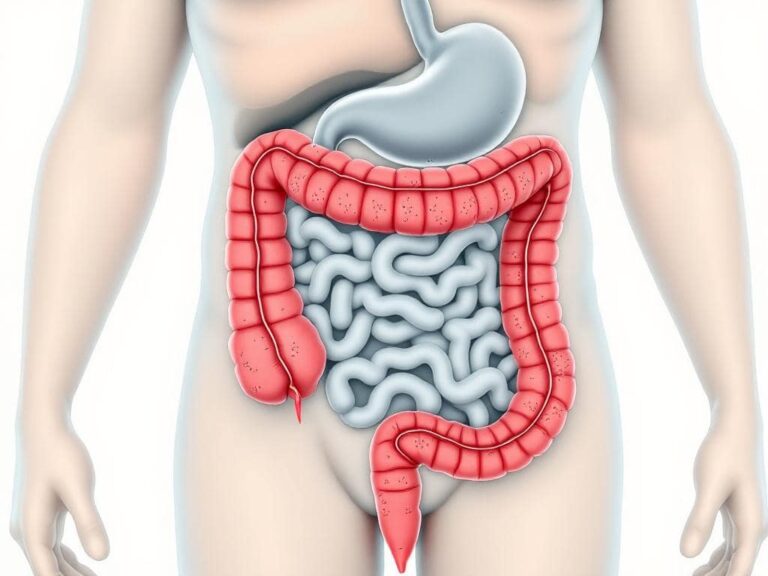
C. difficile infection (CDI) occurs when the bacterium overgrows in the colon, producing toxins that damage the intestinal lining. This leads to inflammation, diarrhea, and, in severe cases, pseudomembranous colitis. The infection is highly contagious, spreading through spores that can survive on surfaces for months.
Key Facts About C. Difficile
- Spore Formation: C. difficile produces spores that are resistant to heat, acid, and many disinfectants, making eradication difficult.
- Antibiotic Association: Over 85% of CDI cases occur after antibiotic use, which disrupts the gut microbiome and allows C. difficile to proliferate.
- Recurrence Rates: Up to 25% of patients experience a recurrence within 30 days, with higher rates in elderly and immunocompromised individuals.
- Global Burden: CDI is listed as one of the top five urgent antibiotic-resistant threats by the CDC, with rising incidence in both hospital and community settings.
Symptoms of C. Difficile Infection
Symptoms of CDI can vary from mild to severe. Recognizing them early is crucial for prompt treatment and preventing complications.
Common Symptoms
- Watery Diarrhea: Often the first sign, occurring 3+ times per day, sometimes with mucus or blood.
- Abdominal Pain and Cramping: Typically localized in the lower abdomen, worsening before bowel movements.
- Fever: Low-grade fever may accompany infection, indicating systemic inflammation.
- Nausea and Loss of Appetite: Common in moderate to severe cases, contributing to dehydration.
- Dehydration: Due to fluid loss from diarrhea, leading to dizziness, dry mouth, and fatigue.
Severe Symptoms (Requiring Immediate Medical Attention)
- Blood in Stool: Indicates potential pseudomembranous colitis or bowel perforation.
- Severe Abdominal Distension: May signal toxic megacolon, a life-threatening complication.
- Rapid Heart Rate and Low Blood Pressure: Signs of septic shock, requiring emergency intervention.
- Kidney Failure: Due to severe dehydration or systemic infection.
Causes and Risk Factors
CDI is primarily caused by antibiotic disruption of the gut microbiome, but several other factors increase susceptibility.
Primary Causes
- Antibiotic Use: Broad-spectrum antibiotics (e.g., clindamycin, fluoroquinolones, cephalosporins) are the leading cause, eliminating protective gut bacteria.
- Healthcare Exposure: Hospitals and long-term care facilities are high-risk environments due to frequent antibiotic use and close patient contact.
- Age: Adults over 65 are at higher risk due to weakened immune systems and increased antibiotic exposure.
- Underlying Health Conditions: Inflammatory bowel disease (IBD), chronic kidney disease, and immunocompromising conditions (e.g., HIV, chemotherapy) elevate risk.
- Proton Pump Inhibitors (PPIs): Long-term PPI use reduces stomach acid, allowing C. difficile spores to survive and colonize the gut.
Emerging Risk Factors (2025–2026)
- Community-Acquired Infections: Increasingly reported in individuals without recent healthcare exposure, linked to environmental spore contamination.
- Antibiotic Stewardship Gaps: Inadequate prescribing practices contribute to persistent CDI rates despite prevention efforts.
- Strain Virulence: Hypervirulent strains (e.g., NAP1/BI/027) are more resistant to antibiotics and produce higher toxin levels.
Diagnosis of C. Difficile Infection
Accurate diagnosis is essential to distinguish CDI from other causes of diarrhea and initiate appropriate treatment.
Diagnostic Methods
- Stool Test for Toxins: Enzyme immunoassay (EIA) detects toxins A and B, though sensitivity varies (60–90%).
- PCR Testing: Highly sensitive and specific, detecting C. difficile DNA in stool samples.
- Colonoscopy/Sigmoidoscopy: Used in severe cases to visualize pseudomembranes (yellowish plaques) in the colon.
- GDH Antigen Test: Rapid screening for C. difficile presence, often used with toxin tests for confirmation.
Diagnostic Challenges
- Asymptomatic Carriage: Up to 5% of adults and 50% of infants may carry C. difficile without symptoms, complicating diagnosis.
- False Positives/Negatives: EIA tests may miss infections or yield false positives, necessitating confirmatory PCR.
- Recurrent CDI: Requires repeat testing to confirm relapse vs. reinfection.
Treatment Options for C. Difficile Infection
Treatment focuses on eradicating the bacterium, managing symptoms, and preventing recurrence. Guidelines from the Infectious Diseases Society of America (IDSA) and Society for Healthcare Epidemiology of America (SHEA) inform current protocols.
First-Line Treatments
- Vancomycin (Oral): Preferred for severe or recurrent CDI, with a 90% cure rate. Dosage: 125 mg 4x daily for 10 days.
- Fidaxomicin: Narrow-spectrum antibiotic with lower recurrence rates (15% vs. 25% for vancomycin). Dosage: 200 mg 2x daily for 10 days.
- Metronidazole: Reserved for mild cases due to rising resistance and lower efficacy. Dosage: 500 mg 3x daily for 10–14 days.
Recurrent CDI Therapies
- Fecal Microbiota Transplantation (FMT): Restores gut microbiome via donor stool, with >85% success rates for recurrent CDI.
- Bezlotoxumab: Monoclonal antibody targeting toxin B, reducing recurrence by 40% when combined with antibiotics.
- Probiotics: Strains like Saccharomyces boulardii may reduce recurrence risk when used adjunctively.
Emerging Treatments (2026)
- VE303 (Live Biotherapeutic): Oral bacterial consortium showing promise in Phase 3 trials for recurrence prevention.
- Phage Therapy: Targeted viruses that kill C. difficile without disrupting the microbiome.
- Vaccines: In development to prevent initial infection in high-risk populations (e.g., elderly, frequent antibiotic users).
Prevention Strategies to Avoid C. Difficile Infection
Prevention is the cornerstone of CDI control, particularly in healthcare settings. The CDC’s 2025 updated guidelines emphasize a multifaceted approach.
Infection Control Measures
- Hand Hygiene: Use soap and water (not alcohol-based sanitizers) to physically remove spores.
- Contact Precautions: Isolate CDI patients and use gloves/gowns to prevent spore transmission.
- Environmental Cleaning: Use sporicidal disinfectants (e.g., bleach) for surfaces in patient rooms.
- Antibiotic Stewardship: Limit broad-spectrum antibiotics and prescribe only when necessary.
Personal Prevention Tips
- Avoid Unnecessary Antibiotics: Discuss alternatives with your doctor for viral infections.
- Probiotics: Consider supplements like Lactobacillus during/after antibiotics to support gut health.
- Dietary Fiber: A high-fiber diet promotes microbiome diversity, reducing CDI risk.
- Hydration: Prevents dehydration, which exacerbates CDI symptoms.
Healthcare System Interventions
- Surveillance Programs: Track CDI rates to identify outbreaks and target interventions.
- Staff Education: Train healthcare workers on proper hand hygiene and isolation protocols.
- Patient Screening: Identify high-risk patients (e.g., recent antibiotics, ICU stays) for early intervention.
Pro Tips for Managing C. Difficile Infection
- Early Testing: If diarrhea develops during/after antibiotics, request a C. difficile stool test immediately.
- Hydration Focus: Oral rehydration solutions (e.g., Pedialyte) are more effective than water alone.
- Diet Adjustments: BRAT diet (bananas, rice, applesauce, toast) can ease symptoms during active infection.
- Monitor for Recurrence: Track symptoms for 8 weeks post-treatment; recurrence often occurs within this window.
- Environmental Decontamination: Use bleach wipes on high-touch surfaces at home if CDI is confirmed.
Frequently Asked Questions (FAQs)
1. Can C. difficile infection occur without antibiotics?
Yes, while antibiotics are the primary risk factor, CDI can also occur due to chemotherapy, PPI use, or environmental exposure to spores.
2. How long is C. difficile contagious?
Patients remain contagious as long as diarrhea persists. Spores can linger on surfaces for months, so rigorous cleaning is essential.
3. What is the best probiotic for C. difficile prevention?
Saccharomyces boulardii and multi-strain Lactobacillus probiotics show the most evidence for reducing recurrence risk.
4. Can you die from C. difficile?
Yes, severe CDI can lead to toxic megacolon, sepsis, or kidney failure, with mortality rates up to 15% in elderly or immunocompromised patients.
5. Is there a vaccine for C. difficile?
Vaccines are in late-stage trials (2026) and may soon be available for high-risk groups, such as the elderly and frequent antibiotic users.
Conclusion
C. difficile infection remains a formidable challenge in 2026, but advances in diagnosis, treatment, and prevention offer hope. By understanding the symptoms, causes, and evidence-based prevention strategies, individuals and healthcare systems can reduce the burden of this infection. Early recognition, judicious antibiotic use, and rigorous infection control are key to combating CDI and its recurrence.
For those at risk, proactive measures—such as probiotics, hydration, and environmental decontamination—can make a significant difference. As research continues, emerging therapies like FMT, phage therapy, and vaccines promise to further improve outcomes for patients worldwide.