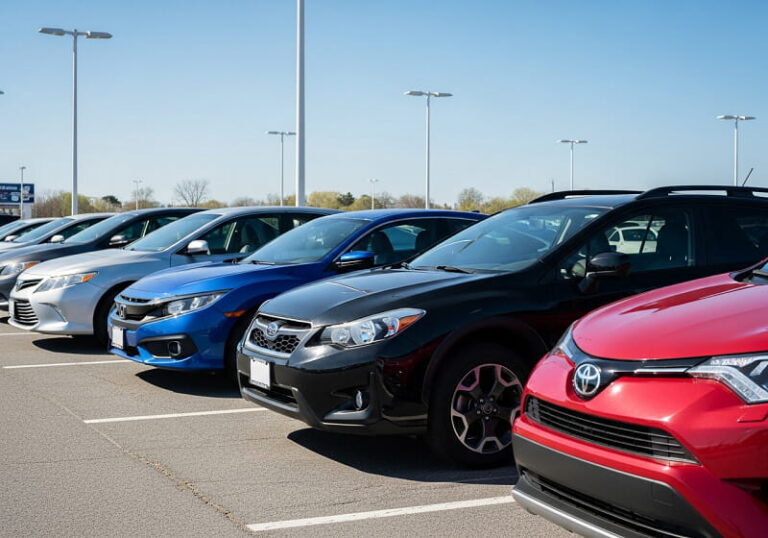
In the ever-evolving automotive landscape of 2026, purchasing a used car remains a smart financial decision for many buyers seeking value without sacrificing quality. With advancements in vehicle technology and improved manufacturing standards from previous years, the market offers a wide array of dependable options that have stood the test of time. These vehicles not only provide excellent fuel efficiency and safety features but also come at a fraction of the cost of new models, making them ideal for budget-conscious consumers.
The demand for used cars has surged due to economic factors and a growing emphasis on sustainability. Buyers are increasingly looking for models that offer low maintenance costs, high resale value, and proven reliability over thousands of miles. This trend is evident in the popularity of compact hatchbacks, SUVs, and hybrids that balance performance with practicality.
Experts emphasize the importance of considering factors like vehicle history, mileage, and warranty coverage when selecting a used car. In 2026, the availability of certified pre-owned programs from major manufacturers adds an extra layer of assurance, ensuring that buyers can drive away with peace of mind.
Whether you’re a first-time buyer or upgrading your daily driver, the following recommendations highlight vehicles that excel in real-world scenarios, based on performance metrics and owner satisfaction.
Understanding the Used Car Market in 2026
The used car market in 2026 is characterized by a stable supply chain and competitive pricing, influenced by the influx of off-lease vehicles from 2022 and 2023 models. Dealerships and online platforms have expanded their inventories, offering buyers more choices than in previous years. This abundance helps keep prices reasonable, even for sought-after models with advanced features like hybrid powertrains and all-wheel drive systems.
Economic conditions play a significant role, with interest rates stabilizing and consumer confidence rising. Many buyers are opting for used vehicles to avoid the depreciation hit associated with new cars, which can lose up to 20 percent of their value in the first year alone. Additionally, the shift toward electric and hybrid options has made older gas-efficient models even more attractive for those not ready to fully transition to electrification.
Regional variations affect the market, with urban areas seeing higher demand for compact cars suitable for city driving, while rural regions favor trucks and SUVs for their versatility. Online tools and apps now provide transparent pricing data, empowering buyers to negotiate better deals and avoid overpaying.
Overall, the market favors informed shoppers who prioritize vehicles with strong safety ratings and low ownership costs, leading to a focus on brands known for durability and innovation.
Criteria for Selecting the Best Used Cars
When evaluating used cars for 2026, reliability stands out as a primary criterion. Vehicles with a track record of minimal breakdowns and low repair costs are prioritized, drawing from data on long-term performance across various driving conditions. This ensures that owners experience fewer unexpected expenses over time.
Fuel efficiency is another key factor, especially with fluctuating gas prices. Models that achieve high miles per gallon or incorporate hybrid technology help reduce ongoing fuel expenditures, making them economical choices for daily commuters and long-distance travelers alike.
Safety features, including advanced driver-assistance systems like automatic emergency braking and lane-keeping assist, are essential. Cars equipped with these technologies not only protect occupants but also contribute to lower insurance premiums in many cases.
Comfort and practicality round out the selection process, with emphasis on spacious interiors, user-friendly infotainment systems, and ample cargo space. These elements enhance the overall driving experience, making the vehicle suitable for families, individuals, or those with active lifestyles.
- Reliability ratings from independent testing organizations highlight vehicles that consistently perform well over 100,000 miles. Such ratings consider engine durability, transmission smoothness, and electrical system stability. Choosing based on these metrics minimizes the risk of major repairs.
- Fuel economy standards have improved in recent model years, allowing used cars from 2022 to offer up to 40 miles per gallon in combined driving. This efficiency translates to significant savings at the pump. Hybrid variants further enhance this by providing electric-only driving modes for short trips.
- Safety equipment has become standard in many models, including multiple airbags and stability control. Advanced features like blind-spot monitoring add layers of protection during highway merging. Vehicles with high crash test scores provide reassurance for families.
- Interior quality focuses on materials that withstand wear and tear, ensuring the cabin remains comfortable after years of use. Ergonomic seating reduces fatigue on long drives. Modern connectivity options like Apple CarPlay support seamless integration with smartphones.
- Resale value is crucial for long-term ownership, as cars that hold their worth better offer better return on investment when traded in. Brands with strong reputations tend to depreciate slower. This factor influences the total cost of ownership beyond the initial purchase price.
- Maintenance accessibility ensures that routine services are affordable and straightforward, with parts readily available. Vehicles with widespread dealer networks simplify repairs. This criterion helps keep overall costs low throughout the ownership period.
- Performance balance combines adequate power for highway passing with responsive handling in urban settings. Smooth acceleration and braking contribute to a pleasant drive. Models that excel in this area provide enjoyment without compromising efficiency.
Top 10 Best Used Cars for 2026
1. Toyota Corolla Hatchback
The Toyota Corolla Hatchback stands as a benchmark for compact cars, offering a blend of efficiency and fun-to-drive dynamics. Its sleek design appeals to younger buyers, while the spacious interior accommodates passengers comfortably. With a focus on everyday usability, this model excels in urban environments where maneuverability is key.
Under the hood, the efficient engine delivers impressive fuel economy, making it a top choice for commuters. The hatchback configuration provides versatile cargo space, ideal for weekend getaways or grocery runs. Advanced safety systems come standard, enhancing confidence on the road.
Owners appreciate the low maintenance requirements, which contribute to its reputation for longevity. The infotainment system is intuitive, supporting modern connectivity needs. Overall, it represents excellent value in the used market.
- Pros: Exceptional fuel efficiency helps save on gas costs over time. Reliable performance reduces the likelihood of breakdowns. Compact size makes parking effortless in crowded areas.
- Cons: Limited rear legroom may feel cramped for taller passengers. Base models lack some premium features found in competitors. Engine power is adequate but not exhilarating for spirited driving.
Current market prices for a 2022 model average around 19000 dollars, with deals often available through certified programs.
2. Toyota 4Runner
The Toyota 4Runner is a rugged SUV built for adventure, with off-road capabilities that set it apart from urban crossovers. Its body-on-frame construction ensures durability, making it suitable for towing and rough terrain. The spacious cabin offers ample room for passengers and gear.
Equipped with a powerful engine, it handles highway speeds with ease while maintaining composure on trails. Four-wheel drive systems provide traction in various conditions, from snow to mud. The interior features durable materials designed to withstand heavy use.
This model retains its value exceptionally well, a testament to its build quality. Technology updates in recent years include a user-friendly touchscreen and smartphone integration. It’s a favorite among outdoor enthusiasts for its versatility.
- Pros: Outstanding off-road performance tackles challenging paths confidently. High resale value protects your investment long-term. Roomy interior accommodates families and equipment comfortably.
- Cons: Fuel economy is lower compared to modern crossovers. Ride quality can feel truck-like on paved roads. Higher ground clearance may require step rails for easier entry.
Average used prices for 2022 models hover around 38000 dollars, with occasional discounts on higher-mileage examples.
3. Honda Civic
The Honda Civic continues to be a staple in the compact segment, known for its balanced performance and refined driving experience. Its stylish exterior turns heads, while the interior prioritizes comfort and functionality. This car appeals to a broad audience, from students to professionals.
With efficient powertrains, it achieves excellent mileage without sacrificing responsiveness. The suspension setup provides a smooth ride, absorbing bumps effectively. Safety technologies are comprehensive, including collision mitigation and adaptive cruise control.
Build quality is top-notch, ensuring the vehicle ages gracefully. The trunk space is generous for its class, facilitating daily errands. It’s a reliable choice for those seeking a hassle-free ownership experience.
- Pros: Engaging driving dynamics make every trip enjoyable. Strong fuel efficiency lowers operating costs. Modern interior design feels premium even in base trims.
- Cons: Noise levels can be higher at highway speeds. Some trims lack advanced audio systems. Cargo space, while good, is outclassed by hatchback variants.
In 2026, used 2022 models typically sell for about 22000 dollars, with deals on fleet returns.
4. Subaru Crosstrek
The Subaru Crosstrek combines crossover utility with car-like handling, making it versatile for various lifestyles. Its standard all-wheel drive system excels in inclement weather, providing superior grip. The elevated ride height offers better visibility and light off-road ability.
The engine delivers adequate power for daily driving, paired with a smooth transmission. Interior space is surprisingly roomy, with flexible seating arrangements. Adventure-ready features like roof rails add practicality for outdoor activities.
Subaru’s reputation for safety is evident in its robust construction and advanced aids. The infotainment interface is straightforward, supporting multiple connectivity options. This model is ideal for those in regions with variable climates.
- Pros: All-wheel drive enhances stability in rain or snow. Versatile cargo area adapts to different needs. Fuel-efficient design keeps trips affordable.
- Cons: Acceleration can feel sluggish when fully loaded. Interior plastics may seem less premium. Higher price point compared to some competitors.
Average prices for used 2022 models are approximately 22000 dollars, with incentives for certified units.
5. Toyota Tacoma
The Toyota Tacoma is a midsize truck renowned for its toughness and reliability in demanding conditions. Its off-road prowess makes it a go-to for enthusiasts, with available packages enhancing capability. The bed size accommodates tools and equipment efficiently.
Power options provide sufficient torque for towing, while the cabin offers comfort for long hauls. Durable components ensure it withstands heavy use without frequent issues. Technology includes a touchscreen with navigation support.
Owners value its resale strength, often recouping a significant portion of the investment. The versatile configurations allow customization to fit specific needs. It’s a solid pick for work or play.
- Pros: Robust build quality handles rough jobsites. Strong towing capacity for its class. Customizable features cater to individual preferences.
- Cons: Ride can be bouncy on uneven roads. Fuel efficiency lags behind sedans. Cabin space is tighter for rear passengers.
Used 2022 models average around 32000 dollars, with deals on access cab versions.
6. Toyota Prius
The Toyota Prius pioneered hybrid technology and remains a leader in efficiency for 2026 used buyers. Its aerodynamic shape contributes to outstanding fuel savings, ideal for high-mileage drivers. The hatchback design maximizes interior flexibility.
The powertrain seamlessly blends gas and electric modes for smooth operation. Regenerative braking extends range in city driving. Safety suite includes pedestrian detection and lane tracing.
Low emissions appeal to environmentally conscious consumers. The quiet cabin enhances comfort during commutes. It’s a cost-effective option for reducing carbon footprints.
- Pros: Superior hybrid efficiency minimizes refueling stops. Proven reliability over decades of production. Spacious cargo hold for its size.
- Cons: Styling may not appeal to all tastes. Acceleration is modest in eco mode. Battery replacement costs, though rare, can be high.
Average used prices for 2022 models are about 21000 dollars, with rebates on low-emission vehicles.
7. Honda Prologue
The Honda Prologue enters the used market as an electric SUV with impressive range and modern amenities. Its sleek profile hides a spacious interior, suitable for families. Fast-charging capability makes it convenient for road trips.
The electric motor provides instant torque for responsive acceleration. Ride quality is refined, with a quiet cabin free from engine noise. Tech features include a large display and over-the-air updates.
Honda’s engineering ensures dependable performance. The vehicle supports home charging setups easily. It’s a forward-thinking choice for electric adopters.
- Pros: Long electric range reduces range anxiety. Smooth and powerful electric drive. Advanced interior tech enhances usability.
- Cons: Charging infrastructure dependency in rural areas. Higher initial weight affects handling slightly. Limited model years available used.
For 2023 models, average used prices are around 27000 dollars, with tax credits potentially applicable.
8. Kia EV6
The Kia EV6 impresses with its futuristic design and rapid charging speeds in the used EV segment. Its crossover body offers ample space and a high-tech cockpit. Performance-oriented trims deliver exhilarating drives.
The battery system provides substantial range, supported by efficient regeneration. Interior materials feel upscale, with customizable ambient lighting. Safety assists are comprehensive and proactive.
Kia’s warranty coverage transfers to used buyers, adding value. The vehicle integrates well with smart home systems. It’s an exciting entry into electric mobility.
- Pros: Ultra-fast charging minimizes downtime. Stylish and spacious interior. Strong acceleration for merging and passing.
- Cons: Premium pricing even used. Ride can be firm on rough roads. Limited cargo with rear seats up.
Used 2022 models average approximately 30000 dollars, with deals on early adopters.
9. Toyota RAV4 Prime
The Toyota RAV4 Prime combines SUV practicality with plug-in hybrid efficiency, offering electric-only driving for short trips. Its all-wheel drive enhances traction, while the cabin provides comfort for five. Cargo versatility is a highlight.
The powertrain balances power and economy, with seamless transitions between modes. Charging is straightforward at home or public stations. Safety ratings are exemplary across tests.
This model appeals to those seeking hybrid benefits without full EV commitment. The infotainment is robust, with voice controls. It’s a versatile family vehicle.
- Pros: Plug-in capability saves on fuel. Ample power for highway use. Reliable Toyota engineering throughout.
- Cons: Limited electric range compared to pure EVs. Higher weight impacts agility. Premium fuel recommended for optimal performance.
Average used prices for 2022 models are about 33000 dollars, with hybrid incentives.
10. Nissan Kicks
The Nissan Kicks is a budget-friendly crossover with peppy performance and modern styling. Its compact size aids in city navigation, while the interior maximizes space efficiently. Fuel efficiency is a strong suit for daily use.
The engine provides sufficient zip for urban driving, paired with a comfortable suspension. Tech features include a touchscreen with smartphone mirroring. Safety shields offer 360-degree protection.
Affordability makes it accessible for entry-level buyers. The vehicle holds up well in light-duty scenarios. It’s a practical choice for cost-conscious drivers.
- Pros: Low purchase price attracts budget shoppers. Good fuel economy for class. Stylish exterior stands out.
- Cons: No all-wheel drive option available. Power can feel lacking on hills. Interior quality varies by trim.
Used 2022 models average around 16000 dollars, with frequent promotions.
Current Market Prices and Deals
In 2026, used car prices have stabilized, offering opportunities for savvy buyers. Certified pre-owned deals often include extended warranties, adding value. Online marketplaces provide competitive pricing, with average savings of 5 to 10 percent through negotiations.
- Toyota Corolla Hatchback: Averages 19000 dollars, with deals under 18000 for higher mileage units. Certified options add 1000 dollars but include inspections.
- Toyota 4Runner: Around 38000 dollars, discounts available on base trims. Off-lease models offer the best value.
- Honda Civic: Typically 22000 dollars, with fleet sales providing lower entry points. Look for end-of-month specials.
- Subaru Crosstrek: About 22000 dollars, winter deals in northern regions. Certified programs ensure quality.
- Toyota Tacoma: Averages 32000 dollars, truck-specific promotions common. Access cab versions are cheaper.
- Toyota Prius: Around 21000 dollars, hybrid rebates may apply. Low-mileage examples command premiums.
- Honda Prologue: Approximately 27000 dollars for early models, EV incentives reduce effective cost.
- Kia EV6: About 30000 dollars, fast-charging perks included in some deals.
- Toyota RAV4 Prime: Averages 33000 dollars, plug-in credits available in select states.
- Nissan Kicks: Around 16000 dollars, entry-level deals abundant.
Pro Tips
- Always obtain a vehicle history report to uncover any past accidents or title issues. This step can reveal hidden problems that affect safety and value. Comparing multiple reports ensures accuracy.
- Schedule a professional inspection before purchase to identify mechanical issues. Mechanics can spot wear on brakes, suspension, and tires that aren’t obvious. This prevents costly repairs post-purchase.
- Research local market prices using online tools for negotiation leverage. Knowing the average selling price empowers you to ask for reductions. Timing purchases at month-end can yield better deals.
- Consider certified pre-owned vehicles for added warranties and peace of mind. These often include roadside assistance and return policies. They bridge the gap between new and used reliability.
- Test drive in various conditions to assess handling and comfort. Include highways, city streets, and rough roads in your route. Pay attention to noise, vibration, and ergonomics.
- Factor in insurance costs by getting quotes beforehand. Some models have lower premiums due to safety features. This affects the total ownership expense.
- Explore financing options from credit unions for lower rates. Pre-approval strengthens your position at dealerships. Avoid impulse decisions on extended warranties.
- Maintain regular service to extend vehicle life. Following manufacturer schedules prevents major failures. Keeping records enhances resale value later.
Frequently Asked Questions
What should I check before buying a used car?
Inspect the exterior for dents, rust, and paint inconsistencies. Check tires for even wear and the undercarriage for leaks. Test all electronics, including lights, wipers, and air conditioning.
How do I know if a used car is reliable?
Look at owner reviews and reliability surveys from reputable organizations. Models with consistent high scores over multiple years are generally dependable. Consider brands with strong track records.
Are hybrid used cars worth it?
Hybrids offer fuel savings and lower emissions, making them worthwhile for high-mileage drivers. Battery health is key; most last well beyond 100000 miles. Maintenance is similar to gas vehicles.
What is the best time to buy a used car?
End of the month or year often sees dealerships motivated to meet quotas, leading to better prices. Holiday sales and new model arrivals push older inventory discounts.
How can I negotiate a better price?
Come prepared with comparable listings and be willing to walk away. Point out any flaws to justify lower offers. Cash payments or pre-financing can strengthen your position.
Should I buy extended warranty for used cars?
It depends on the vehicle’s age and your risk tolerance. For higher-mileage cars, it can cover unexpected repairs. Review terms carefully for exclusions.
What documents do I need when buying used?
Require the title, bill of sale, and service records. Emission certificates may be needed in some states. Ensure all paperwork is transferred properly.
Are electric used cars a good deal?
With dropping battery costs, used EVs offer value, especially with incentives. Check range degradation and charging compatibility. They have lower running costs overall.
Conclusion
Navigating the used car market in 2026 presents numerous opportunities for finding reliable, affordable vehicles that meet diverse needs. From compact hatchbacks to rugged trucks, the top picks emphasize durability, efficiency, and safety. By focusing on expert-recommended models, buyers can enjoy long-term satisfaction and savings.
Incorporating pro tips and understanding market dynamics further enhances the purchasing process. Whether prioritizing fuel economy or off-road capability, these options deliver value. Ultimately, a well-chosen used car provides freedom and reliability for years to come.