Understanding the Insulated Tumbler Revolution in 2025
Insulated tumblers have transformed from simple drink containers into essential lifestyle accessories that combine functionality, sustainability, and personal style. The market has experienced explosive growth, with consumers increasingly prioritizing reusable drinkware that keeps beverages at optimal temperatures for extended periods. As environmental consciousness rises and hydration becomes a focal point of wellness routines, choosing the right tumbler has become more important than ever.
The tumbler industry in 2025 is characterized by intense competition among established brands and innovative newcomers. From the viral sensation of Stanley Quencher to the rising star Owala, consumers face an overwhelming array of options. Double-wall vacuum insulation technology has become standard across premium models, yet significant differences exist in lid design, durability, aesthetic appeal, and overall performance. Understanding these distinctions helps consumers make informed decisions that align with their specific needs and preferences.
Modern tumblers serve multiple purposes beyond basic hydration. They function as commuter companions, gym essentials, outdoor adventure gear, and even fashion statements. The best insulated tumblers maintain ice for twenty-four hours or more, fit comfortably in car cup holders, feature leak-resistant lids, and withstand daily wear and tear. This comprehensive guide examines the top-performing tumblers based on rigorous testing, expert analysis, and real-world user experiences to help you identify the perfect hydration solution.
Top Premium Brands Leading the Tumbler Market
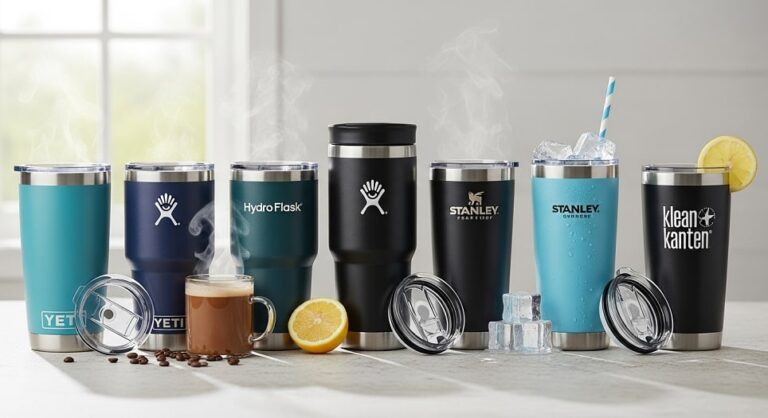
YETI Rambler: The Gold Standard for Durability
YETI has established itself as the premium benchmark in insulated drinkware since pioneering the category with innovative vacuum insulation technology. The YETI Rambler tumbler, particularly the thirty-ounce model, delivers exceptional temperature retention that consistently outperforms competitors in demanding conditions. Constructed from kitchen-grade stainless steel with double-wall vacuum insulation, this tumbler keeps drinks ice-cold for over twenty-four hours and maintains hot beverages at enjoyable temperatures for up to eight hours.
The proprietary DuraCoat finish resists chips, fading, and scratches even after years of heavy use. Testing reveals that YETI tumblers sustain minimal damage from repeated drops, making them ideal for outdoor enthusiasts and those who are hard on their gear. The magnetic slider lid provides superior spill prevention compared to many competitors, though it does not create a completely leakproof seal. YETI offers dishwasher-safe construction for easy maintenance, and the brand’s lifetime warranty demonstrates confidence in product longevity.
Price considerations place YETI at the higher end of the market spectrum, with the thirty-ounce Rambler typically retailing between thirty-five and forty dollars. However, the investment pays dividends through unmatched durability and consistent performance. The tumbler’s classic design fits most standard cup holders despite its substantial capacity, and the brand offers extensive customization options including laser engraving for personalization. For consumers prioritizing long-term value and proven reliability, YETI remains a top choice.
Stanley Quencher: The Social Media Phenomenon
The Stanley Quencher H2.0 FlowState Tumbler has achieved unprecedented popularity, evolving from a niche product into a cultural phenomenon that sparked waiting lines and online frenzies for limited-edition releases. Introduced in 2016 but gaining viral status during the pandemic, the forty-ounce Quencher features innovative design elements that set it apart from traditional tumblers. Constructed from ninety percent recycled stainless steel, it combines environmental consciousness with practical functionality.
The signature FlowState three-position lid offers remarkable versatility with dedicated openings for straw drinking, direct sipping, and full closure. This convertible lid design eliminates the need to swap components based on drinking preferences. The comfort-grip handle makes the large tumbler easy to carry when filled to capacity, while the narrow tapered base ensures compatibility with most vehicle cup holders. Double-wall vacuum insulation maintains ice for up to twelve hours and keeps hot beverages warm for approximately five hours.
Stanley’s extensive color range includes over sixty options, from muted earth tones to vibrant seasonal hues, with frequent collaborations producing exclusive designs. The brand’s aesthetic appeal drives much of its success, as the powder-coat finish in trendy colors like rose quartz and eucalyptus creates Instagram-worthy moments. Pricing ranges from thirty-five to forty-five dollars depending on size and special editions. While the Quencher demonstrates good temperature retention, testing reveals it leaks more significantly than some competitors when tipped over, making it less suitable for tossing in bags.
Owala: The Innovative Challenger
Owala emerged in 2020 and rapidly gained market share through clever design innovations and strategic social media marketing. The brand’s signature FreeSip technology, which allows users to either sip through a built-in straw or swig from a larger spout using the same lid, addresses a common frustration with traditional tumblers. The forty-ounce Owala Tumbler directly competes with the Stanley Quencher at a seven-dollar lower price point, typically retailing around thirty-eight dollars.
Triple-layer insulation in the FreeSip water bottle and double-wall insulation in the tumbler provide excellent temperature control, with the FreeSip maintaining cold temperatures for up to twenty-four hours. The tumbler’s leak resistance surpasses many competitors, with testing showing only minimal droplets escaping from the straw compared to substantial leakage from other brands. The built-in straw folds into the lid when closed, protecting it from dirt and germs while maintaining cleanliness during outdoor activities or sports.
Owala’s aesthetic approach favors playful color-blocking designs with contrasting lids in fifteen available colorways, plus limited-edition releases. The brand appeals to consumers seeking value without compromising performance, though some models require hand-washing to preserve insulation properties and finish quality. Celebrity endorsements from figures like Lance Bass and Hilary Duff have amplified brand visibility, while influencer partnerships continue driving awareness among younger demographics. For budget-conscious consumers prioritizing innovative features and reliable performance, Owala represents an compelling option.
Mid-Range Excellence: Quality Without Premium Pricing
Thermos Stainless King: The Temperature Retention Champion
Thermos, historically associated with soup containers and lunch thermoses, has emerged as a dark horse in the tumbler market with the Stainless King model earning top rankings in comprehensive testing. This vacuum-insulated tumbler demonstrates superior temperature retention, keeping cold drinks at approximately thirty-seven degrees Fahrenheit after six hours and hot beverages at an impressive 108 degrees Fahrenheit over the same period. These results surpass many higher-priced competitors in controlled temperature tests.
The sweat-proof exterior prevents condensation from forming on the tumbler’s surface, eliminating water rings on furniture and maintaining a comfortable grip. An ergonomic concave middle section provides additional grip security, while the innovative tapered design accommodates both narrow and wide cup holders. The dual-position lid offers flexibility for different drinking styles, and the durable stainless steel construction withstands regular use without showing wear.
Pricing for the Thermos Stainless King remains competitive, typically ranging from twenty to thirty dollars depending on size and retailer. This value proposition makes it accessible for consumers seeking premium performance without luxury pricing. The brand’s long-standing reputation for quality thermal products adds credibility, and extensive testing confirms that performance matches or exceeds marketing claims. For consumers prioritizing pure temperature retention above aesthetic trends, the Thermos Stainless King deserves serious consideration.
Simple Modern: Best Value for Everyday Use
Simple Modern has carved out a niche as the value leader in quality insulated tumblers, offering vacuum-insulated performance at approximately half the price of premium brands. The brand’s tumblers utilize the same double-wall stainless steel construction found in more expensive options, delivering twenty-four-plus hours of cold retention and up to twelve hours for hot beverages. At price points typically between fifteen and twenty-five dollars, Simple Modern provides accessible entry to quality hydration products.
The Simple Modern Voyager coffee tumbler features a leak-resistant design with multiple size options ranging from sixteen to thirty-two ounces. Color variety remains strong with dozens of options spanning classic neutrals to bold statement hues. The brand emphasizes simplicity and functionality over trendy features, appealing to consumers who value straightforward performance. Dishwasher-safe construction simplifies maintenance, though some users report that hand-washing preserves color vibrancy longer.
Testing reveals that Simple Modern tumblers perform admirably in insulation tests, though they may show wear slightly faster than premium alternatives with prolonged heavy use. The comfortable handle design and cupholder-compatible base make these tumblers practical for daily commuting and office use. For families needing multiple tumblers or consumers entering the insulated drinkware market, Simple Modern offers the best combination of performance and affordability.
Hydro Flask: The Outdoor Enthusiast’s Choice
Hydro Flask has built a devoted following among outdoor enthusiasts and active individuals through rugged construction and reliable performance in challenging conditions. The brand’s tumblers feature strong insulation capabilities and comfortable grip designs, with nature-inspired colorways that appeal to hikers, campers, and adventure seekers. Double-wall vacuum insulation maintains temperature for extended periods, making Hydro Flask suitable for all-day excursions where refills may be unavailable.
Durability testing shows Hydro Flask tumblers withstand drops, bumps, and rough handling without significant performance degradation. The powder-coat finish resists scratches and maintains appearance even after extended outdoor use. Multiple lid options accommodate different activities, from flip lids for hot drinks during morning hikes to straw lids for cold hydration during summer adventures. Price points range from thirty to forty dollars depending on size and accessories.
The brand’s reputation for quality and performance justifies the premium pricing for consumers who demand reliability in outdoor settings. Hydro Flask tumblers integrate seamlessly with the brand’s ecosystem of water bottles and food containers, creating cohesive gear systems for outdoor activities. While not offering the viral appeal of Stanley or the innovative features of Owala, Hydro Flask delivers consistent, dependable performance that outdoor professionals and serious adventurers trust.
Specialized Options for Specific Needs
Zojirushi: The Coffee Lover’s Dream
Zojirushi has earned legendary status among coffee enthusiasts for producing tumblers with exceptional heat retention that keeps beverages at ideal drinking temperatures for extended periods. The brand’s slim, tall design maximizes insulation efficiency while maintaining portability. After six hours, hot drinks remain at approximately 110 degrees Fahrenheit, and cold beverages measure around thirty-five degrees, outperforming many competitors in temperature tests.
The flip-top locking cap and internal stopper create a virtually leakproof seal, making Zojirushi tumblers ideal for commuters and travelers who need absolute spill protection. The narrow profile fits easily in most bags and backpack water bottle holders, though it may feel less substantial in hand compared to wider tumblers. The lack of decorative elements keeps the design minimal and professional, appealing to office environments and business settings.
Amazon reviews exceeding 30,000 positive ratings validate the product’s performance claims, with users consistently praising the superior insulation and leak prevention. Pricing typically ranges from twenty-five to thirty-five dollars, positioning Zojirushi as a mid-premium option. For consumers who prioritize temperature retention above all other factors, particularly for hot beverages, Zojirushi represents the gold standard despite its understated appearance.
RTIC: Budget-Friendly Performance Leader
RTIC entered the market as a more affordable alternative to YETI, offering comparable insulation performance at approximately half the price. The thirty-ounce RTIC tumbler maintains cold drinks for twenty-four-plus hours using the same vacuum insulation technology found in premium brands. The stopper lid provides better leak prevention than many competitors, though the plastic base represents a durability compromise compared to all-metal construction.
Testing demonstrates that insulation performance matches or exceeds expectations, with the large plastic lid being the primary limiting factor for heat transfer rather than the vacuum chamber quality. Price points typically range from fifteen to twenty dollars, making RTIC one of the most affordable options that still delivers quality performance. Availability remains consistent through major online retailers, unlike some budget brands that appear seasonally.
The ceramic-lined RTIC Essential Tumbler offers a unique variation that protects coffee flavor while maintaining temperature control. The ceramic interior prevents metallic taste transfer, addressing a common complaint among coffee purists using stainless steel tumblers. For budget-conscious consumers who refuse to compromise on insulation performance, RTIC provides compelling value despite minor durability trade-offs in the base construction.
Coldest: The Performance Innovator
Coldest Water has emerged as a performance-focused brand that emphasizes cutting-edge insulation technology combined with eye-catching aesthetic designs. The brand’s tumblers feature triple-wall insulation that exceeds the standard double-wall construction, delivering extended temperature retention that can maintain ice for thirty-six hours or more. This advanced insulation makes Coldest tumblers ideal for extreme conditions or users who need maximum performance.
The aesthetic appeal sets Coldest apart from competitors, with unique finish options including gradient colors, glitter accents, and bold designs with names like Cosmic Ice Glitter and Forbidden Nova. The Gold Reflections finish showcases metallic beauty that stands out in any setting. Multiple lid styles accommodate different preferences, from straw lids for cold drinks to flip lids for hot beverages and screw-on options for leakproof security.
Price points reflect the premium positioning, typically ranging from forty to sixty dollars depending on size and finish. Despite being less widely known than mainstream brands, Coldest has developed a loyal following among consumers who appreciate both performance and aesthetics. The brand’s attention to detail in color design and finish quality appeals to users who view their tumbler as a fashion accessory as much as a functional tool. For those seeking the absolute best insulation performance combined with standout visual appeal, Coldest warrants consideration.
Current Market Pricing and Best Deals
Standard Retail Prices Across Top Brands
Understanding current market pricing helps consumers budget appropriately and identify genuine deals. The forty-ounce Stanley Quencher typically retails for forty-five dollars at full price, though frequent sales and promotional periods can reduce costs to thirty-five dollars. The thirty-ounce YETI Rambler consistently prices around thirty-five to forty dollars, with the brand rarely offering significant discounts due to strong brand positioning and consistent demand.
Owala tumblers provide better value proposition, with the forty-ounce model priced at thirty-eight dollars, approximately seven dollars less than comparable Stanley offerings. The twenty-four-ounce Owala FreeSip water bottle costs around thirty-three dollars. Mid-range options like Thermos Stainless King range from twenty to thirty dollars, while budget-friendly Simple Modern tumblers start as low as fifteen dollars for smaller sizes and reach twenty-five dollars for forty-ounce models.
Specialty brands command premium pricing, with Zojirushi tumblers costing twenty-five to thirty-five dollars and Coldest models ranging from forty to sixty dollars depending on finish and size. RTIC maintains its budget positioning at fifteen to twenty dollars for most sizes. Hydro Flask pricing falls between thirty and forty dollars, aligning with other premium outdoor brands. Seasonal sales, particularly during major shopping holidays, can reduce prices by twenty to forty percent across most brands.
Where to Find the Best Tumbler Deals
Major online retailers including Amazon, Dick’s Sporting Goods, and Target regularly offer competitive pricing and promotional discounts on popular tumbler brands. Dick’s Sporting Goods has been particularly aggressive with sales, offering up to forty percent off select models from Stanley, Owala, and YETI during promotional periods. These sales often feature older color options or larger inventory items, providing opportunities to acquire premium tumblers at substantial savings.
Direct brand websites occasionally offer exclusive colors, bundles, or promotional pricing for email subscribers. Stanley’s website features regular limited-edition drops that sell quickly at standard pricing, while Owala runs periodic sales on discontinued color patterns. Amazon Prime Day, Black Friday, Cyber Monday, and Labor Day consistently deliver significant discounts across multiple brands, with savings typically ranging from twenty-five to forty-five percent.
Outlet stores and warehouse clubs like Costco sometimes carry tumbler multipacks at reduced per-unit costs, ideal for families or workplaces needing multiple units. Subscription to brand email lists provides early access to sales and exclusive promotional codes. Price tracking tools can alert consumers when specific models drop below target prices. For budget-conscious shoppers, patience and strategic timing can yield premium tumblers at mid-range prices, maximizing value without compromising quality.
Pros and Cons of Leading Tumbler Brands
YETI Rambler Advantages and Disadvantages
Pros: YETI delivers unmatched durability that withstands years of heavy use with minimal wear. The superior temperature retention keeps drinks at desired temperatures longer than most competitors. The magnetic slider lid provides better spill prevention than many alternatives. Dishwasher-safe construction simplifies cleaning and maintenance. The lifetime warranty demonstrates brand confidence and provides long-term value protection. The DuraCoat finish resists fading, chipping, and scratching even after extensive use.
Cons: Premium pricing makes YETI the most expensive option for similar capacity tumblers. The lid is not completely leakproof, which limits use in bags or backpacks. Limited color variety compared to brands like Stanley. The substantial weight when filled may be cumbersome for some users. Replacement parts and accessories cost more than alternatives. The classic design lacks the trendy appeal that drives viral popularity among younger demographics.
Stanley Quencher Advantages and Disadvantages
Pros: The extensive color selection exceeds sixty options with frequent limited-edition releases and brand collaborations. The FlowState three-position lid offers unmatched versatility without swapping components. The comfort-grip handle makes the large forty-ounce capacity easy to carry. Constructed from ninety percent recycled materials appeals to environmentally conscious consumers. The tapered base fits most standard cup holders despite generous capacity. Strong brand momentum and widespread availability make replacements and accessories easy to find.
Cons: Testing reveals significant leaking when the tumbler tips over, making it unsuitable for bag transport. Temperature retention falls short of premium competitors, particularly for hot beverages. The exposed straw opening allows dirt and germs to accumulate during outdoor activities. Some users report the straw lid hitting the upper lip during drinking, creating less comfortable experience. The viral popularity has led to quality concerns as production scaled rapidly to meet demand. Price point sits at the higher end without delivering best-in-class performance.
Owala Advantages and Disadvantages
Pros: The innovative FreeSip dual-function lid allows both sipping and swigging through the same spout. Superior leak resistance minimizes spills compared to most competitors. The built-in straw folds into the lid when closed, maintaining cleanliness during activities. Seven dollars cheaper than comparable Stanley tumblers while delivering similar or better performance. Triple-layer insulation in FreeSip models provides exceptional temperature retention. Playful color-blocking designs create distinctive visual appeal. Strong value proposition combines quality performance with accessible pricing.
Cons: The tumbler version requires hand-washing to preserve finish quality and insulation performance, adding maintenance burden. Not fully dishwasher-safe compared to some premium alternatives. The wider mouth opening creates larger spills if knocked over while open. Limited color availability compared to Stanley’s extensive range. Newer brand with less established reputation for long-term durability. Popular colors frequently sell out due to strong demand and limited production runs. The larger lid size may feel bulky to users with smaller hands.
Expert Tips for Choosing and Using Tumblers
Matching Tumbler Features to Your Lifestyle
Your daily routine should dictate tumbler selection more than brand popularity or aesthetic appeal. Commuters who spend hours in vehicles benefit from tumblers with narrow bases that fit securely in cup holders and sturdy handles for easy grabbing. The Stanley Quencher and Owala Tumbler excel in this category with tapered bases and comfortable grips. Office workers who keep tumblers at desks can prioritize capacity and temperature retention over portability, making forty-ounce options ideal for reducing refill trips.
Outdoor enthusiasts and hikers need tumblers with leakproof lids and durable construction that withstand rough handling. YETI Rambler and Hydro Flask deliver the ruggedness required for backpack transport and trail use. Gym users benefit from straw lids that enable drinking without interrupting workouts, though they should prioritize leak resistance for gym bag storage. Consider investing in multiple tumblers for different contexts rather than seeking one universal solution that compromises in various situations.
Parents managing family hydration should evaluate ease of cleaning as a primary factor, as busy schedules make dishwasher-safe options more practical. Wide mouth openings simplify reaching the bottom for thorough cleaning, while simple lid designs with fewer crevices prevent mold growth. Coffee lovers should prioritize models with superior hot beverage retention like Zojirushi or Thermos Stainless King, which maintain drinking temperature for six-plus hours. Cold drink enthusiasts can focus on ice retention and straw functionality.
Maximizing Temperature Retention Performance
Pre-cooling or pre-heating your tumbler significantly improves temperature retention by conditioning the stainless steel before adding your beverage. For cold drinks, fill the tumbler with ice water and let it sit for five minutes before dumping and adding your actual drink with fresh ice. This process chills the metal and vacuum space, creating a colder starting point. For hot beverages, fill the tumbler with boiling water, wait three minutes, empty, and then add your coffee or tea. This pre-heating prevents the cold steel from immediately cooling your drink.
Ice quality impacts retention duration more than most users realize. Large ice cubes or ice spheres melt significantly slower than crushed ice due to reduced surface area exposure. Creating ice at home using filtered water produces clearer, denser ice that lasts longer than cloudy ice from tap water. Adding ice in stages rather than all at once creates better temperature distribution throughout the drink. Filling tumblers to maximum capacity minimizes air space, which acts as an insulator itself and reduces heat transfer.
Lid position matters for temperature control. Keep lids fully closed when not actively drinking to minimize heat exchange with ambient air. The large lid openings on many tumblers represent the primary point of temperature loss, so limiting exposure duration preserves your drink longer. Avoid leaving tumblers in direct sunlight or hot cars, as external heat can overwhelm even excellent insulation. Store tumblers in shaded, temperature-moderate locations whenever possible to maintain internal temperature longer.
Proper Cleaning and Maintenance Techniques
Daily cleaning prevents bacterial growth and odor development that plague inadequately maintained tumblers. Rinse tumblers with warm water immediately after each use, even if planning a thorough cleaning later. This quick rinse prevents residue from drying and adhering to surfaces. For daily maintenance, wash with mild dish soap and a soft sponge, paying special attention to the lid components where bacteria tends to accumulate in crevices and rubber seals.
Weekly deep cleaning should include disassembling all lid components and cleaning each piece separately. Use bottle brushes or straw brushes to reach narrow passages and remove hidden buildup. A solution of warm water, baking soda, and white vinegar provides natural cleaning power without harsh chemicals that might damage finishes. Let the solution sit for thirty minutes before scrubbing and rinsing thoroughly. Some users add denture cleaning tablets to tackle stubborn stains and odors effectively.
Dishwasher safety varies significantly by brand and model. While many manufacturers claim dishwasher-safe construction, hand-washing often preserves color vibrancy and finish quality longer. If using dishwashers, place tumblers on the top rack away from heating elements. Remove all rubber gaskets and seals before dishwashing to prevent warping. Allow all components to air dry completely before reassembly to prevent moisture trapped in lid mechanisms from fostering mold growth. Replace worn gaskets and seals promptly to maintain leak resistance and performance.
Common Tumbler Problems and Solutions
Addressing Leaking and Spill Issues
Leaking represents the most common complaint among tumbler users, often resulting from improper lid assembly or worn components rather than product defects. When experiencing leaks, first verify that all lid components are correctly aligned and fully tightened. Many convertible lids require specific positioning for the straw and drinking openings to seal properly. Remove the lid completely, inspect all rubber gaskets for proper seating, and reassemble carefully according to manufacturer instructions.
Gasket wear causes many leak issues after extended use. Inspect rubber seals regularly for cracking, warping, or loss of elasticity. Most brands sell replacement gasket sets for five to ten dollars, offering a simple solution that restores leak resistance. Clean gaskets thoroughly during regular maintenance, as residue buildup can prevent proper sealing. Some users apply food-grade silicone lubricant to gaskets to improve sealing and extend gasket life, though this remains optional.
Understanding leak ratings helps set appropriate expectations. Terms like splash-proof and spill-resistant indicate the tumbler can handle minor bumps but will leak if fully inverted. Only products explicitly labeled leakproof should be trusted in bags or backpacks. If your usage requires true leakproof performance, invest in models specifically designed for that purpose or consider travel mugs with screw-top lids rather than tumblers with snap or straw lids. Testing leak resistance at home before trusting a tumbler in situations where leaks would be problematic prevents unfortunate accidents.
Eliminating Odors and Stains
Persistent odors develop when bacteria colonize microscopic scratches in stainless steel or hide in lid crevices. Baking soda provides natural deodorizing power without harsh chemicals. Create a paste with baking soda and water, apply to affected areas, let sit overnight, then scrub and rinse thoroughly. For stubborn odors, fill the tumbler with warm water and add two tablespoons of baking soda, let sit for several hours or overnight, then wash normally.
Coffee and tea stains accumulate over time despite regular washing, particularly in ceramic-lined or light-colored interior finishes. Denture cleaning tablets dissolved in warm water create an effervescent cleaning action that lifts stains effectively. Fill the tumbler with warm water, add one tablet, let fizz for thirty minutes, then scrub lightly and rinse. White vinegar also cuts through tannin stains; fill the tumbler halfway with vinegar, add warm water to fill, let sit for two hours, then wash thoroughly.
Prevention works better than remediation for both odors and stains. Avoid leaving beverages in tumblers for extended periods after finishing drinking. Empty and rinse tumblers promptly, even if thorough cleaning must wait. Rotate between multiple tumblers to allow each to dry completely between uses, preventing moisture-related bacterial growth. Consider designating specific tumblers for different beverage types, keeping coffee tumblers separate from water tumblers to prevent flavor transfer and staining issues.
Managing Dents and Exterior Damage
Dents in vacuum-insulated tumblers generally do not affect insulation performance unless severe enough to compromise the vacuum seal between walls. Minor cosmetic dents from drops merely impact appearance while leaving functionality intact. If a tumbler continues maintaining temperature as expected after sustaining exterior damage, the insulation remains effective. However, deep dents that create visible warping or cause the tumbler to wobble when standing may indicate vacuum seal compromise.
Testing for vacuum seal integrity helps determine if damage requires replacement. Fill the tumbler with ice water, wait one hour, and check the exterior for condensation or temperature changes. If the outside feels cold or shows moisture, the vacuum seal has failed and insulation is compromised. Undamaged vacuum insulation should keep exteriors at room temperature regardless of interior contents. Unfortunately, vacuum seal damage cannot be repaired by consumers, necessitating replacement or warranty claims.
Protecting tumblers from damage starts with proper handling and storage. Silicone bottom boots absorb impact from drops and prevent scratches from rough surfaces. These accessories cost five to ten dollars and extend tumbler life significantly. Store tumblers in designated spaces rather than loose in bags where they can collide with hard objects. When traveling, wrap tumblers in soft clothing or use protective sleeves designed for drinkware. Many premium brands offer lifetime warranties covering manufacturing defects, though accidental damage typically falls outside coverage. Retain purchase receipts to facilitate warranty claims if needed.
Frequently Asked Questions About Insulated Tumblers
How Long Do Insulated Tumblers Keep Drinks Cold or Hot?
Most quality insulated tumblers maintain cold beverages between thirty-two and fifty degrees Fahrenheit for twelve to twenty-four hours depending on insulation quality, ambient temperature, and usage patterns. Premium models with superior vacuum insulation like YETI, Coldest, and Owala can keep ice intact for the full twenty-four-hour period. Hot beverages typically stay above 100 degrees Fahrenheit for six to eight hours in top-performing models, though optimal drinking temperature lasts four to six hours for most tumblers.
Several factors influence temperature retention duration. Opening the lid frequently allows heat exchange with ambient air, reducing retention time significantly. Filling tumblers to maximum capacity minimizes air space and improves performance. Pre-conditioning the tumbler by filling with ice water or hot water before adding your actual beverage enhances retention. External temperature matters too, as using tumblers in hot cars or cold outdoor environments increases temperature differential and accelerates heat transfer despite insulation.
Different brands emphasize either cold or hot retention in their designs. Coffee-focused tumblers like Zojirushi and Thermos prioritize hot beverage performance with narrow openings and taller designs that minimize surface area exposure. Larger forty-ounce tumblers with wide straw openings prioritize cold beverage capacity and convenience over maximum hot retention. Understanding your primary use case helps select tumblers optimized for your needs rather than seeking universal excellence that compromises specialized performance.
Are Expensive Tumblers Worth the Higher Price?
Premium tumblers justify higher prices through superior durability, better warranty coverage, and refined feature engineering rather than dramatically better basic insulation. The fundamental physics of vacuum insulation works similarly across price ranges, meaning a fifteen-dollar RTIC tumbler insulates nearly as well as a forty-dollar YETI. However, the YETI demonstrates significantly better durability in drop tests, features superior coating that resists wear, includes a better lid design with improved leak resistance, and comes with lifetime warranty coverage.
Long-term value calculations often favor premium tumblers for users who drink from their tumbler daily and expect years of service. Spending forty dollars once beats replacing a fifteen-dollar tumbler every eighteen months due to coating damage or mechanical failures. Premium brands also offer better accessory ecosystems, easier replacement part availability, and stronger resale value if you decide to upgrade or change colors. Limited-edition Stanley tumblers have even maintained retail prices in secondary markets, unusual for consumer drinkware.
Budget tumblers make sense for certain situations regardless of financial capacity. Families needing multiple tumblers for children can save significantly with mid-range options like Simple Modern without compromising basic functionality. Users uncertain about their commitment to tumbler hydration should start with affordable options before investing in premium models. Occasional users who keep tumblers in offices or vehicles rather than carrying them daily gain less benefit from extreme durability. Evaluate your specific usage patterns and priorities rather than assuming expensive always means better for your situation.
Can You Put Carbonated Drinks in Insulated Tumblers?
Carbonated beverages are generally safe in insulated tumblers, though several considerations affect the experience. The vacuum insulation itself poses no problems with carbonation, and stainless steel construction resists corrosion from acidic sodas. However, pressure buildup from carbonation can force liquid through straw lids or spouts, causing unexpected spills when opening. Use tumblers with secure screw-top lids for carbonated drinks, avoiding straw lids that connect directly to the interior.
Cold temperature preservation actually enhances carbonated drink enjoyment by maintaining the fizz longer than room-temperature containers. The sealed environment of a tumbler prevents carbon dioxide from escaping as quickly as open containers. Pour carbonated beverages carefully to minimize foam creation, which can overflow straw openings.
Cleaning tumblers after carbonated drinks requires extra attention since sugary sodas leave sticky residue that promotes bacterial growth and odor development. Rinse immediately after finishing rather than letting residue dry. The acidity in sodas can degrade rubber gaskets faster than water alone, so inspect seals more frequently and replace as needed. Some users prefer dedicating specific tumblers to carbonated beverages to prevent flavor transfer to water or other drinks.
Is It Safe to Put Tumblers in the Freezer or Microwave?
Never place vacuum-insulated tumblers in freezers as the extreme cold can damage the vacuum seal between walls and cause the metal to contract unevenly, leading to permanent structural issues. Liquid left in frozen tumblers expands as it freezes, creating pressure that can dent or warp the interior. Additionally, the vacuum insulation makes freezing contents impractical since the insulation prevents effective heat transfer. Use regular containers for freezing liquids, not insulated tumblers regardless of brand or quality.
Microwaving insulated tumblers poses serious safety hazards and will damage both the tumbler and potentially the microwave. Stainless steel is a metal that reflects microwave energy, creating arcing that can damage the microwave’s magnetron and potentially cause fires. The vacuum seal contains air or gases that expand dangerously when heated. Manufacturers explicitly prohibit microwave use in all product instructions. To heat beverages, transfer to microwave-safe containers, heat, then pour back into the tumbler for temperature retention.
Temperature extremes generally work best when applied gradually. Avoid pouring boiling water directly into ice-cold tumblers or adding ice to still-hot tumblers, as the sudden temperature differential creates thermal stress on materials. Let tumblers reach room temperature before switching between hot and cold uses, or rinse briefly with lukewarm water as a transitional step. This careful handling extends tumbler lifespan and prevents seal damage that might not be immediately apparent but degrades performance over time.
How Do You Remove Strong Coffee or Tea Stains?
Stubborn coffee and tea stains respond well to targeted treatments using common household products. Baking soda combined with hydrogen peroxide creates a powerful yet safe cleaning paste. Mix three parts baking soda with one part hydrogen peroxide to form a thick paste, apply generously to stained areas, let sit for two hours, then scrub with a soft brush and rinse thoroughly. This combination lifts tannin stains without scratching stainless steel or damaging finishes.
Commercial cleaning tablets designed for coffee makers and carafes work excellently in tumblers. Drop one tablet into the tumbler filled with hot water, let the effervescent action work for the recommended time, then scrub lightly and rinse multiple times to remove all chemical residue. Bar Keeper’s Friend, a gentle abrasive cleaner, effectively removes stains from stainless steel when applied with a damp sponge, scrubbed gently, and rinsed completely. Test on inconspicuous areas first to ensure it doesn’t affect exterior finishes.
Preventing stains proves easier than removing them. Rinse tumblers immediately after drinking coffee or tea rather than letting residue dry. Add a splash of vinegar or lemon juice to your rinse water periodically to neutralize tannins before they set. Consider using tumbler inserts or liners for coffee to protect the interior steel from staining. Some users alternate between multiple tumblers to reduce the frequency of coffee or tea contact with any single unit, distributing wear and staining across their collection.
Can Children Safely Use Large Forty-Ounce Tumblers?
Large forty-ounce tumblers present practical challenges for children due to weight and size. When filled completely, these tumblers weigh over three pounds, potentially too heavy for younger children to lift and drink from comfortably. The substantial height and wide straw opening can be awkward for small faces and hands. For children under ten years old, consider smaller sixteen or twenty-four-ounce tumblers that provide adequate hydration without being cumbersome.
Safety considerations include tip-over risks and potential for injury if dropped. Forty-ounce tumblers are top-heavy when full and tip easily, creating spill hazards that smaller tumblers avoid. The hard stainless steel construction can cause injury if dropped on feet or heads. Lighter plastic insulated tumblers designed specifically for children offer similar temperature retention with reduced injury risk. If choosing stainless tumblers for children, add protective silicone boots and sleeves to absorb impacts.
Hydration needs vary by age, and excessive capacity may discourage proper drinking habits. Children benefit from frequent refills that create natural drinking reminders rather than having access to forty ounces that sits unconsumed. Pediatricians generally recommend children aged four to eight drink around five cups daily, while older children need seven to eight cups. A twenty-four-ounce tumbler refilled twice meets these needs appropriately. Save the large formats for teenagers and adults who can handle the size comfortably.
Environmental Impact and Sustainability Considerations
Reusable insulated tumblers significantly reduce single-use plastic and disposable cup waste, making them environmentally beneficial despite the resources required for manufacturing. A single tumbler eliminates hundreds of plastic bottles or paper cups annually, with the environmental break-even point typically occurring after just a few months of regular use. Stainless steel construction ensures decades of potential use when properly maintained, and the material remains fully recyclable at end of life.
The production impact varies by manufacturer commitment to sustainability. Stanley manufactures tumblers from ninety percent recycled stainless steel, substantially reducing the energy and mining impact compared to virgin material production. Brands like Hydro Flask participate in environmental initiatives including ocean cleanup programs and renewable energy investments. However, the manufacturing process still requires significant energy for melting, forming, and coating steel. Purchasing from brands with transparent sustainability practices amplifies positive environmental impact.
Consumer habits determine whether tumblers deliver on environmental promises. Buying multiple tumblers to match outfits or collect limited editions undermines sustainability goals, as the resources to manufacture five tumblers far exceed those saved by avoiding disposables. Choose one or two high-quality tumblers and use them consistently rather than accumulating collections. Repairing minor issues and replacing worn parts extends tumbler life instead of discarding at first signs of wear. When tumblers eventually reach end of life, recycle them through metal recycling programs or donate to organizations that can repurpose them.
The broader impact includes cultural shifts toward reusable products and away from convenience disposables. Normalizing tumbler use in offices, schools, and public spaces creates social proof that influences others to adopt sustainable practices. Many coffee shops and restaurants now offer discounts for customers using personal containers, providing financial incentives that reinforce environmental benefits. The tumbler trend, despite its consumerist aspects, has genuinely reduced disposable cup consumption across demographics, representing a net positive environmental outcome.
Conclusion
The insulated tumbler market in 2025 offers exceptional choices across all price ranges, with performance differences between premium and budget options narrowing as technology proliferates. Understanding your specific needs, usage patterns, and priorities enables informed decisions that match features to lifestyle rather than following trends or price tags alone. Temperature retention has become standardized enough that even affordable options keep drinks cold for twenty-four hours, shifting differentiation to durability, aesthetics, and special features.
YETI remains the durability champion for users who demand maximum longevity and proven reliability despite premium pricing. Stanley dominates the cultural conversation through extensive color options and viral appeal, though performance trails specialized competitors. Owala delivers innovative features at competitive prices, making it excellent value for budget-conscious consumers seeking quality. Specialty brands like Zojirushi and Coldest serve specific niches exceptionally well, from coffee temperature perfection to extreme insulation performance.
Practical considerations often matter more than marketing claims when living with tumblers daily. Cleaning ease, lid design, leak resistance, and comfortable handling affect satisfaction as much as insulation numbers. Matching tumbler capacity to actual consumption prevents waste and ensures portability. Investing in proper maintenance extends tumbler life significantly, making even premium purchases worthwhile over years of reliable service. The best tumbler is ultimately the one you use consistently, drink from happily, and maintain properly rather than the most expensive or trendy option.
The tumbler revolution reflects broader consumer shifts toward sustainability, personalization, and functional design. These practical accessories have earned their place in modern life by genuinely improving daily hydration while reducing environmental impact. Whether choosing a forty-dollar YETI for lifetime durability or a twenty-dollar Simple Modern for excellent value, consumers in 2025 benefit from competition that has driven continuous improvement across the category. Select based on your authentic needs, use consistently, care properly, and your tumbler investment will deliver years of reliable temperature control and hydration support.
Recommended For You