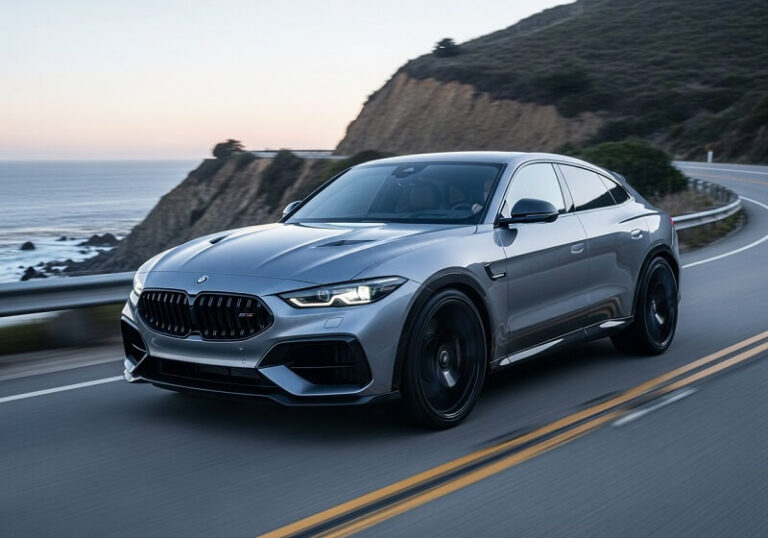
The automotive landscape of 2026 has reached a definitive turning point where the compromise between family utility and high-octane performance has effectively vanished. For years, driving enthusiasts viewed the SUV as a necessary evil—a concession to practicality that signaled the end of spirited weekend drives. Today, however, the best sporty SUVs of 2026 are outperforming traditional sports sedans and even challenging the lap times of dedicated coupes. This evolution is driven by a masterclass in engineering, where manufacturers have leveraged advanced hybridization, active aerodynamics, and predictive suspension systems to defy the laws of physics associated with high-riding vehicles.
As we analyze the current market, it is clear that “sporty” is no longer just a marketing buzzword used to describe a stiff ride and a blacked-out grille. In 2026, a performance SUV must possess a cohesive mechanical identity. This includes rapid-fire gear changes, torque-vectoring all-wheel-drive systems that can pivot a 5,000-pound machine with surgical precision, and power plants that range from screaming naturally aspirated V12s to silent but violent multi-motor electric setups. The competition is fiercer than ever, with legacy brands like Porsche and BMW facing off against ultra-luxury contenders like Lamborghini and Aston Martin, all while electric innovators like Hyundai’s N division redefine what “feedback” means in a digital age.
The criteria for excellence in this segment have shifted toward a holistic driving experience. It is not enough to simply be fast in a straight line; the top-ranking sporty SUVs of the year must communicate through the steering wheel and remain composed when the road gets technical. From the Nürburgring-honed Audi RS Q8 to the dapper yet aggressive Aston Martin DBX S, the variety of flavors available to the modern enthusiast is unprecedented. Whether you crave the mechanical soul of a combustion engine or the instantaneous, neck-snapping torque of a performance EV, the 2026 lineup offers a vehicle tailored to every specific type of driving passion.
The Elite Tier: Super-SUVs That Redefine Speed
At the pinnacle of the market, we find the “Super-SUVs”—machines that carry price tags equivalent to small homes and performance figures that were once reserved for hypercars. Leading this charge is the 2026 Lamborghini Urus SE, the brand’s first plug-in hybrid Super SUV. By pairing its iconic 4.0-liter twin-turbo V8 with a permanent-magnet synchronous electric motor, Lamborghini has created a monster that delivers a combined 800 CV (approximately 789 horsepower). This powertrain allows the Urus SE to sprint from 0 to 100 km/h in a staggering 3.4 seconds, with a top speed of 312 km/h. Beyond the raw numbers, the SE introduces a new longitudinal electric torque vectoring system that makes the vehicle feel significantly more agile than its predecessor, effectively masking its substantial curb weight.
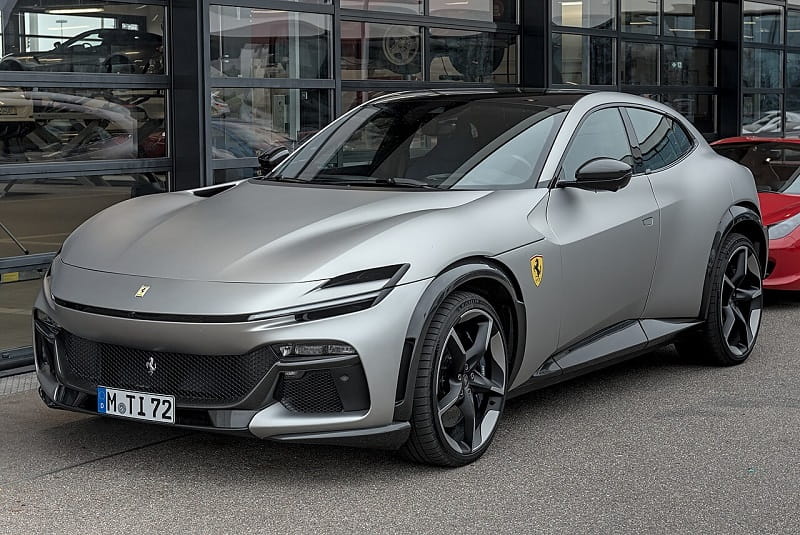
Not to be outdone, the 2026 Ferrari Purosangue remains the purist’s choice in this elite category. While competitors move toward hybridization, Ferrari continues to champion the naturally aspirated 6.5-liter V12. This engine is a masterpiece of internal combustion, producing 715 horsepower and a symphonic exhaust note that no electric motor can replicate. The Purosangue’s “front-mid” engine layout and rear-mounted transaxle provide a weight distribution that mimics a true sports car, resulting in handling characteristics that are uncannily sharp for a four-door vehicle. Its innovative active suspension system, which uses electric motors on each damper to actively counteract body roll, allows the Purosangue to corner flatter than almost any other SUV on the planet.
The 2026 Aston Martin DBX S rounds out this trio of titans. Positioned above the already potent DBX707, the “S” model focuses on weight reduction and refined dynamics. By utilizing magnesium wheels and a carbon-fiber roof, Aston Martin has shaved over 100 pounds of unsprung and upper-body mass, sharpening the steering response and reducing the polar moment of inertia. With 717 horsepower on tap from its Mercedes-AMG sourced V8, the DBX S isn’t just a straight-line bruiser; it is a dapper, sophisticated instrument designed for high-speed grand touring. The interior has also seen a massive upgrade, finally replacing the aging infotainment system with a high-definition, 30-millisecond response touchscreen that brings the cabin technology up to the level of its mechanical prowess.
Key Performance Metrics for 2026 Super-SUVs
- Lamborghini Urus SE: Features a 25.9-kWh battery allowing for over 60 km of pure electric driving, making it the first Lamborghini capable of silent city operation without sacrificing its 800 CV track performance.
- Ferrari Purosangue: Utilizes unique rear-hinged “welcome doors” and a strict four-seat layout to maintain a luxury-sport cockpit feel, powered by a 193 mph-capable V12 engine.
- Aston Martin DBX S: Offers a newly calibrated 9-speed wet-clutch transmission that provides racing-grade shift speeds and 900 Nm of torque for effortless overtaking.
- BMW X5 M Competition: Employs a 48V mild-hybrid system integrated into the 8-speed M Steptronic transmission to sharpen throttle response and eliminate turbo lag from its 617-hp V8.
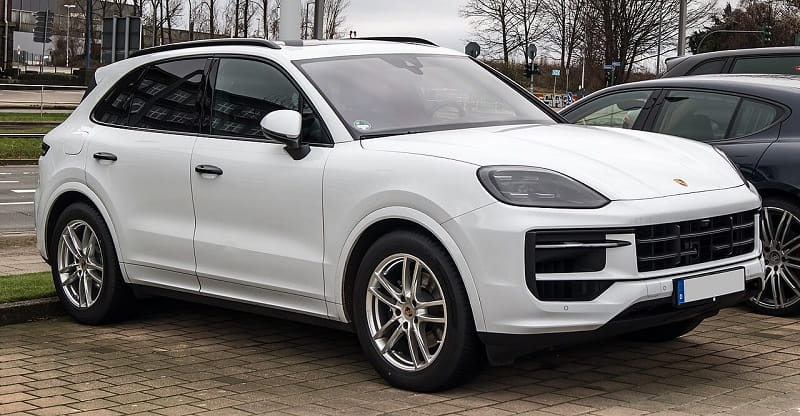
- Porsche Cayenne Turbo E-Hybrid: Delivers a jaw-dropping 729 horsepower, making it the most powerful Cayenne ever produced, with the ability to reach 60 mph in just 3.5 seconds.
- Audi RS Q8 Performance: Features an RS-tuned adaptive air suspension and all-wheel steering as standard, allowing this large SUV to maneuver like a much smaller hatchback in tight corners.
The Precision Specialists: Porsche and BMW
While the exotic brands capture the headlines, the real battle for the enthusiast’s soul happens in the mid-size luxury segment. The 2026 Porsche Cayenne Turbo E-Hybrid represents the zenith of Porsche’s SUV engineering. It is a vehicle of dualities; it can operate as a silent, efficient commuter for 30+ miles of electric range, yet when the driver engages “Sport Plus” mode, the combined 729 horsepower and 700 lb-ft of torque are unleashed with terrifying efficiency. The Cayenne’s secret weapon is the Porsche Active Suspension Management (PASM) with new two-chamber, two-valve technology. This setup allows for a much wider spread between comfort and performance, ensuring the car is as supple on broken pavement as it is rigid on a racetrack.
BMW’s M Division continues to refine its heavy hitters, with the 2026 BMW X5 M Competition and X6 M Competition leading the charge. Both vehicles share a 4.4-liter twin-turbo V8 producing 617 horsepower, but for 2026, the focus has been on “digital chassis” integration. The M-specific all-wheel-drive system (xDrive) and the Active M Differential now work in even closer harmony with the stability control systems. This results in a vehicle that allows for a surprising amount of rear-end rotation, giving the driver the ability to “steer with the throttle” in a way that feels natural and rewarding. Inside, the BMW Curved Display provides M-specific graphics and telemetry, allowing owners to track their lateral G-forces and lap times with ease.
For those who find the Cayenne or X5 M a bit too large, the 2026 Porsche Macan (specifically in its high-performance trims) remains the benchmark for “small” sporty SUVs. Even as the Macan transitions toward an all-electric future, Porsche has ensured that the driving dynamics remain pure. The electric Macan models feature a rear-biased weight distribution and a rear-axle steering system that makes the car feel incredibly nimble. The Macan is often described as “the 911 of SUVs,” and in 2026, that comparison holds more weight than ever as it manages to deliver tactile steering feedback that many of its electric rivals lack.
Electrified Performance: The New Frontier
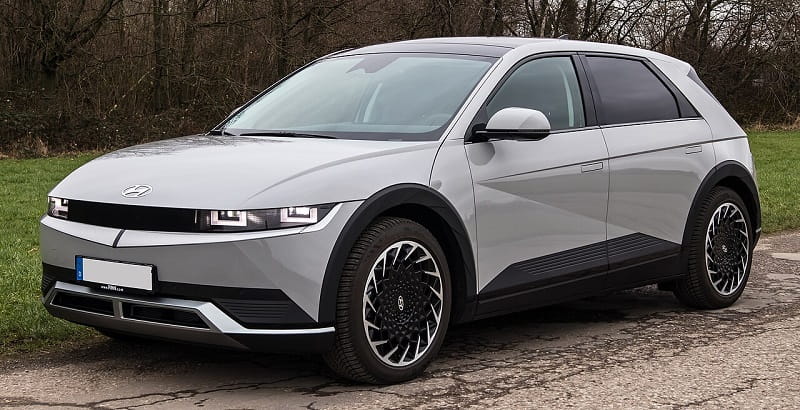
The rise of high-performance electric vehicles has introduced a new dimension to the sporty SUV category. Leading the mainstream enthusiast market is the 2026 Hyundai Ioniq 5 N. This vehicle is a revelation because it prioritizes driver engagement over clinical efficiency. Hyundai engineers have developed “N e-shift,” a system that simulates the jolts and sound of an eight-speed dual-clutch transmission, and “N Active Sound+,” which provides an internal and external acoustic experience that mimics a high-performance combustion engine. With 641 horsepower and a dedicated “N Drift Optimizer” mode, the Ioniq 5 N proves that electric SUVs can be genuinely rowdy and fun to drive.
The 2026 Kia EV6 GT follows a similar path, sharing the 641-horsepower dual-motor architecture of its Hyundai sibling. However, the EV6 GT is tuned for a slightly more grand-touring feel, with a sleek, low-slung silhouette that blurs the line between a crossover and a performance wagon. Its ability to rocket to 60 mph in the low 3-second range puts it in direct competition with the most expensive super-SUVs from Europe, but at a fraction of the price. The EV6 GT’s electronically controlled suspension has been updated for 2026 to provide better mid-corner stability, addressing one of the few criticisms of the earlier models.
Tesla also remains a dominant force with the 2026 Model Y Performance, which benefitted from the “Juniper” refresh. While it may not offer the simulated gears or the emotive sounds of the Korean alternatives, its sheer ubiquity and the relentless efficiency of the Tesla Supercharger network make it a practical performance choice. The 2026 refresh brought much-needed improvements to the suspension dampening and cabin noise insulation, making it a more refined daily driver without sacrificing its signature 3.5-second 0-60 mph acceleration. For the enthusiast who wants performance that is as seamless as a smartphone app, the Model Y remains the logical endpoint.
Top Performance SUVs of 2026: Comparison of Core Specs
- 0-60 MPH Acceleration: The Ferrari Purosangue and Lamborghini Urus SE lead the pack with times around 3.2 to 3.4 seconds, followed closely by the Porsche Cayenne Turbo E-Hybrid at 3.5 seconds.
- Horsepower Rankings: Lamborghini Urus SE (800 CV), Porsche Cayenne Turbo E-Hybrid (729 hp), Ferrari Purosangue (715 hp), and Aston Martin DBX S (717 hp) represent the “700+ Club.”
- Technology and Infotainment: Audi and BMW lead with dual-screen and curved-display setups, while Aston Martin has made the biggest jump in 2026 with its new high-speed touchscreen interface.
- Chassis Engineering: Ferrari’s active suspension (TASV) and Porsche’s two-valve PASM are the gold standards for balancing ride quality with track-ready stiffness.
- EV Practicality: The Hyundai Ioniq 5 N and Kia EV6 GT offer 800V ultra-fast charging, allowing a 10-80% charge in just 18 minutes, making them viable for long-distance enthusiast road trips.
Market Dynamics: Pricing and Value in 2026
The cost of entry for a truly sporty SUV in 2026 varies wildly, reflecting the diversity of the segment. At the entry point of the “serious” performance bracket, the 2026 Acura MDX Type S offers a turbocharged V6 and the legendary Super-Handling All-Wheel Drive (SH-AWD) system for approximately $75,000. It serves as an excellent “gateway” vehicle, providing 355 horsepower and air suspension that punches well above its weight class. For those looking for maximum “bang for the buck” in the electric space, the Hyundai Ioniq 5 N and Kia EV6 GT typically sit in the $65,000 to $70,000 range, offering hypercar-rivaling acceleration for the price of a mid-tier luxury sedan.
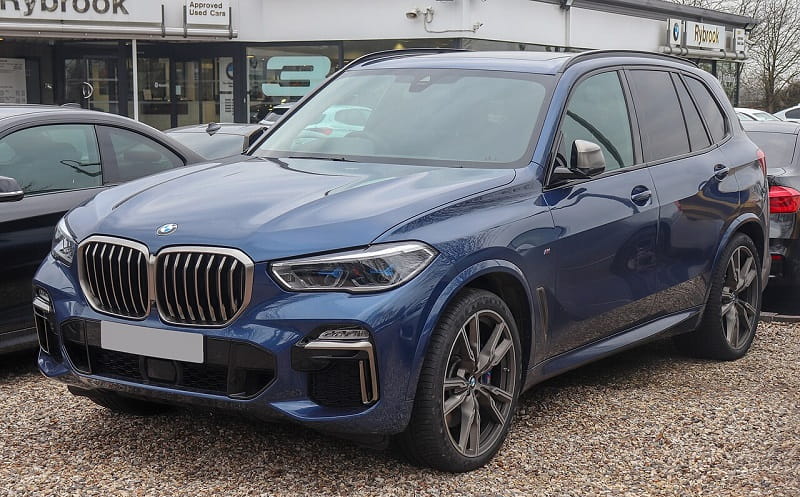
Moving into the prestige German bracket, prices escalate quickly. A 2026 BMW X5 M Competition starts around $153,900, while the Audi RS Q8 Performance begins at $138,300, though with options, both easily clear the $160,000 mark. Porsche’s pricing strategy remains the most complex, with the Cayenne E-Hybrid starting at $103,100, but the range-topping Turbo E-Hybrid commanding a base price of $164,500. It is not uncommon for a fully bespoke Cayenne to exceed $200,000 once the extensive Porsche Exclusive Manufaktur catalog is engaged. These vehicles are no longer just transportation; they are statements of engineering capability and personal status.
At the ultra-luxury level, the 2026 Aston Martin DBX S starts at $274,500, and the Lamborghini Urus SE hovers around $280,000. The Ferrari Purosangue remains the most exclusive, with an estimated starting price of $435,000. For these buyers, depreciation is often less of a concern than the ability to customize every leather stitch and carbon-fiber inlay. However, for the standard enthusiast, the used market for 2024 and 2025 models is becoming increasingly attractive, as the first wave of high-performance hybrid SUVs begins to come off lease, offering a more accessible path into the world of elite sporty utility vehicles.
Pro Tips for Choosing Your Performance SUV
Selecting the right vehicle in this category requires looking beyond the spec sheet. Here are several expert insights to consider before making a purchase:
- Don’t ignore the tires: Most 2026 performance SUVs come with “summer-only” performance tires (like the Pirelli P Zero or Michelin Pilot Sport 4S). If you live in a cold climate, factor in the immediate cost of a dedicated winter wheel-and-tire set, as these vehicles lose significant grip below 45°F.
- Test the brakes: High-performance SUVs are heavy. If you plan on spirited mountain driving, look for models equipped with Carbon Ceramic Brakes (CCB). While expensive to replace, they offer much better fade resistance and significantly less brake dust on your expensive wheels.
- Evaluate the tech: Some manufacturers, like Ferrari and Lamborghini, use interfaces that are heavily driver-centric. Ensure you are comfortable with “pilot-style” controls before committing, as they can have a steeper learning curve than the more intuitive systems found in Audi or BMW.
- Consider the “Daily” factor: A 2026 Lamborghini Urus SE is incredibly fast, but its aggressive styling and loud exhaust may be “too much” for some office environments. Conversely, a Porsche Cayenne Turbo E-Hybrid can blend into traffic easily, offering a “sleeper” profile that many professionals prefer.
Frequently Asked Questions
Are sporty SUVs really as fast as sports cars?
In many cases, yes. In terms of 0-60 mph acceleration and mid-range passing power, SUVs like the Urus SE and Purosangue are faster than many iconic sports cars from just a decade ago. However, due to their higher center of gravity, they will still feel different in high-speed transitions compared to a low-slung coupe like a Porsche 911 or a Ferrari 296 GTB.
Do hybrid performance SUVs require special maintenance?
Yes, hybrid systems like those in the 2026 Cayenne and Urus SE add complexity. You have both a high-strung internal combustion engine and a high-voltage electrical system. It is crucial to have these vehicles serviced at certified dealerships that have the specialized diagnostic tools and trained technicians required for high-performance PHEV systems.
What is the best “budget” sporty SUV in 2026?
The 2026 Mazda CX-50 and Acura MDX Type S are widely considered the best options for those who want a fun driving experience without a six-figure price tag. The CX-50, in particular, is praised for its steering weight and chassis communication, which feels more “European” than many of its Japanese and American competitors.
Is the 2026 Ferrari Purosangue a real SUV?
Ferrari officially refers to it as a “four-door, four-seat car,” avoiding the SUV label. However, with its increased ground clearance and all-wheel drive, it competes directly in the SUV segment. Its unique selling point is its front-mid engine layout, which provides a level of balance and feedback that is virtually unique in this vehicle class.
Conclusion
The best sporty SUVs have successfully bridged the gap between raw emotional appeal and daily usability. From the thunderous V12 of the Ferrari Purosangue to the innovative digital engagement of the Hyundai Ioniq 5 N, there is no longer a “one size fits all” approach to performance. Manufacturers have mastered the art of using technology—be it active suspension, hybrid boosters, or rear-axle steering—to make these high-riding vehicles handle with the grace of a sports sedan. Whether you prioritize the prestige of a luxury badge, the silence of an electric motor, or the visceral scream of a combustion engine, the 2026 market offers a performance SUV that can satisfy even the most discerning driving enthusiast while still handling the school run with ease.