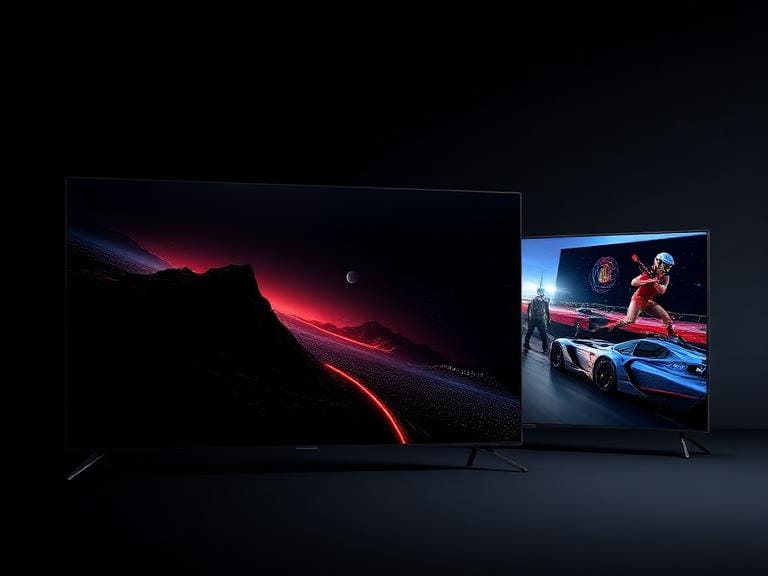
In the rapidly evolving world of home entertainment, smart TVs continue to push boundaries with advanced display technologies. As consumers seek immersive viewing experiences, brands are focusing on innovations that enhance picture quality, color accuracy, and resolution. This year marks significant advancements in display panels, making it an exciting time for upgrades.
Smart TVs integrate streaming services, voice assistants, and connectivity features seamlessly into daily life. With options ranging from budget-friendly models to premium flagships, there’s something for every setup. Key considerations include screen size, refresh rates, and compatibility with gaming consoles or sound systems.
High dynamic range support ensures vibrant visuals across various content types. Brands are also emphasizing energy efficiency and user-friendly interfaces. As we explore the leading options, these elements play a crucial role in determining value.
Understanding OLED and 8K Technologies
OLED technology allows individual pixels to emit light, resulting in perfect blacks and infinite contrast ratios. This self-emissive property eliminates backlight bleeding, providing superior image depth in dark scenes. It’s particularly favored for movie enthusiasts and gamers seeking responsive performance.
8K resolution offers four times the pixels of 4K, delivering unprecedented detail on larger screens. While content availability remains limited, upscaling algorithms make lower-resolution media appear sharper. This tech shines in professional settings or for future-proofing home theaters.
Combining OLED with 8K is rare but promises ultimate clarity and color fidelity. However, high costs and processing demands make it a niche choice. Mini-LED backlighting often complements these for enhanced brightness in competing models.
Brands are investing in anti-reflective coatings to combat glare in bright environments. Variable refresh rates reduce motion blur during fast-paced action. These features ensure versatility across different room conditions and usage scenarios.
Top 10 Smart TV Brands
Samsung
Samsung leads with its QD-OLED panels that combine quantum dots for vibrant colors and OLED for deep contrasts. Models like the S95F achieve peak brightness over 1600 nits, making them suitable for well-lit rooms. The Tizen OS provides intuitive navigation and extensive app support.
The brand’s 8K lineup, including the QN990F, utilizes AI upscaling to enhance non-8K content effectively. Gaming features such as 165Hz refresh rates and low input lag appeal to enthusiasts. Samsung’s external One Connect Box simplifies cable management in premium setups.
Integration with smart home ecosystems like SmartThings adds convenience for users. Voice control via Bixby or Alexa enhances accessibility. Overall, Samsung balances innovation with reliability in its 2026 offerings.
LG
LG excels in OLED technology with its Evo panels, as seen in the G5 series, which boost brightness by up to 40 percent compared to predecessors. The webOS platform offers personalized content recommendations and multi-view capabilities. Dolby Vision support ensures optimal HDR performance across streaming services.
For 8K, models like the Z3 provide sharp details with AI processing for sound and picture optimization. Gaming specs include 120Hz rates and Nvidia G-Sync compatibility. LG’s ThinQ AI integrates seamlessly with home assistants.
The brand emphasizes sustainability with energy-efficient designs. Wide viewing angles make LG TVs ideal for group watching. Their 2026 lineup continues to set standards in color accuracy and motion handling.
Sony
Sony’s Bravia series, particularly the 8 II with QD-OLED, delivers cinematic authenticity through precise color reproduction. The XR processor enhances clarity in upscaled content. Acoustic Surface Audio turns the screen into a speaker for immersive sound.
While not heavily focused on 8K, the Z9K model offers robust performance with high brightness. PlayStation integration provides advantages for gamers. Google TV OS ensures easy access to apps and services.
Sony prioritizes picture processing for natural visuals. Anti-reflection screens reduce distractions in various lighting. The brand’s commitment to quality makes it a top choice for discerning viewers.
TCL
TCL dominates budget segments with Mini-LED tech in the QM8K series, achieving brightness up to 4520 nits. Google TV integration offers a familiar interface with voice search. Multiple HDMI 2.1 ports support advanced gaming features like 144Hz VRR.
Their QD-Mini LED panels provide vibrant colors at affordable prices. Large screen options up to 98 inches cater to home theater setups. TCL’s AIPQ Engine optimizes picture based on content type.
While not leading in 8K, the brand’s value proposition is unmatched. Built-in speakers deliver decent audio without additional hardware. TCL continues to bridge the gap between price and performance.
Hisense
Hisense offers competitive Mini-LED TVs like the U8QG, with brightness exceeding 3000 nits for HDR excellence. The QD7 series provides solid 4K performance at lower costs. Google TV ensures smooth streaming experiences.
Their RGB Mini-LED in models like the 116UX pushes color volume to 95-100 percent BT.2020. Gaming modes with low lag appeal to casual players. Hisense includes features like Apple AirPlay for versatility.
Affordability makes Hisense accessible for larger sizes. Spatial audio systems enhance immersion. The brand’s rapid innovation keeps it relevant in 2026.
Panasonic
Panasonic’s Z90B OLED series supports all HDR formats for comprehensive compatibility. Fire TV OS provides extensive app selection. The Master OLED Pro panel delivers accurate colors for professional use.
Gaming at 144Hz with Dolby Vision mode suits console users. Built-in subwoofers improve bass response. Panasonic focuses on authentic picture quality without gimmicks.
Their smaller OLED sizes like 42-inch cater to compact spaces. Reliability and longevity are hallmarks of the brand. Panasonic remains a solid option for purists.
Roku
Roku’s Pro Series features Mini-LED for bright, colorful pictures in mid-range pricing. The simple interface prioritizes content discovery. Hands-free voice control adds convenience without extra devices.
While lacking OLED, the brand’s QLED models offer good contrast. Remote finder and private listening enhance usability. Roku integrates well with streaming ecosystems.
Affordable large screens make it popular for secondary rooms. Regular updates keep the OS fresh. Roku emphasizes ease over complexity.
Vizio
Vizio’s Quantum Pro uses QLED for vibrant visuals at budget prices. The Home OS provides quick access to free channels. Gaming features include low input lag and VRR support.
While not in 8K, 4K models perform well in mixed lighting. Built-in soundbars in some lines improve audio. Vizio offers value-driven options for everyday use.
The brand’s focus on affordability attracts first-time buyers. SmartCast platform supports major apps. Vizio continues to compete effectively.
Philips
Philips incorporates Ambilight for extended immersion beyond the screen. Their OLED models feature Bowers & Wilkins sound for premium audio. Android TV OS offers extensive customization.
Gaming specs include 120Hz with HDMI 2.1. The brand emphasizes European design aesthetics. Philips provides unique features like mood lighting.
Competitive pricing in mid-range segments appeals broadly. Regular firmware updates enhance performance. Philips stands out for innovative extras.
Sharp
Sharp’s Aquos series uses QLED for sharp, colorful images. Android TV integration ensures compatibility. Larger models focus on home cinema experiences.
While understated, the brand delivers reliable performance. Anti-glare screens suit bright environments. Sharp maintains a niche in quality-focused markets.
Affordability combined with Japanese engineering appeals to value seekers. Voice control and app support are standard. Sharp rounds out options for diverse needs.
Current Market Prices and Deals
- Samsung S90F 65-inch: $1400 at Best Buy. This deal offers significant savings on a high-end OLED model known for its gaming prowess. Availability may vary by region.
- LG Evo G5 65-inch: $1944 at Amazon, with a $1100 discount. Ideal for those seeking bright OLED performance. Check for bundle offers with soundbars.
- TCL QM8K 65-inch: $1500 at Best Buy. A budget-friendly Mini-LED option with excellent brightness. Look for extended warranty promotions.
- Hisense U65QF 65-inch: $529 at Amazon. Entry-level pricing for solid features. Flash sales often reduce it further.
- Sony Bravia 8 II 55-inch: $1998 at Best Buy. Premium QD-OLED with cinematic audio. Seasonal discounts apply.
- Panasonic Z90B 48-inch: Pricing around $1500, often bundled with streaming subscriptions. Check retailer sites for current offers.
- Roku Pro Series 55-inch: $1199 at Amazon. Affordable with hands-free controls. Frequent deals on larger sizes.
- Vizio Quantum Pro 65-inch: $699 at Walmart. Value pick with gaming features. Holiday remnants provide extra savings.
- Philips OLED 55-inch: $1299 at various retailers. Ambilight models see periodic reductions.
- Sharp Aquos 65-inch: $799 at Best Buy. Competitive for QLED tech. Bundle deals with mounts available.
Prices fluctuate based on size and retailer. Major outlets like Amazon and Best Buy often run flash sales. Compare across sites for the best value.
Pros and Cons
- Pros of OLED Models: Perfect blacks enhance movie nights with true-to-life shadows. Wide color gamuts deliver vibrant, accurate hues across content. Low input lag benefits gamers with responsive controls.
- Cons of OLED Models: Risk of burn-in from static images requires careful usage. Higher prices limit accessibility for budget buyers. Brightness levels may struggle in very sunny rooms compared to LED alternatives.
- Pros of 8K Models: Unmatched detail on large screens for immersive viewing. Future-proofing against emerging high-resolution content. AI upscaling improves older media quality significantly.
- Cons of 8K Models: Limited native content availability reduces immediate benefits. Extremely high costs make them impractical for most households. Demanding on bandwidth for streaming.
- Pros of Mini-LED TVs: Exceptional brightness combats glare effectively. Local dimming zones provide deep contrasts without OLED risks. Affordable options available in large sizes.
- Cons of Mini-LED TVs: Potential blooming around bright objects distracts in dark scenes. Narrower viewing angles affect group watching. Color accuracy sometimes requires calibration.
- Pros of Budget Smart TVs: Access to premium features like HDR at lower prices. Easy integration with streaming services. Versatile for secondary rooms or casual use.
- Cons of Budget Smart TVs: Compromised build quality may lead to shorter lifespan. Inferior sound requires additional audio setups. Limited ports restrict connectivity options.
Pro Tips
Calibrate your TV using built-in tools or professional services for optimal picture quality. This adjustment enhances color accuracy and contrast based on your room’s lighting. Regular firmware updates often improve performance and add features.
Mount the TV at eye level to reduce neck strain during extended viewing. Consider wall mounts for space-saving and aesthetic appeal. Pair with a soundbar to overcome built-in speaker limitations.
Enable energy-saving modes to lower power consumption without sacrificing quality. Use eco settings for everyday watching and switch to performance modes for movies. Test different picture presets to find the best fit for content types.
Protect against burn-in by varying content and using pixel refresh functions on OLED models. Avoid static logos during pauses. Invest in surge protectors to safeguard electronics.
Integrate with smart home devices for voice control and automation. Link to assistants like Alexa or Google for seamless operation. Research compatibility before purchase.
Frequently Asked Questions
What is the difference between OLED and Mini-LED? OLED offers self-lit pixels for perfect blacks, while Mini-LED uses backlighting for higher brightness. OLED excels in dark rooms, Mini-LED in bright ones. Choose based on your environment.
Is 8K worth it in 2026? For large screens over 75 inches, 8K provides noticeable detail. However, with limited content, 4K with upscaling suffices for most. Consider future needs when deciding.
How do I choose the right screen size? Measure viewing distance and divide by 1.6 for optimal size in inches. Factor in room layout and seating. Larger screens enhance immersion but require space.
What smart features should I look for? Prioritize platforms like Google TV or webOS for app variety. Voice control and casting support add convenience. Ensure compatibility with your devices.
Are budget TVs reliable? Many offer solid performance with warranties. Read reviews for longevity. Brands like TCL and Hisense provide value without compromising key features.
Conclusion
The 2026 smart TV landscape showcases remarkable advancements in OLED and 8K technologies across top brands. From Samsung’s vibrant QD-OLEDs to LG’s bright Evo panels, options cater to diverse needs and budgets. TCL and Hisense deliver impressive value in Mini-LED, while Sony and Panasonic emphasize cinematic quality.
Current deals make premium features more accessible, with pros like superior contrast outweighing cons such as higher costs. Pro tips ensure optimal setup, and FAQs address common concerns. Ultimately, selecting the right TV enhances entertainment experiences for years to come.