

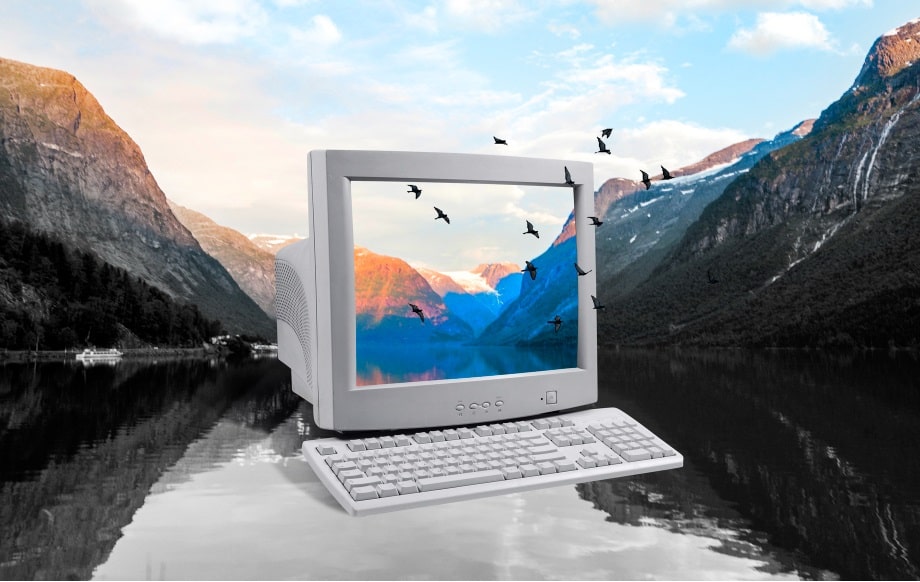
In 2025, the demand for high-quality, free photo editing software has never been higher. Whether you’re a beginner looking to enhance your social media posts or a professional seeking advanced tools without the price tag, the right software can transform your images into stunning visuals. This guide covers the **15 best free photo editing tools** available in 2025, including AI-powered features, platform compatibility, and expert tips to help you choose the perfect fit for your needs.
Why Free Photo Editing Software Matters in 2025
The rise of AI and cloud-based tools has democratized photo editing, making professional-grade features accessible to everyone. Free software now offers capabilities that once required expensive subscriptions, such as:
- AI-Powered Enhancements: Automatically adjust exposure, remove backgrounds, and even generate new elements in your photos with tools like MyEdit and Canva’s Magic Studio.
- RAW File Support: Edit high-quality RAW images directly from your camera with Darktable, GIMP, or RawTherapee—no conversion needed.
- Cross-Platform Accessibility: Use the same editor on Windows, macOS, Linux, or mobile devices, ensuring flexibility for creators on the go.
- No Watermarks: Unlike many free trials, these tools let you export clean, watermark-free images for personal or commercial use.
- Open-Source Privacy: Open-source options like GIMP and Darktable respect your privacy and don’t track your data.
Top 15 Free Photo Editing Software in 2025
1. GIMP (GNU Image Manipulation Program)
Best for: Advanced users seeking a Photoshop alternative.
GIMP remains the gold standard for free, open-source photo editing. Its latest version (3.2) introduces a revamped interface, improved performance, and new AI plugins for tasks like object removal and sky replacement. With support for layers, masks, and custom brushes, GIMP is ideal for graphic designers, photographers, and digital artists who need professional tools without the cost.
Key Features:
- Full layer and mask support for complex edits.
- AI plugins for background removal, upscaling, and style transfer.
- Compatibility with Photoshop plugins (via GIMPshop).
- Available on Windows, macOS, and Linux.
2. Darktable
Best for: RAW photo processing and professional workflows.
Darktable is a powerhouse for photographers who shoot in RAW. Its non-destructive editing, advanced color grading, and tethered shooting support make it a favorite among pros. The 2025 update introduced AI-powered noise reduction and a more intuitive interface, reducing the learning curve for newcomers.
Key Features:
- Non-destructive RAW editing with virtual copies.
- AI-driven noise reduction and sharpening.
- Customizable modules for exposure, color, and detail adjustments.
- Open-source and privacy-focused.
3. Canva (Free Plan)
Best for: Social media creators and quick design projects.
Canva’s free plan offers a surprisingly robust set of tools for photo editing and graphic design. Its drag-and-drop interface, template library, and AI features (like Magic Eraser and Text-to-Image) make it perfect for beginners and small businesses. While some AI tools require a premium subscription, the free version includes essential adjustments like cropping, filters, and basic retouching.
Key Features:
- Thousands of templates for social media, posters, and presentations.
- AI-powered background removal and quick edits.
- Collaboration tools for team projects.
- Web-based—no download required.
4. Photopea
Best for: Online Photoshop-like editing.
Photopea is a browser-based editor that mimics Adobe Photoshop’s interface and functionality. It supports PSD files, layers, and advanced tools like content-aware fill and liquify. Ideal for users who need Photoshop’s power but prefer a free, no-install solution.
Key Features:
- Full PSD file support and layer management.
- Advanced tools like healing brush, clone stamp, and text effects.
- No account or subscription required.
- Works on any device with a modern browser.
5. Snapseed (Mobile)
Best for: Mobile photographers and on-the-go editing.
Developed by Google, Snapseed is a mobile app packed with professional-grade tools. Its selective editing, HDR effects, and portrait enhancements make it a favorite for smartphone photographers. The app’s intuitive gestures and non-destructive edits set it apart from other mobile editors.
Key Features:
- 29 tools and filters, including healing, brush, and perspective tools.
- RAW file support on mobile devices.
- Non-destructive editing with stackable adjustments.
- Free with no ads or watermarks.
6. RawTherapee
Best for: Technical photographers who prioritize processing control.
RawTherapee is a cross-platform RAW processor with a dense but powerful interface. It’s designed for users who want granular control over every aspect of their images, from demosaicing to color grading. The 2025 update improved its batch processing and added new film simulation profiles.
Key Features:
- Advanced RAW processing with custom profiles.
- Batch processing for large photo sets.
- Open-source and ad-free.
- Supports Windows, macOS, and Linux.
7. Pixlr
Best for: Quick online edits and social media content.
Pixlr offers a suite of online tools, including Pixlr X (simplified) and Pixlr E (advanced). The free version includes AI cutout, filters, and overlays, making it great for social media creators. Its cloud storage integration allows you to save and access projects from anywhere.
Key Features:
- AI-powered tools for background removal and retouching.
- Thousands of free templates and overlays.
- No installation required—works in any browser.
- Mobile apps available for iOS and Android.
8. Paint.NET
Best for: Windows users who want a lightweight but powerful editor.
Paint.NET is a free alternative to Microsoft Paint, offering layers, effects, and plugins for advanced editing. While it lacks some professional features, its simplicity and speed make it ideal for quick edits and basic graphic design.
Key Features:
- Layer support with blending modes.
- Plugin ecosystem for extended functionality.
- Lightweight and fast on Windows PCs.
- Active community for tutorials and support.
9. Polarr
Best for: Beginners and AI-assisted editing.
Polarr’s free version includes AI-powered tools like face retouching, sky replacement, and style transfer. Its guided tutorials help newcomers learn editing basics, while advanced users can dive into manual adjustments.
Key Features:
- AI filters and one-tap enhancements.
- Face and skin retouching tools.
- Web, iOS, and Android versions available.
- No watermarks on exported images.
10. MyEdit
Best for: AI-driven online editing with daily free credits.
MyEdit stands out for its generous free tier, which includes daily AI credits for tasks like background removal, image fusion, and text editing. The platform is entirely web-based and requires no sign-up, making it one of the most accessible options for casual users.
Key Features:
- Daily renewable AI credits for free users.
- No account or payment details required.
- Tools for AI replace, image fusion, and text effects.
- Simple, intuitive interface for quick edits.
11. PhotoDirector (Free Version)
Best for: AI-powered creative effects and collages.
CyberLink’s PhotoDirector offers a free version with AI tools like object removal, sky replacement, and animated overlays. It’s a great choice for users who want to experiment with creative effects without a steep learning curve.
Key Features:
- AI object removal and sky replacement.
- Animated overlays and motion effects.
- Layer-based editing for advanced compositions.
- Free version includes most core features.
12. Fotor
Best for: AI-generated designs and social media templates.
Fotor combines photo editing with AI design tools, allowing users to create everything from social media posts to marketing materials. Its AI image generator and batch processing features make it a versatile choice for content creators.
Key Features:
- AI image generator and background remover.
- Batch processing for multiple photos.
- Thousands of templates for social media and print.
- Web-based with mobile apps available.
13. PhotoPos Pro
Best for: Frame-based editing and collages.
PhotoPos Pro specializes in frames, collages, and effects. Its free version includes hundreds of templates and manual tools for precise adjustments. The software is lightweight and ideal for users who focus on creative compositions rather than technical edits.
Key Features:
- Hundreds of frames and collage templates.
- Manual adjustment tools for color and lighting.
- Supports layers and text effects.
- No watermarks on exported images.
14. VSCO (Free Plan)
Best for: Mobile photographers and film-like presets.
VSCO’s free plan includes a selection of its iconic film-inspired presets, along with basic editing tools. The app’s minimalist interface and community features make it a favorite among mobile photographers and Instagram creators.
Key Features:
- Film-like presets for instant style.
- Manual adjustments for exposure, color, and sharpness.
- In-app photo sharing and community engagement.
- Free with optional premium presets.
15. ACDSee Photo Studio (Free Trial)
Best for: Photo management and RAW editing.
While ACDSee’s full version is paid, its free trial offers robust tools for organizing and editing photos. The software excels in digital asset management, making it ideal for photographers with large libraries. Its RAW editing and facial recognition features are standout highlights.
Key Features:
- Advanced digital asset management.
- RAW editing with non-destructive adjustments.
- Facial recognition and keyword tagging.
- Free trial with full feature access.
Pro Tips for Choosing the Right Free Photo Editor
- Match the Software to Your Skill Level: Beginners should start with user-friendly tools like Canva or Polarr, while advanced users may prefer GIMP or Darktable.
- Check for RAW Support: If you shoot in RAW, ensure your chosen software (e.g., Darktable, RawTherapee) supports your camera’s file format.
- Prioritize AI Features: For quick edits, look for AI tools like background removal, sky replacement, and one-tap enhancements.
- Consider Platform Compatibility: If you switch between devices, choose cross-platform tools like GIMP or web-based editors like Photopea.
- Test Before Committing: Most free editors offer full feature access without a trial period—experiment with a few to find your favorite.
Frequently Asked Questions
Is free photo editing software really free?
Yes, all the software listed here offers free versions with no hidden costs. Some may have premium upgrades for additional features, but the core tools are available at no charge.
Can I use these tools for commercial projects?
Most free photo editors allow commercial use, but always check the software’s license agreement. Open-source tools like GIMP and Darktable are typically safe for commercial work.
Do I need to download software, or are there online options?
Both options are available. GIMP, Darktable, and Paint.NET require downloads, while Photopea, Pixlr, and Canva are web-based. Mobile apps like Snapseed and VSCO are also available.
Are there any limitations to free versions?
Some free versions may limit AI features, cloud storage, or export quality. For example, Canva’s free plan restricts access to premium templates and AI tools, but the core editing features remain available.
Conclusion
In 2025, free photo editing software has closed the gap with paid alternatives, offering powerful tools for every skill level and platform. Whether you’re a beginner looking for AI-assisted edits or a professional needing RAW processing and advanced controls, the options above provide everything you need to create stunning images—without the price tag.
Start with one or two tools that match your workflow, experiment with their features, and don’t hesitate to combine multiple editors for different tasks. With the right software, your creative potential is limitless.
