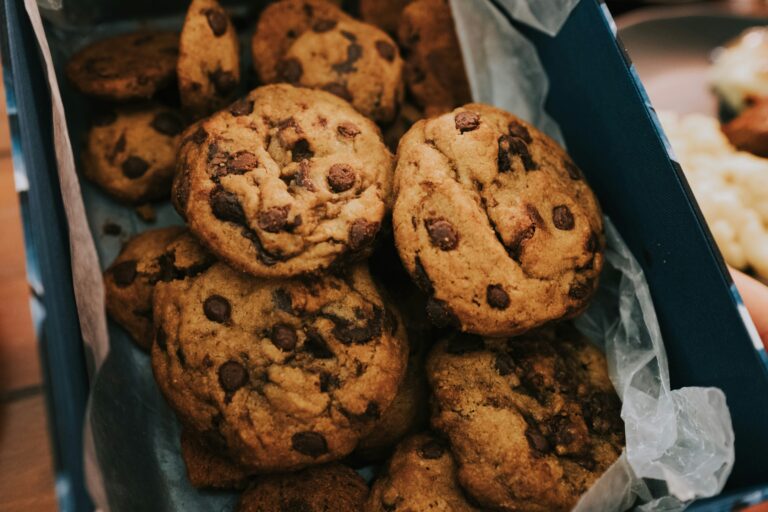
The chocolate chip cookie is, arguably, the most iconic and beloved baked good in the world. It represents comfort, nostalgia, and simple, accessible baking mastery. Yet, the pursuit of the “perfect” chocolate chip cookie often proves elusive. Many home bakers settle for cookies that are too thin and greasy, too thick and cakey, or simply lack the depth of flavor found in professional bakery counterparts. The difference between a good cookie and an exceptional, bakery-style cookie lies not just in the recipe itself, but in a precise understanding of ingredient functions, mixing techniques, and the critical role of resting time and temperature control. This comprehensive guide moves beyond simple ingredient lists to delve into the culinary science, offering the precise knowledge required to consistently achieve the coveted texture: a rich, caramelized crispness around the edges giving way to a soft, gooey, and deeply chewy center.
Creating this perfect balance involves manipulating the fundamental chemical reactions that occur between flour, sugar, fat, and leavening agents. We will meticulously examine each component, from the protein content of the flour to the specific ratio of granulated to brown sugar, demonstrating how each choice dictates the final texture and flavor profile. By adopting these expert techniques—including the game-changing step of browning the butter and the mandatory requirement of chilling the dough—you will transform your cookie baking from an exercise in chance into a repeatable, scientific process, yielding cookies that rival the world’s best professional bakers.
The journey to the perfect cookie is one of detail, demanding respect for ingredient quality and temperature. It begins with selecting the right core components and understanding how their interaction, often overlooked by novice bakers, forms the bedrock of an unforgettable final product. Our focus is on precision, ensuring that the final output is not just edible, but truly extraordinary in its depth of flavor and ideal structure.
The Culinary Science of Essential Ingredients
Achieving the ideal cookie texture is a direct result of carefully balancing the core ingredients. Flour provides structure, sugars dictate spread and chewiness, fat contributes flavor and tenderness, and leavening agents control lift and height. Any deviation in these proportions or preparation methods will drastically alter the cookie’s final morphology.
Flour: The Architectural Framework
The type and amount of flour used is the primary determinant of a cookie’s structure. Most standard recipes call for All-Purpose (AP) flour, which has a moderate protein content, typically ranging from 10% to 12%. This protein level is enough to provide necessary structure without making the cookie tough or overly dense. When mixed with liquid, the proteins in the flour form gluten strands; the more you mix, the more developed the gluten becomes, leading to a cakier, tougher texture. For the ideal bakery-style cookie—chewy, not cakey—minimizing gluten development is key.
Some expert bakers blend AP flour with a small amount of Bread flour, which has a higher protein content (up to 14%). A higher protein level means more gluten can form, resulting in a slightly chewier, more resilient cookie that resists crumbling. Conversely, using only cake flour (low protein) would result in a fragile, sandy texture. Controlling the temperature of the dough, particularly by chilling it, also helps the flour hydrate more evenly without the need for excessive mixing, thus preventing over-development of gluten.
Sugars: Controlling Moisture, Spread, and Color
The ratio of granulated sugar to brown sugar is arguably the most critical factor in controlling a cookie’s final texture. Granulated sugar, which is pure sucrose, promotes a crisp texture and aids in spreading. When heated, it melts quickly and then caramelizes, contributing to the crisp edges and the golden-brown color of the cookie. Brown sugar, on the other hand, is granulated sugar with added molasses. The molasses is the crucial component here because it is slightly acidic and, most importantly, highly hygroscopic—meaning it retains moisture.
A higher proportion of brown sugar (such as a 2:1 ratio of brown to white) results in a softer, moister, and significantly chewier cookie that spreads less during baking. This is the secret to the coveted chewy center. The molasses also imparts a deeper, more complex flavor profile than white sugar alone. Therefore, to achieve the bakery-style standard of chewy centers and crisp edges, a balanced recipe requires more brown sugar than white, or even all brown sugar, depending on the desired level of chewiness and spread.
Fats: Tenderness and Flavor Development
Fat, typically unsalted butter, serves several roles: it contributes flavor, tenderizes the cookie by coating the flour proteins (inhibiting gluten development), and helps with leavening through the creaming process. Unsalted butter is preferred as it gives the baker full control over the salt content, which is a crucial flavor enhancer in any cookie. The state of the butter—softened, melted, or browned—dramatically affects the final outcome.
Using softened, room-temperature butter leads to a lighter, airier dough when creamed with sugar. Using melted butter, or even better, browned butter, eliminates the aeration step and results in a denser, richer, and chewier cookie with a significantly more developed, nutty flavor. Browning the butter involves heating it until the milk solids separate, toast, and caramelize. This process removes some of the water content from the butter and infuses the entire dough with a profound, almost toffee-like complexity, which is essential for that professional, upscale flavor.
Leavening Agents: Lift and pH Balance
Leavening agents are responsible for the cookie’s rise and overall shape. The two main players are Baking Soda and Baking Powder. Baking soda (sodium bicarbonate) requires an acid (like the molasses in brown sugar) and moisture to activate. It promotes spread and a deep golden color. Because it relies on acidity, the higher ratio of brown sugar in a chew-focused recipe makes baking soda the primary choice.
Baking powder is a mixture of baking soda, an acid, and a starch. It is ‘double-acting,’ meaning it activates once when mixed with liquid and again when heated in the oven. It tends to promote more lift and results in a thicker, slightly more dome-shaped cookie. For a bakery-style cookie that is chewy but still has some structure, a recipe might use only baking soda to react with the brown sugar, or a small combination of both to achieve the perfect balance of spread and lift without becoming overly cakey. Too much leavening will result in a dry, spongy texture, which is the antithesis of the desired chewy center.
Mastering the Mixing Techniques
Once the ingredients are measured, the method by which they are combined holds the next key to texture control. The sequence and duration of mixing dramatically affect the aeration, gluten formation, and ultimately, the cookie’s spread.
The Art of Browning the Butter
This technique elevates a simple cookie into a gourmet experience. Browning the butter involves a simple, yet critical step: gently melting the butter in a saucepan until the milk solids turn a rich amber brown and emit a nutty aroma. This not only develops a deep, toffee flavor, but also removes about 15-20% of the water content from the fat. Less water means less steam is generated during baking, which in turn means less lift and spread, resulting in a denser, chewier cookie.
After browning, the butter must be allowed to cool until it is just above room temperature (still liquid, but not hot) before being combined with the sugars. Adding hot butter to the eggs can scramble them, and combining it with the sugar while hot will prematurely dissolve the sugar, leading to excess spread. Allowing it to cool is an essential step for both flavor and structural integrity.
The Creaming Stage: Aeration Control
The creaming method—beating the cooled, browned butter with the sugars—is about introducing air. The sharp edges of the sugar crystals cut into the fat, creating tiny air pockets. During baking, these air pockets expand, contributing to the cookie’s final volume. When using regular softened butter, creaming is done until the mixture is light and fluffy. However, with melted or browned butter, the goal is slightly different, as much of the aeration is sacrificed for chewiness. In this case, the mixture should only be beaten until it is smooth and combined, about 2–3 minutes, ensuring the sugar is dissolved just enough to start the process without over-mixing.
The eggs are incorporated next, one at a time, followed by the vanilla extract. It is vital to mix thoroughly after each egg addition to ensure proper emulsification. Eggs serve as a binding agent, contribute moisture, and act as a secondary leavener. Mixing them in individually allows the lecithin in the yolk to fully emulsify the fats and liquids, preventing the dough from separating.
Incorporating Dry Ingredients: The Gentle Hand
This is where excessive gluten development is often introduced. Once the flour is added to the wet mixture, mixing should be minimal—just until the last streaks of flour disappear. Over-mixing at this stage activates too much gluten, which results in a tough, cakey cookie that lacks the desired chewiness. For a flawless result, use a spatula or stand mixer on the lowest speed. As soon as the flour is mostly incorporated, fold in the chocolate chips or chunks by hand. This final, gentle folding ensures the chocolate is evenly distributed without stressing the gluten structure.
The careful integration of the dry ingredients into the wet is critical to maintaining a soft, tender final texture. The goal is hydration without agitation. Any remaining dry spots should be integrated by hand after the majority of the mixing is complete, ensuring the least amount of mechanical energy is applied to the flour.
The Game-Changing Addition: Flaky Sea Salt
While salt is an essential ingredient in all baking, flaky sea salt applied generously to the top of the cookie dough balls just before baking is a hallmark of bakery-style cookies. This finishing touch is not merely decorative; it provides a necessary contrast to the sweetness of the sugar and the richness of the chocolate and butter. The large, uneven crystals of sea salt burst with flavor when bitten, creating a momentary, pleasing complexity that elevates the entire experience.
- Enhanced Flavor Contrast: The salt cuts through the overwhelming sweetness of the sugar and the fat content of the butter and chocolate. This creates a more balanced flavor profile, preventing the cookie from tasting one-dimensionally sugary. It is the crucial contrast that professional bakers utilize to make flavors pop.
- Texture Element: Unlike fine table salt, flaky sea salt crystals maintain their structure on the cookie’s surface. This provides a distinct, noticeable crunch and textural interest when the cookie is eaten, improving the overall sensory experience. The large flakes also visually signify quality and craft.
- Mineral Complexity: High-quality sea salts, such as Maldon, contain trace minerals that offer a subtle, clean minerality distinct from processed table salt. This complexity interacts beautifully with the caramelized notes of the brown butter and sugar.
- Hydration Control: Salt, in general, helps to control the yeast and fermentation process in doughs, though less critically in cookies than in bread. In this application, however, it aids in slightly controlling the rate of spread by interacting with the gluten network, though its primary function remains flavor.
- Visual Appeal: The scattered, reflective flakes of sea salt on a warm, golden-brown cookie are aesthetically pleasing and signal a premium product. This visual cue is often associated with high-end, artisan-baked goods.
- Moisture Retention: Salt is mildly hygroscopic. While used sparingly on top, the salt within the dough helps to slightly retain moisture, contributing subtly to the chewiness and shelf life of the final cookie.
The Critical Role of Dough Chilling
Perhaps the single most important technique that separates a novice baker’s cookie from a professional’s is the chilling, or ‘aging,’ of the cookie dough. This step is non-negotiable for achieving deep flavor and the perfect chewy texture. A minimum of 24 hours of refrigeration, and ideally 48 to 72 hours, is required.
Why Chilling is Essential for Flavor
Chilling the dough provides time for the components to interact and mature. This period is referred to as ‘aging.’ During aging, two critical flavor changes occur: first, the enzymes in the flour (amylases) break down some of the starch into simple sugars. These simple sugars are more prone to caramelizing during baking, leading to a deeper, more complex, and more pronounced butterscotch flavor. Second, the brown sugar’s molasses component interacts more fully with the fat and flour, deepening the overall richness.
The process of slow flavor development, known as the Maillard Reaction (a complex chemical reaction responsible for the browning of foods), is enhanced by the longer contact time between the proteins and sugars during chilling, resulting in a more complex, less raw-tasting cookie.
Why Chilling is Essential for Texture (Preventing Spread)
Chilling serves a vital physical function: solidifying the fat (butter). When cold, the butter takes longer to melt in the hot oven. This extended melting time means the dough has more time to set and the proteins have more time to coagulate before the cookie spreads excessively. If the dough is baked immediately after mixing, the room-temperature fat melts almost instantly, causing the cookies to spread rapidly into flat, thin discs.
Furthermore, chilling allows the flour to fully and evenly hydrate. Proper hydration ensures that the structure is set correctly, minimizing the risk of a dense, floury center while also creating the perfect conditions for chewiness. This combined effect—firm fat and hydrated flour—guarantees a thick, bakery-style cookie with minimal, controlled spread.
Portioning and Shaping the Dough
After chilling, the dough must be portioned uniformly. Use an ice cream scoop (typically a #20 or #16 size for large bakery-style cookies) to ensure all cookies are the same size, which guarantees they bake at the same rate. Before baking, roll the scooped dough into tall, round balls. This shape encourages the cookie to rise higher before spreading out, which directly contributes to the desirable thick center. For an extra rustic, chewy look, tear the dough balls in half and press the ragged sides back together, exposing more surface area to caramelize.
Baking Parameters: Heat and Time
The final execution—the baking process—is where all the careful ingredient selection and preparation culminate. Oven temperature, baking sheets, and monitoring are the last variables to control.
Oven Calibration and Temperature
Most home ovens are inaccurately calibrated. A critical step is using a cheap, standalone oven thermometer to verify the internal temperature. A stated temperature of 350°F (175°C) can be off by 25°F or more, which will ruin the precise chemical balance you have established. For optimal results, preheat the oven and allow it to stabilize for at least 30 minutes.
The optimal baking temperature for a thick, bakery-style cookie is generally 375°F (190°C). This higher temperature creates a faster-setting edge, caramelizing the sugars on the outside quickly while the internal temperature rises more slowly. This preserves the soft, gooey center. Baking at a lower temperature, such as 325°F (160°C), would result in a greater spread and a less crisp edge.
Baking Sheets and Liners
The surface the cookie bakes on significantly influences the bottom texture. Always use light-colored, heavy-gauge aluminum baking sheets. Dark sheets absorb and retain too much heat, leading to scorched or overly browned bottoms. Lining the baking sheet with parchment paper or a silicone mat (like Silpat) is essential. These liners prevent sticking, ensure even heat distribution, and provide easy removal. Never bake cookies directly on a greased sheet, as the excess fat encourages unnecessary spread.
Monitoring the Bake and Achieving Perfection
A chewy cookie should be baked until the edges are deep golden-brown and fully set, but the center still looks slightly underbaked, pale, and slightly puffed. It is crucial to pull the cookies from the oven when they look about two minutes shy of being fully done. The carryover heat from the baking sheet will complete the cooking process—a phenomenon known as residual baking or carryover cooking—allowing the center to set just enough without becoming dry or cakey. For large, 4-ounce cookies, this often takes 12–15 minutes, depending on the oven.
Once removed from the oven, allow the cookies to cool on the baking sheet for a full 5 minutes. This is critical for the soft center to firm up enough to be transferred without breaking. After 5 minutes, move them to a wire rack to finish cooling completely. The wire rack ensures air circulation underneath the cookie, which is necessary for achieving a crisp bottom and preventing steam from collecting and making the bottom soggy.
Pro Tips for Troubleshooting and Enhancement
For those seeking the absolute maximum flavor and texture, these professional tips address common pitfalls and introduce advanced modifications that push the cookie into the realm of the truly artisanal.
Reverse Creaming for Ultra-Tender Cookies
The standard creaming method mixes fat and sugar first. The reverse creaming method, often used in cake baking, can be adapted for cookies to ensure maximum tenderness. Instead of creaming, you first combine the sugar and flour, then cut the softened fat (butter) into the mixture. The fat coats the flour particles before any liquid is introduced, significantly minimizing gluten development. This technique results in a cookie that is extraordinarily tender, almost melt-in-your-mouth, while still retaining chewiness from the brown sugar and fat content.
Warming the Flour for Consistency
A technique used by some top pastry chefs is gently warming the flour before adding it to the mixture. Warming the flour to approximately 100°F (38°C) helps the fat and sugar emulsify more smoothly and promotes better hydration once the eggs are introduced. This prevents any clumping and ensures a homogenous dough without the need for excessive mixing, thus preventing gluten over-development. This small adjustment contributes to a perfectly even bake and consistent texture across all cookies.
Adjusting for High Altitude Baking
Baking at high altitudes presents a unique challenge: lower atmospheric pressure causes cookies to spread faster and rise excessively due to the decreased pressure resisting the leavening gases. To compensate, high-altitude bakers must make specific adjustments. They often increase the amount of liquid (egg/milk) and flour slightly, which helps to shore up the structure. They may also slightly decrease the leavening agent (baking soda/powder) to control the rise, and slightly lower the oven temperature to prevent excessive spreading caused by the rapid melting of fat.
The Water Bath for Perfect Browning
If you find that your cookie edges are burning before the centers are cooked, a simple trick is to place an aluminum foil-covered pan or cookie sheet on the rack below the baking cookies. Place a small amount of water in the covered pan. This acts as a slight steam barrier, evening out the heat distribution and allowing the bottom of the cookie to bake more slowly, preventing premature scorching while still encouraging the top to brown beautifully.
Frequently Asked Questions
Why are my chocolate chip cookies always flat and greasy?
Answer: Flat and greasy cookies are almost always a result of warm or melted butter being used without adequate chilling, or using too high a ratio of granulated sugar. When the butter is too warm, it melts immediately in the oven, causing the cookie to spread out rapidly before the flour proteins have a chance to set the structure. To fix this, always use butter that is just slightly softened, or follow the browned butter method, and then ensure the dough is chilled for a minimum of 24 hours. The cold temperature solidifies the fat, which melts slowly, keeping the cookie thick. Also, ensure you are using enough flour, as under-measured flour leads to excessive spread.
What makes a cookie cakey, and how can I fix it?
Answer: A cookie becomes cakey due to two primary factors: over-mixing the flour or using too much leavening, particularly baking powder. Over-mixing develops the gluten network, leading to a bread-like structure that is spongy, not chewy. To fix this, mix the dry ingredients only until the last streaks of flour disappear. Secondly, an excess of baking powder encourages too much rise, trapping air and moisture to create a cakey interior. Ensure your recipe uses the correct leavening, usually a higher proportion of baking soda (which encourages spread) than baking powder (which encourages height).
Do I have to chill the dough, and what is the shortest time I can chill it for?
Answer: Yes, chilling is absolutely mandatory for a bakery-style cookie. The shortest acceptable time is roughly 30 minutes, but this is only for structural reasons—it allows the butter to solidify and prevents immediate spread. However, for maximum flavor development (the breaking down of starches into sugars for a deeper butterscotch flavor), you must aim for 24 to 72 hours. If time is an absolute constraint, chill for at least 30 minutes, but for the true “ultimate” cookie, plan for a full 48-hour rest. You can also freeze scooped dough balls for future use; they can be baked directly from frozen, adding a couple of minutes to the baking time.
Can I substitute chocolate chips with chopped chocolate chunks?
Answer: Yes, and this is highly recommended for a superior cookie. Chocolate chips contain stabilizers (lecithin) that help them retain their shape during baking. Chopped chocolate chunks (cut from a high-quality bar) contain cocoa butter that melts more fully and beautifully during the bake, creating desirable pools of molten, silky chocolate throughout the cookie. Using a mix of milk, semi-sweet, and dark chocolate chunks also adds complexity and depth, further contributing to the gourmet, bakery-style finish. The varied melting points of different types of chocolate create a richer, more textural contrast.
What is the ideal internal temperature for a perfect chewy cookie?
Answer: While internal temperature is less commonly measured in cookie baking than in bread or meat, the key is the temperature where starches gelatinize and proteins coagulate without drying out the moisture. For a gooey, chewy center, the cookie should be pulled from the oven when the internal temperature is between 180°F and 190°F (82°C and 88°C). The residual heat will push the temperature up to around 200°F (93°C), which is the point where the cookie is safe to eat but retains maximum moisture and chewiness. Anything significantly higher, say 205°F (96°C) or more, will result in a drier, cakier texture.
Conclusion
The quest for the perfect chocolate chip cookie is a fascinating convergence of art and kitchen chemistry. By moving beyond traditional, simple recipes and embracing the science of baking, any home cook can achieve the gold standard: a cookie with a rich, caramelized crisp edge and a decadent, chewy center. The key takeaways for achieving this bakery-style perfection are rooted in rigorous attention to detail: utilizing browned butter for deep flavor and reduced water content, precisely balancing the sugar ratio with a preference for brown sugar’s moisture-retaining molasses, minimizing mixing to control gluten formation, and, most critically, allowing a 48-hour dough chilling period for optimal flavor maturity and texture control. By applying these specific techniques—from using an oven thermometer to finishing with flaky sea salt—the humble chocolate chip cookie is elevated into a masterful and unforgettable dessert, guaranteeing consistent, professional-grade results every time.