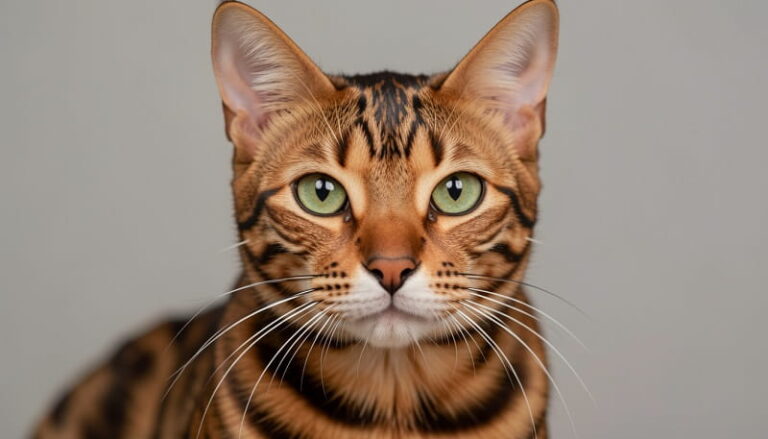
Deciding to welcome a cat into your home is a significant and rewarding choice, one that often begins with a simple yet complex question: which breed is right for me? While popular lists of “best” cat breeds provide a starting point, the truth is that the ideal feline companion isn’t defined by a universal ranking but by a perfect alignment of personality, lifestyle, and practical needs. The most fulfilling human-cat relationships are built on mutual understanding, requiring prospective owners to look beyond aesthetics and delve into the specific temperament, activity level, and care requirements of different breeds. This comprehensive guide will navigate you through the essential considerations—from playful Siamese to laid-back Persians, from the needs of a busy professional to the dynamics of a family with young children—to help you make a fully informed decision that leads to a harmonious and joyful life together for many years to come.
Understanding the Core Feline Personality Spectrum
Before examining individual breeds, it is crucial to understand the fundamental personality traits that define them. These core characteristics form a spectrum that can predict how a cat will fit into your daily life. The primary axes to consider are activity level, social dependence, and vocalization. A cat’s placement on these spectrums determines whether it will be an energetic playmate, a serene observer, a constant shadow, or an independent spirit.
The Energy Continuum: From High-Octane to Couch Connoisseur
Feline energy levels are not a minor detail; they dictate the rhythm of your household. High-energy breeds, such as the Abyssinian, Bengal, or Siamese, possess a boundless need for physical and mental engagement. They are natural athletes who require interactive play sessions, puzzle toys, and often even leash training for outdoor exploration. Without adequate stimulation, these intelligent cats may channel their energy into undesirable behaviors like climbing curtains or vocalizing excessively. On the opposite end, low-energy breeds like the Persian, British Shorthair, and Ragdoll are epitome of tranquility. They are content with leisurely play and spend much of their day in serene repose, making them superb companions for quiet apartments or less active individuals. Moderately active breeds, such as the Maine Coon or American Shorthair, offer a versatile balance, enjoying playtime but also appreciating substantial downtime.
Social Needs: Velcro Cats vs. Independent Felines
A cat’s need for social interaction is a critical factor in choosing a compatible breed. “Velcro” or people-oriented cats, including Ragdolls, Siamese, and Burmese, form intense, dog-like bonds with their owners. They follow you from room to room, crave lap time, and actively participate in household activities. Their deep affection can border on dependency, and they may struggle with being left alone for long periods. Conversely, independent breeds like the Norwegian Forest Cat, many Russian Blues, and the British Shorthair are confident and self-sufficient. They show affection on their own terms—perhaps a greeting at the door or a quiet sit nearby—and are perfectly content entertaining themselves. This trait makes them suitable for people with demanding work schedules. It’s essential to match your availability for companionship with your cat’s social expectations to prevent anxiety in a needy cat or frustration for an owner seeking constant interaction.
Matching Breeds to Lifestyles and Living Situations
The practical realities of your daily life are the most important filter for selecting a breed. A cat that thrives in a bustling family home may be miserable in a studio apartment, and vice versa. An honest assessment of your environment, routine, and household members is the foundation of a successful match.
For Families with Children and Other Pets
Families need a cat with a specific temperament: patient, playful, and sturdy. The ideal family cat is tolerant of gentle handling, enjoys interactive play, and has a stable, forgiving nature. Breeds that excel in these environments typically have a history of being around people and are less prone to startling easily.
- Maine Coon: Often called the “gentle giant,” this breed is known for its sweet, patient disposition and playful, puppy-like behavior. Their large size means they can hold their own with respectful children, and they often get along well with other pets, including dogs.
- Abyssinian: For active families, the energetic and curious “Aby” is a fantastic choice. They love to be in the middle of the action, play fetch, and learn tricks. Their short coat is easy to maintain, and their social nature helps them integrate into a busy household.
- American Shorthair: Bred as a working cat, this breed is adaptable, robust, and even-tempered. They are playful without being overly demanding and are known for their longevity and good health, making them a reliable, low-drama addition to a family.
For Apartment Dwellers and Busy Professionals
Urban living and demanding careers require a cat that is adaptable to smaller spaces and potentially longer periods of solitude. The key traits to look for are lower to moderate energy, quiet demeanor, and a degree of independence.
- British Shorthair: The quintessential apartment cat, the British Shorthair is famously calm, undemanding, and quiet. They are happy to lounge for hours and are not prone to excessive vocalization or destructive behavior when left alone during a workday.
- Russian Blue: This reserved and gentle breed forms a deep bond with its owner but is not clingy. They are typically quiet, observant, and enjoy a predictable routine, making them perfect for a professional’s lifestyle. They are also known for being fastidious groomers.
- Scottish Fold: Recognized by their unique folded ears, these cats are typically sweet-tempered, calm, and adaptable. They are not highly vocal and are content to relax in a cozy spot, making them excellent companions for a peaceful home environment.
Practical Considerations Beyond Personality
While personality is paramount, responsible ownership requires planning for the long-term practical commitments associated with different breeds. These factors, including grooming, health, and cost, are non-negotiable aspects of care that must align with your capabilities and resources.
Grooming and Maintenance Commitments
Coat care ranges from minimal brushing to a daily ritual. Failure to maintain proper grooming can lead to painful mats, skin problems, and hygiene issues for the cat.
- High-Maintenance Coats (Daily Grooming Recommended): Breeds like the Persian, Himalayan, and Maine Coon have long, luxurious coats that tangle easily. Daily brushing is essential to prevent mats, and regular baths may be required. Additionally, flat-faced breeds (brachycephalic) like Persians need daily cleaning of facial folds to prevent infection.
- Moderate-Maintenance Coats (Weekly Grooming): Semi-longhaired breeds such as the Ragdoll, Birman, and Norwegian Forest Cat require brushing several times a week to manage shedding and prevent tangles. Their coats are less prone to matting than Persians but still need consistent care.
- Low-Maintenance Coats (Weekly or Bi-weekly Grooming): Short-haired breeds like the Siamese, Abyssinian, American Shorthair, and Russian Blue have coats that are relatively easy to care for. A quick weekly brush is usually sufficient to remove loose hair and distribute skin oils, keeping their coat healthy.
Breed-Specific Health Considerations and Lifespan
Purebred cats can be predisposed to certain genetic health conditions. Being aware of these potentials allows for proactive veterinary care and financial planning. Reputable breeders will perform genetic testing on parent cats to minimize risks.
- Hypertrophic Cardiomyopathy (HCM): This is a common heart disease in cats, with a higher prevalence in breeds like the Maine Coon, Ragdoll, and British Shorthair. Regular veterinary screenings, including echocardiograms, are advised for at-risk breeds.
- Polycystic Kidney Disease (PKD): An inherited disorder primarily affecting Persian and Exotic Shorthair cats, where cysts develop in the kidneys. Genetic testing of breeding stock has helped reduce its incidence.
- Spinal and Joint Issues: Breeds with unique conformations can face specific challenges. For example, Scottish Folds can develop osteochondrodysplasia, a painful cartilage and bone disorder, due to the gene that causes their folded ears. The Munchkin’s short legs can lead to lordosis (spinal curvature) or arthritis.
The Allure and Reality of Designer and Hybrid Breeds
In recent years, hybrid breeds like the Bengal (Asian leopard cat hybrid) and Savannah (Serval hybrid) have surged in popularity due to their exotic, wild appearances. While stunning, they come with a unique set of considerations that are not suitable for most novice owners.
These breeds often exhibit extremely high energy levels, exceptional intelligence, and strong predatory instincts. They may require elaborate environmental enrichment, secure outdoor enclosures (“catios”), and a diet that sometimes includes raw components. Their vocalizations can be unusual, and their need for engagement is intense. Furthermore, ownership of early-generation hybrids (F1, F2) may be restricted by local exotic animal laws. Prospective owners must engage with exceptionally reputable breeders who prioritize temperament and perform thorough research to ensure they can meet the extraordinary needs of these captivating but demanding animals.
Why Adoption Might Be Your Perfect “Breed” Match
While breed research is valuable, the perfect cat might not have a pedigree at all. Animal shelters and rescue organizations are filled with wonderful cats of all ages, personalities, and appearances—including many purebreds. Adopting a mixed-breed cat, often called a Domestic Shorthair or Longhair, offers significant advantages.
These cats frequently exhibit “hybrid vigor,” meaning they may have fewer genetic health issues than some purebreds. More importantly, by adopting an adult or senior cat, you bypass the unpredictable personality changes of kittenhood and get exactly what you see: a fully formed personality. Shelter staff can provide detailed insights into a cat’s temperament in a foster home, giving you a realistic preview of life together. Choosing adoption is not a compromise; it is a conscious, compassionate, and often incredibly rewarding path to finding a loyal companion.
Pro Tips for Your Breed Selection Journey
- Visit Cat Shows: Attending a cat show is an unparalleled opportunity to interact with dozens of breeds, speak directly with expert breeders, and observe the cats’ behaviors in a busy environment. It provides real-world insight no website can match.
- Consider an Adult Cat: A kitten’s personality is not fully formed. If you have specific temperament needs (e.g., a calm lap cat), an adult cat from a shelter or a breemer’s retirement program offers a guaranteed personality match.
- Interview Breeders Thoroughly: A responsible breeder will interview you as much as you interview them. They should provide health clearances for genetic diseases, allow you to visit their home to see the kittens’ living conditions, and have a lifelong take-back guarantee for their cats.
- Factor in All Costs: The initial purchase or adoption fee is just the beginning. Budget for high-quality food, routine veterinary care, pet insurance (highly recommended for purebreds), grooming supplies, and potential emergency medical expenses, which can be significant for certain breeds.
- Think About the Next 15-20 Years: Choose a breed whose needs you can envision meeting through potential life changes—a new job, a move, children, or other pets. Your commitment is for the cat’s entire lifetime.
Frequently Asked Questions
What is the absolute best cat breed for a first-time owner?
While breeds like the American Shorthair, Ragdoll, and British Shorthair are often recommended for their adaptable and gentle natures, the “best” first cat is one that matches your specific lifestyle. An active person might do well with a playful Abyssinian, while someone in a quiet apartment might thrive with a British Shorthair. The key is thorough research and honesty about your daily routine.
Are male or female cats better for families?
Gender is less of a predictor of personality than breed and individual upbringing. Once neutered or spayed, behavioral differences largely diminish. Individual personality and early socialization have a far greater impact on a cat’s tolerance for children and other pets than its sex.
I love the look of a Persian cat but don’t have time for daily grooming. Are there alternatives?
Absolutely. Consider the Exotic Shorthair, often called the “shorthaired Persian.” It has the same sweet, placid personality and charming flat face but with a dense, plush coat that requires only weekly brushing. The British Shorthair also offers a similar laid-back temperament with minimal grooming needs.
How important is it to get a cat from a breeder vs. a shelter?
It depends on your priorities. If your heart is set on a specific purebred kitten with predictable traits and you are prepared for the associated costs and potential health screenings, a reputable breeder is the route. If you prioritize giving a home to a cat in need, are open to a wider range of personalities (including purebred adults), and want to save on costs, a shelter is a wonderful choice. Both are valid paths to responsible ownership.
Can a purebred cat’s personality be guaranteed?
No. Breeding provides strong probabilities, not guarantees. A Siamese will likely be vocal and social, and a Persian will likely be calm, but every cat is an individual. Environmental factors, early socialization, and unique genetics all play a role. This is another reason why adopting an adult cat can be advantageous—what you see is what you get.
Conclusion
Choosing a cat is a deeply personal decision that extends far beyond superficial preferences. It is a commitment to understanding and meeting the needs of another living being for its entire life. The journey to finding your ideal feline companion is not about discovering a universally “best” breed, but about conducting an honest audit of your own lifestyle, resources, and expectations, and then meticulously matching them to the well-documented traits of different cat breeds or the known personality of a shelter cat. By prioritizing temperament over trends, preparing for practical care requirements, and considering the lifelong implications of your choice, you lay the foundation for a relationship built on mutual respect and happiness. Whether you find your perfect match through a responsible breeder or by opening your heart to a cat in a shelter, the result is the same: the beginning of a rewarding, loving partnership that enriches your life in countless ways.