

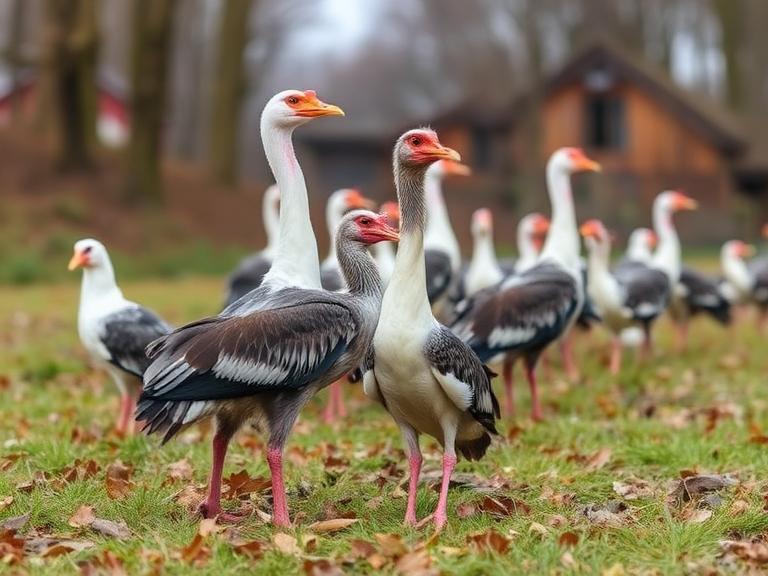
The New England region is currently facing one of the most severe avian flu outbreaks in recent memory, forcing state and federal authorities to euthanize entire flocks of birds to contain the highly pathogenic H5N1 virus. This crisis has not only devastated local poultry populations but also raised alarms about the virus’s potential to spark a human pandemic. This report provides a detailed analysis of the outbreak’s scope, the official response, and the broader implications for agriculture, public health, and the economy.
Outbreak Overview: H5N1’s Unprecedented Spread
The current wave of avian influenza, caused by the H5N1 strain, has been detected in both wild and domestic birds across New England, with confirmed cases in multiple states. According to the Massachusetts Department of Agricultural Resources (MDAR), authorities have already depopulated and disposed of infected flocks in affected counties, marking a significant escalation in the region’s battle against the virus. The H5N1 strain is highly contagious among birds, with a near-100% mortality rate in poultry, necessitating rapid euthanization to prevent further spread.
The Centers for Disease Control and Prevention (CDC) reports that H5N1 is now endemic in wild bird populations globally, with the U.S. serving as a major hotspot. The virus has also been detected in mammals, including dairy cows, raising concerns about its adaptability and potential for zoonotic transmission.
Official Response: Euthanization and Biosecurity Measures
In response to the outbreak, state and federal agencies have implemented emergency depopulation protocols. Infected flocks are humanely euthanized, and affected premises are placed under strict quarantine. The MDAR, in coordination with the USDA, has established Protection Zones and Surveillance Zones around outbreak sites to monitor and contain the virus. These measures are designed to prevent the movement of poultry and poultry products, reducing the risk of further transmission.
Biosecurity has become a top priority. Poultry owners are urged to:
- Isolate domestic flocks from wild birds, particularly waterfowl, which are natural carriers of the virus.
- Disinfect equipment and footwear to prevent cross-contamination between farms.
- Report sick or dead birds immediately to state agricultural authorities.
- Avoid contact with wild or dead birds, as the virus can persist in the environment for weeks.
- Use personal protective equipment (PPE) when handling potentially infected birds.
Economic and Agricultural Impact: Billions in Losses
The avian flu outbreak is inflicting severe economic damage on New England’s poultry industry. The U.S. has lost millions of birds to H5N1, with the current outbreak exacerbating the crisis. The Center for Strategic and International Studies (CSIS) estimates that the total economic impact could reach billions of dollars, affecting not only poultry farmers but also consumers facing rising egg and poultry prices.
Key economic consequences include:
- Loss of livestock: Farmers face immediate financial losses due to the euthanization of infected flocks.
- Trade restrictions: Export bans and import limitations disrupt supply chains, further straining the market.
- Increased production costs: Enhanced biosecurity and testing protocols add to operational expenses.
- Consumer price hikes: Egg prices have surged significantly in some regions, reflecting the reduced supply.
- Long-term industry instability: Repeated outbreaks erode investor confidence and threaten the viability of small-scale farms.
Public Health Risks: Could H5N1 Spark a Human Pandemic?
While H5N1 primarily affects birds, the virus has demonstrated an alarming ability to infect mammals, including humans. The New England Journal of Medicine reports that there have been sporadic human cases in the U.S., though no sustained human-to-human transmission has been confirmed. However, scientists warn that the virus’s increasing presence in mammals raises the risk of mutation, potentially enabling efficient human transmission.
Key concerns include:
- Zoonotic spillover: The virus’s ability to jump from birds to mammals—and potentially humans—remains a critical public health threat.
- Asymptomatic cases: Recent studies suggest that some human infections may go undetected, complicating surveillance efforts.
- Vaccine and antiviral preparedness: While existing vaccines and antivirals are expected to be effective, scaling production to meet global demand would take time.
- Global surveillance gaps: Fragmented monitoring systems hinder the ability to track the virus’s spread and evolution.
Scientific and Governmental Efforts to Combat the Outbreak
Federal and state agencies are collaborating on a multi-pronged strategy to mitigate the outbreak’s impact. The USDA has allocated significant funding to support farmers in enhancing biosecurity, while the CDC is expanding surveillance and testing for both animal and human cases. Research institutions are studying the virus’s genetic mutations to assess pandemic potential.
Key initiatives include:
- Vaccine development: Accelerated research into H5N1 vaccines for both poultry and humans.
- Wildlife monitoring: Tracking migratory bird populations to predict and prevent further outbreaks.
- Public awareness campaigns: Educating farmers and the public on biosecurity and reporting protocols.
- International cooperation: Collaborating with global health organizations to share data and resources.
Long-Term Implications: Agriculture, Food Security, and Global Health
The avian flu outbreak underscores the fragility of global food systems and the urgent need for robust pandemic preparedness. The journal Nature warns that without coordinated action, H5N1 could continue to destabilize agriculture, disrupt food supply chains, and pose an ongoing threat to public health. Experts emphasize the importance of:
- Investing in biosecurity infrastructure to prevent future outbreaks.
- Strengthening global surveillance networks to detect and respond to emerging threats.
- Supporting research into zoonotic diseases to better understand and mitigate risks.
- Ensuring equitable access to vaccines and treatments in the event of a pandemic.
Frequently Asked Questions (FAQs)
What is H5N1 avian flu?
H5N1 is a highly pathogenic strain of avian influenza that primarily affects birds but can also infect mammals, including humans. It is known for its high mortality rate in poultry and its potential to cause severe illness in humans.
How is the virus spreading in New England?
The virus is spreading through contact with infected wild birds, particularly waterfowl, which can carry the virus without showing symptoms. It can also be transmitted through contaminated equipment, clothing, and feed.
What are the symptoms in birds and humans?
In birds, symptoms include sudden death, swelling, purple discoloration, and respiratory distress. In humans, symptoms range from mild (fever, cough) to severe (pneumonia, organ failure).
Is it safe to eat poultry and eggs?
Yes, properly cooked poultry and eggs are safe to eat. The virus is killed by standard cooking temperatures. However, consumers should avoid raw or undercooked poultry products.
What should I do if I find a dead bird?
Do not touch the bird. Report it to your local agricultural or wildlife agency immediately. In Massachusetts, you can report sick or dead birds through the MDAR’s online form.
Are there vaccines available for humans?
While there are experimental vaccines, none are currently widely available for public use. Research is ongoing to develop effective vaccines for both poultry and humans.
How can farmers protect their flocks?
Farmers should implement strict biosecurity measures, including isolating flocks from wild birds, disinfecting equipment, and using PPE when handling birds.
What is the government doing to help affected farmers?
The USDA and state agencies are providing financial assistance, biosecurity support, and resources for depopulation and disposal of infected flocks.
Conclusion
The avian flu outbreak in New England is a stark reminder of the ongoing threat posed by zoonotic diseases. While the immediate focus remains on containing the virus and supporting affected farmers, the long-term challenge lies in strengthening global health systems to prevent future pandemics. As scientists and policymakers work to mitigate the crisis, public awareness and proactive measures will be crucial in safeguarding both agricultural and human health.
The economic and public health stakes could not be higher. With billions of dollars in losses, rising food prices, and the ever-present risk of human transmission, the response to this outbreak will shape the region’s resilience for years to come.
