

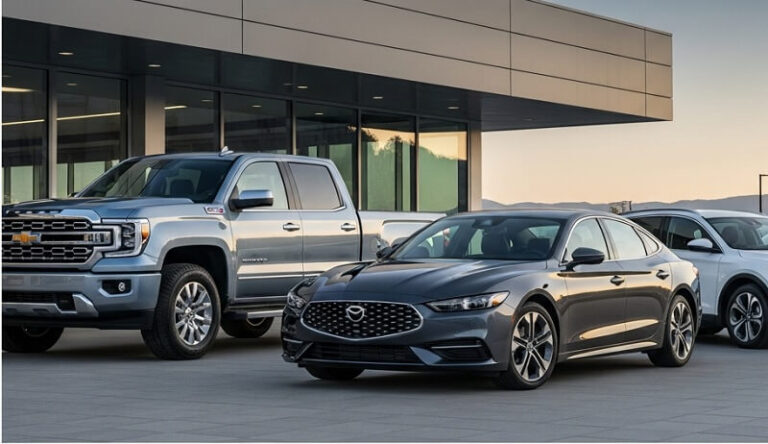
The automotive landscape for 2026 has reached an unprecedented level of sophistication, diversity, and technological advancement. Consumers shopping for new vehicles face an extraordinary array of choices spanning traditional gasoline powertrains, hybrid systems, plug-in hybrids, and fully electric models across every segment imaginable. Industry experts have thoroughly tested and evaluated hundreds of cars, trucks, and sport utility vehicles to determine which models deliver the best combination of performance, value, safety, reliability, and owner satisfaction. This comprehensive buying guide examines the top-ranked vehicles across all major categories to help buyers make informed decisions in today’s complex automotive marketplace.
Major automotive publications and testing organizations have driven thousands of miles in 2026 model year vehicles, conducting rigorous evaluations that measure over two hundred individual data points for each model. These assessments encompass acceleration performance, braking distances, handling dynamics, interior comfort, cargo capacity, fuel efficiency, advanced safety technologies, infotainment capabilities, and overall value proposition. The results reveal clear winners in each segment while highlighting emerging trends that are reshaping consumer preferences and manufacturer strategies.
Understanding the 2026 Vehicle Market Landscape
The average price of a new car has surpassed fifty thousand dollars for the first time in automotive history, placing enormous pressure on consumers to make smart purchasing decisions that will deliver long-term value and satisfaction. This price escalation reflects multiple factors including advanced technology integration, enhanced safety systems, improved materials quality, and the ongoing transition toward electrified powertrains. Consumer Reports analyzed data from approximately three hundred eighty thousand vehicles through member surveys, representing a twenty-seven percent increase in data collection compared to the previous year, providing unprecedented insights into reliability patterns and owner satisfaction trends.
Pickup trucks and sport utility vehicles continue dominating sales charts throughout the United States, with sedans and hatchbacks occupying a shrinking but still significant portion of the market. The Ford F-150 maintains its position as the bestselling vehicle in America, a title it has held for decades, demonstrating the enduring appeal of full-size trucks for both commercial and personal use. However, the competitive landscape has intensified dramatically, with manufacturers introducing redesigned models, advanced hybrid variants, and fully electric alternatives across nearly every vehicle category.
Key Trends Shaping 2026 Vehicle Choices
Several major trends are influencing buyer decisions and manufacturer product development strategies for the 2026 model year. Electrification has accelerated significantly, with automakers launching thirty-two new electric vehicle models in the United States alone, alongside numerous existing models receiving substantial updates or price reductions. This represents not the decline of the electric vehicle market, as some observers had predicted, but rather its maturation into a diverse marketplace offering genuine choice across multiple segments and price points.
Hybrid technology has evolved beyond simple fuel economy improvements to deliver impressive performance characteristics alongside environmental benefits. Models like the Honda Accord Hybrid and Toyota Camry Hybrid demonstrate that efficiency no longer requires sacrifices in driving enjoyment or interior refinement. The 2026 Toyota Camry has transitioned to hybrid-only availability, reflecting manufacturer confidence in consumer acceptance of electrified powertrains for mainstream sedans.
Best Sedans and Cars for 2026
Despite the overwhelming popularity of sport utility vehicles, sedans and cars remain vitally important segments offering advantages in fuel efficiency, driving dynamics, and value proposition. The sedan category has witnessed remarkable improvements in quality, technology, and performance, with several models earning top honors from multiple automotive publications and testing organizations.
Compact and Midsize Sedan Champions
The Honda Civic consistently ranks among the finest compact cars available, with the outstanding 2026 model maintaining its position through exceptional build quality, engaging driving dynamics, impressive fuel economy, and a remarkably spacious cabin considering its exterior dimensions. The Civic offers buyers a choice between traditional gasoline power and hybrid efficiency, with the Civic Hybrid achieving extraordinary fuel economy without sacrificing the responsive acceleration and precise handling that have made the Civic a perennial favorite among automotive enthusiasts and practical buyers alike.
The Honda Accord improves for 2026 with enhanced standard technology features including a larger touchscreen display, refined interior materials, and available hybrid power that delivers stellar efficiency alongside strong performance. The Accord Hybrid has earned recognition for its smooth operation, pleasing ride quality, and exceptionally roomy interior that comfortably accommodates adult passengers in both rows. While the Accord Hybrid carries a relatively high starting price compared to some competitors, its dependable nature and comprehensive feature set justify the premium for buyers seeking a reliable, efficient midsize sedan.
The Toyota Camry has undergone a complete transformation for 2025, emerging as a more well-rounded and economical choice thanks to thoughtful updates and well-executed improvements. Toyota has not reinvented the wheel with the redesigned Camry, but the stalwart sedan feels fresh, fully featured, and surprisingly spirited in its driving character. The transition to hybrid-only powertrains for 2026 demonstrates Toyota’s commitment to efficiency without compromising the qualities that have made the Camry one of America’s bestselling sedans for generations.
Luxury Sedan Excellence
Premium sedans continue pushing boundaries in comfort, technology, and performance, offering buyers willing to invest in upscale transportation an extraordinary range of choices. The Mercedes-Benz S-Class represents the pinnacle of luxury sedan achievement, delivering one of the nicest interiors in modern automotive design through elegant styling and excellent materials quality. The S-Class provides sublime ride quality and an interior that insulates occupants from almost every outside noise, creating a first-class experience for both front and rear passengers. The exceptional luxury value proposition, however, comes with extremely high prices, particularly when optioning higher trim levels or the ultra-exclusive Maybach variants.
The Genesis G90 offers exceptional luxury value by packing every conceivable feature into one comprehensive package backed by industry-leading warranty coverage. Genesis has established itself as a legitimate competitor to established European luxury brands by delivering premium quality, advanced technology, and attractive styling at price points significantly below comparable German sedans. The G90 demonstrates that luxury buyers no longer need to choose between premium features and reasonable prices.
Electric luxury sedans have matured dramatically, with models like the Tesla Model 3, BMW i5, and Mercedes-Benz EQS delivering compelling combinations of performance and efficiency. The updated Tesla Model 3 receives a significant interior renovation that improves materials quality, ergonomics, and overall refinement while maintaining the stellar range and high-voltage performance that have made Tesla a leader in electric vehicle development. The Model 3 delivers electrifying speed and tackles corners with confidence, proving that electric sedans can satisfy driving enthusiasts while offering practical daily transportation.
Best Trucks and Pickup Rankings for 2026
Pickup trucks remain essential tools for commercial users while serving as versatile family vehicles for millions of Americans who value their capability, durability, and commanding road presence. The truck segment has witnessed remarkable advancement in refinement, technology, and efficiency without sacrificing the fundamental capabilities that define the category.
Full-Size Truck Leadership
The Ford F-150 stands as America’s perennial bestseller and most-viewed vehicle in automotive buyer’s guides, maintaining its dominant position through tremendous versatility with numerous powertrain choices and body styles. Ford’s deep understanding of customer preferences shows in details ranging from the new Lobo variant inspired by street truck modifications to high-performance Raptor and Raptor R variants designed for serious off-road enthusiasts. The F-150 delivers best-in-class capability across multiple metrics while offering refinement levels that rival luxury sedans in upper trim levels.
The Chevrolet Silverado and GMC Sierra twins occupy strong positions in the full-size truck segment, with General Motors leading all manufacturers with over two million vehicles delivered through the first three quarters of 2025. The Sierra demonstrates particular strength with eight percent sales growth compared to the previous year, while the electric Sierra EV achieved remarkable sales increases of three hundred forty-seven percent, albeit from a small base. These trucks combine traditional truck capability with increasingly sophisticated technology and comfort features.
Ram pickup trucks currently represent the best lineup on the market according to MotorTrend’s comprehensive Ultimate Car Rankings, placing first in every segment where Ram competes. The Ram 1500 delivers refined ride quality, luxurious interior appointments, and advanced technology integration that sets new standards for the segment. Ram’s heavy-duty trucks including the 2500 and 3500 are segment leaders that combine tremendous utility with high-tech equipment, comfortable interiors, and comprehensive active driver assistance technology. These HD trucks appeal to buyers who need serious towing and hauling capability without sacrificing comfort or convenience.
Midsize and Compact Truck Excellence
The Toyota Tacoma maintains its position at the top of the competitive midsize truck segment through excellent off-road capabilities, on-road refinement, and outstanding resale value. The redesigned 2026 Tacoma addresses previous weaknesses while enhancing its legendary strengths, resulting in a more complete package that appeals to both weekend adventurers and daily commuters. Tacoma sales surged forty-two percent in 2025 compared to the previous year, demonstrating strong consumer enthusiasm for the updated model. The available Tacoma Hybrid provides efficiency benefits without compromising capability, reflecting Toyota’s expertise in hybrid powertrain integration.
The Ford Ranger experienced remarkable sales growth of fifty-seven percent through the first three quarters of 2025, establishing itself as one of the most complete propositions in the midsize truck segment. Produced alongside the Bronco sport utility vehicle in Michigan, the Ranger offers buyers four different engine options ranging from 2.3 to 3.0 liters of displacement, all paired with smooth-shifting ten-speed automatic transmissions. This powertrain variety allows buyers to optimize for fuel efficiency, towing capacity, or acceleration performance based on individual priorities.
The Ford Maverick has emerged as a compact truck phenomenon, offering capability in a city-friendly size backed by available hybrid efficiency. The 191-horsepower hybrid version achieves a stunning thirty-seven miles per gallon overall in testing, making it one of the most fuel-efficient trucks ever sold in America. The Maverick provides a refined ride quality unusual for a truck while its compact dimensions simplify parking and urban maneuvering. This freshened pickup offers an appealing alternative to expensive full-size models for buyers who need occasional truck utility without daily hauling requirements.
Best SUVs and Crossovers for 2026
Sport utility vehicles have become the default choice for American car buyers, offering versatile combinations of passenger space, cargo capacity, elevated seating positions, and available all-wheel drive capability. The SUV market spans from tiny subcompact crossovers to massive three-row luxury land yachts, ensuring options exist for virtually every budget and lifestyle requirement.
Compact SUV Leaders
The Honda CR-V remains a benchmark among compact SUVs, masterfully combining practicality, efficiency, and easy driving manners in a package that consistently earns top rankings from automotive journalists and consumer organizations. The 2026 CR-V continues refining the successful formula that has made it one of Honda’s bestselling models, offering generous cargo capacity and ample rear passenger room even when front occupants adjust seats for maximum legroom. The available CR-V Hybrid delivers impressive fuel economy without significant price premiums over gasoline models, while standard safety technology and intuitive controls enhance the ownership experience.
The Mazda CX-5 stands out among compact SUVs for its upmarket cabin quality, fun driving dynamics, and smooth refined ride quality. While some rivals offer more modern technology interfaces or greater interior space, the CX-5 proves tough to beat when combining versatility with genuine driving enjoyment. Mazda’s commitment to engaging handling and premium materials gives the CX-5 an upscale character that belies its competitive pricing.
The Hyundai Tucson delivers a feature-packed, roomy, and safe compact SUV experience, though it faces intense competition from numerous talented rivals. The Tucson benefits from Hyundai’s aggressive approach to standard equipment and industry-leading warranty coverage, providing buyers with comprehensive protection and peace of mind. The available hybrid powertrain enhances efficiency for buyers prioritizing fuel economy.
Midsize and Three-Row SUV Excellence
The redesigned 2026 Hyundai Palisade represents perhaps the best SUV available in the current market, combining powerful performance, stylish design, comfortable accommodations, and comprehensive technology in a package that delivers exceptional value. The Palisade Hybrid debuts alongside the standard model, offering the same bold styling and premium features with added fuel efficiency. Both versions provide spacious three-row seating that comfortably accommodates adults in all positions, making the Palisade ideal for growing families or buyers who regularly transport multiple passengers.
The Kia Telluride continues doing just about everything right as a midsize crossover, delivering a spacious, upscale, and versatile SUV packed with features at competitive prices. The Telluride’s few minor flaws are completely outshined by its numerous positive traits, from its handsome exterior styling to its well-appointed interior and smooth powertrain. The Telluride has become one of Kia’s most important models, demonstrating the brand’s evolution toward premium quality and design.
The Toyota Grand Highlander provides nearly the practicality of a minivan without the stigma some buyers associate with that body style. This three-row SUV offers excellent interior space, comfortable seating, and available hybrid power that delivers satisfying performance alongside improved fuel efficiency. The Grand Highlander represents Toyota’s answer to buyers who need minivan utility but prefer SUV styling and character.
The Ford Expedition earns recognition as one of the best family vehicles in the full-size SUV class through its spacious high-tech interior and punchy turbocharged V6 engine. The Expedition provides commanding road presence, serious towing capability, and luxury-level appointments in higher trim levels, making it equally capable for daily family duties and vacation road trips with trailers in tow.
Luxury SUV Standouts
The Genesis GV80 excels in nearly every aspect expected of a luxury midsize SUV while doing so at more pocketbook-friendly price points than most competitors. Occupants enjoy comfort surrounded by impressive materials, innovative technology, and top-notch safety equipment. Genesis has successfully challenged established luxury brands by delivering comparable or superior quality at significantly lower prices, backed by exceptional warranty coverage that provides added peace of mind.
The BMW X5 currently tops Kelley Blue Book’s rankings as the best luxury midsize SUV for 2026, offering a compelling blend of driving dynamics, interior luxury, and advanced technology. BMW’s commitment to the Ultimate Driving Machine philosophy shows in the X5’s sharp handling and responsive powertrains, while premium materials and cutting-edge features satisfy luxury buyers’ expectations. The X5 demonstrates that sport utility vehicles can deliver engaging driving experiences alongside practical utility.
The Mercedes-Benz GLE stands as a major player in the luxury midsize SUV class, available with multiple powertrain options ranging from adequate four-cylinder engines to high-performance AMG variants. The GLE offers generous space for people and cargo within a quality interior built for comfort and long-distance travel. Advanced technology features and comprehensive safety systems enhance the ownership experience for buyers willing to invest in three-pointed star prestige.
Best Electric Vehicles for 2026
The electric vehicle market has matured dramatically, offering buyers genuine choice across multiple segments with improved range, faster charging, and enhanced real-world usability. Thirty-two new electric vehicle models launched in the United States during 2026, alongside numerous existing models receiving significant updates or price reductions. This represents the beginning of a truly mature electric vehicle market rather than its decline, with options now spanning from affordable city cars to ultra-luxury performance models.
Mainstream Electric Vehicle Leaders
The Tesla Model Y continues dominating electric SUV sales through its combination of performance, practicality, and software sophistication. The Model Y provides comfortable interior accommodations for passengers alongside generous cargo capacity, while quick acceleration and over three hundred miles of driving range eliminate traditional electric vehicle compromises. Advanced driving assistance features that significantly reduce driving tedium represent icing on the cake for Model Y buyers. The updated version for 2026 addresses previous interior criticism while maintaining the strengths that made the Model Y one of America’s bestselling vehicles regardless of powertrain type.
The updated Tesla Model 3 receives a comprehensive interior renovation that dramatically improves materials quality, ergonomics, and overall refinement. The Model 3 delivers solid performance mixed with efficiency, proving that electric sedans need not sacrifice driving enjoyment to achieve excellent range. Ride quality impresses even in the high-performance variant, while the minimalist cabin aesthetic has been enhanced with better materials and improved build quality. The Model 3 remains a frontrunner among electric vehicles through its stellar range and engaging driving character.
The Chevrolet Equinox EV has emerged as a compelling mainstream electric SUV option, offering spacious accommodations, comfortable ride quality, and competitive pricing. The Equinox EV provides genuine value in the electric crossover segment, with standard features and driving range that meet most buyers’ daily needs. Chevrolet’s commitment to accessible electric vehicles shows in the Equinox EV’s straightforward design and user-friendly technology interfaces.
Premium Electric Vehicle Excellence
The BMW iX represents the German automaker’s serious commitment to electric luxury, combining properly luxurious accommodations with impressive charging speed and strong real-world range. The iX’s futuristic tech-forward interior design wows occupants while advanced driver assistance systems reduce fatigue on long journeys. The iX drives with exceptional smoothness and refinement befitting its premium positioning, though polarizing exterior styling may limit its appeal among conservative luxury buyers.
The Hyundai Ioniq 5 delivers good interior room despite compact exterior dimensions, making it one of the best-driving electric SUVs currently available. The Ioniq 5 achieves plenty of range while charging quickly enough to make road trips practical, addressing the primary concerns that have historically limited electric vehicle adoption. Stellar exterior and interior designs set the Ioniq 5 apart in the competitive electric crossover segment, while comprehensive standard features enhance its value proposition.
The Lucid Air delivers nearly everything buyers could want in a luxury electric sedan, particularly exceptional range and powerful performance options. The Air offers smooth comfortable ride quality packed with premium features, though higher trim levels command hefty price tags that limit the model to wealthy buyers. Lucid’s focus on efficiency and luxury creates a compelling alternative to established premium brands for buyers prioritizing electric performance and range.
Best Hybrid and Plug-In Hybrid Vehicles
Hybrid technology has evolved beyond simple fuel economy improvements to deliver impressive performance alongside environmental benefits. Modern hybrids offer seamless powertrain integration, strong acceleration, and substantial efficiency gains without the range anxiety or charging infrastructure concerns associated with fully electric vehicles.
Hybrid Sedan and Car Options
The Honda Accord Hybrid exemplifies modern hybrid excellence through wonderfully easy driving manners combined with solid craftsmanship, pleasing ride quality, and roomy interior accommodations. Years of perfecting fuel-efficient technology show in the Accord Hybrid’s refined character and dependable nature. While the Accord Hybrid carries a relatively high starting price, it remains a class act that delivers long-term value through exceptional reliability and low operating costs.
The Toyota Camry’s transition to hybrid-only availability for 2026 reflects manufacturer confidence in electrified powertrain acceptance among mainstream buyers. The Camry Hybrid delivers excellent fuel economy alongside improved performance compared to previous four-cylinder gasoline models, demonstrating that efficiency no longer requires performance sacrifices. Toyota’s legendary hybrid reliability gives Camry buyers confidence in long-term ownership costs and minimal maintenance requirements.
Hybrid SUV Excellence
The Toyota RAV4 Prime represents the best version of Toyota’s popular compact SUV through its plug-in hybrid powertrain that combines performance with efficiency. The RAV4 Prime delivers lively acceleration from its 302-horsepower system that moves swiftly from zero to sixty in just 6.3 seconds, while also offering electric-only driving for daily commutes. This combination satisfies buyers seeking both performance and environmental responsibility.
The Hyundai Santa Fe Hybrid provides three rows of seating alongside excellent fuel economy, making it a no-brainer choice for family buyers looking to save on fuel costs. The Santa Fe Hybrid delivers practical transportation without the compromises associated with older hybrid systems, offering smooth operation and comprehensive features at competitive prices.
The Lexus NX Hybrid combines stylish design, comfortable accommodations, and advanced technology with the fuel efficiency of an economy car. This luxury compact SUV appeals to buyers seeking premium quality alongside environmental consciousness, delivering Lexus refinement and reliability with minimal fuel consumption.
Subcompact and Entry-Level Vehicle Values
Affordable vehicles remain important for budget-conscious buyers, first-time purchasers, and consumers seeking basic transportation without unnecessary complexity. Several manufacturers continue offering quality small cars and crossovers at accessible price points despite industry trends toward larger, more expensive models.
Best Budget-Friendly Options
The Kia Seltos has become one of the cheapest crossovers available for 2026 following the introduction of a new entry-level front-wheel-drive LX trim that brings the starting price down nearly one thousand dollars. This subcompact SUV provides impressive value through comprehensive standard equipment, modern styling, and Kia’s industry-leading warranty coverage. The Seltos demonstrates that affordable vehicles need not sacrifice quality or features to achieve competitive pricing.
The Subaru Crosstrek provides the best all-wheel-drive option at affordable price points, with the 2026 model offering enhanced safety features and improved fuel efficiency compared to previous generations. Standard all-wheel drive makes the Crosstrek an excellent all-weather vehicle for buyers in snowy climates or those who value sure-footed traction in adverse conditions. The base model’s 180 horsepower adds fun and adventurous character to what might otherwise be mundane transportation.
The Toyota Corolla has earned recognition for its low maintenance costs with easily accessible parts and resale value that exceeds most vehicles in its class. The Corolla represents exceptional value for buyers seeking dependable basic transportation, with the available Corolla Hybrid providing impressive fuel economy for minimal additional cost. It remains hard to beat the Corolla’s fundamental value proposition for practical-minded buyers.
The Hyundai Elantra combines modern technology features, fashionable design, and a comprehensive ten-year powertrain warranty into a winning combination. The warranty provides complete protection and peace of mind, while the 2026 Elantra offers advanced features including adaptive cruise control and digital displays typically reserved for more expensive vehicles. This sedan proves that entry-level transportation can still deliver modern conveniences and attractive styling.
Safety Technology and Advanced Driver Assistance Systems
Modern vehicles incorporate increasingly sophisticated safety technologies that help prevent accidents, protect occupants during collisions, and reduce driver fatigue on long journeys. These systems have evolved from luxury-car exclusives to standard equipment on even affordable models, democratizing access to life-saving technologies.
Standard Safety Features in 2026 Models
Automatic emergency braking has become nearly universal across new vehicles, using radar and camera systems to detect imminent collisions and apply brakes if drivers fail to respond in time. This technology has proven effective at preventing or mitigating rear-end collisions, particularly in stop-and-go traffic where driver distraction poses the greatest risk. More advanced systems can detect pedestrians and cyclists, providing additional protection for vulnerable road users.
Lane departure warning and lane keeping assistance help drivers maintain proper position within marked lanes, reducing accidents caused by distraction or drowsiness. These systems provide gentle steering inputs to guide vehicles back toward lane centers when unintended departures are detected. More sophisticated versions can maintain centering on highways for extended periods, reducing driver workload during long-distance travel.
Blind spot monitoring systems use sensors to detect vehicles in adjacent lanes that may not be visible in traditional mirrors, alerting drivers before lane changes that could result in collisions. Rear cross-traffic warning extends this technology to reversing situations, detecting approaching vehicles when backing from parking spaces. These features have become increasingly common even on mainstream models, enhancing safety for drivers of all experience levels.
Advanced Driver Assistance Capabilities
Adaptive cruise control maintains set speeds on highways while automatically adjusting to match traffic flow, using radar to detect vehicles ahead and modulate throttle and braking inputs accordingly. Modern systems can bring vehicles to complete stops in traffic jams before resuming when traffic moves, dramatically reducing driver fatigue during congested commutes. Some manufacturers offer hands-free highway driving systems that maintain lane position and speed with minimal driver intervention on mapped roadways.
Parking assistance technologies range from simple rear-view cameras to sophisticated systems that can identify suitable parking spaces and execute parallel or perpendicular parking maneuvers automatically. These features reduce stress associated with tight parking situations while preventing minor collisions and property damage. Some luxury models offer remote parking capabilities that allow drivers to maneuver vehicles into tight spaces from outside the vehicle using smartphone apps.
Infotainment and Connectivity Features
Modern vehicles function as rolling technology platforms, offering sophisticated infotainment systems, smartphone integration, and internet connectivity that enhance convenience and entertainment during travel. These systems have evolved dramatically from simple audio players to comprehensive digital interfaces controlling virtually every vehicle function.
Smartphone Integration and Wireless Connectivity
Apple CarPlay and Android Auto have become standard features across most new vehicles, allowing seamless integration of smartphone apps and functions through vehicle touchscreens. Wireless versions eliminate cable requirements, automatically connecting phones when drivers enter vehicles and enabling convenient access to navigation, music streaming, messaging, and phone calls through familiar smartphone interfaces. This technology has become a must-have feature for most buyers who expect their vehicles to work seamlessly with mobile devices.
Built-in navigation systems have improved dramatically through real-time traffic data, predictive routing, and natural language voice commands that simplify destination entry. Some manufacturers offer connected services providing remote vehicle monitoring, emergency assistance, and stolen vehicle tracking through smartphone apps. Over-the-air software updates allow manufacturers to improve vehicle functions and add new features without requiring dealership visits, extending the useful life of infotainment systems.
Audio and Entertainment Systems
Premium audio systems from brands like Bose, Harman Kardon, and Bang & Olufsen transform vehicles into mobile concert halls, delivering exceptional sound quality through carefully positioned speakers and sophisticated digital signal processing. These systems adapt audio output to account for road noise and vehicle acoustics, maintaining clarity at any speed or volume level. Rear-seat entertainment systems keep passengers occupied during long trips through individual screens, wireless headphones, and streaming media capabilities.
Fuel Efficiency and Environmental Considerations
Rising fuel costs and environmental concerns continue driving consumer interest in efficient vehicles across all segments. Manufacturers have responded with improved gasoline engines, widespread hybrid availability, and expanding electric vehicle lineups that offer buyers numerous paths toward reducing fuel consumption and emissions.
Most Fuel-Efficient Vehicles by Category
Hybrid sedans lead efficiency rankings, with models like the Honda Accord Hybrid, Toyota Camry Hybrid, and Hyundai Sonata Hybrid delivering combined fuel economy exceeding forty miles per gallon. These vehicles prove that efficiency no longer requires compromises in size, comfort, or features, offering mainstream buyers practical alternatives to traditional gasoline models with minimal price premiums.
Hybrid crossovers and SUVs have achieved remarkable efficiency gains, with the Toyota RAV4 Hybrid, Honda CR-V Hybrid, and Ford Escape Hybrid providing excellent fuel economy while maintaining the versatility and capability that attract buyers to the SUV segment. These models demonstrate that even larger vehicles can achieve impressive efficiency through advanced powertrain technology and aerodynamic improvements.
Electric vehicles eliminate tailpipe emissions entirely while offering equivalent efficiency ranging from approximately seventy-five to over one hundred twenty miles per gallon equivalent depending on model and driving conditions. While electricity generation creates some emissions, electric vehicles produce lower total greenhouse gas emissions than gasoline vehicles over their lifespans even when accounting for battery production and power generation impacts.
Reliability and Long-Term Ownership Costs
Smart buyers consider total ownership costs beyond initial purchase prices, evaluating expected reliability, maintenance expenses, depreciation rates, and resale values when comparing vehicles. These factors can significantly impact the true cost of vehicle ownership over typical five to seven year ownership periods.
Most Reliable Brands and Models
Toyota and Lexus consistently rank among the most reliable automotive brands, with models like the Camry, Corolla, RAV4, and Lexus RX delivering exceptional dependability over extended ownership periods. Honda follows closely behind with strong reliability across its lineup, particularly with Accord, Civic, and CR-V models that routinely exceed two hundred thousand miles with minimal major repairs. Mazda has emerged as a reliability leader among mainstream brands, offering engaging driving dynamics alongside dependable operation.
Korean manufacturers Hyundai and Kia have dramatically improved quality and reliability over the past decade, now matching or exceeding many established competitors while backing their vehicles with industry-leading ten-year powertrain warranties. Genesis extends this commitment to its luxury lineup, providing comprehensive coverage that reduces long-term ownership anxiety and costs.
Maintenance and Repair Considerations
Electric vehicles require significantly less maintenance than gasoline vehicles, eliminating oil changes, transmission services, spark plug replacements, and exhaust system repairs. Regenerative braking systems extend brake pad life considerably, while simpler drivetrains with fewer moving parts reduce opportunities for mechanical failures. However, battery replacement costs remain a concern for some buyers, though modern battery warranties typically cover eight years or one hundred thousand miles, and real-world battery degradation has proven less severe than early predictions suggested.
Luxury vehicles typically command higher maintenance and repair costs due to premium parts, specialized service requirements, and complex technology systems. Buyers considering luxury brands should research specific model maintenance costs and factor these expenses into ownership budgets. Extended warranty coverage can provide protection against expensive repairs but should be evaluated carefully to ensure value matches cost.
Frequently Asked Questions
What is the best overall vehicle to buy in 2026?
The best vehicle depends entirely on individual needs, budget, and priorities. However, the Honda Accord, Toyota Camry, Honda CR-V, and Ford F-150 consistently earn top rankings across multiple automotive publications for their combinations of reliability, value, features, and capability within their respective segments.
Should I buy a hybrid or electric vehicle in 2026?
Hybrid vehicles offer excellent fuel economy without range anxiety or charging concerns, making them ideal for buyers seeking efficiency with maximum flexibility. Electric vehicles provide superior efficiency and lower operating costs but require access to charging infrastructure and may not suit buyers who frequently travel long distances. Plug-in hybrids offer a middle ground with electric-only driving for daily commutes and gasoline backup for longer trips.
Are electric vehicles reliable long-term?
Modern electric vehicles have proven remarkably reliable with fewer moving parts than gasoline vehicles and simplified drivetrains that require minimal maintenance. Battery degradation occurs gradually over many years, with most electric vehicles retaining eighty to ninety percent of original capacity after one hundred thousand miles. Comprehensive battery warranties provide protection during the most vulnerable ownership period.
What SUV offers the best value for families?
The Hyundai Palisade and Kia Telluride deliver exceptional value for families through spacious three-row seating, comprehensive standard features, strong safety ratings, and competitive pricing backed by excellent warranties. The Honda Pilot and Toyota Highlander offer proven reliability and strong resale values that may justify slightly higher purchase prices for buyers prioritizing long-term ownership.
How much should I expect to pay for a new vehicle in 2026?
New vehicle prices vary dramatically by segment and features, ranging from approximately twenty thousand dollars for basic compact cars to over one hundred thousand dollars for luxury models. The average new vehicle transaction price exceeds fifty thousand dollars, reflecting buyer preference for larger vehicles with advanced features. Budget-conscious buyers can find quality vehicles under thirty thousand dollars including models like the Hyundai Elantra, Kia Seltos, Toyota Corolla, and Nissan Sentra.
Are trucks and SUVs worth the extra cost over sedans?
Trucks and SUVs provide genuine advantages including elevated seating positions, increased cargo capacity, available all-wheel drive, and towing capability that justify higher costs for buyers who utilize these features. However, sedans typically offer better fuel economy, lower purchase prices, and superior driving dynamics for buyers who do not require SUV capabilities. The best choice depends on specific lifestyle requirements and usage patterns.
Conclusion
The 2026 automotive market offers unprecedented choice across every vehicle segment, from affordable compact cars to luxurious electric SUVs and capable pickup trucks. Buyers benefit from intense competition driving improvements in quality, technology, safety, and efficiency while manufacturers continue expanding electrified powertrain availability. Thorough research comparing reliability ratings, total ownership costs, and specific feature requirements enables smart purchasing decisions that deliver satisfaction throughout ownership periods.
Expert testing and consumer feedback consistently identify standout models that excel in their respective categories. The Honda Accord and Toyota Camry continue dominating the sedan segment through exceptional reliability and value. The Ford F-150 and Ram pickups set standards for truck capability and refinement. The Hyundai Palisade and Kia Telluride deliver outstanding family SUV value, while luxury offerings from Genesis, BMW, and Mercedes-Benz satisfy buyers seeking premium experiences. Electric vehicles from Tesla, Hyundai, and legacy manufacturers provide viable alternatives for buyers ready to embrace electrification.
Successful vehicle shopping requires identifying personal priorities whether those emphasize fuel efficiency, cargo capacity, driving dynamics, luxury features, or long-term reliability. Budget considerations must account for total ownership costs including fuel, insurance, maintenance, and depreciation rather than focusing solely on purchase prices. Test driving multiple competitors within chosen segments provides valuable real-world impressions that reveal which vehicles best match individual preferences and requirements.
The automotive industry continues evolving rapidly with electrification, advanced safety technologies, and sophisticated connectivity features becoming increasingly accessible across all price points. Buyers in 2026 enjoy access to the safest, most efficient, and most technologically advanced vehicles ever produced, with options satisfying virtually any transportation need or lifestyle requirement. Whether seeking economical basic transportation, family-friendly versatility, luxury comfort, or high-performance excitement, today’s automotive marketplace delivers exceptional choices backed by comprehensive warranties and proven quality.

