The Apple iPhone 8 Plus remains a notable device in the smartphone landscape, even years after its initial release. Launched as part of Apple’s lineup that bridged traditional design with emerging technologies, this model continues to attract users seeking reliable performance without the latest bells and whistles. Its combination of hardware capabilities and software foundation has kept it relevant for basic to moderate usage scenarios.
Examining the device’s core attributes reveals why it still holds appeal. The construction emphasizes durability, with a glass front and back complemented by an aluminum frame. This setup not only provides a premium feel but also supports practical features that enhance everyday functionality.
In terms of dimensions, the phone measures 158.4 mm in height, 78.1 mm in width, and 7.5 mm in depth, weighing 202 grams. These measurements contribute to a substantial yet manageable form factor, suitable for one-handed use by those accustomed to larger screens. The IP67 rating ensures resistance to dust and water, allowing submersion up to one meter for 30 minutes, which adds peace of mind during accidental exposures.
The color options include Gold, Silver, Space Gray, and a special Red variant, offering choices that align with personal styles. The nano-SIM slot maintains compatibility with standard carriers, though it lacks support for newer eSIM technologies found in more recent models. Overall, the build quality reflects Apple’s commitment to longevity in device design.
Moving to the visual experience, the 5.5-inch Retina HD display utilizes IPS LCD technology with a resolution of 1080 x 1920 pixels, resulting in a pixel density of about 401 ppi. This setup delivers sharp images and vibrant colors, thanks to the wide color gamut (P3) and True Tone adjustment that adapts to ambient lighting. The 1300:1 contrast ratio and 625 nits of maximum brightness ensure visibility in various environments, from dim rooms to outdoor settings.
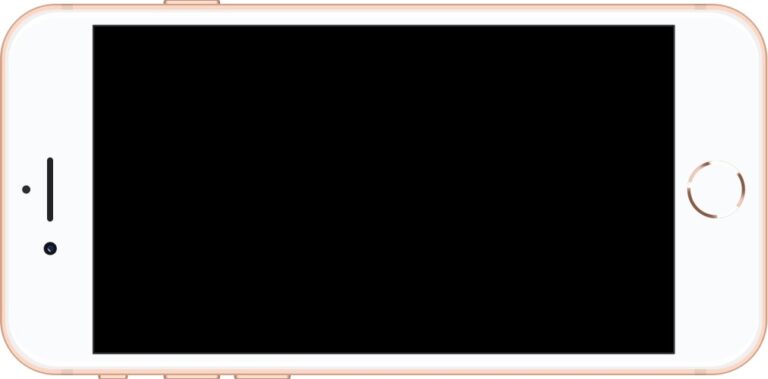
Additional display features include 3D Touch for pressure-sensitive interactions and a fingerprint-resistant oleophobic coating to minimize smudges. Dual-domain pixels provide wide viewing angles, making it ideal for sharing content. The screen-to-body ratio of approximately 67.4% incorporates bezels that house the front-facing camera and home button, a design choice that prioritizes familiarity over edge-to-edge aesthetics.
The performance is driven by the A11 Bionic chip, a hexa-core processor with two high-performance Monsoon cores and four efficiency Mistral cores, clocked up to 2.1 GHz. Paired with a three-core Apple GPU, this setup handles multitasking and graphics-intensive tasks efficiently for its era. With 3GB of RAM across all storage variants—64GB, 128GB, and 256GB—the device manages apps and processes smoothly, though it may show limitations with the most demanding modern software.
The NVMe storage type ensures quick data access, contributing to faster app launches and file transfers. Running on iOS 11 originally, it supports updates up to iOS 16.7.12, providing access to a range of features while maintaining security patches within that version. In daily use, the chipset’s Neural Engine enables intelligent processing for tasks like photo enhancement and voice recognition.
The camera system stands out with a dual 12MP setup: a wide-angle lens with f/1.8 aperture and optical image stabilization, alongside a telephoto lens with f/2.8 aperture offering 2x optical zoom. This configuration captures detailed images with accurate colors, supported by quad-LED dual-tone flash and HDR capabilities. Portrait mode, enhanced by Portrait Lighting effects such as Natural, Studio, and Contour, allows for professional-looking shots with depth-of-field simulation.
Video recording reaches 4K at up to 60 fps, with options for 1080p at 30 or 60 fps, and slow-motion at 1080p up to 240 fps. Features like cinematic video stabilization and continuous autofocus ensure smooth footage, while the ability to snap 8MP stills during 4K recording adds versatility. The front-facing 7MP camera with f/2.2 aperture supports 1080p video and HDR, making it suitable for selfies and video calls.
Battery life is powered by a 2691 mAh lithium-ion cell, offering up to 21 hours of talk time, 13 hours of internet use, 14 hours of video playback, and 60 hours of audio playback. Wireless charging via Qi standard and fast charging—reaching 50% in 30 minutes with a 18W adapter—provide convenient power management. The non-removable design emphasizes integration, though users should monitor health over time for optimal performance.
Connectivity options include Wi-Fi 802.11 a/b/g/n/ac with dual-band support, Bluetooth 5.0, and NFC for Apple Pay. GPS with GLONASS, GALILEO, and QZSS ensures accurate positioning, while the Lightning port handles USB 2.0 data transfer. Stereo speakers deliver immersive audio, and the absence of a 3.5mm jack encourages use of Lightning or wireless headphones.
Sensors encompass a front-mounted fingerprint scanner for Touch ID, accelerometer, gyro, proximity, compass, barometer, and ambient light. These enable features like auto-rotation, secure unlocking, and environmental awareness. The device’s SAR values stay within safe limits, with 1.19 W/kg for head and body in some regions.
Environmental considerations include operation between 0°C to 35°C, storage from -20°C to 45°C, and up to 95% non-condensing humidity. Tested for altitudes up to 3000 meters, it suits various climates. Accessibility features like VoiceOver, Zoom, and AssistiveTouch make it inclusive for users with diverse needs.
In the package, users receive the iPhone with iOS pre-installed, EarPods with Lightning connector, a Lightning to USB cable, USB power adapter, and documentation. This complete set allows immediate setup without additional purchases for basics.
Exploring the evolution of this model, its release in September 2017 marked a step forward in Apple’s integration of augmented reality capabilities, thanks to the A11 chip. Over the years, it has served as a benchmark for reliability, with many users appreciating its balance of features and affordability. In current contexts, it functions well for communication, media consumption, and light productivity.
Comparing to contemporaries, the dual-camera system provided advantages in zoom and portrait photography that were innovative at the time. The glass back enabled wireless charging, a feature that has become standard. Its hexa-core processor set precedents for efficiency that influenced subsequent designs.
The software ecosystem, even capped at iOS 16, offers a vast app library and seamless integration with other Apple products. Features like Siri, iCloud, and Apple Pay continue to enhance usability. Security remains robust through Touch ID and encrypted data handling.
For photography enthusiasts, the wide and telephoto lenses allow creative expression. The six-element lens in the wide camera captures sharp details, while optical stabilization reduces blur in low light. Live Photos add motion to stills, preserving moments dynamically.
Audio quality benefits from stereo speakers, providing balanced sound for videos and calls. The barometer sensor aids in fitness tracking by measuring elevation changes. Proximity and ambient light sensors adjust screen behavior intelligently, conserving power.
In terms of durability, the ion-strengthened glass resists scratches, and the aluminum frame withstands daily wear. The IP67 rating protects against splashes, making it suitable for active lifestyles. Users report long-term satisfaction with build integrity.
The display’s True Tone technology reduces eye strain by matching color temperature to surroundings. Wide color support ensures vivid visuals for movies and games. 3D Touch enables quick actions, like previewing links or accessing shortcuts.
Performance in gaming leverages the GPU for smooth rendering, though intensive titles may require lower settings today. Multitasking handles multiple apps without significant lag, supported by efficient RAM management. The Neural Engine processes machine learning tasks effectively.
Battery optimization includes low-power modes and background app refresh controls. Fast charging compatibility with higher-wattage adapters speeds up replenishment. Wireless charging pads offer cable-free convenience, ideal for desks or nightstands.
Connectivity strengths include stable Wi-Fi performance and Bluetooth for accessories. NFC enables contactless payments securely. Location services provide precise navigation, enhanced by multiple satellite systems.
Accessibility options empower users with disabilities, such as Switch Control for alternative inputs and Closed Captions for media. These inclusive designs broaden the device’s appeal.
The environmental footprint considers recyclable materials and energy-efficient components. Apple’s trade-in programs encourage sustainable upgrades. Operating requirements ensure reliability across temperatures and altitudes.
Built-in apps cover essentials like Camera for quick shots, Health for tracking activity, and Maps for directions. Free Apple apps extend functionality to productivity and creativity. The App Store ecosystem remains accessible, though some newer apps may require updated OS versions.
SIM compatibility with nano cards facilitates easy carrier switches. Hearing aid ratings of M3 and T4 support users with compatible devices. Mail attachments handle various formats, from images to documents, streamlining workflows.
Overall, the specifications align with a device that prioritizes core functionalities executed well. Its legacy influences modern smartphones, proving timeless in certain aspects.
Current Market Price and Deals
As of late 2025, the iPhone 8 Plus is primarily available through renewed or used markets, given its discontinued status. Prices for certified refurbished models start around $80 for 64GB variants in good condition, with averages ranging from $100 to $150 depending on storage and color. Higher-capacity options like 256GB can reach up to $200 in premium renewed states.
Deals often appear on platforms like Amazon, where renewed 64GB models in Space Gray are listed at approximately $140, sometimes with free shipping. Gold variants may include carrier subscriptions, pushing prices higher to around $549, but these are less common for purely renewed units. Look for promotions during holiday sales or back-to-school periods, where discounts of 10-20% on used devices are frequent.
Other retailers like Swappa report average sale prices of $116 for 64GB, $103 for 128GB, and $137 for 256GB. Conditions vary from fair to mint, with warranties on refurbished units providing added assurance. Bundles with cases or chargers can offer value, reducing overall costs.
Pros and Cons
- Affordable entry point: At current prices, it provides access to Apple’s ecosystem without high costs. This makes it ideal for budget-conscious users or as a secondary device. Many find it sufficient for everyday tasks like browsing and calling.
- Robust camera system: The dual lenses deliver quality photos with zoom capabilities. Portrait modes create artistic effects, and video options support creative content. It excels in well-lit conditions, producing sharp, colorful images.
- Reliable battery life: Offers solid endurance for moderate use, lasting a full day. Wireless and fast charging add convenience. Users appreciate the balance between capacity and efficiency.
- Touch ID security: Fingerprint unlocking is quick and secure. It works well in various conditions, unlike some face recognition systems. Integration with Apple Pay enhances transaction safety.
- Durable build: IP67 resistance protects against elements. The glass and aluminum construction withstands drops better than expected. Long-term users report minimal wear with proper care.
- No ongoing software updates: Stuck on iOS 16, it misses new features and security patches. This limits compatibility with future apps. Potential vulnerabilities may arise over time.
- Lack of 5G support: Relies on 4G LTE, slower in high-speed areas. This affects data-intensive activities like streaming. Upgrading networks may reduce performance.
- Outdated design: Large bezels and home button feel archaic compared to modern screens. It lacks edge-to-edge display immersion. The form factor may seem bulky to new users.
Pro Tips
- Optimize battery health: Enable low power mode during extended use and avoid extreme temperatures. Regularly check battery status in settings to plan replacements. This extends usability in daily routines.
- Manage storage efficiently: Offload unused apps and use iCloud for photos. Clear cache periodically to free space. This keeps performance smooth without needing expansions.
- Enhance security: Use strong passcodes alongside Touch ID. Enable two-factor authentication for accounts. Regular backups prevent data loss.
- Customize accessibility: Adjust display settings for comfort, like reducing motion. Use Siri for hands-free operations. These tweaks improve user experience.
- Leverage camera features: Experiment with Portrait Lighting for better photos. Use grid lines for composition. Edit in Photos app for professional touches.
- Connect accessories wisely: Pair with Qi chargers for convenience. Use Bluetooth headphones for audio. This maximizes wireless capabilities.
- Monitor app compatibility: Update apps manually if automatic fails. Avoid beta software to prevent issues. Stick to stable versions for reliability.
Frequently Asked Questions
Does it support wireless charging?
Yes, it works with Qi-certified chargers for cable-free power. Place on a compatible pad for efficient recharging. This feature integrates seamlessly with Apple’s ecosystem.
What is the maximum iOS version?
It supports up to iOS 16.7.12, providing core functionalities. Newer features from iOS 17 onward are unavailable. Security updates within iOS 16 continue as needed.
Is the camera suitable for modern photography?
The dual setup handles everyday shots well, with zoom and stabilization. It lacks advanced night modes but performs adequately in good light. For casual users, it remains effective.
Can it handle gaming?
Yes, for lighter games and older titles, the A11 chip suffices. Intensive games may require reduced graphics. It’s not ideal for high-end gaming but works for casual play.
Does it have 5G?
No, it supports 4G LTE and earlier networks. Speeds are sufficient for most tasks but lag behind 5G devices. Consider this for data-heavy activities.
How is the battery replacement process?
Authorized services can replace it when health drops below 80%. Costs vary but are affordable. Monitor via settings to anticipate needs.
Is it water resistant?
Yes, with IP67 rating for dust and water. It withstands submersion briefly. Avoid prolonged exposure to maintain integrity.
Conclusion
This device encapsulates a blend of proven technology and practical features that continue to serve users effectively. Its specifications, from the powerful chip to the versatile camera, underscore a commitment to quality. While advancements have surpassed it in areas like connectivity and updates, the affordability and reliability make it a viable choice for specific needs. Balancing pros like durability and cons such as limited support, it stands as a testament to enduring design in a fast-evolving market.