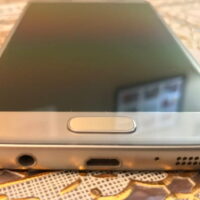
The Apple iPhone 7 Plus stands as a landmark device that introduced several groundbreaking features to the smartphone world upon its release in September 2016. With its larger 5.5-inch display and advanced dual-camera setup, it appealed to users seeking enhanced photography capabilities and improved endurance in a premium aluminum unibody design.
Official specifications from Apple highlight a carefully engineered balance of performance, imaging prowess, and durability that continues to draw interest from enthusiasts and budget-conscious buyers even today. The phone measures 158.2 mm in height, 77.9 mm in width, and 7.3 mm in depth, weighing 188 grams, offering a solid yet portable form factor for its class.
Available in finishes including Rose Gold, Gold, Silver, Black, Jet Black, and (PRODUCT)RED, the device supports storage options of 32GB, 128GB, or 256GB with no expandable memory slot. Its IP67 rating provides protection against dust and immersion in up to one meter of water for 30 minutes, marking Apple’s first water-resistant iPhone.
The absence of a traditional 3.5mm headphone jack shifted users toward Lightning accessories or wireless options, while the introduction of stereo speakers delivered richer audio output directly from the device.
Design and Build Quality
The iPhone 7 Plus features a sleek aluminum chassis with rounded edges and a glass front protected by an oleophobic coating that resists fingerprints. The Home button is no longer mechanical but uses a capacitive sensor paired with the Taptic Engine for precise haptic feedback, creating the sensation of a physical click without moving parts. This design improves reliability over time and integrates seamlessly with Touch ID for secure authentication.
Color options extend beyond standard hues with the premium Jet Black finish, achieved through a high-polish anodization process that gives a deep, mirror-like appearance. The antenna bands are subtly integrated into the edges, maintaining a clean aesthetic while supporting multiple cellular bands across global models.
Physical buttons include volume controls, a Ring/Silent switch, and the side Sleep/Wake button, all precisely engineered for tactile response. The Lightning connector at the bottom serves for charging, data transfer, and audio output, with built-in stereo speakers positioned at the top and bottom for balanced sound.
Durability enhancements include the IP67 certification, which underwent rigorous testing under IEC standard 60529. Users should note that resistance can diminish over time with normal wear, and Apple advises avoiding intentional submersion or exposure to high-pressure water.
The overall build conveys premium quality with tight tolerances and a reassuring heft that feels substantial in hand without being overly bulky for a 5.5-inch phone.
Display Technology
At the heart of the viewing experience is the 5.5-inch Retina HD display using IPS LCD technology with a resolution of 1920 by 1080 pixels, delivering 401 pixels per inch for sharp, detailed imagery. The screen supports a 1300:1 contrast ratio and reaches up to 625 cd/m² brightness, ensuring excellent visibility even in bright outdoor conditions.
Wide color gamut coverage using the P3 color space produces more vibrant and accurate hues compared to previous models, particularly beneficial for photo and video editing or viewing content mastered in wide color. Dual-domain pixels enhance viewing angles, reducing color shift when the device is tilted.
Additional features include Reachability for easier one-handed access by double-tapping the Home button area and Display Zoom for larger text and icons. The fingerprint-resistant oleophobic coating keeps the screen cleaner during extended use, while multi-touch support handles complex gestures fluidly.
Although lacking True Tone adaptive color temperature adjustment found in later models, the display still offers natural color reproduction suitable for everyday tasks, gaming, and media consumption. The high pixel density makes text crisp and images lifelike, contributing to an immersive experience on the larger canvas.
Performance and Chipset
Powering the iPhone 7 Plus is the A10 Fusion chip, Apple’s first quad-core processor featuring two high-performance cores and two high-efficiency cores. This architecture dynamically allocates tasks to optimize speed and battery life, with the high-performance cores handling demanding applications and the efficiency cores managing lighter workloads.
Paired with 3GB of RAM, the system enables smooth multitasking, quick app switching, and responsive performance across iOS. The six-core GPU accelerates graphics-intensive tasks such as gaming and video playback, delivering frame rates that remain playable even for titles from its era.
In real-world usage, the chip provides snappy navigation through menus, fast web loading, and capable handling of productivity apps. While modern flagship devices surpass it in raw benchmarks, the A10 Fusion continues to support basic to moderate usage effectively for users who prioritize reliability over cutting-edge speed.
The M10 motion coprocessor complements the main chip by efficiently tracking fitness data and enabling features like Hey Siri without constant main processor activity, further conserving power.
Camera System
The standout feature of the iPhone 7 Plus is its dual 12-megapixel rear camera array, consisting of a wide-angle lens with ƒ/1.8 aperture and optical image stabilization plus a telephoto lens with ƒ/2.8 aperture. This setup delivers true 2x optical zoom and up to 10x digital zoom for photos, allowing users to capture distant subjects with maintained clarity and detail.
Portrait mode leverages both lenses to create depth-of-field effects with natural bokeh, separating subjects from backgrounds convincingly. Optical image stabilization reduces blur in low-light conditions and during handheld video recording, while the six-element lens design and backside illumination sensor improve light gathering and reduce noise.
Additional camera capabilities include 4K video recording at 30 fps, 1080p at 60 fps, and slo-mo options up to 240 fps at 720p. The Quad-LED True Tone flash provides balanced illumination, and features like Live Photos with stabilization, panorama up to 63MP, and burst mode add versatility for creative shooting.
The front-facing 7-megapixel FaceTime HD camera supports 1080p video recording and Retina Flash, which uses the display to light selfies evenly. Wide color capture enhances both front and rear imaging for more lifelike tones in photos and videos.
Overall, the camera system represented a significant leap forward in 2016 mobile photography, and its capabilities still produce pleasing results in good lighting conditions for casual users today.
Battery Life and Power Management
The built-in rechargeable lithium-ion battery offers a capacity of 2900 mAh, providing up to 21 hours of talk time on 3G, up to 14 hours of video playback, and up to 60 hours of audio playback. These figures represent meaningful improvements over the preceding iPhone 6s Plus, thanks to the efficient A10 Fusion chip and optimized software.
Internet usage reaches up to 15 hours on Wi-Fi and 13 hours on LTE or 3G, supporting extended sessions of browsing or streaming without frequent recharges. Charging occurs via the Lightning port using a standard USB power adapter or computer, with no support for wireless charging or fast charging protocols introduced in later models.
Power management features include intelligent background app refresh control and Low Power Mode, which extends runtime by limiting animations, mail fetch, and other non-essential activities. In typical daily use involving calls, messaging, light photography, and web access, users can expect a full day of operation with moderate reserve remaining.
Over years of use, battery capacity naturally degrades, but replacement through authorized service restores original performance levels effectively.
Software and Ecosystem Integration
The iPhone 7 Plus launched with iOS 10 and received updates up to iOS 15.8.5, incorporating security patches and feature refinements throughout its support cycle. The operating system delivers a fluid, intuitive interface with deep integration across Apple’s ecosystem, including iCloud, Apple Pay, and Continuity features for seamless handoff with Mac or iPad.
Built-in apps cover essential functions from Camera and Photos to Health, Messages, and Safari, while the App Store provides access to millions of titles optimized for the hardware. Siri voice assistant handles commands, reminders, and intelligent suggestions, enhanced by on-device processing where possible.
Accessibility options remain comprehensive, supporting VoiceOver, Zoom, AssistiveTouch, and more to accommodate diverse user needs. Although newer iOS versions introduce advanced AI capabilities unavailable here, the supported software remains stable and functional for core smartphone tasks.
Connectivity and Additional Features
Cellular connectivity varies by model, with support for extensive LTE bands, UMTS, GSM, and in some variants CDMA and TD-SCDMA for global compatibility. Wi-Fi 802.11ac with MIMO ensures fast wireless networking, complemented by Bluetooth 4.2 for accessories and NFC for Apple Pay transactions.
Location services combine Assisted GPS, GLONASS, Galileo, QZSS, digital compass, Wi-Fi, and cellular positioning for accurate navigation. The device supports Voice over LTE and Wi-Fi calling where carrier-enabled, along with FaceTime audio and video.
Audio playback covers a wide range of formats including AAC, MP3, Apple Lossless, and FLAC, with user-adjustable volume limits. Video playback handles HEVC, H.264, and others, with AirPlay mirroring to compatible devices.
Sensors include Touch ID, barometer, three-axis gyro, accelerometer, proximity, and ambient light, enabling precise fitness tracking, orientation awareness, and automatic screen adjustments.
Current Market Price and Deals
As of February 2026, the iPhone 7 Plus trades primarily in the used and refurbished market, with prices typically ranging from $60 to $150 depending on storage variant, cosmetic condition, battery health, and whether the device is unlocked or carrier-specific. Unlocked 128GB models in good condition commonly list between $80 and $120 on reputable platforms such as Swappa, eBay, and Back Market.
Refurbished units from authorized sellers or major retailers like Amazon and Walmart often appear around $95 to $130, frequently including a warranty or battery replacement. Buyers should prioritize devices with at least 80% battery capacity remaining and verify removal of any activation locks through official Apple channels.
Seasonal promotions or bundle deals occasionally lower prices further, particularly for 32GB base models which can dip below $70 in fair condition. Shopping tips include cross-checking seller ratings, requesting recent battery diagnostics, and confirming model number compatibility with desired carriers.
While not recommended as a primary daily driver for users needing the latest security updates or 5G connectivity, the iPhone 7 Plus offers solid value for secondary use, basic communication, or as a dedicated media and camera device on a budget.
Pros and Cons
The iPhone 7 Plus excels in several areas that defined premium smartphones of its generation while presenting limitations inherent to its age.
Pro Tips for Owners
- Monitor and Maintain Battery Health: Check battery maximum capacity regularly in Settings under Battery. If below 80 percent, schedule an official battery service to restore peak performance. Proper charging habits, such as avoiding full discharges and extreme temperatures, can extend overall lifespan significantly and prevent unexpected shutdowns during daily activities.
- Protect Against Liquid Damage: Although IP67 rated, dry the device thoroughly after any exposure and avoid charging while wet. Use a quality waterproof case for added peace of mind in wet environments. Regular inspection of seals around ports helps maintain the factory-level protection over years of ownership.
- Optimize Storage Usage: With maximum 256GB capacity, offload photos and videos to iCloud or external drives promptly. Enable Optimize iPhone Storage in Photos settings to keep device space free. This practice ensures smooth operation even as apps and media accumulate over time.
- Use Official Lightning Accessories: Invest in MFi-certified headphones or adapters for reliable audio without the 3.5mm jack. Wireless Bluetooth options provide freedom from cables. Keeping a spare Lightning cable handy prevents downtime and maintains fast charging speeds.
- Keep Software Updated: Install all available iOS 15 updates promptly for the latest security patches and bug fixes. Avoid jailbreaking to preserve stability and warranty eligibility if applicable. Regular updates also improve compatibility with current apps still supported on this hardware.
- Clean Ports and Speakers Gently: Use a soft, dry brush or compressed air to remove debris from the Lightning port and speaker grilles. Avoid liquids or sharp objects that could damage internal components. This simple maintenance prevents connection issues and preserves audio quality.
- Backup Regularly: Enable iCloud Backup or use a computer to create full device backups. This safeguards photos, messages, and settings against hardware failure. Testing restores periodically confirms data integrity and prepares for potential upgrades or repairs.
These practices help maximize the device’s longevity and user satisfaction well into its later years.
Frequently Asked Questions
Is the iPhone 7 Plus still usable in 2026?
For basic tasks such as calling, texting, web browsing, and light photography, yes, especially at current low prices. However, lack of support for iOS versions beyond 15 means missing newer security features, app compatibility, and performance optimizations available on recent models.
What is the highest iOS version supported?
The iPhone 7 Plus supports updates up to iOS 15.8.5, which includes essential security patches released after the final major version. No further feature updates are expected from Apple.
Does it support wireless charging or 5G?
No, the device relies exclusively on wired Lightning charging and lacks 5G modem hardware, limiting it to 4G LTE networks where available.
How does the camera perform compared to modern budget phones?
The dual-camera system with optical zoom and Portrait mode still produces strong results in daylight and moderate low light, often rivaling or exceeding entry-level phones today in bokeh quality, though dynamic range and night mode fall short of current standards.
Can the battery be replaced easily?
Yes, Apple and authorized service providers offer official battery replacement, which restores full capacity and is recommended when health drops noticeably. Third-party repairs are possible but may affect water resistance.
What storage option is best for most users?
The 128GB variant provides ample space for apps, photos, and media without excessive cost, striking the best balance for typical usage patterns in the used market.
How do I check if the device is unlocked?
Contact the seller for the IMEI number and verify carrier status on the original network’s website or through free online tools before purchase to ensure compatibility with your preferred carrier.
Are there any common issues reported over time?
Some users note gradual battery degradation and occasional Touch ID sensor wear, but the solid-state Home button and overall build quality have proven durable for many owners with proper care.
Conclusion
The Apple iPhone 7 Plus delivers a well-rounded package of specifications centered on its innovative dual-camera system, efficient A10 Fusion performance, vibrant Retina HD display, and durable IP67-rated construction. Its balanced battery life, stereo audio, and comprehensive connectivity options cemented its position as a flagship device that influenced subsequent iPhone generations. In the current market, it serves effectively as an affordable option for essential smartphone functions or as a reliable secondary device, provided buyers understand its software limitations and prioritize verified condition when purchasing used or refurbished units. The phone’s legacy lies in pioneering features that elevated mobile photography and build quality standards, offering lasting value for users seeking proven reliability without premium modern pricing.

Full-stack developer at Scylla Technologies (USA), working remotely from Bangladesh. Adobe Certified Magento Developer.