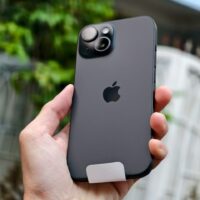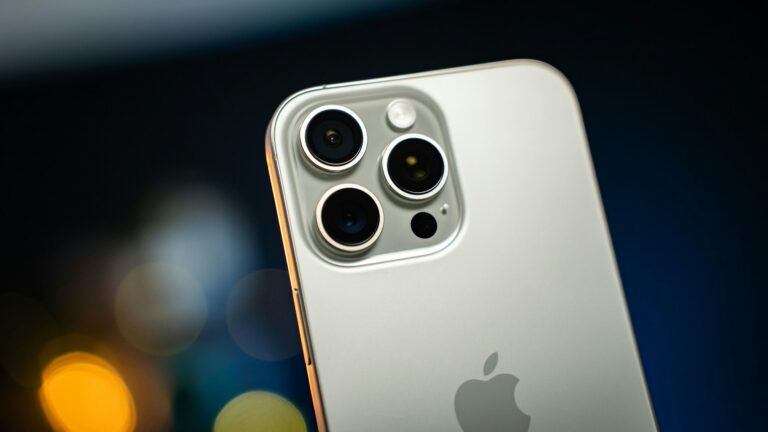
The Apple iPhone 11 Pro was released in September 2019, establishing itself as a significant upgrade within Apple’s smartphone lineup. It positioned itself as a powerhouse for professional users and photography enthusiasts with its triple-camera system, Super Retina XDR display, and the then-new A13 Bionic chip. Despite the release of newer models, the iPhone 11 Pro remains a topic of interest for buyers seeking premium features at a more accessible price point in the refurbished or secondary market, and for users evaluating its long-term performance and software support.
This article provides a detailed, contemporary look at the iPhone 11 Pro, examining its core specifications, camera capabilities, software journey, and its current standing in the smartphone landscape.
Design and Build: The Last of Its Kind
The iPhone 11 Pro featured a design language that marked the end of an era for Apple. It retained the stainless steel frame and glass sandwich construction that defined premium iPhones since the iPhone X, but with improved durability. The most notable design departure was the introduction of the square camera module on the rear, housing the new triple-lens system. This design choice, while controversial to some at launch, became a signature element for Apple’s Pro lineup for several years. The phone was offered in four distinctive colors: Space Gray, Silver, Gold, and the new Midnight Green, which quickly became a fan favorite.
With dimensions of 144 x 71.5 x 8.1 mm and a weight of 188 grams, the 5.8-inch model offered a compact yet substantial feel. The device boasted an IP68 rating for water and dust resistance, allowing it to be submerged in up to 4 meters of water for 30 minutes. The front was dominated by the notch, which housed the TrueDepth camera system for Face ID, a feature that remained fast and secure throughout the device’s lifecycle. The tactile feel of the stainless steel buttons and the overall heft communicated a sense of quality that distinguished it from non-Pro models of its time.
From a historical perspective, the iPhone 11 Pro was the final model to feature the iconic rounded stainless steel design and 3D Touch display technology. Its successors, starting with the iPhone 12 series, adopted a flat-edge design reminiscent of the iPhone 4 and iPhone 5, making the 11 Pro the culmination of a particular design philosophy. For users who prefer this rounded, ergonomic form factor, the 11 Pro represents the most advanced expression of that design.
Super Retina XDR Display: A Visual Benchmark
The iPhone 11 Pro’s 5.8-inch Super Retina XDR OLED display was a significant leap forward in mobile display technology. With a resolution of 2436 x 1125 pixels and a pixel density of 458 pixels per inch, it offered exceptional sharpness and detail. The term “XDR” (Extreme Dynamic Range) was introduced to signify its massively improved brightness and contrast ratio compared to previous Super Retina displays.
The key advancements of the display included:
- Peak Brightness: The screen could achieve a peak brightness of 800 nits for standard content and an incredible 1200 nits for HDR content. This made it easily viewable in direct sunlight and provided a stunning HDR experience for compatible photos and videos.
- True Tone and Wide Color (P3): The display featured True Tone technology, which adjusted the white balance to match the ambient light for a more natural viewing experience. It also supported the wide P3 color gamut, ensuring vibrant and accurate colors for photography and video.
- Contrast Ratio: With a 2,000,000:1 contrast ratio, blacks were truly deep and inky, while highlights popped with intensity. This OLED characteristic provided a viewing experience with remarkable depth.
- HDR Support: The display was fully compatible with Dolby Vision and HDR10 content. This meant users could enjoy films and TV shows with the dynamic range and color intended by creators, directly on their phone.
While high refresh rate displays (90Hz, 120Hz) later became standard on premium phones, the iPhone 11 Pro’s 60Hz display was renowned for its color accuracy, smooth OLED response times, and overall visual fidelity. For many professionals in photo and video editing, its color-accurate profile made it a reliable tool for on-the-go work.
The A13 Bionic Chip: Unmatched Performance
At the heart of the iPhone 11 Pro was the Apple A13 Bionic system-on-a-chip. Built on a 7-nanometer process, it was hailed as the fastest chip in a smartphone at its launch and delivered performance that remains more than capable for most tasks today. The chip’s architecture was a key driver of the phone’s advanced features, particularly in computational photography.
The A13 Bionic featured a 6-core CPU (two high-performance “Lightning” cores and four high-efficiency “Thunder” cores) and a 4-core GPU. Apple claimed both were up to 20% faster than those in the A12 Bionic, while also being more energy-efficient. This efficiency was crucial for managing the power demands of the new camera system and display without sacrificing battery life.
The third-generation Neural Engine was perhaps the most transformative component. With 8 cores and capable of performing over 5 trillion operations per second, it powered real-time machine learning tasks. This enabled features like Night mode, which processed multiple frames instantly to brighten dark scenes, and Deep Fusion, which performed pixel-by-pixel processing for mid-light photos to preserve extraordinary detail.
For everyday use, the A13 Bionic ensured that the iPhone 11 Pro felt snappy and responsive. It handled multitasking, gaming, 4K video editing, and augmented reality applications with ease. Even when the final iOS 17 update was released, the A13 Bionic allowed the iPhone 11 Pro to run the latest software smoothly, a testament to its forward-looking design and Apple’s hardware-software integration.
The Triple-Camera System: A New Era for iPhone Photography
The introduction of the triple-camera array was the iPhone 11 Pro’s headline feature. It consisted of three 12MP sensors: an Ultra Wide lens (ƒ/2.4, 120° field of view), a Wide lens (ƒ/1.8), and a Telephoto lens (ƒ/2.0, 2x optical zoom). This system worked in unison, powered by the A13 Bionic and new software, to deliver a level of versatility and quality that redefined smartphone photography.
Key Camera Features and Modes
Night Mode: This was a revolutionary addition that automatically activated in low-light conditions. Using intelligent software and the Neural Engine, it captured a series of images at different exposures and aligned them to produce a bright, clear, and surprisingly low-noise photo, all in a matter of seconds.
Deep Fusion: For medium-light scenes, Deep Fusion kicked in. It took nine images (four before the shutter, four during, and one long exposure) and fused them together at the pixel level. The result was images with dramatically improved texture and detail in fabrics, hair, and other complex surfaces, while reducing noise.
Smart HDR: An enhanced version of HDR, it used machine learning to recognize subjects in a scene and optimize highlights and shadows separately for each element, leading to more natural-looking photos with better dynamic range.
Seamless Workflow: A major usability improvement was the ability to zoom seamlessly from 0.5x (Ultra Wide) to 1x (Wide) to 2x (Telephoto) directly from the viewfinder. The color and exposure calibration between the three lenses was exceptionally consistent, making the transition feel natural.
On the video front, the iPhone 11 Pro was a powerhouse. It could record extended dynamic range 4K video at 60 frames per second with cinematic stabilization. The front-facing TrueDepth camera was also upgraded to 12MP and gained the ability to record 4K video and shoot 1080p slo-mo, making it one of the best selfie cameras available.
Battery Life, Connectivity, and Audio
Battery life was a major point of improvement for the iPhone 11 Pro. Equipped with a 3046 mAh battery, Apple marketed it as having up to 4 hours more battery life than its predecessor, the iPhone XS. In real-world usage, most users found it could comfortably last a full day of moderate to heavy use, a significant upgrade that addressed a common pain point.
The phone supported 18W fast charging out of the box, with a compatible USB-C power adapter and a USB-C to Lightning cable included. This allowed users to charge up to 50% in around 30 minutes. It also supported Qi-certified wireless charging.
In terms of connectivity, the iPhone 11 Pro featured Wi-Fi 6 (802.11ax) for faster wireless networking, Bluetooth 5.0 for improved accessory connectivity and range, and Gigabit-class LTE. It is important to note that the iPhone 11 Pro does not have native 5G connectivity; this capability was introduced with the iPhone 12 series. For audio, it lacked a traditional 3.5mm headphone jack but offered excellent stereo speaker sound with wider stereo separation and support for spatial audio playback.
Software Journey: From iOS 13 to iOS 17
The iPhone 11 Pro launched with iOS 13, which introduced system-wide Dark Mode, a revamped Photos app, and significant privacy enhancements. Apple has a strong track record of providing long-term software support, and the iPhone 11 Pro benefited greatly from this. It received every major iOS update through iOS 17, which was released in September 2023.
This multi-year support cycle meant the device gained numerous features years after its release, including:
- App Library and home screen widgets (iOS 14).
- Focus Modes and Live Text in photos (iOS 15).
- The completely redesigned Lock Screen with widgets (iOS 16).
- StandBy mode and improved autocorrect (iOS 17).
Receiving iOS 17 marked approximately four years of major OS updates, a commendable software lifespan that extended the phone’s usefulness and security. While it did not receive iOS 18, its final supported version, iOS 17, remains secure and functional for all core tasks. This long-term support is a critical factor for users considering a refurbished iPhone 11 Pro today, as it ensures access to the latest app versions and critical security patches for years after purchase.
Current Market Position, Pricing, and Pros & Cons
As a device originally launched at a starting price of $999, the iPhone 11 Pro is now exclusively available through the refurbished and used markets. Its current value proposition centers on offering a premium build, excellent cameras, and solid performance at a fraction of its original cost.
Current Market Pricing (Estimated, Refurbished/Good Condition)
- 64GB Model: Typically ranges from $300 to $400.
- 256GB/512GB Models: Can range from $350 to $500, depending on condition and seller.
- Important Note: Prices vary significantly based on the device’s battery health, physical condition, storage capacity, and the reputation of the refurbisher. Always purchase from a reputable seller that offers a warranty.
Pros and Cons for Today’s Buyer
Pros:
- Outstanding Build Quality: The stainless steel and glass construction still feels premium.
- Excellent Camera System: The triple-camera setup, with Night Mode and Deep Fusion, takes photos that compete with many mid-range phones today.
- Compact, Ergonomic Form Factor: The 5.8-inch size is preferred by users who find modern “Pro” models too large.
- Strong Performance: The A13 Bionic handles everyday apps, social media, and moderate gaming without issue.
- Long Software Support: Having received up to iOS 17 ensures good app compatibility and security.
Cons:
- No 5G Connectivity: This is its biggest limitation for future-proofing, as 5G networks continue to expand.
- 60Hz Display: The lack of a high refresh rate screen is noticeable next to modern smartphones, affecting scrolling smoothness.
- Aging Battery: Any used unit will have battery degradation; factor in the potential cost of a battery replacement.
- No Official New Units: Only available used/refurbished, which carries inherent risk.
- Software Updates Ended: It will not receive iOS 18 or future major OS updates, though it will likely get security updates for a period.
Pro Tips for Buyers and Owners
If you are considering purchasing a used iPhone 11 Pro or are looking to get the most out of your current device, these tips are essential.
For Potential Buyers:
- Check Battery Health: In Settings > Battery > Battery Health, look for “Maximum Capacity.” Anything above 85% is good for a used device. Below 80%, the battery likely needs immediate replacement.
- Verify Functionality: Test all cameras, microphones, speakers, Face ID, and the charging port. Ensure the screen has no burn-in or major scratches.
- Purchase from Reputable Sources: Choose sellers with high ratings, clear return policies, and a minimum 90-day warranty. Apple’s own Certified Refurbished program is the gold standard but may not always have this model in stock.
For Current Owners:
- Maximize Battery Life: Enable “Optimized Battery Charging” in settings. Use official or MFi-certified charging cables to prevent damage.
- Explore Camera Capabilities: Don’t just point and shoot. Experiment with Night Mode on a tripod for stunning low-light shots. Use the Ultra Wide lens for creative perspectives and architecture.
- Manage Storage: With no expandable storage, use iCloud Photos and offload unused apps to keep your device running smoothly.
Frequently Asked Questions
Is the iPhone 11 Pro still worth buying in 2025?
For the right user, yes. If you prioritize a premium feel, a great camera, and a compact size, and can find a model in good condition with good battery health for around $300-$400, it represents solid value. However, if 5G, the latest software features, and a high-refresh-rate screen are important, you should look at newer models.
Does the iPhone 11 Pro have good battery life?
When new, its battery life was excellent. For a used model, it depends entirely on the current battery health. It’s advisable to plan for a battery replacement (costing approximately $70-$90) if the maximum capacity is below 80% to restore day-long endurance.
What is the difference between the iPhone 11 Pro and the iPhone 11?
The iPhone 11 Pro has a superior OLED display (vs. LCD on iPhone 11), a triple-camera system with Telephoto lens (vs. dual cameras), a more premium stainless steel build (vs. aluminum), and a smaller 5.8-inch screen size option. The standard iPhone 11 has better battery life than the 11 Pro due to its larger body and less power-hungry display.
Will my iPhone 11 Pro stop working without new iOS updates?
No. The phone will continue to function normally. However, over time, some newer apps may eventually require a later version of iOS, and you will stop receiving critical security updates, which could make the device more vulnerable.
Can the iPhone 11 Pro take portrait mode photos with the rear camera?
Yes. It can take Portrait mode photos using both the Wide and Telephoto lenses, offering more framing flexibility. The Ultra Wide lens does not support Portrait mode.
Conclusion
The Apple iPhone 11 Pro stands as a landmark device in smartphone history. It solidified the “Pro” moniker with meaningful professional-grade camera advancements, set a new standard for display quality with Super Retina XDR, and delivered performance that has aged remarkably well thanks to the A13 Bionic chip. While it has been succeeded by models with 5G, improved cameras, and high-refresh-rate displays, its core strengths remain compelling.
Today, in the refurbished market, it represents an exceptional opportunity for users who value a premium design, a versatile and capable camera system, and the polished iOS experience, all without the premium price tag of a current-generation flagship. For those who can accept the lack of 5G and the end of major OS updates, the iPhone 11 Pro continues to be a powerful and satisfying smartphone that captures a specific high point in Apple’s design and engineering trajectory.