

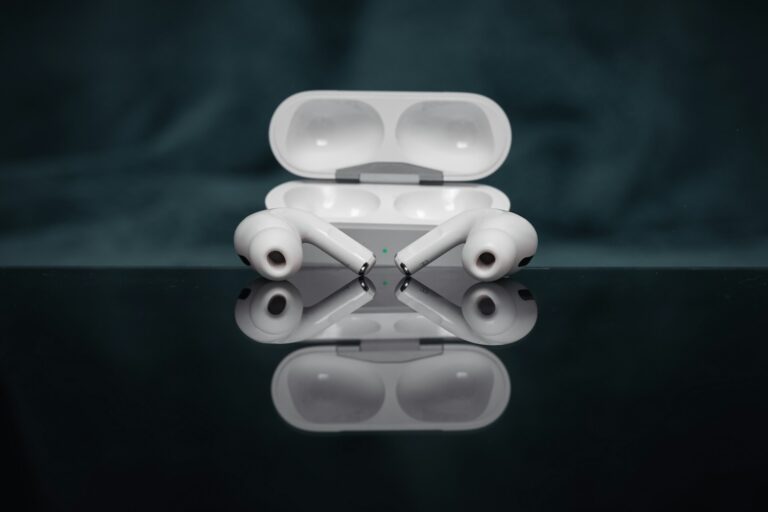
Understanding AirPods Pricing in the Current Market
Apple’s AirPods lineup has evolved into a comprehensive ecosystem of wireless audio products, each positioned at distinct price points to serve different user needs and budgets. As of December 2025, consumers can choose from multiple models ranging from entry-level options to premium flagship devices, with pricing that reflects significant variations in features, performance, and technology.
The current AirPods family includes four primary categories: the standard AirPods 4 available in two variants, the advanced AirPods Pro 3, the premium over-ear AirPods Max, and previous-generation models still available through third-party retailers. Understanding the pricing structure and value proposition of each model has become increasingly important as Apple continues to refine its product strategy and introduce new features that justify different price tiers.
Market dynamics have created interesting opportunities for consumers, with seasonal sales, retailer promotions, and generational transitions affecting availability and pricing. The introduction of the AirPods Pro 3 in September 2025 marked a significant milestone in Apple’s audio product evolution, bringing enhanced active noise cancellation, health monitoring features, and improved fit to the flagship model while maintaining the same price point as its predecessor.
AirPods 4: Entry-Level Excellence
The AirPods 4 represent Apple’s most affordable wireless earbuds option, with the base model officially priced at $129. This fourth-generation standard model replaced both the AirPods 2 and AirPods 3, consolidating Apple’s entry-level offerings into a single product line. The design features an open-ear fit without silicone tips, making them comfortable for extended wear while maintaining situational awareness of surroundings.
Powered by Apple’s H2 chip, the AirPods 4 deliver enhanced audio quality compared to previous generations, with Personalized Spatial Audio, Voice Isolation, and Adaptive Audio features that were previously exclusive to Pro models. The USB-C charging case provides up to 30 hours of total listening time, with the earbuds themselves offering approximately 5 hours per charge. The compact case includes a speaker for Find My integration, addressing a common concern about misplaced charging cases.
Apple conducted extensive research involving thousands of ear shapes and over 50 million data points to create the refined design of the AirPods 4. This data-driven approach resulted in a shape that naturally fits most users while remaining lightweight and comfortable. The earbuds feature an IP54 rating for dust, sweat, and water resistance, making them suitable for workouts and outdoor activities in light rain or humid conditions.
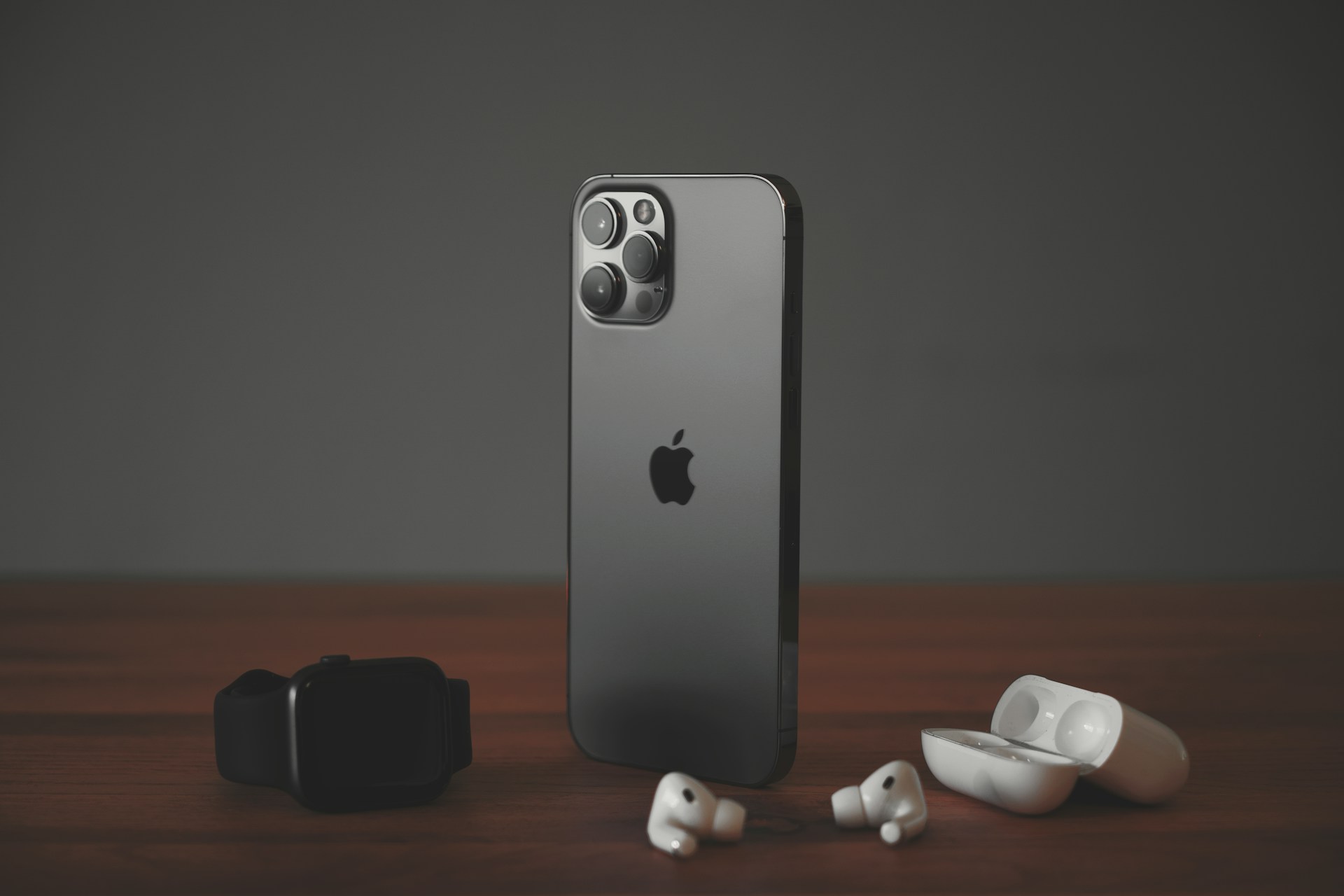
Standard AirPods 4 Features and Value
The base AirPods 4 model provides essential wireless earbud functionality at an accessible price point. Key features include Bluetooth 5.3 connectivity for stable wireless performance, automatic device switching between Apple products, and seamless integration with the Apple ecosystem. The force sensor on the stem enables intuitive controls for playback, calls, and Siri activation through simple taps and presses.
Battery performance delivers practical all-day usage with the charging case, though individual listening sessions are limited to approximately 5 hours. The USB-C charging port brings the AirPods 4 in line with Apple’s broader transition away from Lightning connectors, ensuring compatibility with modern charging infrastructure and reducing cable clutter for users who have already made the switch to USB-C devices.
Retailers frequently offer discounts on the standard AirPods 4, with prices dropping to $99 or below during promotional periods. These sales typically occur monthly, making patience worthwhile for budget-conscious buyers. Third-party sellers on platforms like Amazon often provide competitive pricing, sometimes undercutting Apple’s official retail price by 20 to 30 percent during peak shopping seasons.
AirPods 4 with Active Noise Cancellation
The AirPods 4 with Active Noise Cancellation occupy the mid-tier position in Apple’s lineup at $179, representing a $50 premium over the standard model. This variant introduces ANC technology to Apple’s open-ear design for the first time, achieving a remarkable engineering feat by delivering effective noise cancellation without the sealed fit typically required for optimal performance.
The implementation of active noise cancellation in an open-ear design presents unique challenges, as traditional ANC relies on creating a seal between the ear canal and the outside environment. Apple addressed this through advanced computational audio processing, ultra-low-noise microphones, and sophisticated algorithms that adapt to individual ear shapes. While the noise cancellation performance doesn’t match the sealed design of AirPods Pro models, it provides a meaningful reduction in ambient noise that enhances focus and audio immersion.
Additional features exclusive to the ANC variant include Adaptive Audio, which dynamically adjusts noise cancellation and transparency settings based on environmental conditions, and Conversation Awareness, which automatically lowers audio volume and enhances vocal clarity when the user begins speaking. The MagSafe Charging Case supports wireless charging via Qi-certified chargers and Apple Watch chargers, adding convenience for users already invested in wireless charging infrastructure.
Transparency Mode allows environmental sounds to pass through naturally, maintaining awareness of surroundings without removing the earbuds. This proves particularly valuable for urban environments, public transportation, or situations requiring safety awareness. The balanced approach between isolation and environmental connection makes these earbuds versatile across different usage scenarios.

Comparing Value Between AirPods 4 Models
The decision between standard and ANC-equipped AirPods 4 models hinges on individual priorities and usage patterns. The $50 price difference delivers significant additional functionality, but buyers must evaluate whether active noise cancellation justifies the extra investment. For commuters, frequent travelers, or individuals working in noisy environments, the ANC model provides clear benefits that enhance daily experience and productivity.
Budget-conscious consumers or those who prioritize situational awareness may find the standard model more appropriate. The open-ear design naturally allows environmental sounds to filter through, which some users prefer for safety reasons or personal comfort. Additionally, the standard model’s longer battery life without the power demands of ANC processing provides a practical advantage for users who need extended listening sessions between charges.
Market observations indicate that the ANC model experiences more frequent and deeper discounts compared to the standard version, occasionally dropping to $99 during major sales events. This pricing compression brings the features of the mid-tier model within reach of budget-conscious buyers, potentially making it the superior value proposition when deals are available. Third-party retailers compete aggressively on ANC model pricing, creating opportunities for savvy shoppers.
AirPods Pro 3: Flagship Innovation
The AirPods Pro 3, launched in September 2025, represent Apple’s most advanced in-ear wireless earbuds at $249. This third-generation Pro model introduces groundbreaking features while maintaining the same price point as previous Pro generations, delivering enhanced value through technological advancement rather than premium pricing. The design incorporates subtle refinements that improve fit and comfort while preserving the iconic AirPods Pro aesthetic.
The flagship feature of AirPods Pro 3 is their dramatically improved active noise cancellation, which Apple claims delivers twice the performance of the AirPods Pro 2 and four times the effectiveness of the original AirPods Pro. This enhancement results from new ultra-low-noise microphones, foam-infused silicone ear tips, and advanced computational audio processing powered by the H2 chip. Real-world testing confirms near-complete elimination of airplane engine noise and substantial reduction of street noise during urban commutes.
A revolutionary addition to the AirPods Pro 3 is the integrated heart rate sensor that monitors cardiovascular activity during workouts. Using photoplethysmography technology with infrared light pulsed 256 times per second, the sensor measures blood flow to track heart rate and calculate calories burned across approximately 50 different workout types. This health monitoring capability transforms AirPods Pro 3 from audio accessories into genuine fitness companions, though it requires pairing with an iPhone for data processing and storage.

Advanced Audio Technology and Fit
The acoustic architecture of AirPods Pro 3 delivers significant improvements in soundstage, bass response, and vocal clarity compared to previous generations. The enhanced driver design and acoustic chamber produce richer, more nuanced audio that reveals details in complex musical passages while maintaining balance across frequency ranges. Adaptive EQ automatically adjusts sound output based on individual ear shape, ensuring consistent audio quality regardless of anatomical variations.
Apple expanded the ear tip options to five sizes, including a new XXS option designed to accommodate smaller ear canals. The foam-infused silicone material provides superior comfort during extended wear while creating an effective seal for optimal noise isolation and bass response. The improved fit addresses common complaints about previous generations falling out during vigorous activity or failing to achieve proper seal for maximum ANC performance.
The upgraded IP57 water resistance rating surpasses the IP54 rating of AirPods Pro 2 and AirPods 4, allowing the earbuds to withstand temporary immersion in water up to 1 meter for approximately 30 minutes. This enhanced protection provides peace of mind for users who exercise in rainy conditions or accidentally drop their earbuds in water, though intentional submersion remains inadvisable for preserving long-term durability.
Battery life reaches up to 8 hours with ANC enabled, a substantial improvement over previous generations that struggled to exceed 6 hours under similar conditions. In Transparency mode or when using the hearing aid feature, battery life extends to approximately 10 hours on a single charge. The MagSafe Charging Case provides up to 24 hours of total listening time, though some users report slightly reduced battery performance in ANC mode compared to the Pro 2 model.
Health and Accessibility Features
The AirPods Pro 3 introduce comprehensive hearing health features that extend beyond entertainment audio. The scientifically validated Hearing Test can now be conducted in a broader range of everyday background conditions, making it more accessible and practical for users to assess their hearing capabilities. The test results provide actionable insights and can identify potential hearing issues that warrant professional medical evaluation.
The Hearing Aid feature offers improved voice clarity and automatic Conversation Boost, with 67 percent more battery life in Transparency mode compared to previous implementations. This functionality makes AirPods Pro 3 viable as over-the-counter hearing assistance devices for individuals with mild to moderate hearing loss, potentially eliminating the need for expensive dedicated hearing aids in certain cases. The feature requires iOS 26 and initial setup through the Health app.
Live Translation capabilities enable real-time language translation during conversations, with supported languages automatically recognized and translated through the paired iPhone. While currently available in beta and limited to specific regions, this feature represents a significant step toward breaking down language barriers in international communication. Both parties wearing compatible AirPods can engage in hands-free, back-and-forth conversations with automatic translation, creating a seamless multilingual dialogue experience.
Hearing Protection automatically reduces exposure to loud environmental noise, safeguarding long-term auditory health during concerts, construction sites, or other high-decibel environments. This passive protection complements the active noise cancellation features, creating a comprehensive hearing health ecosystem that addresses both immediate comfort and long-term wellbeing.
AirPods Max: Premium Over-Ear Experience
The AirPods Max represent Apple’s entry into the premium over-ear headphone market at $549, positioning them as the most expensive option in the AirPods lineup. Originally launched in December 2020, the AirPods Max received a minor update in September 2024 that replaced the Lightning charging port with USB-C and introduced new color options including Midnight, Starlight, Purple, Orange, and Blue.
Despite the premium price tag, the AirPods Max utilize the older H1 chip rather than the more advanced H2 chip found in newer AirPods models. This chipset limitation means missing features like Conversation Awareness and Adaptive Audio that have become standard on Apple’s more recent audio products. However, the Max retain excellent active noise cancellation, Adaptive EQ, and Personalized Spatial Audio with dynamic head tracking.
The build quality of AirPods Max sets them apart from competing products, with a stainless steel frame, aluminum ear cups, and a breathable knit mesh headband that distributes weight evenly. The materials create a luxurious feel and impressive durability, though they also contribute to the headphones being noticeably heavier than plastic alternatives from competitors like Sony and Bose. The weight becomes apparent during extended listening sessions, potentially causing discomfort for some users.
Sound Quality and Performance
Audio performance on the AirPods Max achieves genuinely impressive results, with spacious soundstage, crisp high frequencies, and controlled bass response that competes with dedicated audiophile headphones. The 40mm dynamic drivers deliver detailed, nuanced audio across genres, revealing subtleties in complex recordings while maintaining musicality and engagement. Apple’s computational audio processing enhances the listening experience without introducing artificial coloration or distortion.
Active noise cancellation on the Max remains highly effective, competing favorably with flagship models from established headphone manufacturers. The over-ear design naturally provides superior isolation compared to in-ear alternatives, with the sealed ear cups blocking environmental noise before ANC processing even engages. This passive isolation combined with active cancellation creates near-silent listening environments ideal for focus work, travel, or immersive entertainment.
Battery life reaches up to 20 hours with ANC, Transparency mode, or Spatial Audio enabled, providing adequate performance for long flights or multiple days of typical usage between charges. Five minutes of charging delivers approximately 1.5 hours of listening time, offering quick top-ups when needed. However, the lack of a traditional power switch means the Max must be returned to their Smart Case to enter low-power mode, an implementation that has drawn criticism from users and reviewers.
Current Market Prices and Deals
Retail pricing for AirPods models shows significant variation based on seller, timing, and promotional activity. The standard AirPods 4 officially retail at $129 but frequently sell for $99 to $115 through authorized resellers and major retailers. Amazon, Best Buy, Walmart, and Target compete aggressively on pricing, particularly during monthly promotional cycles and major shopping events like Black Friday and Cyber Monday.
The AirPods 4 with ANC, officially priced at $179, has seen remarkable discounts reaching as low as $99 during peak sales periods in late 2025. These deep discounts narrow the price gap with the standard model to negligible levels, making the ANC variant an exceptional value when available at clearance pricing. Shoppers monitoring deal aggregators and price tracking tools can capitalize on these limited-time offers that occur unpredictably throughout the year.
AirPods Pro 3 pricing remains relatively stable at $249 given the recent September 2025 launch, though brief promotional windows have offered $10 to $30 discounts through select retailers. The previous-generation AirPods Pro 2 has experienced significant price reductions, dropping to $139 at major retailers like Walmart, representing a compelling 40 percent savings over the original $249 price. For buyers not requiring the latest features, the Pro 2 delivers excellent performance at substantially reduced cost.
AirPods Max pricing varies considerably, with the official $549 price rarely commanding full retail in practice. Discounts ranging from $50 to $150 appear regularly, bringing prices down to $399 to $499 depending on color selection and retailer. The older Lightning versions occasionally appear at deeper discounts through third-party sellers, though buyers should verify whether USB-C charging matters for their specific use case before purchasing outdated models.
Pros and Cons of Each AirPods Model
AirPods 4 Standard
Pros:
- Most affordable current-generation AirPods at $129 retail, with frequent sales reducing prices below $100. This accessibility makes premium Apple audio technology available to budget-conscious consumers without sacrificing essential features or build quality.
- Comfortable open-ear design suitable for all-day wear without fatigue or pressure. The lack of silicone tips prevents the stuffed feeling that bothers some users, while maintaining secure fit during moderate activity through improved anatomical design.
- Extended battery life reaching 30 hours total with the charging case, providing multiple days of typical use between charges. The 5-hour earbud battery life supports most daily activities without requiring mid-day charging breaks.
- Seamless Apple ecosystem integration including automatic device switching, spatial audio with head tracking, and instant pairing. These features create effortless user experiences that justify staying within Apple’s product ecosystem.
- USB-C charging aligns with modern device standards and reduces cable requirements for users who have transitioned away from Lightning connectors. This future-proofing ensures compatibility with emerging charging infrastructure.
Cons:
- Lacks active noise cancellation which limits effectiveness in noisy environments like airplanes, public transportation, or busy offices. The open-ear design naturally allows ambient sound through, potentially interfering with audio enjoyment or concentration.
- No wireless charging capability requires physical cable connection, adding minor inconvenience compared to MagSafe-equipped models. Users already invested in wireless charging infrastructure cannot leverage existing accessories.
- Open design may not fit all ear shapes securely, with some users experiencing fit issues during vigorous exercise or rapid head movements. The universal design cannot accommodate extreme anatomical variations effectively.
- Limited sound isolation means audio quality suffers in loud environments, requiring higher volume levels that may cause hearing fatigue or damage over time. Privacy concerns arise in quiet spaces where audio leakage becomes noticeable to nearby people.
AirPods 4 with Active Noise Cancellation
Pros:
- Effective ANC in open-ear design represents impressive engineering achievement, providing meaningful noise reduction without requiring sealed ear tips. This balances isolation with situational awareness for safer, more comfortable listening.
- Adaptive Audio and Conversation Awareness features previously exclusive to Pro models enhance versatility across different environments and usage scenarios. The automatic adjustments eliminate manual intervention while optimizing listening experience.
- MagSafe Charging Case enables wireless charging convenience and Find My speaker integration for locating misplaced cases. The premium case justifies portion of the $50 price increase over standard model.
- Transparency Mode allows natural environmental sound passthrough, maintaining safety awareness during outdoor activities or when quick environmental response matters. The feature activates instantly through stem controls.
- Frequently discounted below retail price, sometimes matching standard model pricing during sales events. These promotions create exceptional value opportunities for buyers monitoring deal channels.
Cons:
- Shorter battery life compared to standard model, with approximately 5 hours per charge when ANC is active. The power demands of noise cancellation processing reduce practical usage time between charging sessions.
- ANC performance inferior to sealed designs like AirPods Pro, unable to achieve same level of isolation due to physical limitations of open-ear architecture. Buyers expecting Pro-level noise cancellation may experience disappointment.
- $50 premium over standard model may not justify benefits for users who don’t frequently encounter noisy environments or who prefer natural sound passthrough. The cost-benefit analysis depends heavily on individual usage patterns.
- Still lacks customizable fit with no ear tip options to optimize seal or comfort. The universal design cannot address fit issues that silicone tips would resolve effectively.
AirPods Pro 3
Pros:
- Industry-leading active noise cancellation delivers twice the performance of Pro 2 and four times the effectiveness of original Pro model. The dramatic improvement creates near-silent listening environments that eliminate distractions completely.
- Integrated heart rate monitoring transforms earbuds into fitness tracking devices, eliminating need for separate wearables during workouts. The feature tracks 50 different workout types with accurate cardiovascular data.
- Five ear tip sizes including XXS ensure optimal fit for virtually all ear anatomies, addressing previous generation complaints about limited sizing options. The foam-infused silicone provides superior comfort and seal.
- Enhanced IP57 water resistance protects against temporary water immersion, expanding usage scenarios beyond light rain or sweat exposure. The improved durability provides peace of mind during intense exercise.
- Live Translation and hearing health features extend functionality beyond entertainment audio into practical communication and medical assistance. These capabilities position AirPods Pro 3 as comprehensive personal health devices.
- Improved battery life reaching 8 hours with ANC enabled supports full workday usage without charging interruption. The 24-hour total battery life with case ensures multi-day usage between charges.
- Superior sound quality with enhanced bass response, wider soundstage, and improved vocal clarity delivers audiophile-grade listening experience. The acoustic improvements justify premium positioning.
Cons:
- Premium $249 price point places these earbuds at top of market pricing, potentially exceeding budget constraints for casual listeners. The cost represents significant investment compared to capable mid-tier alternatives.
- Limited discounting due to recent launch means buyers cannot leverage deep sales to reduce entry cost. Early adopters pay full retail while patient shoppers must wait months for promotional pricing.
- Sealed design with ear tips may prove uncomfortable for users who dislike in-canal insertion or experience pressure sensations. The necessary seal for optimal ANC performance eliminates open-ear comfort.
- Health features require iPhone pairing and cannot function independently, limiting utility for Android users or those preferring standalone operation. The ecosystem lock-in reinforces Apple’s walled garden strategy.
- Some battery life reduction reported compared to Pro 2 when ANC is active, suggesting optimization challenges with new features and enhanced noise cancellation processing demands.
AirPods Max
Pros:
- Exceptional sound quality rivaling dedicated audiophile headphones with spacious soundstage, detailed resolution, and balanced frequency response. The large 40mm drivers deliver reference-grade audio reproduction.
- Premium build quality using stainless steel and aluminum construction creates luxurious feel and impressive durability. The materials and craftsmanship justify premium positioning and pricing.
- Superior noise cancellation leveraging over-ear design advantages for maximum isolation from environmental sounds. The passive plus active noise blocking creates immersive listening environments.
- Long 20-hour battery life with ANC enabled supports extended travel or multi-day usage between charges. The battery performance exceeds typical over-ear headphone standards.
- Physical controls including Digital Crown provide intuitive, tactile interaction without touch panel sensitivity issues. The controls mirror Apple Watch design language for familiarity.
Cons:
- Extremely high $549 price exceeds competing flagship models from Sony, Bose, and other established manufacturers offering similar or superior features at lower cost. The premium feels unjustified compared to alternatives.
- Outdated H1 chip lacks modern features like Adaptive Audio and Conversation Awareness found in cheaper AirPods models. The technical limitations contradict premium positioning.
- Heavy weight from metal construction causes discomfort during extended wear, with noticeable pressure on head and neck. The substantial heft contrasts unfavorably with lighter plastic competitors.
- Questionable Smart Case design fails to fully protect headphones while requiring specific placement to activate low-power mode. The implementation frustrates users accustomed to conventional power switches.
- Limited color options and bulky design reduce portability compared to foldable alternatives. The over-ear format inherently occupies more space in bags or backpacks.
Pro Tips for AirPods Buyers
Monitor Price Tracking Tools: Utilize services like CamelCamelCamel, Honey, or Keepa to track historical pricing patterns for AirPods models across major retailers. Set price alerts for target thresholds to receive notifications when deals appear. These tools reveal pricing cycles and optimal purchase windows, potentially saving 20 to 40 percent off retail prices.
Consider Previous Generation Models: The AirPods Pro 2 delivers excellent performance at substantially reduced prices compared to Pro 3, often available for $139 or less during sales. Unless specific Pro 3 features like heart rate monitoring or enhanced ANC matter for your use case, the Pro 2 represents exceptional value for most users. Similarly, discontinued standard AirPods 3 occasionally appear at clearance pricing through third-party sellers.
Verify Authentic Products: When purchasing from third-party sellers or marketplaces, confirm authenticity through serial number verification on Apple’s website. Counterfeit AirPods proliferate on discount marketplaces, offering inferior sound quality, unreliable connectivity, and potential safety concerns. Stick to authorized retailers or verify seller reputation thoroughly before purchasing.
Evaluate Ecosystem Integration: AirPods deliver maximum value within Apple’s ecosystem, with features like automatic device switching, spatial audio, and seamless pairing designed for iPhone, iPad, and Mac users. Android users sacrifice significant functionality and should consider alternative wireless earbuds optimized for their platform unless aesthetic preferences override practical considerations.
Test Fit Before Purchasing: Visit Apple Stores or authorized retailers to try different AirPods models before buying, especially if choosing between open-ear and in-ear designs. Fit dramatically impacts comfort, sound quality, and noise isolation effectiveness. Individual ear anatomy varies significantly, making personal testing essential for confident purchase decisions.
Factor in AppleCare+ Coverage: Consider purchasing AppleCare+ for AirPods, which extends warranty coverage to two years and includes accidental damage protection. The relatively affordable coverage cost provides peace of mind for expensive models like Pro 3 or Max, potentially saving hundreds of dollars on replacement costs if damage or defects occur.
Time Purchases Around Product Cycles: Apple typically refreshes AirPods every 18 to 30 months, creating predictable discount opportunities as new models approach. Buying immediately after new releases guarantees latest technology but commands premium pricing. Purchasing 6 to 12 months into product cycle often yields 15 to 25 percent discounts while maintaining reasonable feature relevance.
Explore Bundle Deals: Retailers occasionally offer AirPods bundles with other Apple products or accessories at reduced combined pricing. Back-to-school promotions, holiday shopping events, and new iPhone launches frequently include AirPods bundle opportunities that deliver better value than standalone purchases.
Frequently Asked Questions
Can I use AirPods with Android devices?
Yes, AirPods function as standard Bluetooth audio devices with Android phones, but users sacrifice numerous features designed for Apple’s ecosystem. Missing functionality includes automatic device switching, spatial audio with head tracking, battery life optimization features like auto ear detection, the ear tip fit test, audio quality enhancements through automatic EQ adjustment, and control customization options. Audio performance feels less refined on Android due to the inability to leverage proprietary H1 or H2 chip features. Battery life may suffer without the power management optimizations that iOS provides. For Android users, alternative wireless earbuds optimized for their platform typically deliver better value and functionality.
How long do AirPods batteries typically last before degradation?
Lithium-ion batteries in AirPods gradually degrade through charge cycles, with noticeable capacity reduction typically appearing after 18 to 24 months of regular use. Most users report battery life declining to approximately 60 to 70 percent of original capacity after two years, with the small battery size making degradation more apparent than larger devices. Factors affecting longevity include charge frequency, storage temperature, and usage patterns. Apple offers battery service for AirPods experiencing significant degradation, though replacement costs often approach purchasing discounted new models. Proper care like avoiding extreme temperatures and not storing fully discharged can extend battery lifespan modestly.
Are AirPods worth buying if I already own quality wireless earbuds?
The value proposition depends heavily on existing equipment quality and Apple ecosystem integration. Users deeply invested in iPhone, iPad, and Mac devices gain substantial convenience and feature benefits from AirPods’ seamless integration that third-party alternatives cannot replicate fully. However, if current earbuds provide satisfactory sound quality and noise cancellation, upgrading purely for marginally better audio may not justify the cost. Consider upgrading when specific AirPods features address limitations in current equipment, such as superior ANC for frequent travelers, health tracking for fitness enthusiasts, or hearing assistance capabilities for those experiencing hearing loss.
Do AirPods work well for phone calls and video conferencing?
AirPods excel at voice calls and video conferencing, with advanced microphone arrays and computational audio processing that prioritize vocal clarity while reducing background noise. The beam-forming microphones focus on the wearer’s voice while attenuating environmental sounds, making calls intelligible even in moderately noisy environments. AirPods 4 with ANC and Pro models incorporate additional processing that leverages iPhone capabilities to enhance call quality further. Many professionals rely on AirPods for remote work specifically due to superior call performance compared to laptop built-in microphones or budget wireless earbuds.
Can I purchase individual replacement AirPods if I lose one?
Yes, Apple sells individual replacement AirPods and charging cases through their support website and retail stores. Replacement costs vary by model, with individual standard AirPods 4 priced at approximately $69, individual AirPods Pro 3 at $99, and replacement charging cases ranging from $59 to $99 depending on model and features. AppleCare+ coverage reduces replacement costs for lost or damaged individual earbuds. Third-party marketplaces occasionally offer individual used AirPods at lower prices, though compatibility and authenticity verification become important considerations when purchasing from unofficial channels.
Conclusion
The AirPods lineup in December 2025 offers comprehensive options spanning $129 to $549, with each model targeting distinct user needs and preferences. The standard AirPods 4 at $129 delivers exceptional value for budget-conscious buyers seeking reliable wireless audio with Apple ecosystem integration, while the AirPods 4 with ANC at $179 provides meaningful noise cancellation in an open-ear design that balances isolation with awareness.
The AirPods Pro 3 at $249 represents Apple’s flagship offering, combining industry-leading noise cancellation with innovative health monitoring features and superior sound quality that justifies the premium positioning. For users seeking the ultimate audio experience with over-ear comfort, the AirPods Max at $549 delivers exceptional sound quality and build quality, though the price premium and outdated chipset present notable compromises compared to competing products.
Pricing dynamics create opportunities for savvy shoppers who monitor deals and time purchases strategically around product cycles and promotional events. The AirPods Pro 2 remains an excellent value proposition at discounted prices for buyers not requiring the latest Pro 3 enhancements, while waiting for sales on newer models can yield substantial savings without sacrificing access to modern features.
Ultimately, the best AirPods model depends on individual priorities including budget constraints, desired features, fit preferences, and ecosystem integration needs. The market-leading position of AirPods reflects genuine quality and innovation that continues advancing with each generation, making them worthy investments for users who value the seamless Apple experience and premium audio performance they deliver consistently across all price points.
