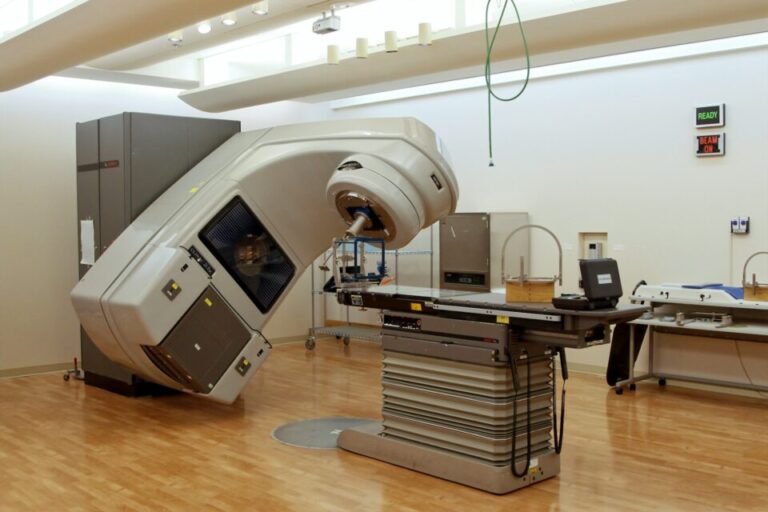
An abdominal CT scan represents a cornerstone of modern diagnostic imaging, offering physicians a non-invasive window into the complex anatomy of the abdomen and pelvis. This advanced procedure utilizes X-rays and computer processing to generate detailed cross-sectional images, enabling the detection of a wide array of conditions that may otherwise remain hidden. As medical technology evolves, abdominal CT scans continue to play a pivotal role in timely diagnosis, particularly in 2025, where updated protocols emphasize radiation safety and enhanced image quality. Patients facing unexplained abdominal pain, suspected organ abnormalities, or trauma-related injuries often undergo this examination to guide effective treatment plans.
Understanding the intricacies of an abdominal CT scan empowers individuals to approach the process with confidence, minimizing anxiety and ensuring optimal results. This guide delineates every aspect, from initial preparation to post-procedure care, drawing on established medical standards to provide clarity. Whether scheduled for routine evaluation or urgent assessment, familiarity with the steps involved fosters a smoother experience and contributes to accurate medical outcomes.
What Is an Abdominal CT Scan?
The abdominal CT scan, also referred to as computed tomography of the abdomen and pelvis, employs a rotating X-ray beam to capture multiple images from various angles around the body. These images are then reconstructed by sophisticated computer algorithms into thin, cross-sectional slices that reveal intricate details of internal structures. Unlike conventional X-rays, which provide flat, two-dimensional views, this method produces high-resolution visuals of soft tissues, bones, blood vessels, and organs, making it indispensable for comprehensive abdominal assessments.
Typically conducted in a radiology department, the scan focuses on the region from the diaphragm to the pelvic floor, encompassing vital organs such as the liver, kidneys, pancreas, spleen, intestines, and reproductive structures. Modern multi-slice CT scanners, prevalent in 2025 facilities, acquire data rapidly—often in mere seconds—reducing motion artifacts and patient discomfort. This efficiency not only enhances diagnostic precision but also aligns with contemporary efforts to minimize radiation exposure through dose-optimization techniques.
The procedure’s non-invasive nature sets it apart from exploratory surgeries, allowing for real-time evaluation without incisions. Images can be reformatted into three-dimensional models if needed, aiding in surgical planning or tumor staging. As healthcare providers increasingly integrate AI-assisted analysis, the interpretive accuracy of these scans continues to improve, ensuring reliable insights into abdominal pathologies.
Why Is an Abdominal CT Scan Performed?
Abdominal CT scans serve diverse diagnostic purposes, addressing symptoms and conditions that demand detailed visualization beyond physical examinations or basic lab tests. Physicians order this imaging to investigate acute presentations like severe pain or chronic issues such as unexplained weight loss, tailoring the approach based on clinical suspicion. The scan’s versatility extends to emergency scenarios, where rapid imaging can delineate life-threatening complications.
- Detecting appendicitis: This common emergency involves inflammation of the appendix, often presenting with right lower quadrant pain and fever. An abdominal CT scan identifies appendiceal thickening, surrounding fat stranding, or perforation with high sensitivity, guiding decisions for surgical intervention like appendectomy. Early detection via CT reduces the risk of complications such as abscess formation or peritonitis, which can prolong hospital stays and increase morbidity.
- Evaluating kidney stones: Nephrolithiasis manifests as flank pain, hematuria, or urinary obstruction, and CT excels at locating stones, assessing their size, density, and impact on the urinary tract. It differentiates between ureteral calculi and other mimics like vascular anomalies, informing conservative management with hydration or procedures like lithotripsy. In 2025, low-dose CT protocols minimize radiation while maintaining diagnostic yield for this prevalent condition affecting millions annually.
- Assessing abdominal trauma: Following accidents or falls, CT reveals internal injuries such as splenic lacerations, hepatic contusions, or hemoperitoneum, crucial for triaging patients in trauma centers. The scan’s speed—under 30 seconds for whole-abdomen coverage—facilitates immediate resuscitation planning, potentially averting hemorrhagic shock. Multiphase imaging with contrast highlights active bleeding sites, enhancing prognostic accuracy in high-stakes environments.
- Diagnosing cancers: From hepatocellular carcinoma to colorectal malignancies, CT stages tumors by evaluating size, invasion, lymph node involvement, and metastases. It aids in biopsy guidance and response monitoring post-chemotherapy, with contrast-enhanced phases delineating vascularity for treatment selection like embolization. As oncology protocols evolve, serial CTs track progression, supporting personalized therapies that improve survival rates.
- Investigating inflammatory bowel disease: Conditions like Crohn’s disease or ulcerative colitis cause chronic diarrhea, bleeding, and pain; CT enterography visualizes bowel wall thickening, strictures, or fistulas with oral contrast distending loops. This modality surpasses endoscopy for extraluminal complications such as abscesses, influencing decisions for biologics or resection. Detailed imaging correlates with endoscopic findings, optimizing multidisciplinary management.
- Identifying aortic aneurysms: Abdominal aortic aneurysms pose rupture risks, and CT measures diameter, extension, and calcification to stratify patients for surveillance or endovascular repair. Three-dimensional reconstructions plan stent grafts precisely, reducing operative complications. In an aging population, routine CT screening in high-risk groups underscores its preventive value against fatal dissections.
- Detecting infections and abscesses: Pyelonephritis or diverticulitis may present with fever and localized tenderness; CT localizes collections, guiding percutaneous drainage over open surgery. Contrast enhancement highlights rim-enhancing fluid pockets, differentiating phlegmon from drainable pus. This targeted approach shortens antibiotic courses and hospital admissions, aligning with antimicrobial stewardship initiatives.
- Evaluating unexplained abdominal pain: For nonspecific symptoms evading initial workups, CT uncovers etiologies like ovarian torsion, mesenteric ischemia, or hiatal hernias. Its broad field-of-view captures incidental findings like cholelithiasis, prompting further evaluation. By ruling out surgical emergencies, it streamlines outpatient pathways, conserving resources in overburdened healthcare systems.
This detailed enumeration highlights the scan’s broad applicability, underscoring its role in evidence-based diagnostics.
Preparing for Your Abdominal CT Scan
Thorough preparation ensures the highest quality images and mitigates potential complications, particularly with contrast administration. Patients receive tailored instructions from their healthcare provider, factoring in medical history, allergies, and the scan’s specific indications. Adhering to these guidelines not only enhances diagnostic reliability but also promotes patient safety.
Consultation and Medical History Review
Begin by discussing your full medical profile with the ordering physician, including allergies to iodine or shellfish, as these may contraindicate contrast use. Disclose conditions like diabetes, kidney impairment, or asthma, which could necessitate adjustments such as premedication with steroids or antihistamines. For those on metformin, cessation 48 hours prior prevents lactic acidosis risks from contrast-induced nephropathy.
Dietary and Medication Guidelines
Typically, fasting for 4 to 6 hours before the procedure clears the stomach, optimizing oral contrast tolerance if required. Hydration remains essential—drink clear fluids up to the cutoff unless contraindicated—to support kidney function during dye excretion. Review all medications; while most continue uninterrupted, blood thinners like warfarin may require bridging therapy to minimize bleeding risks from IV access.
- Schedule and confirm appointment: Contact the imaging center 24 to 48 hours in advance to verify timing and any site-specific protocols, such as arrival for oral contrast ingestion 60 to 90 minutes early.
- Fast as instructed: Abstain from solid foods and most beverages for the specified period, but continue necessary medications with sips of water unless advised otherwise.
- Prepare for contrast: If oral contrast is prescribed, mix and consume the solution as directed; flavors like berry mitigate its chalky taste, and it aids in bowel loop opacification.
- Arrange transportation: Though sedation is rare, mild reactions to contrast may impair driving; enlist a companion for post-scan support.
- Gather documents: Bring insurance cards, prior imaging studies, and a list of current allergies or implants that could interfere with scanning.
- Clothing and accessories: Opt for metal-free attire; facilities provide gowns, but comfortable layers ease the transition to the exam room.
These steps, executed methodically, streamline the process and alleviate procedural uncertainties.
Special Considerations for Vulnerable Populations
Pregnant individuals should explore alternatives like ultrasound, as fetal radiation exposure poses developmental risks; if unavoidable, abdominal shielding and low-dose settings apply. Pediatric patients benefit from child-life specialists to reduce anxiety, with age-adjusted protocols curbing cumulative radiation in growing tissues. Elderly or mobility-limited persons may require assistance for positioning, ensuring comfort without compromising image integrity.
The Abdominal CT Scan Procedure: Step by Step
The procedure unfolds in a controlled radiology suite, prioritizing patient comfort and precision. Technologists, trained in patient-centered care, guide participants through each phase, employing communication tools to maintain reassurance. Duration varies from 10 to 30 minutes, contingent on whether contrast phases are included.
- Arrival and check-in: Register at the front desk, completing any final paperwork; a technologist escorts you to the changing area, providing a secure locker for valuables.
- IV line placement: If intravenous contrast is indicated, a nurse inserts a peripheral catheter, typically in the antecubital fossa, applying topical anesthetic if venipuncture anxiety persists.
- Positioning on the scanner table: Recline supine with arms extended overhead or at sides, secured by soft straps to prevent inadvertent movement; pillows support natural spinal curvature.
- Contrast administration: For multiphase scans, baseline images precede a rapid bolus of iodinated contrast, triggering a programmed delay for arterial, venous, or delayed enhancements.
- Scanning acquisition: The motorized table advances incrementally through the gantry as the X-ray tube rotates, emitting narrow beams detected and processed into volumetric data sets.
- Breath-holding instructions: At key intervals, suspend respiration for 10 to 20 seconds to eliminate diaphragmatic motion, with verbal cues via intercom ensuring compliance.
- Completion and exit: Upon final pass, the table retracts; the technologist confirms adequacy before IV removal and site compression to forestall hematoma formation.
This sequential framework demystifies the technical execution, fostering procedural familiarity.
What to Expect During the Scan
Sensory experiences during the scan are benign and transient, designed for minimal intrusion. The room’s ambient hum from machinery provides a rhythmic backdrop, while positioning lights project faint lines for alignment. Contrast infusion may evoke a fleeting metallic tang or warmth spreading from the injection site, subsiding within moments as the dye circulates.
Claustrophobia concerns are mitigated by the scanner’s open-ring design, allowing visibility of the room; open-communication headsets enable ongoing dialogue with staff. For those prone to unease, mild anxiolytics can precede the exam, though most report the brevity as reassuring. Post-scan, a brief wait ensures image verification, transitioning seamlessly to discharge.
After the Scan: Recovery and Results
Recovery is immediate, with no restrictions on ambulation or alimentation unless oral contrast induces transient gastrointestinal upset. Hydrate generously to expedite dye clearance, particularly beneficial for renal health. Mild soreness at the IV site resolves promptly, warranting monitoring for erythema or swelling indicative of phlebitis.
Results dissemination varies by facility; preliminary reads may occur same-day for urgencies, with formal reports dispatched to referring providers within 24 to 48 hours. Follow-up consultations interpret findings, correlating with symptoms to delineate next steps like endoscopy or surveillance imaging. Incidental discoveries, such as benign cysts, often require no intervention but merit documentation for longitudinal tracking.
Benefits of Abdominal CT Scans
The advantages of abdominal CT scans profoundly impact clinical decision-making, balancing efficacy with patient-centered outcomes. High spatial resolution unveils subtle anomalies, obviating exploratory laparotomies and their attendant morbidities. In trauma bays, millisecond acquisition times expedite resuscitation, correlating with reduced mortality in polytrauma cohorts.
- Enhanced diagnostic accuracy: Cross-sectional imaging surpasses planar modalities in delineating lesion margins and vascular encasement, with sensitivity exceeding 95% for appendicitis per recent meta-analyses. This precision curtails diagnostic odysseys, alleviating patient distress from protracted uncertainty. Moreover, volumetric reconstructions facilitate quantitative assessments, such as tumor burden metrics essential for oncologic prognostication.
- Rapid execution in emergencies: Whole-abdomen coverage in under 10 seconds accommodates uncooperative subjects, including intubated patients, without sedation imperatives. This alacrity translates to expedited operative theaters, optimizing resource allocation in level-one centers. Comparative studies affirm CT’s superiority over ultrasound for hemodynamically unstable cases, underscoring its triage primacy.
- Guidance for interventional procedures: Real-time fusion with fluoroscopy directs needle aspirations or drain placements, diminishing complication rates by 30% in abscess management series. Such hybrid applications extend CT’s utility beyond diagnostics, embodying minimally invasive paradigms. Procedural confidence accrues from pre-mapped trajectories, safeguarding adjacent neurovascular structures.
- Cost-effectiveness over time: Initial outlays notwithstanding, averted surgeries and hospitalizations yield net savings, with economic models projecting $1,500 per avoided appendectomy. Longitudinal surveillance averts progression to advanced stages, amortizing expenses across care continuums. Payer analyses in 2025 highlight CT’s value in value-based reimbursement frameworks.
- Versatility across demographics: Adaptable protocols accommodate pediatric dosimetry and geriatric comorbidities, broadening accessibility. In obese populations, higher kVp settings maintain penetration without dose escalation. This inclusivity democratizes advanced imaging, bridging disparities in underserved locales.
- Integration with multimodal care: Synergy with PET-CT hybrids refines staging for metabolically active lesions, enhancing therapeutic specificity. Baseline acquisitions benchmark treatment efficacies, informing adaptive regimens. Multidisciplinary tumor boards leverage these insights for consensus-driven strategies.
Risks and Safety Considerations
While profoundly beneficial, abdominal CT scans entail measured risks, predominantly from ionizing radiation and contrast agents, prompting judicious utilization. Contemporary scanners employ automatic exposure controls, curtailing doses by up to 40% since 2020 iterations, yet cumulative exposures warrant vigilance in frequent scanners. The FDA’s 2025 advisories reiterate that one scan’s oncogenic risk approximates 1 in 2,000, dwarfed by diagnostic gains but amplified in minors.
Allergic sequelae to iodinated contrast manifest in 1-3% of administrations, ranging from urticaria to anaphylaxis; premedication regimens attenuate this in sensitized cohorts. Nephrotoxicity, though mitigated by iso-osmolar agents, necessitates creatinine screening in at-risk diabetics or hypertensives. Pregnancy contraindicates elective scans, with alternatives like MRI prioritized to shield embryogenesis from stochastic effects.
Mitigation strategies encompass evidence-based protocols: low-dose non-contrast for urolithiasis, iterative reconstruction algorithms for noise reduction, and bismuth shielding for sensitive gonadal regions. Patient education on hydration post-contrast bolsters renal perfusion, while registries track long-term sequelae in high-volume users. These safeguards, embedded in 2025 accreditation standards, harmonize innovation with prudence.
Pro Tips for a Smooth Abdominal CT Scan Experience
Navigating an abdominal CT scan with foresight enhances both comfort and efficacy, transforming a routine diagnostic into an empowering health milestone.
- Practice breath-holding techniques: Rehearse shallow inhalations followed by 15-second holds to acclimate lungs, preventing diaphragmatic blur that necessitates rescan. Visualization apps with timers simulate exam cues, building respiratory stamina without fatigue. This preparation not only yields crisper images but also instills procedural poise, reducing cortisol spikes.
- Opt for flavored oral contrasts: Request berry or citrus variants to mask chalkiness, sipping via straw to bypass taste buds; pre-chilling enhances palatability. Pairing with ginger ale post-ingestion curbs nausea, ensuring compliance without distress. Such accommodations elevate tolerance, particularly for volume-sensitive patients.
- Wear noise-canceling headphones: If gantry whirs unsettle, inquire about provided ear protection or personal devices streaming calming playlists. Ambient white noise drowns mechanical buzz, fostering relaxation akin to meditative states. This sensory modulation curtails motion artifacts from tension, optimizing scan fidelity.
- Communicate discomfort promptly: Utilize the intercom for real-time feedback on positioning or warmth sensations, empowering technologists to adjust pillows or infusion rates. Proactive dialogue averts escalation to full pauses, streamlining throughput. Trust in bidirectional exchange fortifies the patient-provider alliance, enhancing overall satisfaction.
- Follow up on hydration logs: Track intake post-procedure to sustain 2-3 liters daily, mitigating contrast residua via diuretic effects. Infuse electrolytes if prone to cramps, consulting apps for reminders. Vigilant repletion safeguards glomerular filtration, preempting transient azotemia in vulnerable kidneys.
- Review prior scans digitally: Access PACS portals for baseline comparisons, annotating queries for radiologist discourse during results review. This continuity illuminates interval changes, refining interpretive nuance. Empowered inquiry elevates comprehension, catalyzing informed therapeutic dialogues.
Frequently Asked Questions
Is an abdominal CT scan painful? The procedure itself induces no pain, akin to lying still during a brief nap; minor discomfort may arise from IV insertion or contrast warmth, resolving swiftly without analgesics.
How long do results take? Preliminary interpretations emerge within hours for emergencies, with comprehensive reports available in 1-2 days, expedited by electronic health record integrations in 2025 workflows.
Can I drive home after the scan? Yes, barring rare sedative use; contrast effects dissipate rapidly, preserving acuity unless underlying vertigo contraindicates solo travel.
What if I’m claustrophobic? Open-gantry designs and mirrored visors alleviate enclosure fears; cognitive behavioral prompts or virtual reality desensitization sessions precede exams for susceptible individuals.
Does insurance cover abdominal CT scans? Coverage aligns with medical necessity, verified pre-authorization mitigating out-of-pocket variances; discuss deductibles with providers for transparent budgeting.
Are there alternatives to CT for abdominal imaging? Ultrasound suits initial soft-tissue surveys, while MRI offers radiation-free detail for hepatobiliary queries; selection hinges on contraindications and acuity.
Conclusion
In summary, the abdominal CT scan stands as a testament to diagnostic ingenuity, seamlessly integrating preparation rigor, procedural finesse, and interpretive depth to illuminate abdominal enigmas. From preempting surgical misadventures to charting oncologic trajectories, its contributions underpin proactive healthcare paradigms. As 2025 advancements refine radiation stewardship and contrast tolerability, patients emerge equipped for empowered wellness journeys, where informed anticipation begets unyielding resilience.