

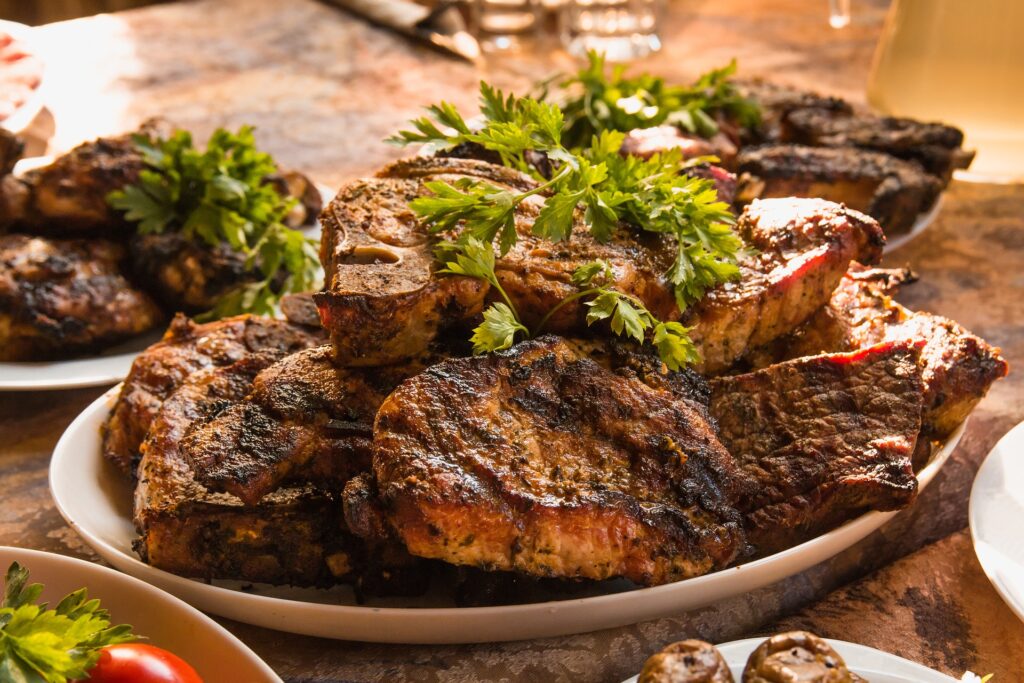
The concept of what we eat and how it is sourced is increasingly important to consumers globally. Among various dietary standards, one set of guidelines has grown in visibility and demand far beyond its traditional cultural and religious boundaries. This comprehensive guide delves into the principles, processes, and significance of meat prepared according to specific ethical and religious law, providing clarity for curious consumers, those adhering to the diet, and businesses catering to this expanding market.
The Foundational Principles and Meaning
At its core, the term refers to what is permissible or lawful under Islamic law (Sharia). When applied to food, it governs not only the type of animal but, critically, the method of its slaughter and the entire supply chain. The opposite is “Haram,” which means prohibited. For meat to be considered compliant, it must adhere to a series of stringent requirements from the life of the animal to its processing and handling.
The primary objectives behind these dietary laws are multifaceted. They emphasize compassion and respect for animal welfare, mandate cleanliness and purity in consumption, promote gratitude for provision, and encourage mindfulness of God in daily life. The act of slaughter, when performed correctly, is viewed as a sacred rite that acknowledges the taking of life for sustenance.
Key Differences from Conventional and Other Methods
A common point of confusion lies in the comparison with other meat production systems. Conventional secular slaughter typically involves stunning the animal (rendering it unconscious) prior to bleeding it out. Kosher slaughter, or Shechita, shares some similarities, such as the use of a very sharp blade and a blessing, but has its own distinct theological requirements and certifications.
The most significant distinction in the prescribed method is the absolute prohibition of stunning before slaughter in most interpretations and by the majority of certification bodies worldwide. The reasoning is that the animal must be alive and healthy at the moment of slaughter. However, it is crucial to note that reversible stunning methods (like electronarcosis) are accepted by some authorities and countries, such as New Zealand and parts of the EU, provided the animal does not die from the stun. This remains a topic of ongoing discussion among scholars.
Another major difference is the complete forbiddance of consuming blood. The slaughtering technique is specifically designed to drain the maximum amount of blood from the carcass, as blood is considered Haram. Furthermore, while both Kosher and these laws prohibit pork, the latter also explicitly forbids carnivorous animals, birds of prey, amphibians, and most insects (with specific exceptions like locusts).
The Slaughtering Process (Zabihah) Explained in Detail
The prescribed method of slaughter, known as Zabihah in Arabic, is a precise and regulated procedure. It is not merely a physical act but a spiritual one, requiring specific conditions to be met for the meat to be lawful.
Pre-Slaughter Conditions
The welfare of the animal prior to slaughter is of paramount importance. The animal must be of a permissible species and must be healthy at the time of slaughter. It should be treated with kindness and must not witness the slaughter of other animals. Providing water and ensuring calm handling to minimize stress and fear are essential requirements.
The Act of Slaughter
The slaughter must be performed by a sane, adult Muslim who understands the rules and principles. The name of God (Allah) must be invoked at the precise moment of slaughter by saying “Bismillah” (In the name of God). The tool used must be razor-sharp to ensure a swift, deep cut that severs the trachea, esophagus, carotid arteries, and jugular veins in a single continuous motion, without lifting the knife. This method is intended to cause immediate loss of consciousness and a rapid drop in blood pressure, minimizing pain and suffering.
The cut must be made on the neck, and the spinal cord must not be severed, allowing for convulsions that help pump out the blood. The blood must be allowed to drain completely from the body.
Post-Slaughter Handling and Processing
After slaughter, the meat must not come into contact with any non-compliant substances or products. This includes ensuring that processing equipment, storage facilities, transportation, and packaging are not contaminated with Haram items like pork or blood from non-compliant slaughter. This concept of segregation and purity throughout the supply chain is critical and is a major focus of modern certification audits.
Permissible (Halal) and Prohibited (Haram) Animals
The law provides clear guidance on which animals can be consumed. Understanding this list is fundamental.
- Permissible Land Animals: The general rule is that all herbivorous, cud-chewing animals with cloven hooves are permissible. This includes cattle, sheep, goats, lambs, bulls, cows, buffalo, and deer. Camels are also permissible.
- Permissible Birds: Birds that are not birds of prey and do not use talons to hold down food are generally permissible. This includes chickens, turkeys, ducks, geese, quail, and pigeons. Traditionally, domestic birds are considered Halal.
- Prohibited Land Animals: Pigs and boars of any kind are strictly and absolutely forbidden (Haram). Carnivorous animals with fangs (lions, tigers, dogs, cats, etc.) are prohibited. Donkeys and mules are generally considered forbidden in many schools of thought.
- Prohibited Birds and Sea Creatures: Birds of prey (eagles, vultures, falcons) are Haram. According to most interpretations, creatures that live both on land and in water (amphibians like frogs) are prohibited. There is a difference of opinion regarding seafood; the majority view is that all creatures from the sea are permissible, while some schools restrict it to fish with scales and shrimp.
- Other Prohibitions: Any animal that was dead before slaughtering (carrion), animals slaughtered without the name of God being invoked, animals dedicated to or slaughtered in the name of any being other than God, and blood and its by-products are all Haram.
The Importance of Modern Certification and Global Standards
With the globalization of food supply chains, certification has become essential to ensure compliance and build consumer trust. A certification logo on a product assures consumers that the entire production process, from farm to fork, has been audited by a qualified Islamic organization.
Certification bodies inspect and approve:
1. The source of the animals and their feed.
2. The slaughtering process, including the equipment and the slaughtermen.
3. The entire processing facility to prevent cross-contamination.
4. The packaging, storage, and transportation logistics.
Major global standards include those set by bodies in Malaysia (JAKIM), Indonesia (MUI), the Gulf region (GCC), Singapore (MUIS), and reputable organizations in Western countries like the Islamic Food and Nutrition Council of America (IFANCA) and the Halal Food Authority (HFA) in the UK. There is a push for greater harmonization of these standards to facilitate international trade.
Addressing Common Questions and Misconceptions
Many questions arise from those unfamiliar with the practice. Clarifying these is key to understanding.
One major point of contention is animal welfare. Proponents argue that the prescribed method, when performed perfectly by a skilled slaughterman, is one of the most humane methods, causing immediate unconsciousness. Critics point to the lack of pre-slaughter stunning as potentially causing distress. The acceptance of reversible stunning by some authorities is a modern adaptation addressing this concern.
Another misconception is that the meat is blessed by a priest. Unlike some religious rites, the invocation (“Bismillah”) is a dedication, not a blessing of the meat itself. The permissibility comes from adhering to the divine law, not from a clerical blessing.
Pro Tips for Consumers
Whether you follow this dietary law or are simply seeking to understand it better, these insights can be valuable:
- Look for Reputable Certification: Never rely solely on a label that says “Halal” without a recognizable certification logo. Research the certifying body to ensure its standards are widely accepted.
- Understand “Cross-Contamination”: In restaurants, ask specific questions. Are separate grills, utensils, and fryers used? Is the same oil used to fry chicken and pork products? For strict adherence, cross-contact is a serious concern.
- Travel and Dining Preparedness: When traveling, research certified restaurants or supermarkets in advance. Many apps and online directories now list compliant eateries globally.
- Read Ingredient Lists Carefully: Beyond meat, many processed foods contain non-compliant ingredients like gelatin (often from pigs), enzymes, and certain flavorings (like some vanillin or alcohol-based extracts).
- Engage with Your Butcher or Supplier: Building a relationship with a trusted butcher who understands your requirements is one of the best ways to ensure quality and compliance.
Frequently Asked Questions
Q: Can non-Muslims consume Halal meat?
A: Absolutely. There is no religious prohibition against anyone eating meat prepared this way. Many non-Muslims choose it for perceived quality, ethical reasons, or taste preferences.
Q: Is all meat from Muslim-majority countries automatically Halal?
A: No. Compliance is determined by process, not geography. One must look for proper certification even in Muslim-majority countries, as standards and enforcement can vary.
Q: What is the difference between Halal and “Zabihah”?
A: “Zabihah” specifically refers to the method of slaughter for land animals. “Halal” is a broader term meaning permissible and encompasses all foods, ingredients, and even non-food products. All Zabihah meat is Halal, but not all Halal foods are Zabihah (e.g., fruits, vegetables, certified seafood).
Q: Is organic meat automatically Halal?
A: No. Organic certification relates to farming practices, feed, and the absence of antibiotics/hormones. It does not govern the slaughtering method or invocation. For meat to be compliant, it must meet both the organic and the religious slaughter standards and be certified accordingly.
Q: Why is pork so strictly forbidden?
A: The prohibition is explicitly stated in the Quran. While health reasons (like trichinosis) have been suggested by some scholars historically, the primary reason for believers is that it is a divine commandment, and obedience is a test of faith.
Q: How can I be sure about medications and cosmetics?
A: This is a complex area. Many capsules use gelatin, and cosmetics may contain animal-derived ingredients like glycerin or collagen. A growing number of certification bodies now certify pharmaceuticals and cosmetics. Consumers should seek products with a reliable certification or contact manufacturers directly for source information.
The Broader Impact and Market Trends
The global market is one of the fastest-growing consumer sectors worldwide, driven not only by a rising global Muslim population but also by increasing demand from non-Muslims who associate it with cleanliness, ethical treatment of animals, and superior food safety. The market extends far beyond meat into segments like pharmaceuticals, cosmetics, travel, and finance.
This demand has spurred significant innovation in food technology, such as the development of plant-based and cultured meat alternatives that meet the standards. It has also led to rigorous scientific research on slaughter methods and animal welfare, contributing to broader agricultural and food science discussions.
Ethical and Health Considerations
From an ethical standpoint, the emphasis on animal welfare prior to and during slaughter aligns with many modern ethical farming movements. The prohibition of blood consumption and the focus on healthy animals also have historical and potential health benefits, such as reducing the risk of bacterial growth associated with blood residue and ensuring the consumption of disease-free animals.
It is important to note that while the method has health and ethical dimensions, for observant Muslims, the primary motivation is always religious obedience (Taqwa). The health benefits are considered secondary blessings.
Conclusion
Understanding the principles behind meat preparation requires moving beyond a simple definition to appreciate a comprehensive system of dietary law rooted in spirituality, ethics, and practical hygiene. It governs the entire lifecycle of food consumption, from the animal’s welfare to the moment of slaughter and beyond into processing. In today’s interconnected world, certification provides a vital bridge of trust for consumers. Whether adhered to for religious conviction or chosen for other reasons, it represents a conscious and deliberate approach to eating that emphasizes mindfulness, purity, and respect for life. As the market continues to expand globally, knowledge of its core tenets becomes increasingly relevant for consumers, producers, and retailers alike, fostering greater understanding in a diverse marketplace.
