

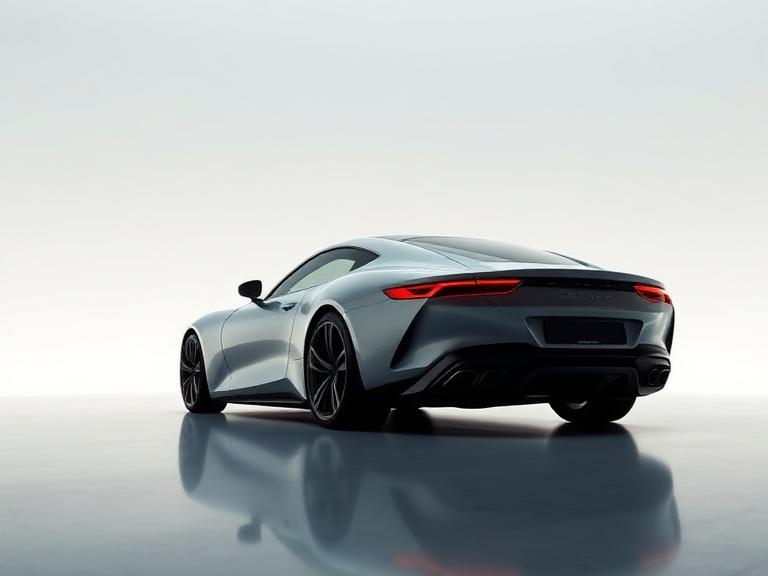
The automotive industry continues to evolve with a focus on efficiency, performance, and streamlined product lines. Lexus, the luxury division of Toyota, has made significant moves in its coupe segment by discontinuing two longstanding models and planning a consolidated successor. This development reflects broader trends in the luxury car market, where manufacturers seek to optimize offerings amid shifting consumer preferences and regulatory pressures.
The Lexus LC and RC have served as key pillars in the brand’s sporty lineup for nearly a decade. With production endings confirmed for these models, attention turns to the anticipated replacement that promises to blend the best attributes of both into a single, advanced vehicle. This strategic shift aims to maintain Lexus’s presence in the premium coupe category while incorporating modern hybrid technology.
Industry reports indicate that the new coupe will arrive as a flagship model, positioned to appeal to enthusiasts seeking a balance of luxury and dynamic driving. Drawing from reliable automotive publications, the successor is expected to leverage shared engineering with Toyota’s performance-oriented vehicles, enhancing its appeal in a competitive landscape.
History and Evolution of the Lexus LC and RC Models
The Lexus RC debuted in 2014 as a compact luxury coupe, designed to compete with rivals like the BMW 4 Series and Audi A5. It offered a range of powertrains, including a turbocharged four-cylinder, a V6, and a high-performance V8 in the RC F variant. Over the years, the RC emphasized sporty handling and refined interiors, appealing to drivers who valued agility in a premium package.
The LC, introduced in 2017, positioned itself as a grand tourer with striking design inspired by the LF-LC concept. Featuring a naturally aspirated 5.0-liter V8 engine producing 471 horsepower, it delivered exhilarating performance alongside opulent features. The model later expanded to include a hybrid option and a convertible body style, broadening its market reach.
Both models contributed to Lexus’s reputation for reliability and innovation. The RC targeted a more accessible price point, starting in the mid-$40,000 range, while the LC commanded premiums above $100,000 for its flagship status. Their designs incorporated Lexus’s signature spindle grille and advanced safety systems, setting benchmarks in the segment.
Key Milestones in Model Development
Initial launches of the RC and LC showcased Lexus’s commitment to emotional design and performance. Updates over the years included enhanced infotainment systems and refined suspensions, keeping them relevant amid technological advancements. Special editions, such as the RC F Final Edition, celebrated their legacies with unique styling cues and performance tweaks.
Sales figures highlighted their niche appeal, with the RC achieving steady volumes in North America and Europe. The LC, despite lower numbers due to its higher price, garnered acclaim for its aesthetics and driving dynamics. These models played roles in motorsports, with variants like the RC F GT3 competing in endurance races.
As market dynamics shifted toward electrification, Lexus began integrating hybrid options into the lineup. The LC 500h combined a V6 engine with electric motors for improved efficiency without sacrificing power. This evolution foreshadowed the brand’s broader strategy to transition toward sustainable mobility solutions.
Reasons Behind the Discontinuation of LC and RC
Evolving consumer preferences have influenced Lexus’s decision to phase out the LC and RC. Demand for coupes has declined in favor of crossovers and SUVs, prompting manufacturers to rationalize their portfolios. Slow sales, particularly for the RC after a decade on the market, contributed to this choice.
Regulatory pressures on emissions and fuel economy standards also played a role. The naturally aspirated V8 engines, while beloved for their sound and performance, face challenges in meeting stricter global requirements. Lexus aims to align its offerings with future mandates by focusing on hybridized and electrified powertrains.
Production timelines confirm the RC ended in late 2025, with the LC 500 following after the 2026 model year. This consolidation allows resources to be redirected toward innovative models that better address market needs. The move mirrors industry trends seen in other luxury brands streamlining their coupe offerings.
Impact on Lexus’s Overall Lineup
The discontinuation creates a gap in the coupe segment, but the planned replacement ensures continuity. Lexus maintains a diverse portfolio with sedans like the ES and IS, alongside SUVs such as the RX and GX. This shift emphasizes versatility and electrification across the range.
Dealers have been notified of the changes, with final model year vehicles featuring special packages to commemorate the end. Inventory management focuses on clearing existing stock, potentially offering incentives for buyers. The transition supports Lexus’s long-term vision for a more sustainable and efficient vehicle array.
Details on the Upcoming Lexus Hybrid Coupe
Reports from Japanese automotive outlets suggest the new coupe will debut in 2027 as a single model replacing both the LC and RC. It is anticipated to adopt a grand tourer configuration, larger than the RC but maintaining the LC’s premium positioning. The design will likely incorporate Lexus’s evolving styling language, with sleek lines and advanced aerodynamics.
The vehicle is expected to feature a 2+2 seating layout for practicality, blending sportiness with luxury. Dimensions may approximate the current LC, around 189 inches in length and 74.8 inches in width, ensuring a commanding road presence. Interior materials will emphasize high-quality craftsmanship, including leather upholstery and advanced digital interfaces.
Technology integrations will include the latest Lexus Interface system with a large touchscreen, voice recognition, and over-the-air updates. Safety features from the Lexus Safety System+ suite, such as adaptive cruise control and lane-keeping assist, will be standard. Connectivity options will support Apple CarPlay and Android Auto wirelessly.
Platform and Engineering Shared with GR Supra
The new coupe will reportedly share its platform with the next-generation Toyota GR Supra, fostering synergies within the Toyota group. This rear-wheel-drive architecture promises balanced handling and responsive dynamics. Modifications will tailor it to Lexus’s luxury focus, with refined suspension tuning and noise insulation.
Engineering collaborations aim to reduce development costs while enhancing performance capabilities. The shared backbone allows for efficient production and component sourcing. This approach echoes past partnerships, such as the Supra’s collaboration with BMW, but shifts toward in-house Toyota innovations.
Powertrain Specifications and Performance Expectations
A gas-electric hybrid powertrain is projected, featuring a 3.5-liter V6 engine combined with electric motors. This setup differs from the Supra’s rumored 2.0-liter turbo-four hybrid, emphasizing smoother power delivery for grand touring. Total output could approach 400 horsepower, balancing efficiency and exhilaration.
Performance metrics may include a 0-60 mph acceleration in under 5 seconds, with a top speed electronically limited to 155 mph. Fuel economy improvements over the outgoing V8 models are anticipated, potentially achieving over 30 mpg combined. The hybrid system will offer seamless transitions between gas and electric modes.
An all-electric variant may follow, aligning with Lexus’s electrification goals. Battery technology advancements will support longer ranges and faster charging. Regenerative braking and energy management systems will enhance overall efficiency, appealing to environmentally conscious buyers.
Comparison with Predecessors
Unlike the V8-powered LC and RC, the new model prioritizes hybrid efficiency without compromising dynamics. It consolidates the sporty essence of the RC with the grand touring comfort of the LC. This fusion addresses previous lineup redundancies, offering a more versatile option for diverse driving scenarios.
Weight distribution and chassis rigidity will surpass the outgoing models, thanks to advanced materials like carbon fiber reinforcements. Ride quality will benefit from adaptive dampers and variable-ratio steering. These enhancements position the coupe as a modern successor, evolving Lexus’s performance heritage.
Market Positioning and Competitive Landscape
The new coupe will slot above mainstream models but below the forthcoming LFA successor, targeting premium buyers. Pricing is expected to start around $90,000, bridging the gap left by the RC and LC. This positions it against competitors like the Porsche 911, BMW 8 Series, and Mercedes-AMG GT.
In the luxury coupe market, emphasis on hybridization differentiates it from pure internal combustion rivals. Consumer trends favor vehicles with lower emissions and advanced tech, giving Lexus an edge. Global availability will include key markets in North America, Europe, and Asia.
Marketing strategies will highlight the model’s heritage and innovation, through digital campaigns and experiential events. Dealer training will focus on its unique features to educate potential customers. This approach aims to rebuild enthusiasm for Lexus coupes in a SUV-dominated era.
Potential Challenges and Opportunities
Challenges include convincing traditional V8 enthusiasts to embrace hybridization. Lexus plans educational initiatives on the benefits of electric assistance. Opportunities lie in expanding the electrified lineup, attracting new demographics focused on sustainability.
Economic factors, such as fluctuating material costs, may influence final pricing. Supply chain optimizations from platform sharing mitigate risks. Overall, the model represents a forward-thinking step for Lexus in a rapidly changing automotive environment.
Current Market Price and Deals
As the LC and RC wind down, remaining inventory offers opportunities for buyers. The 2026 Lexus LC 500 coupe starts at $101,700, with convertibles at $109,200. Dealers may provide discounts up to 5% on final units, depending on location and stock levels.
The discontinued RC models, if available used, range from $35,000 for base variants to $60,000 for RC F editions. Certified pre-owned programs include extended warranties and inspections. Financing deals feature low APR rates, such as 2.9% for 60 months on select models.
Trade-in incentives encourage upgrades to other Lexus vehicles, with bonuses up to $3,000. Lease options for lingering LC inventory start at $1,200 per month with minimal down payments. Market conditions suggest acting quickly as supplies diminish.
Pros and Cons
- Pros of the Upcoming Coupe: Enhanced fuel efficiency through hybridization supports eco-friendly driving. Shared platform ensures proven reliability and performance. Consolidated design offers versatility for daily use and long trips.
- Pros of the Upcoming Coupe: Advanced technology integrations improve user experience. Potential for future electric variants aligns with global trends. Luxury appointments maintain Lexus’s premium standards.
- Cons of the Upcoming Coupe: Departure from V8 engines may disappoint purists seeking raw power. Higher initial costs compared to entry-level predecessors. Limited initial availability could extend wait times.
- Cons of the Upcoming Coupe: Hybrid complexity might increase maintenance needs. Less emphasis on lightweight construction than sports-focused rivals. Market acceptance of the single-model strategy remains untested.
- Pros of Discontinued Models: Proven track records with high resale values. Iconic V8 soundtracks deliver emotional engagement. Established aftermarket support for customizations.
- Cons of Discontinued Models: Outdated infotainment in earlier years. Higher fuel consumption compared to modern hybrids. Niche appeal limits broad market penetration.
- Pros Overall for Lexus Coupes: Timeless designs that age gracefully. Comprehensive safety features as standard. Strong brand loyalty fosters community events.
- Cons Overall for Lexus Coupes: Declining segment demand affects future investments. Competition from crossovers diverts resources. Evolving regulations challenge traditional powertrains.
Pro Tips
For prospective buyers of remaining LC or RC models, consider certified pre-owned options for added peace of mind. Regular maintenance on V8 engines ensures longevity, focusing on oil changes every 5,000 miles. Explore aftermarket upgrades like suspension kits to enhance handling without voiding warranties.
When anticipating the new coupe, monitor official Lexus announcements for reveal dates. Test drive current hybrids like the ES 300h to familiarize with the technology. Budget for potential accessories, such as performance tires, to optimize the driving experience.
Enthusiasts should join Lexus owner forums for insights on model transitions. Preserve discontinued vehicles through proper storage and detailing. Stay informed on electrification trends to appreciate the shift toward sustainable luxury.
Frequently Asked Questions
What is the timeline for the new Lexus coupe? The model is expected to debut in 2027, following the discontinuation of the LC and RC. Production ramp-up may begin late that year, with deliveries in early 2028.
Will the new coupe retain V8 options? No, it focuses on hybrid powertrains for efficiency. A V6 hybrid is anticipated, with possible electric variants later.
How does the shared platform benefit the vehicle? It reduces costs and leverages Toyota’s performance expertise. This ensures robust engineering and dynamic capabilities.
What safety features will be included? Standard Lexus Safety System+ with adaptive cruise, automatic braking, and pedestrian detection. Advanced driver aids like blind-spot monitoring will be available.
Is there a convertible version planned? Details remain unconfirmed, but the focus is on a coupe body style initially. Future expansions could include open-top options based on demand.
How will pricing compare to predecessors? Expected to start around $90,000, positioning it between the RC and LC. Final figures will depend on features and market conditions.
What about warranty coverage? Lexus typically offers 4-year/50,000-mile basic warranties, with 6-year/70,000-mile powertrain protection. Hybrid components may have extended coverage.
Conclusion
The transition from the Lexus LC and RC to a single hybrid coupe represents a pivotal moment for the brand, blending heritage with future-oriented innovation. This new model promises to deliver refined performance, advanced technology, and efficiency, addressing key market demands. By consolidating its offerings, Lexus strengthens its position in the luxury segment, ensuring continued appeal to discerning drivers. As the automotive landscape evolves, this development underscores the importance of adaptability and sustainability in maintaining relevance.

Loading comments…