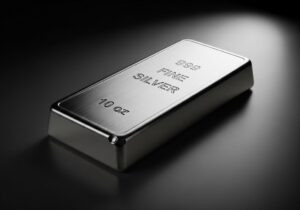
Silver has emerged as one of the most talked-about assets in early 2026, with prices surging to unprecedented levels and analysts forecasting even greater gains. After a historic 147% rally in 2025, silver entered 2026 with powerful momentum, driven by a unique convergence of industrial demand, monetary policy shifts, and geopolitical uncertainty. Investors and market watchers are now asking: How high can silver go in 2026? This report dives into the latest expert forecasts, the key factors driving silver’s ascent, and what the future may hold for this volatile yet strategically vital metal.
Silver’s Record-Breaking Rally: What Happened in 2025?
Silver prices closed 2025 at around $71–$72 per ounce, with intraday highs reaching $83.6—a level not seen in over four decades. The metal’s performance was nothing short of spectacular, outpacing gold and most other commodities. The rally was fueled by a combination of factors:
- Supply Deficits: For the fifth consecutive year, the silver market faced a supply deficit, with demand outstripping mine production and recycling. In 2025, the deficit reached 63.4 million ounces, and while it is expected to narrow to 30.5 million ounces in 2026, the structural imbalance remains a major price driver. Physical inventories in major trading hubs, including London and New York, have dwindled, creating shortages and pushing premiums higher.
- Industrial Demand Boom: Silver’s role in green technologies—particularly solar panels, electric vehicles (EVs), and electronics—has never been more critical. Solar alone now accounts for over 15% of global silver demand, and this figure is projected to rise as renewable energy capacity expands. The metal’s unmatched conductivity and antibacterial properties also make it indispensable in medical and high-tech applications.
- Monetary Policy Shifts: The U.S. Federal Reserve’s pivot to interest rate cuts in late 2025 reduced the opportunity cost of holding non-yielding assets like silver. With inflation remaining stubbornly above the Fed’s 2% target, investors turned to precious metals as a hedge, amplifying silver’s appeal.
- Geopolitical Tensions: From trade wars to Middle East conflicts, geopolitical instability has bolstered silver’s safe-haven status. China’s new export licensing rules, effective January 1, 2026, have further tightened global supply, as the country dominates silver refining and fabrication.
- Investor Frenzy: Retail and institutional investors alike have piled into silver, with ETF holdings and futures market activity hitting record highs. The gold-silver ratio, a key indicator of relative value, dropped from over 100 in early 2025 to around 68 by January 2026, signaling strong silver demand.
The result? Silver prices tripled over the past 12 months, with spot prices briefly touching $94 in mid-January 2026. This surge has left analysts divided: some see the rally as sustainable, while others warn of a potential correction if macroeconomic conditions shift.
Silver Price Forecast 2026: What Do the Experts Say?
Forecasts for silver in 2026 vary widely, reflecting the metal’s volatility and the multitude of influencing factors. Here’s a breakdown of the most credible projections:
- Bullish Scenario ($100–$200 per ounce): Analysts at GoldSilver.com and Bank of America predict silver could test $100 per ounce in 2026, with outlier targets as high as $200. These forecasts are based on continued supply tightness, accelerating industrial demand, and a weakening U.S. dollar. Technical analysis suggests a breakout from long-term resistance levels could propel prices toward triple digits, especially if the Fed delivers deeper rate cuts than expected.
- Base Case ($70–$100 per ounce): Most mainstream forecasts, including those from HSBC and the LBMA, place silver’s average price between $70 and $100. HSBC, for instance, expects an average of $68.25 but acknowledges upside risks if industrial demand surpasses expectations or if geopolitical tensions escalate.
- Bearish Scenario ($60–$70 per ounce): A stronger U.S. dollar, a shift toward high-yield assets, or an unexpected economic downturn could drag prices back to the $60–$70 range. However, even in this scenario, silver is unlikely to retrace to pre-2025 levels, given its newfound industrial and investment demand floor.
Notably, 57% of retail investors surveyed by Kitco News expect silver to trade above $100 in 2026, reflecting widespread optimism. Institutional players are more cautious but still bullish, with consensus targets clustering around $90–$97 per ounce for the year.
Key Factors That Will Shape Silver Prices in 2026
Several critical developments will determine whether silver can sustain its upward trajectory:
- Federal Reserve Policy: Further rate cuts would bolster silver’s appeal, while a sudden hawkish shift could trigger a sell-off. Markets are currently pricing in at least two quarter-point cuts by mid-2026, but political pressure—including potential leadership changes at the Fed—could alter this outlook.
- Industrial Demand Growth: The expansion of solar and EV markets is a major wildcard. Global solar capacity is on track to exceed 1,500 GW by the end of 2026, consuming over 200 million ounces of silver annually. Any slowdown in renewable energy deployment could dampen demand, but current trends suggest robust growth.
- China’s Role: As the world’s largest silver refiner and a dominant player in green tech, China’s policies will heavily influence supply and demand. New export controls and domestic stockpiling have already created supply bottlenecks, and further restrictions could send prices soaring.
- Mining Supply Challenges: Production disruptions in key regions (e.g., Latin America, Russia) or rising costs due to energy prices and labor shortages could exacerbate the supply deficit. Conversely, higher prices may incentivize increased mining activity, though new projects take years to come online.
- Inflation and Currency Movements: Silver thrives in high-inflation, weak-dollar environments. If inflation reaccelerates or the dollar weakens further, silver could outperform other assets. However, a resurgence of dollar strength would pose a headwind.
- Speculative Activity: The futures market has seen record open interest, raising concerns about excessive speculation. A sharp correction could occur if leveraged positions unwind, but physical demand from industrial users and long-term investors may provide a cushion.
Another factor to watch is the gold-silver ratio. Historically, when the ratio falls below 70, silver tends to outperform gold. With the ratio currently around 68, many analysts see room for silver to continue its catch-up rally relative to gold.
Silver vs. Gold: Which Metal Has More Upside in 2026?
While gold has also rallied—hitting all-time highs above $4,500 in early 2026—silver’s smaller market size and higher volatility make it a favorite among traders seeking outsized gains. Here’s how the two metals compare:
- Affordability: Silver’s lower price point allows retail investors to accumulate larger positions, fueling demand during bull markets.
- Industrial Leveraging: Unlike gold, which is primarily a monetary metal, silver benefits from both investment and industrial demand. This dual driver makes it uniquely positioned for sustained growth.
- Volatility: Silver’s price swings are typically 2–3 times larger than gold’s, offering greater profit potential (and risk). In 2025, silver’s 147% gain dwarfed gold’s 65% rise, and many expect this trend to continue.
- Safe-Haven Appeal: Both metals benefit from economic uncertainty, but silver’s industrial ties give it an additional layer of support, particularly in a green energy-driven economy.
Experts like Daniel Casali of Evelyn Partners argue that silver is “the outperformer” in 2026, citing its undervaluation relative to gold and its critical role in future-facing industries. However, gold remains the primary hedge for institutional investors, which could limit silver’s relative gains in a risk-off environment.
Risks and Challenges Ahead
Despite the bullish outlook, silver investors face several risks:
- Market Corrections: After such a steep rally, a pullback is inevitable. Some analysts recommend buying on dips rather than chasing prices at all-time highs.
- Regulatory Risks: Governments may impose windfall taxes on miners or restrict exports to stabilize domestic supply, as seen with China’s recent policies.
- Technological Substitution: Efforts to reduce silver usage in solar panels (e.g., through thinner coatings or alternative materials) could curb long-term demand growth.
- Liquidity Crunches: The physical silver market is relatively small, making it vulnerable to squeezes and manipulation. The CME’s margin hikes in late 2025 caused short-term volatility, and similar moves could recurrence.
For these reasons, diversification and a long-term perspective are key. While silver’s upside potential is substantial, its volatility demands caution, especially for short-term traders.
How to Invest in Silver in 2026: Strategies for Different Risk Profiles
Whether you’re a conservative investor or a speculative trader, there are multiple ways to gain exposure to silver:
- Physical Silver: Bars, coins, and jewelry offer direct ownership but come with storage and insurance costs. Premiums over spot prices have risen due to shortages, so shop around for the best deals.
- Silver ETFs: Funds like
SLVandSIVRprovide liquid, low-cost exposure without the hassle of physical storage. However, these funds may not fully track spot prices during extreme volatility. - Mining Stocks: Silver miners (e.g.,
WPM,HL) offer leveraged upside but are subject to company-specific risks. Junior miners carry higher risk but greater reward potential. - Futures and Options: For experienced traders, silver futures and options allow for leveraged bets on price movements. Be aware of margin requirements and the potential for significant losses.
- Streaming and Royalty Companies: Firms like Wheaton Precious Metals provide exposure to silver production without the operational risks of mining.
For most investors, a mix of physical silver and ETFs is the safest approach. Allocating 5–10% of a portfolio to precious metals is a common strategy, with a tilt toward silver for those bullish on industrial demand.
Pro Tips for Silver Investors in 2026
- Dollar-Cost Averaging: Given silver’s volatility, spreading purchases over time can reduce the impact of price swings.
- Watch the Gold-Silver Ratio: A ratio above 80 may signal that silver is undervalued relative to gold, while a ratio below 60 could indicate overvaluation.
- Monitor Industrial Trends: Keep an eye on solar installation rates, EV sales, and electronics manufacturing data, as these sectors drive half of silver demand.
- Stay Informed on Fed Policy: Interest rate decisions and inflation reports are critical. Use tools like the CME FedWatch Tool to track rate cut probabilities.
- Consider Storage Solutions: For physical silver, allocated storage (where the metal is segregated and insured) is safer than unallocated accounts, which carry counterparty risk.
- Beware of Scams: The silver market has seen a rise in fraudulent schemes, from fake bars to unregulated dealers. Stick to reputable sources like the U.S. Mint or LBMA-accredited refiners.
Frequently Asked Questions About Silver in 2026
Is silver a good investment in 2026?
Yes, but with caveats. Silver’s fundamentals are strong, but its volatility makes it suitable for investors with a higher risk tolerance. A long-term horizon (3–5 years) is recommended to ride out potential downturns.
Will silver hit $100 in 2026?
It’s possible, especially if industrial demand accelerates or geopolitical tensions flare. However, $100 is not a foregone conclusion—consolidation around $80–$90 is more likely unless new catalysts emerge.
Should I buy silver or gold in 2026?
Both have merit. Gold is safer and more liquid, while silver offers higher upside potential. A balanced approach—holding both—can mitigate risk while capturing growth.
What’s the best way to store physical silver?
For small holdings, a home safe may suffice. Larger investments should be stored in a secure vault, preferably with a third-party custodian. Avoid bank safe deposit boxes, as access can be restricted during crises.
How does silver perform during recessions?
Silver tends to outperform in early recessionary phases due to its safe-haven status, but it can lag if industrial demand falters. In the 2008 financial crisis, silver initially dropped but rebounded strongly as the Fed cut rates.
Can silver prices crash in 2026?
A crash is unlikely barring a major economic or policy shift (e.g., a sudden Fed pivot to hiking rates). However, corrections of 20–30% are normal in commodity markets and should be expected.
Conclusion: Silver’s Bright—but Volatile—Future
Silver’s outlook for 2026 is undeniably bullish, supported by structural supply deficits, explosive industrial demand, and a favorable monetary backdrop. While prices could retrace in the short term, the long-term trajectory remains upward, with many analysts targeting $100 or higher. For investors, the key is to stay informed, diversify exposure, and avoid overleveraging in a market known for its wild swings.
As the world transitions to green energy and central banks maintain accommodative policies, silver’s role as both an industrial commodity and a monetary metal will only grow. Whether you’re a seasoned trader or a first-time buyer, 2026 presents a compelling opportunity—provided you approach the market with caution and a clear strategy.