

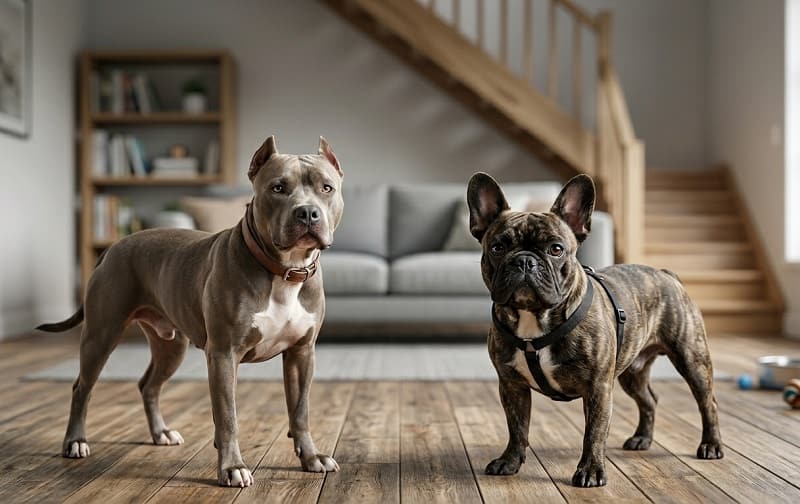
When considering dog breeds for companionship, few comparisons spark as much interest as the one between the Pit Bull and the French Bulldog. These two breeds, while sharing some distant ancestral ties through bulldog lineages, offer vastly different experiences for potential owners. The Pit Bull, often referring to the American Pit Bull Terrier, is celebrated for its strength and loyalty, making it a favorite among active individuals. In contrast, the French Bulldog charms with its compact size and endearing personality, appealing to those in urban settings or with more relaxed lifestyles.
This exploration delves into the origins, physical traits, behavioral characteristics, and practical needs of both breeds. Understanding these aspects helps in making an informed choice, whether seeking a vigorous playmate or a cuddly lap dog. Both breeds bring unique joys to households, but their requirements vary significantly, influencing everything from daily routines to long-term commitments.
Exploring breed histories reveals how environment and purpose shaped their development. The Pit Bull’s roots trace back to working roles, demanding resilience and determination. Meanwhile, the French Bulldog evolved as a beloved companion, prioritizing affection over utility.
Origins and Historical Background
The American Pit Bull Terrier emerged in the 19th century from crosses between bulldogs and terriers in England, initially used for bull-baiting and later as farm dogs in America. Immigrants brought these versatile animals to the United States, where they served in hunting, herding, and guarding. Over time, selective breeding emphasized their athleticism and friendly disposition toward humans, distancing them from their fighting past. Today, they are recognized by organizations like the United Kennel Club for their working abilities.
The French Bulldog’s story begins in the mid-1800s in England, where lace makers bred smaller versions of the English Bulldog as companions. These diminutive dogs accompanied workers to France, where they gained popularity among Parisians. Crosses with local ratters refined their features, including the distinctive bat ears. By the late 1800s, American enthusiasts imported them, and the breed was officially recognized, becoming a symbol of urban sophistication.
While both breeds stem from bulldog ancestry, their paths diverged based on societal needs. The Pit Bull adapted to rugged American frontiers, whereas the French Bulldog flourished in refined European circles. This historical divergence explains many of their modern differences, from physical build to societal perceptions.
Public views have evolved, with the Pit Bull often misunderstood due to media portrayals, while the French Bulldog enjoys widespread adoration as a trendy pet. Efforts by breed advocates highlight the positive traits of both, promoting responsible ownership and education.
Physical Appearance and Size Comparison
At first glance, the breeds’ sizes set them apart dramatically. The American Pit Bull Terrier stands 17 to 21 inches tall, with males often reaching the upper end. Weighing between 30 and 70 pounds, they possess a lean, muscular frame built for agility and endurance. Their short, smooth coat comes in various colors, from solid black to brindle patterns, requiring minimal upkeep but offering little protection against extreme weather.
The French Bulldog, by contrast, is much smaller, typically 11 to 13 inches in height and under 28 pounds. Its compact, sturdy body features a broad chest and short legs, giving it a low-to-the-ground stance. The breed’s signature bat ears and wrinkled face add to its expressive appeal, with coat colors ranging from fawn to brindle, often marked with white patches.
These size differences influence living arrangements; the smaller French Bulldog suits apartments, while the larger Pit Bull needs more space to move. Coat textures are similar—short and glossy—but the French Bulldog’s facial folds demand extra cleaning to prevent issues. Overall, the Pit Bull appears more athletic, whereas the French Bulldog exudes a cute, robust charm.
Build variations also affect mobility. The Pit Bull’s longer legs enable swift movements, ideal for activities like running. The French Bulldog’s shorter limbs limit strenuous exercise, aligning with its role as a companion rather than a working dog.
Key Physical Distinctions
- The Pit Bull’s head is broad with a strong jaw, reflecting its terrier heritage. This structure supports powerful bites, though modern breeding focuses on gentleness. In everyday life, this gives them a confident, alert expression that deters intruders without aggression.
- French Bulldogs feature a flat, brachycephalic face with prominent eyes and upright ears. This design enhances their endearing look but can lead to breathing challenges. Owners must monitor for signs of distress, especially during play.
- Coat density differs slightly; Pit Bulls have a single layer that’s easy to maintain, shedding moderately year-round. Regular brushing keeps it shiny and reduces allergens in the home. French Bulldogs shed similarly but their skin folds trap moisture, necessitating vigilant hygiene.
- Tail shapes vary: Pit Bulls often have a straight, tapered tail that wags enthusiastically, signaling their sociable nature. French Bulldogs typically sport a short, screw-like tail, adding to their quirky appearance but sometimes prone to skin irritations.
- Eye colors and shapes contribute to expressiveness. Pit Bulls usually have almond-shaped eyes in shades like brown or hazel, conveying intelligence. French Bulldogs’ round, dark eyes give them a perpetually curious gaze, fostering strong emotional bonds with owners.
- Muscle tone is pronounced in both, but Pit Bulls exhibit more defined athleticism suitable for sports. This build requires balanced nutrition to maintain without excess weight. French Bulldogs’ musculature is compact, supporting their playful bursts but not sustained activity.
- Paw structures adapt to their sizes; Pit Bulls have larger, rounded paws for stability during runs. French Bulldogs’ smaller paws suit indoor environments, though nail trimming is crucial to prevent overgrowth and discomfort.
- Color variations abound in both breeds, with Pit Bulls offering more patterns like merle in some lines. French Bulldogs stick to solid or pied coats, influencing breeder selections based on standards.
Temperament and Behavioral Traits
Temperament forms the core of any breed’s appeal, and here the differences shine. American Pit Bull Terriers are renowned for their loyalty and affection toward family members. They thrive on human interaction, often seeking cuddles and playtime. With proper socialization, they exhibit patience with children, earning a reputation as nurturing companions despite misconceptions.
French Bulldogs, on the other hand, are playful and adaptable, fitting seamlessly into various households. Their alert nature makes them excellent watchdogs, barking to signal visitors without excessive noise. They bond deeply with owners, sometimes displaying clownish behaviors to entertain, which endears them to families.
Energy levels diverge notably; Pit Bulls possess high stamina, requiring outlets like daily walks to prevent boredom-induced mischief. French Bulldogs have moderate energy, content with short play sessions and lounging. This makes the latter ideal for seniors or apartment dwellers.
Sociability with other animals varies. Pit Bulls can be selective, benefiting from early introductions to foster harmony. French Bulldogs generally get along well, though their stubborn streak may emerge during interactions. Consistent training addresses these traits effectively.
Health Concerns and Lifespan
Health profiles reveal vulnerabilities unique to each breed. American Pit Bull Terriers are generally robust, with a lifespan of 12 to 16 years. Common issues include hip dysplasia, where joints develop abnormally, leading to arthritis. Regular vet checks and weight management mitigate risks, ensuring active golden years.
French Bulldogs face more challenges due to their structure, living 10 to 12 years on average. Brachycephalic syndrome causes breathing difficulties, exacerbated by heat. Owners must prioritize cool environments and avoid overexertion to prevent respiratory distress.
Skin allergies affect both, but French Bulldogs’ folds increase infection risks. Pit Bulls may experience cataracts, clouding vision over time. Preventive care, including omega-rich diets, supports skin and eye health across breeds.
Obesity poses threats, shortening lifespans and straining joints. Portion control and exercise routines are vital. Genetic testing by breeders helps reduce hereditary conditions, promoting healthier litters.
Common Health Management Strategies
Regular veterinary visits catch issues early, with vaccinations and parasite prevention standard. For Pit Bulls, joint supplements like glucosamine aid mobility as they age. French Bulldogs benefit from specialized diets addressing digestive sensitivities.
Monitoring weight through monthly weigh-ins prevents gradual gains. Adjusted feeding based on activity levels keeps both breeds fit. Dental hygiene, via brushing or chews, wards off periodontal disease common in smaller mouths.
Care Requirements and Grooming
Grooming for both breeds is straightforward due to short coats. Pit Bulls need weekly brushing to remove loose fur and distribute oils. Baths every few months suffice, unless they roll in mud during outdoor adventures.
French Bulldogs require more attention to facial wrinkles, cleaned daily to avoid infections. Their ears, being upright, accumulate debris, necessitating gentle wiping. Nail trims every few weeks prevent overgrowth and related discomfort.
Nutrition plays a pivotal role; high-quality kibble tailored to size and age supports overall wellness. Pit Bulls may need calorie-dense formulas for their activity, while French Bulldogs benefit from portions preventing weight gain.
Dental care involves regular brushing with canine toothpaste. Toys that promote chewing help maintain oral health naturally. Both breeds appreciate routine, making care sessions bonding opportunities.
Exercise and Training Needs
Exercise demands reflect their energies. Pit Bulls thrive on 45 to 60 minutes daily, including walks, runs, or agility games. Mental stimulation through puzzles prevents destructive behaviors, channeling their intelligence positively.
French Bulldogs prefer shorter sessions, around 15 to 30 minutes, focusing on gentle play. Overdoing it risks overheating, so indoor activities like fetch suit them best. Training both involves positive reinforcement, rewarding good behavior with treats.
Pit Bulls’ eagerness to please makes them responsive learners, excelling in obedience. French Bulldogs’ stubbornness requires patience, but consistency yields results. Early socialization for both ensures well-rounded adults.
Advanced training, like scent work for Pit Bulls or trick teaching for French Bulldogs, enriches their lives. Professional classes strengthen owner-dog bonds while addressing breed-specific challenges.
Pros and Cons of Owning a Pit Bull
- Pros: Exceptional loyalty fosters deep family bonds. Their affectionate nature makes them ideal cuddlers, always ready for interaction. High intelligence allows for advanced training, turning them into versatile companions.
- With proper exercise, they remain calm indoors, adapting to various living spaces. Their protective instincts provide security without undue aggression. Low grooming needs free up time for play and bonding.
- Cons: Potential for dog selectivity requires careful introductions. Misconceptions may lead to breed-specific legislation challenges. High energy demands consistent activity to prevent boredom.
- Prone to separation anxiety if left alone too long. Strong will needs firm, positive training from puppyhood. Some insurance restrictions based on breed perceptions.
Pros and Cons of Owning a French Bulldog
- Pros: Compact size fits small homes perfectly. Playful demeanor brings joy to daily life. Adaptable to routines, suiting busy owners.
- Minimal exercise needs align with relaxed lifestyles. Affectionate and sociable with all family members. Quiet nature minimizes noise complaints in apartments.
- Cons: Breathing issues demand climate control. High heat sensitivity limits outdoor time. Stubborn traits challenge novice trainers.
- Skin and ear care requires diligence to avoid infections. Cannot swim, necessitating supervision near water. Prone to obesity without monitored diet.
Current Market Prices and Availability
Pit Bull puppies from reputable breeders typically range from 500 to 1500 dollars, depending on lineage and location. Adoption from shelters often costs less, around 100 to 300 dollars, including initial vet care. Demand varies, with responsible sources emphasizing health screenings.
French Bulldogs command higher prices, 2000 to 5000 dollars or more, due to breeding complexities like C-sections. Popularity drives costs up, with waitlists common. Rescues offer affordable options, promoting ethical acquisition over impulse buys.
Factors like color and pedigree influence pricing. Always verify breeder credentials to ensure ethical practices. Adoption supports overpopulation solutions while providing loving homes.
Pro Tips for Potential Owners
Research local laws regarding Pit Bulls to avoid surprises. Invest in sturdy toys for their chewing strength. Prioritize socialization classes early for balanced behavior.
For French Bulldogs, choose breathable harnesses over collars to ease airway pressure. Use cooling mats during summer to maintain comfort. Incorporate puzzle feeders to engage their minds without overexertion.
Both breeds benefit from routine vet visits; establish a relationship with a knowledgeable professional. Monitor diets closely, adjusting for life stages. Consider pet insurance to cover potential health costs.
Engage in community groups for breed-specific advice. Volunteer at shelters to gain hands-on experience before committing. Patience and love are key to unlocking their full potential as companions.
Frequently Asked Questions
Which breed is better for families with children?
Both can be excellent, but supervision is essential. Pit Bulls often show patience, while French Bulldogs’ smaller size reduces accidental knocks.
Do these breeds get along with other pets?
With introductions, yes. Pit Bulls may need more guidance, whereas French Bulldogs tend to be more accepting.
How much exercise do they really need?
Pit Bulls require daily vigorous activity; French Bulldogs suffice with short walks and play.
Are there breed-specific bans to consider?
Some areas restrict Pit Bulls; check regulations. French Bulldogs face fewer issues.
What about shedding and allergies?
Both shed moderately; regular grooming helps. Neither is hypoallergenic, but short coats minimize dander spread.
How do costs compare long-term?
French Bulldogs may incur higher vet bills due to health predispositions; Pit Bulls are generally more economical.
Can they live in apartments?
Yes, especially French Bulldogs. Pit Bulls adapt if exercised sufficiently.
Conclusion
In summarizing the distinctions between the Pit Bull and French Bulldog, it’s clear each offers unique advantages tailored to different lifestyles. The Pit Bull’s energetic loyalty suits active households, while the French Bulldog’s adaptable charm fits quieter environments. Health considerations, from respiratory issues to joint concerns, underscore the importance of proactive care. Ultimately, choosing between them hinges on matching breed traits with personal circumstances, ensuring a harmonious and fulfilling companionship for years to come.
