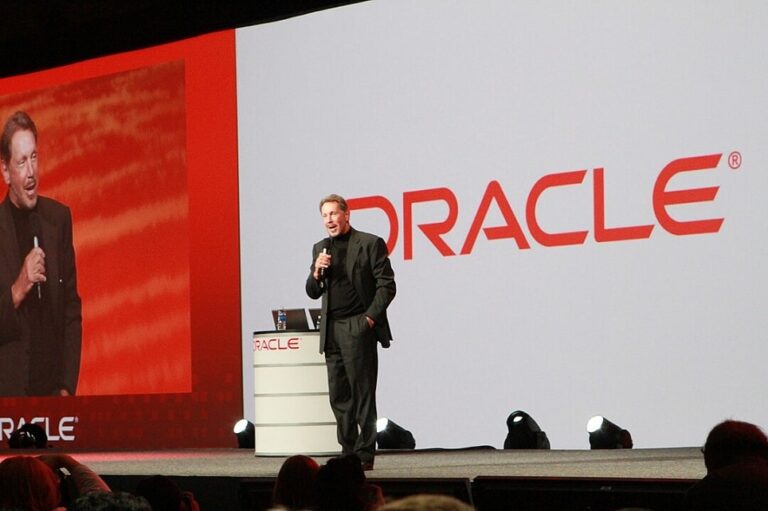
The media landscape is witnessing one of its most consequential takeover battles in decades as Oracle co-founder Larry Ellison leverages his immense financial power to influence the fate of Warner Bros. Discovery. This corporate drama has elevated global scrutiny of how billionaire backing and media consolidation intersect amidst rival bids by Paramount Skydance and Netflix. At the heart of the current media acquisition saga is Ellison’s decision to personally guarantee a massive portion of Paramount’s bid, underscoring the outsized role individual fortunes can play in shaping the future of major entertainment empires. This report examines how Ellison’s financial commitment affects the dynamics of the deal, what it means for Hollywood’s structure, and the broader implications for competition, regulation, and shareholder value.
The Context of the Warner Bros. Discovery Takeover Bid
In December 2025, Paramount Skydance launched an aggressive all-cash offer to acquire Warner Bros. Discovery for approximately $108.4 billion. The bid, valued at $30 per share, was designed to unseat a rival proposal from Netflix that was previously endorsed by Warner Bros. Discovery’s board. The Paramount offer represented a significant premium on Warner’s stock and included ownership of the company’s studios, cable networks, and streaming platforms. Paramount framed its bid as offering greater value and strategic cohesion for shareholders, while Netflix’s proposal focused primarily on studio and streaming assets.
Despite Paramount’s aggressive pricing and comprehensive approach, Warner’s board initially rejected the takeover attempt, citing concerns over financing certainty and the perceived strength of Netflix’s binding offer. In response, Paramount amended its bid, bringing Larry Ellison’s personal financial guarantee to center stage as a means to address these concerns and bolster confidence in its ability to close the deal. The resulting standoff has highlighted the intersection of individual wealth, corporate strategy, and regulatory scrutiny in modern media consolidation efforts.
Larry Ellison’s Financial Guarantee: What It Entails
Larry Ellison agreed to personally guarantee $40.4 billion of the equity financing supporting Paramount’s hostile bid for Warner Bros. Discovery. This commitment represents a substantial portion of the equity backing for the transaction, aiming to reassure shareholders and the target company’s board that Paramount’s offer is financially secure. The size of the guarantee reflects Ellison’s extraordinary personal wealth and willingness to use it as leverage in strategic corporate transactions.
Warner Bros. Discovery’s board had previously expressed reservations about Paramount’s financing, noting that the earlier version of the bid relied on an equity backstop from the Ellison family trust. Because that trust is revocable and its assets can theoretically be removed or altered, the board deemed the financing less certain when compared to Netflix’s offer, which was supported by robust debt commitments and did not depend on equity financing. Ellison’s personal guarantee was designed to counter that narrative by placing his own financial reputation and resources directly on the line, thereby addressing concerns over credibility and solvency.
Financial markets reacted positively to Ellison’s guarantee, with shares of Paramount Skydance and Warner Bros. Discovery both showing modest gains in trading following the announcement. Investors interpreted the move as reinforcing Paramount’s commitment to the bid and alleviating fears that financing uncertainties might derail the deal. This shift also intensified pressure on Warner’s board to reassess its position, keeping shareholders and analysts engaged in what continues to be a rapidly unfolding corporate battle.
Strategic Motivations Behind Ellison’s Involvement
By personally committing to part of the financing, Larry Ellison has effectively strengthened Paramount’s leverage in the takeover contest. This move has strategic importance not only in terms of pure financial assurance but also in signaling long-term intent and commitment. Ellison’s involvement sends a clear message to shareholders that Paramount’s offer is more than a short-lived bid; it represents a long-term vision for the future of the combined media assets. It also deepens the alignment between Paramount’s executive leadership — led by David Ellison, Larry’s son — and the capital backing of the bid.
If Paramount succeeds, the combined entity would control a substantial portfolio of entertainment and media properties, including historic studios, cable channels, and streaming platforms. Such consolidation could reshape competitive dynamics in Hollywood, potentially challenging Netflix’s dominance in streaming and affecting how content is produced, distributed, and monetized. Ellison’s role as a guarantor adds weight to this vision, suggesting that influential billionaires may increasingly shape the strategic direction of legacy media through personal funding commitments.
A deal of this scale will invariably attract scrutiny from antitrust regulators in the U.S. and Europe. Critics argue that merging two entertainment giants could reduce competition, concentrate market power, and limit choices for consumers. Regulators will likely examine not only the competitive impacts but also the financing structure, given Ellison’s personal involvement. Such scrutiny could affect the timeline and conditions under which any deal might proceed, adding another layer of complexity to an already high-stakes corporate contest.
The Board’s Response and Continued Opposition
Warner Bros. Discovery’s Board Stance
Despite Paramount’s amended proposal and Ellison’s guarantee, Warner Bros. Discovery’s board has reiterated its preference for the Netflix deal, which it views as superior in terms of certainty and structure. The board’s communications to shareholders emphasized that the Netflix offer lacks financing contingencies and therefore presents fewer risks associated with execution. Warner’s board has described Paramount’s bid as “illusory” or insufficiently secure without deeper assurances beyond equity backstops, expressing skepticism that a personal guarantee alone resolves all financing concerns.
Shareholder Perspectives and Market Sentiment
Shareholders are crucial stakeholders in this battle. Many are weighing the immediate cash premium offered by Paramount against the perceived solidity and broader industry positioning represented by Netflix’s proposal. Some investors see value in Ellison’s guarantee as reinforcing Paramount’s seriousness, while others remain cautious, preferring the predictable path of the Netflix deal. This divergence in sentiment underscores the complexity of the takeover contest and its implications for shareholder value.
Ongoing Negotiations and Deal Dynamics
As the tender offer deadline approaches, both sides continue to refine their narratives and influence shareholder opinion. Paramount has extended its offer timeline and matched Netflix’s regulatory termination fee, adding further inducements to attract support. The battle for Warner’s future ownership remains fluid, with potential shifts in strategy, additional financing tweaks, and regulatory developments likely to shape the outcome in the weeks ahead.
Industry and Market Implications
Should Paramount prevail, the merged media conglomerate would represent a formidable force, combining legacy studios, streaming services, news networks, and cable properties under one corporate umbrella. This could alter competitive dynamics with Netflix, Disney, Comcast-NBCUniversal, and other media giants. The expanded scale might lead to efficiencies in content production and distribution, but also raise concerns over diminished competition and creative diversity. Industry observers will be watching closely to assess how such consolidation influences investment in original content, talent negotiations, and consumer pricing.
From an investor standpoint, the resolution of this takeover battle carries significant implications. A successful Paramount bid backed by Ellison could unlock long-term synergies and enhanced revenue streams from a broader portfolio. Conversely, continued uncertainty or a potential regulatory deadlock could suppress shareholder confidence and volatility in media stock valuations. Netflix’s position as a streamer-centric contender also means that whichever bid succeeds will signal strategic direction for the industry’s future focus — integrated media platforms or streaming dominance.
Larry Ellison’s personal guarantee highlights the influence of billionaire backers in shaping major corporate transactions. His involvement raises questions about how concentrated private wealth can affect market outcomes, regulatory oversight, and strategic decision-making. This case may set precedents for future deals where private capital and individual pledges play pivotal roles in closing transformative mergers and acquisitions.
The high-stakes takeover battle for Warner Bros. Discovery illustrates the evolving intersection of personal wealth, corporate strategy, and media consolidation. Larry Ellison’s decision to personally guarantee a substantial portion of Paramount’s offer underscores the gravitational pull that billionaire financing can exert on headline-making deals. While Warner’s board continues to express reservations and favor a rival bid, Ellison’s financial backing has reshaped the narrative and intensified shareholder focus on broader strategic implications. This contest not only reflects competing visions for the future of Hollywood but also highlights how individual financiers can influence outcomes on a global corporate stage. As the battle for control unfolds, its outcome will reverberate through media markets, regulatory arenas, and investor portfolios, offering insight into the future role of financial power in shaping the entertainment economy.