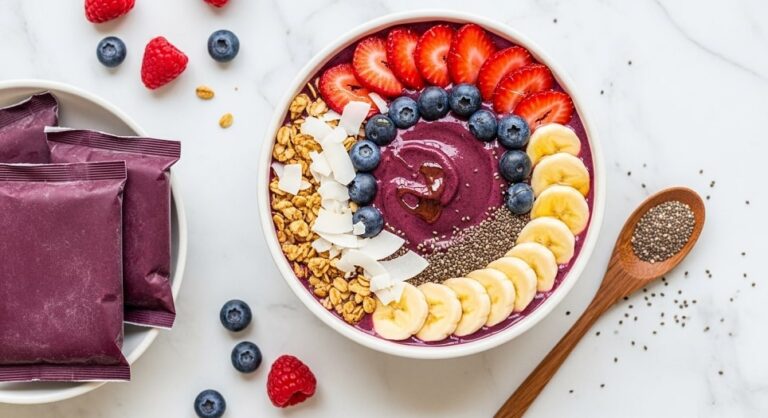
The Rise of Frozen Acai Products in Grocery Stores
The frozen acai market has experienced tremendous growth as health-conscious consumers increasingly seek convenient ways to incorporate superfoods into their daily routines. What was once an exotic Brazilian berry available only at specialized smoothie shops has become a mainstream grocery staple, with major retailers dedicating freezer space to various acai products. The acai bowl industry generates nearly one billion dollars in annual revenue, demonstrating substantial consumer demand for these antioxidant-rich purple berries that grow wild in the Amazon rainforest.
Frozen acai offers distinct advantages over fresh berries, which remain largely unavailable outside their native growing regions due to their highly perishable nature. The freezing process preserves the nutritional integrity of acai berries immediately after harvest, locking in antioxidants, omega fatty acids, and essential vitamins that make acai a nutritional powerhouse. For consumers, frozen acai provides year-round access to this superfood without the premium pricing typically associated with fresh exotic fruits.
The convenience factor cannot be overstated when considering frozen acai’s popularity. Preparing acai bowls at smoothie shops can cost anywhere from eight to fifteen dollars per serving, whereas purchasing frozen acai packets allows consumers to create similar bowls at home for a fraction of the price. With proper storage and simple preparation techniques, frozen acai transforms from freezer to breakfast bowl in minutes, making nutritious meals accessible even during busy mornings.
Understanding Frozen Acai Product Types
Navigating the frozen acai section reveals several distinct product categories, each designed for specific uses and preferences. Understanding these differences helps consumers select products that align with their culinary goals, whether creating thick smoothie bowls, blending fruit smoothies, or enjoying ready-to-eat options straight from the package.
Frozen Acai Puree Packets
Frozen acai puree packets represent the most popular and versatile frozen acai format available in grocery stores. These individually portioned packs typically contain three and a half to four ounces of pure frozen acai puree, often blended with small amounts of filtered water and natural emulsifiers to maintain consistency. The packets serve as building blocks for homemade smoothie bowls and smoothies, offering maximum flexibility for customization with fruits, liquids, and toppings of your choice.
Puree packets come in two primary varieties that cater to different taste preferences and dietary needs. Unsweetened versions contain only pure acai with no added sugars, delivering an authentic Brazilian acai experience with a slightly tart, earthy flavor reminiscent of dark berries with subtle chocolate notes. These unsweetened options typically contain around 70 to 80 calories per packet with zero grams of added sugar, making them ideal for those monitoring sugar intake or preferring complete control over sweetness levels in finished dishes.
Sweetened or original blend packets incorporate natural sweeteners like guarana or cane sugar to create a more approachable flavor profile for consumers unfamiliar with acai’s naturally tart taste. These versions typically contain 100 to 120 calories per packet with added sugars ranging from 10 to 15 grams. While the sweetness makes them more palatable straight from the blender, it reduces flexibility in customizing final dishes and increases overall sugar content, which may concern health-focused consumers.
Pre-Made Frozen Acai Bowls
Ready-to-eat frozen acai bowls represent the ultimate convenience option, combining acai base with pre-selected toppings in single-serve packaging that requires only thawing before consumption. These products typically include acai puree as the foundation, topped with combinations of granola, dried fruits, coconut flakes, and sometimes nut butters or seeds. The appeal lies in their grab-and-go simplicity, requiring no blending equipment or ingredient gathering.
Pre-made bowls vary significantly in quality, ingredient selection, and nutritional profiles across brands. Premium options feature organic acai, whole grain granola with minimal added sugars, and freeze-dried or frozen fruit toppings that maintain nutritional value. Budget-friendly versions might use acai blends diluted with other fruits, granola high in added sugars, and fewer premium toppings, resulting in products that taste pleasant but deliver less nutritional density compared to making bowls from scratch with quality puree packets.
The convenience comes with trade-offs beyond just price differences. Pre-made bowls offer limited customization opportunities, meaning consumers must accept predetermined topping combinations regardless of personal preferences or dietary restrictions. Additionally, the granola and toppings may become soggy during freezing and thawing processes, affecting texture quality compared to freshly assembled bowls with crunchy toppings added immediately before eating.
Acai Sorbet and Blender Cubes
Scoopable acai sorbet and smaller blender cubes provide alternative formats that serve different preparation needs. Sorbet-style products feature smoother, creamier textures similar to Italian ice or sherbet, often with slightly sweeter profiles that make them enjoyable as standalone frozen desserts beyond their smoothie bowl applications. The softer consistency requires less blending time and power, making these products accessible for consumers with less powerful blenders or those seeking quick preparation.
Blender cubes offer portion flexibility through smaller frozen chunks that can be added individually to smoothies or bowls based on desired thickness and serving size. A typical package might contain numerous one-ounce cubes that can be combined as needed rather than committing to full three and a half ounce packets. This format proves particularly useful for consumers who prefer thinner smoothie consistency or want to boost antioxidant content in existing smoothie recipes without dramatically altering texture.
Top Frozen Acai Brands Available at Grocery Stores
Several established brands dominate the frozen acai market, each offering distinct product lines with varying quality levels, price points, and availability across different retail chains. Understanding brand differences helps consumers make informed purchasing decisions based on priorities like organic certification, ethical sourcing, flavor profiles, and budget considerations.
Sambazon Frozen Acai Products
Sambazon stands as arguably the most recognizable name in the acai industry, having pioneered bringing Brazilian acai to North American markets over two decades ago. The company offers extensive product lines including unsweetened puree packets, original blend packets with guarana, ready-to-eat bowls, and acai juices. Sambazon emphasizes ethical sourcing through Fair Trade certification and organic farming practices, supporting Amazonian communities involved in acai harvesting while maintaining environmental sustainability standards.
The brand’s unsweetened superfruit packs deliver authentic acai flavor appreciated by purists who want complete control over their bowl’s sweetness level. Each packet contains 80 calories with zero added sugars, providing pure acai’s natural earthy-berry flavor with those characteristic subtle chocolate undertones. The texture blends smoothly, though some reviewers note it produces slightly runnier smoothie bowl consistency compared to competitors, requiring careful attention to liquid ratios during preparation to achieve desired thickness.
Sambazon’s original blend with guarana offers a sweeter, more approachable option containing natural caffeine from guarana berries alongside the acai. This version appeals to consumers seeking energy boosts with their breakfast bowls or those who find unsweetened acai’s tartness too intense. The guarana addition provides approximately 35 milligrams of natural caffeine per serving, comparable to half a cup of coffee, making these packets popular among morning smoothie bowl enthusiasts replacing their usual coffee routine.
Availability represents one of Sambazon’s strongest advantages, with distribution across major chains including Whole Foods, Costco, Kroger, Safeway, Publix, Albertsons, and Target. Pricing typically ranges from six to eight dollars for four-pack boxes of puree packets, positioning Sambazon in the mid-to-premium price tier. The ready-to-eat bowls cost more per serving, usually between four and six dollars for single six-ounce bowls, though they provide ultimate convenience for consumers prioritizing ease over economy.
Trader Joe’s Organic Acai Puree
Trader Joe’s store-brand frozen acai packets have earned cult following status among budget-conscious smoothie bowl enthusiasts seeking quality without premium pricing. The four-pack boxes typically retail for just four dollars, making them the most economical option among mainstream organic acai products. Despite the lower price point, these packets contain certified organic acai puree with no added sugars, delivering 80 calories per three and a half ounce serving comparable to more expensive competitors.
Multiple taste tests and consumer reviews consistently rank Trader Joe’s acai among the best-tasting options available, with many preferring its bright, fresh flavor profile over pricier alternatives. The puree achieves notably thick consistency when blended properly, creating smoothie bowls with excellent structural integrity that hold toppings beautifully and maintain photogenic appearance longer than thinner preparations. This thickness makes Trader Joe’s particularly well-suited for creating those Instagram-worthy bowls with elaborate topping arrangements that have become acai bowl signature aesthetic.
The primary challenge with Trader Joe’s acai involves availability issues stemming from production delays and supply chain constraints. The product experiences periodic stockouts lasting weeks or months, frustrating loyal customers who discover empty freezer sections when attempting to restock their favorite acai. Some locations never carry the product at all, making it inaccessible for consumers without nearby Trader Joe’s stores. These availability limitations prevent Trader Joe’s from serving as reliable sole acai source despite its superior price-to-quality ratio.
Pitaya Foods Frozen Acai
Pitaya Foods differentiates itself through creative product innovations beyond standard acai offerings, including their signature Swirl bowls that combine multiple superfruit purees in visually striking presentations. The brand offers Grade A Premium acai packets containing 14 percent pure acai solids, exceeding many competitors’ acai concentration levels. This higher purity translates to more intense acai flavor and deeper purple color that makes finished bowls visually appealing.
The company’s standard organic premium acai berry packs provide sugar-free puree similar to other unsweetened options, with 88 calories per serving and zero added sugars. Pitaya Foods products typically cost slightly more than mid-range options, with four-packs often priced around seven to eight dollars at mainstream retailers, though some discount chains like Walmart offer them for five to six dollars. The brand prioritizes sustainability and ethical sourcing, using organic berries harvested through partnerships supporting Amazonian communities.
Pitaya Foods’ most innovative offering, the Swirl frozen acai bowl, combines acai with strawberry puree and mix-ins including dragon fruit and chocolate to create multi-colored, highly flavorful ready-to-eat bowls. These bowls sacrifice some health-food purity for exceptional taste and visual appeal, positioning themselves more as treats than strictly nutritious breakfast options. The smooth blending and creative flavor combinations have earned this product top rankings in taste tests, though at premium pricing reflecting the added ingredients and preparation complexity.
Dole Frozen Acai Bowls
Dole leverages its massive frozen fruit distribution network to offer acai bowls widely available even in standard supermarkets without extensive health food sections. The company’s ready-to-eat acai bowls include honey oat granola and frozen strawberries and blueberries, providing complete meal solutions that require only 35 minutes of room temperature thawing before consumption. The granola features coconut slices that add textural interest and tropical flavor notes distinguishing it from plainer granola included in some competing products.
While Dole excels in convenience and accessibility, the acai base itself receives mixed reviews from purists seeking authentic intense acai flavor. The puree lacks the depth and complexity found in premium brands, missing those sought-after dark chocolate undertones that characterize high-quality acai. The texture achieves nice creaminess, making the bowls pleasant to eat, but flavor enthusiasts often find them underwhelming compared to products focused specifically on acai quality rather than general frozen fruit distribution.
Dole’s pricing positions these bowls competitively in the three to five dollar range per serving, making them accessible options for consumers new to acai bowls or those prioritizing convenience over gourmet flavor experiences. The brand offers other smoothie bowl varieties including mango and mixed berry, allowing customers to explore different superfruit options within the same product line. For emergency breakfast situations or introducing children to smoothie bowls, Dole provides acceptable quality that satisfies without exciting acai aficionados.
Amafruits Organic Acai
Amafruits positions itself as a premium supplier bringing traditional, sustainable Brazilian acai to American consumers while supporting Amazonian communities and environmental conservation. The company offers Pure and Unsweetened acai packets made exclusively from USDA organic acai harvested wild from rainforest palms. Their commitment to purity means absolutely no thickeners, fillers, mixers, or added sugars appear in their products, delivering authentic Brazilian acai experiences.
The brand’s 14-ounce packages contain four individually wrapped serving packs designed for convenient single-use portions. Amafruits emphasizes ethical sourcing through direct partnerships with rural harvesters who gather organic berries, then rushing them to processing facilities where immediate extraction preserves maximum nutritional value, flavor, texture, and color. This attention to speed and quality throughout the supply chain results in superior products compared to berries spending extended time in transit before processing.
Amafruits products typically appear in specialty health food stores, select supermarket chains, and online retailers rather than mainstream grocery stores, limiting accessibility for average consumers. Pricing reflects the premium positioning and ethical sourcing commitments, generally costing more per ounce than mass-market brands. For consumers prioritizing sustainability, community support, and absolutely pure ingredients, Amafruits justifies higher costs through demonstrated commitment to quality and values beyond simple product delivery.
How to Choose the Best Frozen Acai for Your Needs
Selecting optimal frozen acai products requires balancing multiple factors including nutritional goals, budget constraints, flavor preferences, and intended uses. Understanding what matters most for your specific situation guides purchasing decisions that maximize satisfaction while avoiding products poorly suited to your priorities.
Evaluating Nutritional Content and Ingredient Quality
Reading nutrition labels and ingredient lists provides crucial information for assessing frozen acai product quality. Pure unsweetened acai packets should list minimal ingredients, ideally just organic acai puree, filtered water, and perhaps natural emulsifiers like sunflower lecithin. Products with lengthy ingredient lists containing multiple sweeteners, artificial flavors, or unfamiliar additives may offer pleasant taste but compromise nutritional purity that makes acai valuable as a superfood.
Pay attention to calorie counts and sugar content when comparing options. Unsweetened pure acai typically contains 70 to 90 calories per serving with zero or minimal natural sugars from the fruit itself. Products with 120 or more calories likely contain added sweeteners, whether natural cane sugar, agave, or fruit juice concentrates. While these additions improve palatability, they reduce the product’s utility for those managing sugar intake or following specific dietary protocols like ketogenic or low-glycemic eating plans.
Organic certification indicates berries were grown without synthetic pesticides or fertilizers, important considerations given acai’s role in daily smoothie routines where even small toxin exposures compound over time. Fair Trade or ethical sourcing certifications demonstrate company commitments to supporting harvesting communities and environmental sustainability, factors mattering to consumers whose purchasing decisions reflect broader values beyond personal nutrition.
Considering Price and Value
Price comparisons reveal significant variation across brands and product types, with four-pack puree boxes ranging from four dollars to ten dollars depending on brand, retailer, and regional pricing differences. Calculate cost per ounce or per serving rather than just comparing package prices, as some brands offer larger or smaller serving sizes that affect true value propositions.
Budget-conscious consumers achieve best value with store brands like Trader Joe’s when available, or by purchasing larger quantities through warehouse clubs like Costco that sell Sambazon and other premium brands in bulk formats. Online ordering directly from manufacturers sometimes offers subscription discounts or multi-pack savings, though shipping costs for frozen products can negate savings unless ordering substantial quantities.
Consider the total cost of making smoothie bowls at home versus purchasing them at shops when evaluating whether frozen acai represents worthwhile investment. Even premium frozen acai costing two dollars per serving plus additional ingredients like banana, milk, and toppings totaling another dollar or two creates complete bowls for three to four dollars compared to shop prices of eight to fifteen dollars. Over time, regular smoothie bowl consumers recoup initial equipment investments through substantial per-serving savings.
Matching Products to Preparation Methods
Different frozen acai formats suit different preparation scenarios and equipment capabilities. Standard puree packets require capable blenders with sufficient power to crush frozen ingredients into smooth consistency. High-speed blenders like Vitamix, Blendtec, or quality Ninja models handle frozen acai effortlessly, while lower-powered budget blenders may struggle, producing chunky or unevenly blended results. Consumers with less powerful equipment should consider sorbet-style products or allowing packets to thaw slightly before blending.
Ready-to-eat bowls eliminate blending requirements entirely, perfect for office breakfasts, college dorms, or situations lacking kitchen equipment. These products simply thaw at room temperature or with brief microwave defrosting, making them accessible anywhere with freezer access. The convenience premium justifies higher per-serving costs when equipment limitations or time constraints make homemade bowl preparation impractical.
Blender cubes offer maximum flexibility for consumers using acai both for thick bowls and thinner smoothie drinks. The smaller portions allow precise control over consistency by varying cube quantities and liquid ratios, whereas standard packets commit to specific serving sizes that may produce more volume than desired for simple smoothie additions versus full bowl preparation.
Preparing Perfect Acai Bowls with Frozen Products
Transforming frozen acai packets into restaurant-quality smoothie bowls requires understanding proper techniques for achieving ideal texture, flavor balance, and visual presentation. Mastering these fundamentals ensures consistent results that justify choosing homemade bowls over shop-bought alternatives.
Essential Equipment and Ingredients
A high-powered blender represents the single most important equipment investment for serious smoothie bowl preparation. Models with at least 1000 watts of power and tamper tools for pushing ingredients toward blades produce smoothest results when working with frozen acai and fruits. The tamper proves particularly valuable when creating thick, scoopable consistency rather than pourable smoothies, allowing continuous blending without adding excessive liquid that thins the mixture.
Basic smoothie bowl recipes require minimal ingredients beyond frozen acai packets. One frozen banana provides natural sweetness, creamy texture, and potassium while helping achieve proper thickness. Small amounts of liquid facilitate blending without creating soupy consistency, with options including almond milk, coconut water, regular dairy milk, or even just filtered water depending on dietary preferences and desired flavor profiles. Starting with only two to three tablespoons of liquid prevents over-thinning, as more can always be added if needed.
Optional add-ins during blending boost nutritional content and customize flavor profiles. Greek yogurt increases protein and creates creamier texture, while nut butters like almond or peanut butter add healthy fats and nutty flavors. Protein powder, chia seeds, flax seeds, or hemp hearts increase nutrient density for meal replacement purposes. Sweeteners like honey, maple syrup, or dates balance acai’s natural tartness for those finding unsweetened versions too intense.
Achieving Perfect Texture and Consistency
The fundamental rule for thick, scoopable smoothie bowls involves minimizing liquid and maximizing frozen ingredients. Begin by breaking frozen acai packets into smaller chunks by massaging the sealed package or running briefly under warm water to slightly soften the exterior. Add acai, one frozen banana broken into pieces, and just two tablespoons of liquid to the blender, then blend on high speed while using the tamper to push ingredients toward the blades.
Proper technique produces thick, almost ice cream-like consistency that holds its shape in the bowl and supports substantial toppings without immediately sinking or sliding. The mixture should require spooning rather than pouring from the blender, sticking to the spoon when lifted. If the mixture becomes too thick and the blender motor strains or stops mixing, add liquid one tablespoon at a time until smooth blending resumes, but resist the temptation to add too much, which creates disappointing thin results.
Temperature management affects final texture significantly. Extremely frozen ingredients straight from the freezer produce thickest results but require more blending power. Allowing frozen components to soften for five to ten minutes at room temperature slightly before blending reduces blending difficulty while still maintaining excellent thickness. Some practitioners prefer breaking acai packets into chunks and spreading them on plates for a few minutes before blending for optimal texture without equipment strain.
Topping Selection and Arrangement
Toppings transform basic acai puree into complete nutritious meals while providing textural contrast and visual appeal that makes smoothie bowls special. Traditional toppings include fresh berries, banana slices, granola, coconut flakes, chia seeds, hemp hearts, cacao nibs, and drizzles of nut butter or honey. The key involves balancing textures between creamy base and crunchy toppings while ensuring nutritional variety across protein, healthy fats, and carbohydrates.
Arrangement matters both for aesthetics and practical eating experience. Create defined sections rather than randomly scattering toppings, using lines or clusters of similar items that maintain visual separation. Place denser items like granola along the edges where they stay crisp longest, while positioning fresh fruits centrally where they encounter the coldest part of the base. Strategic drizzling of nut butters or honey in thin lines across the surface creates professional appearance without adding excessive calories.
Consider topping quantities carefully to maintain nutritional balance. While Instagram-worthy bowls feature overflowing toppings creating impressive visual impact, they also dramatically increase calorie counts and sugar content beyond the base’s relatively modest nutrition profile. A quarter cup of granola, handful of fresh berries, tablespoon of seeds, and light nut butter drizzle provides satisfying variety without transforming a healthy breakfast into calorie-dense indulgence.
Pro Tips for Frozen Acai Success
Experienced smoothie bowl makers employ various techniques and strategies that elevate results beyond basic preparation instructions, maximizing value and satisfaction from frozen acai purchases.
- Buying in bulk saves significantly: Purchasing larger quantities when finding quality brands on sale and storing them long-term in chest freezers dramatically reduces per-serving costs. Frozen acai maintains quality for months or even years when kept consistently frozen, making bulk buying practical for regular consumers. Watch for promotional pricing at warehouse clubs or stock up when favorite brands run sales, potentially reducing costs by 30 to 50 percent compared to single-box purchases.
- Pre-portioning ingredients streamlines morning routines: Assemble individual smoothie bowl kits in freezer bags containing one acai packet, one peeled banana cut into chunks, and any other frozen fruits or add-ins you regularly use. Each morning simply dump one bag into the blender, add liquid, and blend, eliminating decision-making and ingredient gathering during rushed mornings. This meal-prep approach makes consistent healthy breakfasts realistic even during the busiest weeks.
- Experiment with flavor combinations beyond basic recipes: While classic acai banana bowls deliver reliable results, incorporating different fruits like mango, pineapple, or mixed berries creates variety preventing breakfast boredom. Try adding cocoa powder for chocolate versions, matcha powder for green tea fusion, or coffee for caffeinated breakfast bowls. Savory experiments using acai with avocado, cucumber, and herbs demonstrate acai’s versatility beyond sweet applications.
- Proper storage prevents freezer burn: Keep frozen acai in its original packaging until ready to use, and store opened packages in airtight freezer bags or containers to prevent moisture exposure causing freezer burn. Squeeze excess air from bags before sealing, and position packages in coldest freezer sections rather than door compartments experiencing temperature fluctuations from frequent opening. Well-stored acai maintains optimal flavor and texture for extended periods.
- Thawing techniques affect texture and preparation: For smoothies rather than thick bowls, allow acai packets to thaw for 10 to 15 minutes at room temperature before blending, which reduces blending time and motor strain while creating pourable consistency. For bowls, work with solidly frozen acai but break into chunks first. Never microwave acai packets to speed thawing, as uneven heating creates mushy spots and can begin cooking the puree, fundamentally changing texture and potentially damaging nutrients.
- Clean equipment immediately after use: Acai’s intense purple pigment stains plastic blender containers, cutting boards, and utensils when allowed to sit. Rinse everything immediately after use with cold water before pigments set, then wash normally. For plastic containers already stained, soaking in diluted bleach solution or placing in direct sunlight helps fade discoloration over time. Consider using glass rather than plastic containers when possible to avoid staining issues entirely.
- Balance nutrition with indulgence for sustainable habits: While smoothie bowls inherently healthier than many breakfast alternatives, they can become calorie-dense desserts disguised as health food when loaded with excessive granola, nut butters, and sweet toppings. Practice mindful topping portions and consider whether each addition serves nutritional purpose or purely indulgence. Finding sustainable balance between enjoyment and nutrition ensures smoothie bowl habits continue long-term rather than becoming another abandoned health trend.
Frequently Asked Questions
How do I know if frozen acai is still good to eat?
Properly stored frozen acai maintains quality for 12 to 18 months or even longer when kept at consistent freezing temperatures. Check for signs of freezer burn including ice crystals forming on the surface, discoloration from deep purple to grayish-brown, or dried-out appearance around edges. While freezer-burned acai remains safe to eat, flavor and texture suffer noticeably. Additionally, if acai develops off odors after thawing or shows any signs of mold growth, discard immediately despite proper freezing.
Can I refreeze acai after thawing it?
Refreezing thawed acai is technically safe from food safety perspective but significantly degrades quality. The freeze-thaw-refreeze cycle breaks down cell structures, creating mushy, watery texture and diminishing vibrant flavor. Nutritional content also declines through repeated temperature changes. If you thaw more acai than needed, use leftovers within 24 hours by incorporating into smoothies, mixing into yogurt or oatmeal, or making acai popsicles rather than refreezing. Planning portions carefully prevents waste without compromising quality through refreezing.
Why is my smoothie bowl always too runny?
Runny smoothie bowls result from using too much liquid during blending. Start with minimal liquid, just two to three tablespoons, and add more only if absolutely necessary to facilitate blending. Use the blender tamper to push ingredients toward blades rather than pouring in more liquid. Ensure all fruit components are completely frozen rather than partially thawed, as frozen ingredients create thickness while thawed ones add liquid. Finally, verify your blender has sufficient power, as underpowered machines require more liquid to process frozen ingredients, inevitably creating thinner consistency.
Is frozen acai as nutritious as fresh acai?
Frozen acai actually preserves nutrients better than most fresh fruit options because acai berries are frozen within hours of harvesting at peak ripeness. The flash-freezing process locks in antioxidants, vitamins, and beneficial compounds that would otherwise degrade during the lengthy shipping time required to transport fresh berries from Brazilian rainforests to global markets. In fact, acai powder generally contains fewer antioxidants than frozen puree due to additional processing steps. Fresh acai simply isn’t practical outside Brazil due to its highly perishable nature, making frozen the optimal format for maintaining nutritional integrity.
What’s the difference between unsweetened and sweetened acai?
Unsweetened acai contains only pure acai puree without added sugars, delivering the berry’s authentic tart, earthy flavor with subtle berry and chocolate notes. These versions typically contain 70 to 80 calories per packet with zero added sugars, ideal for those monitoring sugar intake or preferring to control sweetness through their own additions. Sweetened or original blend varieties include natural sweeteners like guarana, cane sugar, or fruit juices, creating more approachable flavor with 100 to 120 calories and 10 to 15 grams of added sugar per packet. The choice depends on personal taste preferences and dietary goals.
How many acai packets do I need for one smoothie bowl?
Most smoothie bowl recipes use one to two acai packets depending on desired portion size and other ingredients. One packet blended with one banana and minimal liquid creates a standard single-serving bowl suitable for breakfast. Using two packets produces a larger, more substantial bowl or allows splitting between two people for lighter portions. Consider your appetite, whether the bowl serves as standalone meal or accompanies other foods, and how much volume your toppings add when determining packet quantity for your needs.
Where can I buy frozen acai if my local grocery store doesn’t carry it?
Online retailers including Amazon, Thrive Market, and direct brand websites ship frozen acai nationwide using expedited shipping with dry ice to maintain frozen temperatures. Specialty health food stores and natural grocery chains like Whole Foods, Sprouts, Natural Grocers, and Fresh Thyme stock multiple acai brands even when conventional supermarkets don’t. Warehouse clubs including Costco carry Sambazon in larger quantities at competitive prices. Check product locator tools on brand websites like Sambazon, Pitaya Foods, or Amafruits to find nearby retailers carrying their specific products.
Conclusion
The frozen acai market offers diverse options catering to various preferences, budgets, and nutritional priorities, making this Amazonian superfood accessible to mainstream consumers seeking convenient healthy breakfast solutions. Understanding differences between product types, from pure unsweetened puree packets to ready-to-eat bowls with included toppings, helps shoppers select formats matching their specific needs and preparation capabilities. While all frozen acai provides antioxidant benefits and nutritious meal foundations, quality varies significantly across brands in terms of flavor intensity, texture, ethical sourcing practices, and ingredient purity.
Top-performing brands including Sambazon, Trader Joe’s, Pitaya Foods, Dole, and Amafruits each offer distinct advantages depending on shopping priorities. Trader Joe’s delivers exceptional value with organic certification at just four dollars per four-pack, though availability challenges frustrate consumers when stocks run low. Sambazon’s widespread distribution and Fair Trade commitments appeal to ethically conscious buyers willing to pay premium prices for sustainability assurance. Pitaya Foods innovates with creative flavor combinations and premium acai concentrations, while Dole provides accessible mainstream options perfect for acai newcomers.
Successfully preparing restaurant-quality smoothie bowls at home requires proper equipment, particularly high-powered blenders capable of processing frozen ingredients into smooth, thick consistency. Mastering liquid ratios represents the single most important technique, with minimal liquid producing desired scoopable texture that holds toppings beautifully. Strategic ingredient selection, thoughtful topping arrangements, and attention to nutritional balance transform simple acai puree into complete satisfying meals that justify the effort and expense compared to premade alternatives or shop-bought bowls.
Economic benefits of making smoothie bowls at home prove substantial for regular consumers, with per-serving costs ranging from three to five dollars including all ingredients compared to shop prices of eight to fifteen dollars. Over time, home preparation saves hundreds or thousands of dollars annually for families incorporating smoothie bowls into regular breakfast rotations. Initial investments in quality blenders and discovering preferred brands pay dividends through consistent access to nutritious breakfasts without the premium pricing of retail smoothie establishments.
The frozen acai category continues evolving with new brands entering the market, existing companies expanding product lines, and retailers dedicating more freezer space to meet growing consumer demand. Staying informed about new options, watching for promotional pricing, and experimenting with different brands and preparation techniques helps consumers maximize satisfaction and value from these purple superfruit products. Whether prioritizing organic certification, budget constraints, convenience, or authentic Brazilian flavor profiles, frozen acai options exist meeting virtually any shopper’s specific requirements while delivering the nutritional benefits and delicious taste that have made acai bowls one of the most popular health food trends of recent years.

Full-stack developer at Scylla Technologies (USA), working remotely from Bangladesh. Adobe Certified Magento Developer.