Carpal tunnel syndrome has become one of the most prevalent nerve-related conditions affecting millions of adults worldwide, with medical research indicating that approximately three to six percent of the general adult population experiences this debilitating condition. The syndrome occurs when the median nerve, which travels from the forearm through a narrow passageway in the wrist called the carpal tunnel, becomes compressed or squeezed. This compression leads to a range of uncomfortable symptoms that can significantly impact daily activities, work performance, and overall quality of life.
The carpal tunnel itself is a narrow, rigid passageway located on the palm side of the wrist. It is formed by the carpal bones at the bottom and sides, with the transverse carpal ligament forming the roof of this tunnel. Through this confined space, the median nerve and nine flexor tendons must pass. The median nerve is responsible for providing sensation to the thumb, index finger, middle finger, and the thumb-side half of the ring finger. It also controls some of the small muscles at the base of the thumb that allow for fine motor movements and grip strength.
Understanding carpal tunnel syndrome is crucial for early detection and treatment. When left untreated, this condition can lead to permanent nerve damage, resulting in chronic pain, loss of hand function, and significant disability. The economic impact of carpal tunnel syndrome is substantial, with healthcare costs and lost workdays affecting both individuals and employers. Recognizing the early warning signs and seeking appropriate medical attention can prevent long-term complications and preserve hand function.
Recognizing the Symptoms of Carpal Tunnel Syndrome
The symptoms of carpal tunnel syndrome typically develop gradually and can vary in intensity from person to person. One of the most characteristic early signs is numbness or a tingling sensation, often described as pins and needles, affecting the thumb, index finger, middle finger, and the radial half of the ring finger. Notably, the pinky finger remains unaffected because the median nerve does not supply sensation to this digit. This distinctive pattern of numbness helps distinguish carpal tunnel syndrome from other nerve conditions.
Many individuals first notice their symptoms at night, often waking up with intense numbness, tingling, or pain in their hands and wrists. This nocturnal worsening occurs because people tend to sleep with their wrists in flexed positions, which increases pressure on the median nerve within the carpal tunnel. The need to shake out the hands or hang them over the side of the bed to relieve symptoms is a classic indicator of carpal tunnel syndrome.
As the condition progresses, symptoms begin to appear during daytime activities as well. Patients may experience weakness in their hands, making it difficult to grip objects firmly. Dropping items unexpectedly, struggling to open jars or bottles, and difficulty with fine motor tasks such as buttoning shirts or picking up small objects are common complaints. Some individuals also report experiencing shock-like sensations that radiate into the thumb and first three fingers, occurring suddenly during everyday activities.
Pain associated with carpal tunnel syndrome can manifest in various ways. While some people experience localized wrist pain, others may feel discomfort that radiates up the forearm or even beyond the elbow. However, pain typically does not extend to the neck, which helps differentiate carpal tunnel syndrome from cervical spine issues. The pain may be described as aching, burning, or cramping, and it often intensifies with activities that involve repetitive wrist movements or sustained gripping.
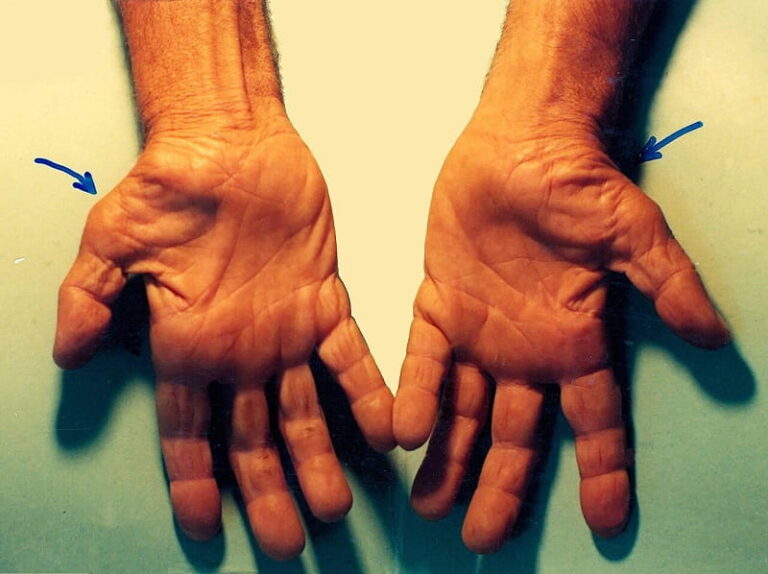
In advanced stages of carpal tunnel syndrome, individuals may notice visible muscle wasting at the base of the thumb, known as thenar atrophy. This occurs when the muscles controlled by the median nerve begin to deteriorate due to prolonged nerve compression. At this stage, patients often experience constant numbness and significantly reduced hand strength, making even simple daily tasks challenging. Some people also report difficulty distinguishing between hot and cold temperatures with their fingertips, indicating severe nerve involvement that requires immediate medical attention.
Understanding the Underlying Causes and Risk Factors
Carpal tunnel syndrome develops when pressure builds up within the carpal tunnel, compressing the median nerve. In most cases, this increased pressure results from a combination of factors rather than a single cause. Understanding these contributing factors is essential for both prevention and treatment strategies.
Anatomical variations play a significant role in carpal tunnel syndrome development. Some individuals are born with naturally smaller carpal tunnels, which may run in families. Women are three times more likely than men to develop carpal tunnel syndrome, partly because they typically have smaller carpal tunnel dimensions. Additionally, structural changes in the wrist bones and joints due to conditions like osteoarthritis or previous wrist injuries can alter the shape of the carpal tunnel, reducing the space available for the median nerve.
Several medical conditions increase the risk of developing carpal tunnel syndrome. Diabetes can damage nerves throughout the body, including the median nerve, making individuals more susceptible to compression injuries. Rheumatoid arthritis causes inflammation in the joints and surrounding tissues, which can lead to swelling within the carpal tunnel. Thyroid disorders, particularly hypothyroidism, can cause fluid retention that increases pressure on the median nerve. Pregnancy is another common trigger for carpal tunnel syndrome symptoms due to hormonal changes and fluid retention, though symptoms often resolve after delivery.
Repetitive hand and wrist movements are well-established risk factors for carpal tunnel syndrome. Occupations that involve assembly line work, prolonged computer use, frequent use of vibrating tools, or tasks requiring forceful gripping can contribute to the development of this condition. However, it is important to note that while repetitive motion is associated with carpal tunnel syndrome, the relationship is complex and often involves multiple contributing factors. Activities performed with the wrist in awkward positions, such as extreme flexion or extension, place additional stress on the median nerve and increase the risk of compression.
Comprehensive Diagnostic Approach
Accurate diagnosis of carpal tunnel syndrome is essential for determining the most appropriate treatment strategy. Healthcare providers use a combination of clinical evaluation, physical examination tests, and diagnostic studies to confirm the diagnosis and assess the severity of nerve involvement.
The diagnostic process typically begins with a thorough medical history and discussion of symptoms. Patients are asked about the location and timing of their symptoms, activities that worsen or relieve them, and any underlying medical conditions. The healthcare provider will examine the hands, wrists, arms, shoulders, and neck to rule out other conditions that might cause similar symptoms, such as cervical radiculopathy or thoracic outlet syndrome.
Several physical examination maneuvers help confirm carpal tunnel syndrome. The Tinel sign involves tapping over the median nerve at the wrist; a positive test produces tingling in the median nerve distribution. The Phalen maneuver requires the patient to hold their wrists in a flexed position for sixty seconds; reproduction or worsening of symptoms indicates median nerve compression. The median nerve compression test involves applying direct pressure over the carpal tunnel for thirty seconds to see if symptoms develop. The flick sign, where patients describe shaking their hands to relieve symptoms, is another characteristic finding.
When the diagnosis is unclear based on clinical examination alone, or when surgery is being considered, additional testing may be recommended. Nerve conduction studies measure how quickly electrical signals travel through the median nerve, helping to identify the location and severity of nerve compression. Electromyography assesses the electrical activity of muscles controlled by the median nerve and can detect muscle damage caused by prolonged nerve compression. These electrodiagnostic studies provide objective evidence of nerve dysfunction and help determine the prognosis for recovery.
Imaging studies such as ultrasound or magnetic resonance imaging may be used in certain cases to visualize the structures within the carpal tunnel. Ultrasound can detect swelling of the median nerve at the level of the carpal tunnel, while MRI can identify masses, cysts, or other structural abnormalities that might be compressing the nerve. X-rays may be ordered to check for fractures, arthritis, or bone abnormalities that could contribute to carpal tunnel syndrome.
Conservative Treatment Options
For individuals with mild to moderate carpal tunnel syndrome, conservative treatment approaches are typically recommended as the first line of therapy. These non-surgical interventions aim to reduce pressure on the median nerve, decrease inflammation, and allow the nerve to heal while preventing further damage.
Wrist splinting is one of the most effective and commonly prescribed conservative treatments for carpal tunnel syndrome. Splints hold the wrist in a neutral position, preventing the flexion and extension movements that increase pressure on the median nerve. Research has demonstrated that wearing wrist splints, particularly at night, can significantly reduce symptoms in many patients. Nocturnal splinting is especially beneficial because it prevents the wrist from bending during sleep, which is when many people experience their worst symptoms. Some individuals find relief by wearing splints during activities that trigger symptoms, though continuous daytime splinting should be approached cautiously as prolonged immobilization can lead to muscle weakness and joint stiffness.
Corticosteroid injections directly into the carpal tunnel have shown considerable effectiveness in reducing inflammation and providing symptom relief. Studies indicate that these injections can alleviate symptoms for periods ranging from several weeks to more than one year, and they may delay or eliminate the need for surgery in some patients. The injection reduces swelling around the median nerve, decreasing pressure within the carpal tunnel. While relief is often temporary, corticosteroid injections can be particularly useful for patients with intermittent symptoms or those who need time to modify activities that contribute to their condition.
Activity modification and ergonomic adjustments are crucial components of conservative carpal tunnel treatment. Identifying and reducing or eliminating activities that exacerbate symptoms can significantly improve outcomes. For office workers, this might involve adjusting keyboard and mouse positions, using ergonomic tools, maintaining proper posture, and taking regular breaks from repetitive tasks. Occupational therapy can provide valuable guidance on workplace modifications and techniques for performing daily activities in ways that minimize stress on the wrists.
Over-the-counter nonsteroidal anti-inflammatory drugs such as ibuprofen or naproxen are sometimes used to manage pain associated with carpal tunnel syndrome. However, research has not consistently demonstrated that these medications are effective for treating the underlying nerve compression. They may provide short-term pain relief but should not be relied upon as the primary treatment strategy.
Physical therapy and targeted exercises can help improve symptoms and prevent progression of carpal tunnel syndrome. Therapeutic approaches may include nerve gliding exercises that help the median nerve move more freely through the carpal tunnel, stretching exercises to maintain flexibility in the forearm muscles, and strengthening exercises to support the wrist and hand. Physical therapists may also use modalities such as therapeutic ultrasound, which has shown some benefit in reducing symptoms. Studies have also found that yoga practices focusing on upper body strength, flexibility, and posture may help alleviate carpal tunnel symptoms.
Surgical Intervention for Carpal Tunnel Syndrome
When conservative treatments fail or severe nerve compression exists with muscle atrophy, surgery becomes the recommended option. Carpal tunnel release, one of the most common orthopedic procedures, involves cutting the transverse carpal ligament to relieve pressure on the median nerve. Two approaches exist: open release with a small palm incision allowing direct visualization, and endoscopic release using one or two small incisions with a specialized camera. Both are equally effective, though endoscopic patients may return to work about one week earlier.
Recovery varies by pre-surgery severity and individual healing. Most patients move fingers immediately after surgery and go home the same day. Initial soreness improves within weeks, with most returning to light activities in two to four weeks and achieving full recovery over several months. Patients with mild to moderate carpal tunnel typically experience near-complete symptom resolution within six months. Those with severe, long-standing compression may require more time and may not regain full function if permanent nerve damage occurred. Recurrence after surgery is rare.
Effective Prevention Strategies and Exercises
While not all cases can be prevented, several strategies reduce risk and help manage early symptoms. Maintaining proper wrist positioning in a neutral position during activities is fundamental. For computer users, keyboards should be positioned to keep wrists straight while typing, with forearms parallel to the floor. Taking regular breaks every thirty to sixty minutes during repetitive tasks allows hands and wrists to rest and recover.
Specific exercises help prevent development or manage early symptoms. Wrist flexor stretches involve extending the arm palm-down, then gently pulling fingers back toward the ceiling for fifteen to thirty seconds. Wrist extensor stretches are performed palm-up, gently pushing fingers toward the floor. Nerve gliding exercises help the median nerve move freely through the carpal tunnel by smoothly moving fingers, wrist, and arm through specific positions.
Strengthening exercises with light weights, therapy putty, or exercise balls improve wrist stability when performed with proper form. Keeping hands warm maintains muscle flexibility, with some individuals applying heat for fifteen minutes before activities and ice afterward to reduce inflammation. Managing underlying conditions like diabetes, rheumatoid arthritis, and thyroid disorders through proper medical care minimizes their impact on nerve health.
Living with Carpal Tunnel Syndrome
For individuals diagnosed with carpal tunnel syndrome, adapting daily routines significantly improves quality of life during treatment. Sleep disruption is particularly frustrating, but wearing a wrist splint at night effectively prevents wrist flexion that triggers nocturnal symptoms. If awakened by symptoms, shaking the hands helps restore circulation and reduce numbness.
Modifying everyday tasks reduces wrist stress. Using larger grips on tools distributes pressure more evenly, alternating hands during activities provides rest periods, and taking micro-breaks during keyboard use allows wrists to relax. Voice-to-text technology and vibration-dampening power tools further minimize strain. Monitoring symptoms helps identify patterns and guide treatment adjustments, with early signs of worsening prompting medical consultation to prevent permanent nerve damage.
Pro Tips for Managing Carpal Tunnel Syndrome
Healthcare professionals emphasize addressing symptoms early, as early intervention typically results in better outcomes and may prevent surgery. Consistency with conservative treatments is crucial—wearing splints nightly and performing exercises regularly proves far more effective than sporadic adherence. Workplace ergonomic assessments can identify specific risk factors and recommend targeted modifications that significantly impact symptom management.
For surgical candidates, experts advise realistic expectations about gradual recovery and the importance of following rehabilitation recommendations. A comprehensive approach addressing all contributing factors, including underlying medical conditions and lifestyle modifications, typically produces the best long-term results.
Frequently Asked Questions
How long does it take for carpal tunnel syndrome to develop? Carpal tunnel syndrome typically develops gradually over weeks to months. Early symptoms may be intermittent and mild, only occurring with certain activities or at night. As the condition progresses, symptoms become more frequent and intense. Some individuals may experience rapid onset of symptoms following an acute injury to the wrist, though this is less common than gradual development.
Can carpal tunnel syndrome affect both hands? Yes, carpal tunnel syndrome frequently affects both hands, though symptoms often begin in the dominant hand first and may be more severe on that side. Approximately half of people with carpal tunnel syndrome experience bilateral symptoms. Having symptoms in both hands does not necessarily require treatment of both wrists simultaneously; the treatment approach depends on the severity and impact of symptoms in each hand.
Will carpal tunnel syndrome go away without treatment? In some cases, particularly when triggered by temporary conditions such as pregnancy or acute inflammation, carpal tunnel syndrome may resolve spontaneously. However, the condition is often progressive when related to structural factors or ongoing repetitive activities. Waiting to see if symptoms resolve on their own risks permanent nerve damage. Medical evaluation is recommended for persistent or worsening symptoms.
How do I know if I need surgery for carpal tunnel syndrome? Surgery is typically recommended when conservative treatments have not provided adequate relief after several months, when there is evidence of severe nerve compression on diagnostic testing, when muscle wasting is present, or when symptoms significantly impair daily function and quality of life. The decision should be made in consultation with a healthcare provider who can assess the severity of your condition and discuss the potential benefits and risks of surgery.
Can I prevent carpal tunnel syndrome from coming back after treatment? While recurrence is possible, especially if risk factors are not addressed, there are steps you can take to minimize this likelihood. Maintaining ergonomic work practices, performing regular stretching and strengthening exercises, managing underlying health conditions, taking appropriate breaks during repetitive activities, and using proper technique during physical tasks all help prevent recurrence. After surgical release, the recurrence rate is quite low, though symptoms can potentially redevelop years later.
Are there any alternative treatments for carpal tunnel syndrome? Some individuals find relief with complementary approaches such as acupuncture, chiropractic care, massage therapy, or yoga. While the evidence for these treatments varies, some studies have shown benefits, particularly for yoga in improving grip strength and reducing pain. These approaches are generally considered safe when used alongside conventional medical treatment but should not replace evidence-based therapies for severe cases. Always discuss alternative treatments with your healthcare provider.
What is the success rate of carpal tunnel surgery? Carpal tunnel release surgery has a high success rate, with studies showing that more than ninety percent of patients experience significant improvement in symptoms. The best outcomes occur in patients with mild to moderate nerve compression who undergo surgery before permanent nerve damage develops. Factors that can affect surgical outcomes include the severity and duration of symptoms before surgery, the presence of other medical conditions, and adherence to post-operative rehabilitation recommendations.
How long will I be off work after carpal tunnel surgery? Return to work timing depends on several factors, including the type of work you do, the surgical technique used, and how quickly you heal. People with sedentary jobs may return to light duties within a few days to a week, while those with jobs requiring heavy lifting or extensive hand use may need four to six weeks before returning to full duties. Endoscopic surgery may allow slightly earlier return to work compared to open surgery. Your surgeon will provide specific guidance based on your individual circumstances.
Conclusion
Carpal tunnel syndrome is a common but treatable condition that affects millions of people worldwide. Understanding the symptoms, causes, and available treatment options empowers individuals to seek timely medical attention and make informed decisions about their care. Early recognition of symptoms such as numbness, tingling, and weakness in the hands is crucial for preventing permanent nerve damage and maintaining hand function.
The approach to treating carpal tunnel syndrome should be tailored to each individual, taking into account the severity of symptoms, the presence of underlying medical conditions, occupational demands, and personal preferences. Conservative treatments including wrist splinting, activity modification, exercises, and corticosteroid injections provide effective relief for many patients with mild to moderate symptoms. When conservative measures are insufficient or when severe nerve compression is present, surgical intervention offers excellent outcomes with minimal risk.
Prevention strategies focusing on ergonomic practices, regular breaks from repetitive activities, proper wrist positioning, and targeted exercises can reduce the risk of developing carpal tunnel syndrome or prevent recurrence after treatment. For those living with the condition, implementing practical modifications to daily activities and maintaining consistent adherence to treatment recommendations optimize symptom management and quality of life.
The prognosis for carpal tunnel syndrome is generally very favorable when the condition is diagnosed and treated appropriately. Most individuals who receive timely treatment, whether conservative or surgical, experience significant improvement in their symptoms and are able to return to their normal activities without limitations. By staying informed about this condition and working collaboratively with healthcare providers, patients can achieve the best possible outcomes and maintain healthy, functional hands and wrists throughout their lives.
If you are experiencing symptoms suggestive of carpal tunnel syndrome, do not delay in seeking medical evaluation. Early intervention can make a significant difference in your treatment journey and long-term outcomes, helping you preserve the hand function that is so essential for work, hobbies, and independence in daily living.