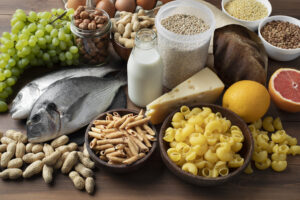
Understanding Potassium and Its Vital Role in Human Health
Potassium stands as one of the most essential minerals required for optimal human health, yet it remains among the most overlooked nutrients in modern diets. This crucial electrolyte carries electrical charges throughout the body, enabling vital functions that sustain life itself. While bananas have long held the reputation as the premier source of this mineral, numerous other foods actually deliver significantly higher potassium content per serving, offering delicious alternatives for meeting daily nutritional requirements.
The human body requires potassium for nearly every cellular function, from maintaining proper fluid balance within cells to ensuring the heart beats with consistent rhythm. This mineral facilitates muscle contractions, supports nerve signal transmission, and plays a pivotal role in regulating blood pressure levels. Despite its critical importance, research consistently demonstrates that most Americans consume far less potassium than recommended amounts, making it a nutrient of significant public health concern according to dietary guidelines.
Adults should aim to consume between 2,600 to 3,400 milligrams of potassium daily, with men requiring approximately 3,400 mg and women needing about 2,600 mg per day. However, national nutrition surveys reveal that average daily intake falls substantially short of these targets, with men consuming around 3,016 mg and women only about 2,320 mg. This widespread deficiency contributes to various health complications, including elevated blood pressure, increased stroke risk, and weakened bone density.
The Surprising Truth About Bananas and Potassium Content
For decades, bananas have dominated public perception as the ultimate potassium-rich food, becoming virtually synonymous with the mineral itself. While bananas certainly deserve recognition as a nutritious fruit choice, the reality of their potassium content reveals a more nuanced picture. A medium-sized banana contains approximately 422 milligrams of potassium, representing about 9 percent of the daily value recommended for adults. This amount, while beneficial, pales in comparison to numerous other readily available foods that deliver substantially higher potassium concentrations.
The misconception surrounding bananas likely stems from effective marketing campaigns and their convenient, portable nature rather than exceptional nutritional superiority. Understanding that many common foods surpass bananas in potassium content empowers individuals to diversify their dietary choices, accessing a broader spectrum of nutrients while still meeting their potassium requirements. This knowledge becomes particularly valuable for people who may have banana allergies, dislike the taste, or simply seek variety in their nutrition plans.
Expanding beyond bananas opens up exciting culinary possibilities while providing superior nutritional benefits. Many alternative potassium sources also deliver additional vitamins, minerals, antioxidants, and beneficial plant compounds that work synergistically to promote overall health. These foods often contain lower sodium levels as well, creating an ideal nutritional profile for cardiovascular health and blood pressure management.
Vegetables That Deliver Exceptional Potassium Levels
Sweet Potatoes and Regular Potatoes
Potatoes, both sweet and regular varieties, rank among the most potassium-dense foods available in typical grocery stores. A medium baked potato with skin intact contains an impressive 926 milligrams of potassium, more than double the amount found in a banana. This humble root vegetable also provides substantial amounts of vitamin C, vitamin B6, and dietary fiber, making it a nutritional powerhouse that deserves more recognition than it typically receives. The skin of the potato contains particularly high concentrations of nutrients, so consuming the entire potato maximizes its health benefits.
Sweet potatoes offer their own impressive nutritional profile, delivering approximately 542 milligrams of potassium per medium-sized tuber when baked. Beyond potassium, these orange-fleshed vegetables provide exceptional amounts of beta-carotene, which the body converts to vitamin A for vision health, immune function, and skin integrity. Sweet potatoes also contain unique compounds that may help regulate blood sugar levels and provide anti-inflammatory effects throughout the body.
Leafy Green Vegetables
Swiss chard emerges as an extraordinary source of potassium among leafy green vegetables, with one cup of cooked chard delivering approximately 961 milligrams of this essential mineral. This represents roughly 20 percent of the daily recommended value, significantly outperforming bananas on a per-serving basis. Swiss chard also provides exceptional amounts of vitamins K and A, along with beneficial antioxidants and minimal calories, making it an ideal food for nutrient density.
Spinach ranks nearly as high, with one cup of cooked spinach containing about 839 milligrams of potassium. Fresh spinach consumed raw in salads contains somewhat less potassium per cup due to lower density, but three cups of fresh spinach still deliver approximately 558 milligrams. Spinach brings additional nutritional benefits through its rich content of iron, calcium, folate, and various antioxidant compounds that protect cellular health.
Acorn Squash and Winter Squash Varieties
Winter squash varieties, particularly acorn squash, provide remarkable potassium concentrations while offering sweet, satisfying flavors that appeal to diverse palates. One cup of cooked acorn squash contains approximately 896 milligrams of potassium, substantially exceeding the amount found in bananas. These vegetables also deliver significant amounts of vitamin C, vitamin A, and dietary fiber, supporting immune function, vision health, and digestive wellness.
Other winter squash varieties including butternut, hubbard, and kabocha squash similarly provide high potassium levels along with rich, complex flavors that enhance various culinary preparations. These versatile vegetables adapt well to roasting, steaming, or incorporation into soups and stews, making them practical options for regular meal planning throughout the cooler months.
Tomato Products
While fresh tomatoes contain moderate potassium levels at about 292 milligrams per medium tomato, concentrated tomato products deliver substantially higher amounts in smaller serving sizes. Tomato paste stands out particularly, providing approximately 670 milligrams of potassium per quarter-cup serving. Tomato puree offers about 560 milligrams per half-cup, while tomato sauce typically contains around 450 milligrams per half-cup serving.
These concentrated tomato products offer practical advantages for incorporating potassium into everyday meals through pasta dishes, pizza sauces, soups, and stews. The processing and concentration of tomatoes also increases the bioavailability of lycopene, a powerful antioxidant associated with reduced risk of certain cancers and cardiovascular diseases.
Protein-Rich Foods High in Potassium
Legumes and Beans
White beans rank among the absolute highest potassium sources available in common foods, with one cup of cooked white beans containing an extraordinary 1,189 milligrams of potassium. This single serving provides approximately 25 percent of the daily recommended intake while also delivering substantial amounts of protein, dietary fiber, iron, and folate. White beans include varieties such as navy beans, cannellini beans, and great northern beans, all offering similar nutritional profiles.
Other bean varieties provide impressive potassium levels as well. Adzuki beans contain approximately 1,224 milligrams per cooked cup, while kidney beans offer about 717 milligrams, and black beans provide roughly 611 milligrams per cup. Lima beans, pinto beans, and chickpeas similarly contribute significant potassium amounts along with plant-based protein, complex carbohydrates, and beneficial dietary fiber that supports digestive health and blood sugar regulation.
Lentils deserve special mention among legumes, delivering approximately 731 milligrams of potassium per cooked cup while requiring shorter cooking times than most beans. These small legumes come in various colors including brown, green, red, and black, each offering slightly different flavors and textures that adapt well to numerous culinary applications from soups to salads to side dishes.
Fish and Seafood
Wild-caught salmon provides excellent potassium content alongside its well-known omega-3 fatty acid benefits. A five-ounce fillet of cooked salmon delivers approximately 880 milligrams of potassium while also supplying high-quality protein, vitamin D, selenium, and beneficial omega-3 fats that support brain health, reduce inflammation, and promote cardiovascular wellness. The combination of potassium and omega-3 fatty acids creates particularly powerful benefits for heart health and blood pressure regulation.
Halibut represents another excellent seafood source of potassium, with a half-fillet providing roughly 916 milligrams of this essential mineral. Other fish varieties including tuna, cod, and haddock similarly contribute meaningful potassium amounts while offering lean protein and various vitamins and minerals. Clams deserve recognition as well, with a three-ounce serving of canned clams containing approximately 534 milligrams of potassium along with exceptional amounts of vitamin B12, iron, and zinc.
Chicken and Poultry
Chicken breast ranks as the highest potassium source among common meats, with a three-ounce serving of cooked chicken breast providing approximately 332 milligrams of potassium. While this amount falls below many plant-based sources, chicken breast offers the advantage of high protein content with minimal saturated fat, making it a valuable component of balanced meal plans focused on both potassium intake and overall nutritional quality.
Turkey breast similarly provides meaningful potassium amounts at roughly 249 milligrams per three-ounce serving, along with lean protein and various B vitamins. The versatility of poultry in diverse recipes allows for easy incorporation into regular meal rotations while contributing to daily potassium requirements.
Fruit Sources Beyond Bananas
Dried Fruits
Dried apricots stand out as one of the most concentrated sources of potassium available among all foods, with just half a cup of dried apricots delivering an impressive 755 milligrams. This concentration occurs through the drying process, which removes water while maintaining the mineral content, resulting in a compact, portable snack that provides exceptional nutritional density. Dried apricots also supply significant amounts of vitamin A, iron, and dietary fiber.
Prunes, or dried plums, similarly offer high potassium concentrations at approximately 637 milligrams per half-cup serving. Beyond their well-known digestive benefits, prunes provide antioxidants associated with bone health protection and anti-inflammatory effects throughout the body. Raisins contain about 544 milligrams of potassium per half-cup, while dates provide roughly 696 milligrams per the same serving size.
When selecting dried fruits, consumers should examine nutrition labels carefully, as many commercial products contain added sugars that diminish their overall nutritional value. Choosing unsweetened varieties maximizes health benefits while still delivering natural sweetness and exceptional potassium content.
Fresh Fruits Rich in Potassium
Avocados provide exceptional potassium levels among fresh fruits, with half an avocado containing approximately 487 milligrams of this essential mineral. Whole avocados deliver nearly 15 percent of the daily recommended intake while also supplying heart-healthy monounsaturated fats, dietary fiber, folate, and vitamins K, C, and E. The unique nutrient profile of avocados makes them particularly beneficial for cardiovascular health, with research suggesting they may help reduce LDL cholesterol levels while maintaining or increasing HDL cholesterol.
Watermelon offers surprisingly high potassium content given its high water composition, with two large wedges providing about 641 milligrams. This refreshing fruit also delivers lycopene, a powerful antioxidant linked to reduced cancer risk, along with citrulline, an amino acid that may improve exercise performance and blood flow. The high water content of watermelon makes it particularly valuable for hydration during warm weather while contributing to potassium intake.
Cantaloupe and honeydew melons similarly provide meaningful potassium amounts, with one cup of cubed cantaloupe containing approximately 473 milligrams and honeydew offering about 388 milligrams per cup. Oranges and orange juice contribute roughly 496 milligrams per cup of juice, while grapefruit provides about 320 milligrams per medium fruit.
Other Notable Fruit Sources
Papaya contains approximately 781 milligrams of potassium per medium fruit, along with digestive enzymes, vitamin C, and various antioxidants supporting skin health and immune function. Kiwi fruit provides about 562 milligrams per cup of sliced fruit, while pomegranate arils contain roughly 411 milligrams per cup. These exotic fruits offer diverse flavors and nutritional profiles that add variety to dietary patterns while contributing substantially to potassium requirements.
Dairy Products and Plant-Based Alternatives
Milk and Yogurt
Dairy products represent valuable potassium sources often overlooked in discussions of this mineral. One cup of low-fat or skim milk contains approximately 366 to 382 milligrams of potassium while also providing calcium, vitamin D, and high-quality protein. The combination of potassium and calcium in dairy products creates synergistic benefits for bone health and blood pressure regulation.
Plain yogurt offers even higher potassium concentrations, with an eight-ounce serving delivering about 579 milligrams. Greek yogurt provides similar amounts along with substantially higher protein content than regular yogurt. Kefir, a fermented milk product, contains approximately 376 milligrams per cup while offering beneficial probiotic bacteria that support digestive health and immune function.
Soy-Based Products
Soybeans and soy products provide excellent potassium options for individuals following plant-based diets or avoiding dairy products. One cup of cooked soybeans contains approximately 970 milligrams of potassium along with complete protein containing all essential amino acids. Edamame, or immature soybeans, offer about 676 milligrams per cup when cooked.
Tofu provides moderate potassium levels at approximately 299 milligrams per half-cup serving of firm tofu, while soy milk contains about 287 milligrams per cup. These plant-based alternatives offer versatility in cooking applications while contributing to both potassium intake and protein requirements without animal products.
Understanding Potassium’s Health Benefits
Cardiovascular Health and Blood Pressure Regulation
Potassium’s most well-established health benefit involves its profound impact on cardiovascular function and blood pressure control. This mineral helps counteract the negative effects of excessive sodium intake, which has become increasingly problematic in modern diets heavily reliant on processed foods. Potassium assists the kidneys in filtering excess sodium from the bloodstream, promoting its excretion through urine and thereby reducing the volume of fluid in the cardiovascular system.
Additionally, potassium helps relax the walls of blood vessels, reducing the tension and rigidity that contribute to elevated blood pressure. Research demonstrates that higher potassium intake correlates with reduced systolic and diastolic blood pressure readings, particularly in individuals consuming high-sodium diets. A meta-analysis examining multiple studies found that individuals with higher potassium consumption showed significantly lower risk of stroke and other cardiovascular diseases compared to those with lower intakes.
The American Heart Association recommends that individuals concerned about hypertension aim for potassium intakes between 3,500 to 5,000 milligrams daily, ideally obtained through dietary sources rather than supplements. This higher target specifically addresses the blood pressure-lowering effects of the mineral when consumed consistently through whole foods.
Bone Health Protection
Emerging research reveals potassium’s important role in maintaining skeletal health throughout the lifespan. This mineral helps prevent calcium loss from bones by reducing the amount of calcium excreted in urine. When the body maintains adequate potassium levels, it produces more alkaline compounds that buffer acids in the bloodstream, reducing the need to draw calcium from bone tissue for this buffering purpose.
Several clinical trials have examined potassium supplementation effects on bone health markers. One study involving healthy adults over age 65 found that potassium citrate supplementation significantly increased bone mineral density at the lumbar spine compared to placebo groups. The potassium-rich fruits and vegetables that naturally provide this mineral also contain other beneficial nutrients and plant compounds that work together to support bone strength and reduce fracture risk, particularly in older adults susceptible to osteoporosis.
Kidney Stone Prevention
Adequate potassium intake may help reduce the risk of developing painful kidney stones. Low potassium levels can lead to increased calcium excretion in urine, which may crystallize and form stones within the kidneys or urinary tract. By helping the body retain calcium in bones and reducing urinary calcium concentrations, potassium consumption may lower the likelihood of stone formation.
Research indicates that individuals with higher dietary potassium intake experience fewer incidents of kidney stone development compared to those with lower consumption levels. This protective effect appears most pronounced when potassium comes from whole food sources, particularly fruits and vegetables, rather than supplements or salt substitutes.
Muscle Function and Nerve Transmission
Potassium plays an indispensable role in proper muscle contraction and nerve signal transmission throughout the body. This mineral helps maintain the electrical gradient across cell membranes that enables nerve cells to communicate effectively and muscles to contract efficiently. Without adequate potassium, individuals may experience muscle weakness, cramping, or spasms, along with potentially dangerous cardiac arrhythmias.
The mineral’s involvement in muscle function extends to the heart muscle itself, where proper potassium balance ensures regular, coordinated heartbeats. Both deficiency and excess potassium can disrupt normal cardiac rhythm, emphasizing the importance of maintaining optimal levels through dietary intake rather than relying on supplements without medical supervision.
Potassium Deficiency: Signs, Causes, and Consequences
Potassium deficiency, medically termed hypokalemia, develops when blood potassium levels drop below normal ranges. While severe deficiency remains relatively uncommon in healthy individuals consuming varied diets, mild deficiency affects many people, particularly those taking certain medications or experiencing specific health conditions.
Early symptoms of low potassium include persistent fatigue, muscle weakness, muscle cramps or spasms, constipation, and irregular heartbeat. More severe deficiency can lead to increased urine production, muscle paralysis, heart palpitations, and potentially life-threatening cardiac arrhythmias. Individuals experiencing these symptoms should seek medical evaluation to determine underlying causes and appropriate treatment strategies.
Several factors can contribute to potassium deficiency beyond inadequate dietary intake. Certain medications, particularly diuretics used for blood pressure management, increase potassium excretion through urine. Loop diuretics and thiazide diuretics commonly cause potassium depletion, requiring monitoring and potentially supplementation under medical supervision. Chronic vomiting, diarrhea, or excessive sweating can also deplete potassium stores, as can certain kidney disorders that impair the body’s ability to retain this mineral.
Individuals with eating disorders, those consuming severely restricted diets, or people with malabsorption conditions may struggle to maintain adequate potassium levels through food alone. Medical professionals can assess potassium status through blood tests and recommend appropriate dietary modifications or supplementation when necessary.
Important Considerations for Potassium Supplementation
While obtaining potassium through whole food sources remains the preferred and safest approach for most individuals, some people may require supplementation under medical guidance. However, potassium supplements carry potential risks that necessitate careful consideration and professional oversight.
The Food and Drug Administration limits over-the-counter potassium supplements to 99 milligrams per serving, representing only about 2 percent of the daily recommended value. This restriction reflects concerns about potential adverse effects from higher-dose supplements, particularly the risk of hyperkalemia, or excessive potassium levels in the bloodstream. This condition can cause severe cardiac complications including irregular heartbeat and potentially fatal arrhythmias.
Certain medical conditions and medications significantly increase the risk of developing dangerous potassium levels when supplementation occurs without proper monitoring. Individuals with chronic kidney disease face particular risk, as impaired kidney function reduces the body’s ability to eliminate excess potassium effectively. People taking ACE inhibitors, angiotensin receptor blockers, or potassium-sparing diuretics should not use potassium supplements without explicit medical direction, as these medications can cause potassium accumulation.
Salt substitutes containing potassium chloride require similar caution, as they deliver very high potassium concentrations that can quickly lead to excessive intake in susceptible individuals. Anyone considering potassium supplementation or salt substitute use should consult their healthcare provider first, particularly those with kidney disease, heart conditions, diabetes, or other chronic health issues.
Practical Strategies for Increasing Dietary Potassium
Incorporating more potassium-rich foods into daily eating patterns requires neither drastic dietary overhauls nor complicated meal planning. Simple, practical strategies can significantly boost potassium intake while enhancing overall diet quality and nutritional diversity.
Starting the day with potassium-rich breakfast options sets a strong nutritional foundation. Adding sliced banana, berries, or dried apricots to morning oatmeal or yogurt increases potassium intake substantially. Incorporating spinach, tomatoes, or avocado into breakfast scrambles or omelets provides additional potassium along with protein and healthy fats. Choosing orange juice or tomato juice instead of other beverage options contributes meaningful potassium amounts as well.
Snack choices offer excellent opportunities for potassium enhancement. Keeping dried fruits, fresh fruit, raw vegetables with hummus, or mixed nuts readily available encourages healthy snacking while boosting mineral intake throughout the day. A handful of dried apricots or a cup of edamame provides substantial potassium in convenient, portable formats suitable for busy lifestyles.
Dinner preparations benefit from conscious inclusion of high-potassium ingredients. Substituting sweet potatoes or regular potatoes for lower-nutrient refined grains increases potassium intake significantly. Adding white beans, lentils, or other legumes to soups, stews, and salads boosts both potassium and protein content. Incorporating leafy greens like Swiss chard or spinach as side dishes or mixed into main courses contributes exceptional potassium levels along with numerous other beneficial nutrients.
Choosing baked or grilled fish like salmon or halibut for main protein sources provides potassium along with omega-3 fatty acids. Even simple additions like using tomato paste in sauces or choosing acorn squash as a vegetable side dish can substantially increase daily potassium consumption without requiring extensive culinary skills or preparation time.
Balancing Potassium and Sodium for Optimal Health
Understanding the relationship between potassium and sodium proves essential for maximizing the health benefits of adequate potassium intake. These two minerals work in close opposition within the body, with sodium promoting fluid retention and blood vessel constriction while potassium encourages fluid excretion and vessel relaxation. Modern diets typically deliver far too much sodium and insufficient potassium, creating an imbalance that contributes to widespread hypertension and cardiovascular disease.
The typical American diet contains approximately 3,400 milligrams of sodium daily, primarily from processed and restaurant foods, while providing only about 2,600 to 3,000 milligrams of potassium. This reversed ratio undermines potassium’s beneficial effects on blood pressure and cardiovascular health. Ideally, potassium intake should exceed sodium consumption, with sodium limited to 2,300 milligrams or less daily while potassium reaches 3,400 to 4,700 milligrams.
Achieving this optimal balance requires strategic food choices emphasizing whole, minimally processed foods naturally high in potassium and low in sodium. Fresh fruits, vegetables, legumes, and unprocessed meats provide excellent potassium-to-sodium ratios, while packaged foods, restaurant meals, and processed items typically deliver the opposite profile. Reading nutrition labels helps identify products with favorable mineral balances, though choosing whole foods eliminates much of this concern automatically.
Research examining sodium and potassium intake together demonstrates that the ratio between these minerals may matter more than either nutrient individually. Studies tracking both minerals through multiple urine samples found that individuals with high sodium and low potassium intakes faced significantly elevated risks of dying from heart disease or any cause compared to those with low sodium and high potassium consumption. This finding underscores the importance of simultaneously reducing sodium while increasing potassium for optimal cardiovascular protection.
Special Populations and Potassium Considerations
While most healthy adults benefit from increased dietary potassium, certain populations require special attention and potentially modified recommendations regarding potassium intake.
Individuals with chronic kidney disease face unique challenges with potassium balance. As kidney function declines, the body loses its ability to effectively eliminate excess potassium through urine, leading to dangerous accumulation. People with advanced kidney disease often require potassium restriction rather than increased intake, working closely with healthcare providers and dietitians to maintain safe blood levels through careful food selection and portion control.
Pregnant and breastfeeding women require adequate potassium to support both their own health and fetal or infant development. However, established adequate intake levels remain similar to non-pregnant adults at 2,600 milligrams daily for women. Meeting this requirement through varied, nutrient-dense foods supports optimal outcomes without necessitating supplementation in most cases.
Athletes and highly active individuals may require increased potassium intake to replace losses through excessive sweating and support enhanced muscle function. However, rather than relying on sports drinks or supplements, active people generally meet increased needs through naturally elevated food consumption that accompanies higher energy expenditure. Focusing on potassium-rich whole foods ensures adequate intake while providing other nutrients essential for athletic performance and recovery.
Older adults face increased risk of both potassium deficiency and excess due to age-related changes in kidney function, medication use, and dietary patterns. This population benefits from regular monitoring of potassium status and careful attention to food choices that provide adequate intake without excessive amounts. The higher potassium density of older adults’ diets shown in nutrition surveys suggests awareness of this mineral’s importance, though individual assessment remains crucial.
Conclusion
While bananas deservedly maintain their place as a convenient, nutritious fruit choice, the misconception that they represent the ultimate potassium source limits dietary diversity and may prevent people from accessing superior options. Numerous common foods deliver substantially higher potassium concentrations per serving, including white beans, Swiss chard, sweet potatoes, dried apricots, salmon, and many others. Understanding these alternatives empowers individuals to meet their potassium requirements through varied, flavorful food choices that also provide diverse arrays of other beneficial nutrients.
The importance of adequate potassium intake extends far beyond avoiding deficiency symptoms, encompassing crucial roles in cardiovascular health, bone density maintenance, kidney stone prevention, and proper muscle and nerve function. Most Americans consume insufficient potassium, contributing to widespread hypertension and related health complications. Addressing this shortfall requires conscious effort to incorporate more potassium-rich whole foods while simultaneously reducing sodium intake from processed products.
Achieving optimal potassium status through dietary sources remains safer and more effective than supplementation for most people, with whole foods providing additional nutrients and beneficial compounds that work synergistically to promote health. However, individuals with certain medical conditions, those taking specific medications, or people with kidney disease require special consideration and medical guidance regarding appropriate potassium intake levels. By expanding awareness beyond bananas to embrace the full spectrum of high-potassium foods available, people can more easily meet their nutritional needs while enjoying diverse, satisfying meals that support long-term health and wellbeing.