

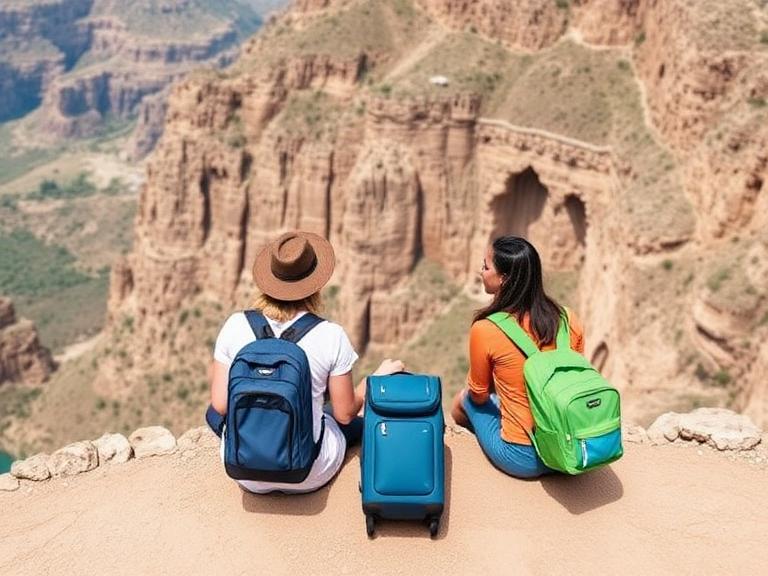
Traveling opens doors to new experiences, cultures, and memories that last a lifetime. However, the success of any journey often hinges on who accompanies you. Selecting the right person can transform a simple trip into an extraordinary adventure filled with shared joy and seamless coordination.
A mismatched companion might lead to unnecessary stress, while a well-suited one enhances every moment. This guide walks you through the process of identifying and choosing someone who aligns with your vision for the perfect getaway. By focusing on compatibility and essential traits, you can ensure smoother travels ahead.
Begin by reflecting on past trips to understand what worked and what didn’t. Whether you’re planning a relaxing beach escape or an action-packed hike, the principles remain the same. Let’s dive into the steps to find your ideal match.
Understanding the Importance of a Good Travel Companion
Embarking on a journey with someone requires more than just shared destinations; it demands harmony in attitudes and expectations. A compatible buddy helps navigate challenges like delayed flights or unexpected weather with ease. They contribute to decision-making, from choosing eateries to selecting routes, making the experience collaborative and enjoyable.
Without the right fit, small differences can escalate into conflicts, detracting from the pleasure of exploration. On the positive side, a great companion amplifies excitement, turning ordinary sights into cherished stories. They provide emotional support during tiring days and celebrate discoveries together.
Consider how companionship affects safety and logistics. In unfamiliar places, having someone reliable to watch your back or share responsibilities like budgeting adds a layer of security. Ultimately, the goal is mutual enrichment, where both parties return home with fond recollections.
Step 1: Assess Your Own Travel Style and Preferences
Before seeking a companion, take time to evaluate your personal approach to traveling. Are you someone who thrives on structured itineraries, or do you prefer spontaneous detours? Understanding this helps filter potential matches who won’t clash with your rhythm.
Think about your energy levels throughout the day. If you’re an early riser eager for morning explorations, pairing with a night owl could lead to mismatched schedules. Similarly, consider your interests, such as cultural immersion versus adventure sports, to avoid dragging someone along unwillingly.
Budget plays a crucial role here. Determine if you’re frugal, seeking hostels and street food, or inclined toward luxury accommodations and fine dining. Honesty in this self-assessment prevents future disappointments and sets a clear foundation for discussions with prospects.
Identifying Your Must-Haves and Deal-Breakers
Make a list of non-negotiables, like punctuality or cleanliness, that could make or break the trip. For instance, if dietary restrictions are important to you, ensure your buddy is accommodating. This step narrows down options effectively.
Reflect on social dynamics too. Do you need quiet time to recharge, or do you enjoy constant conversation? Knowing these preferences guides you toward someone who respects your space while sharing similar social needs.
Step 2: Identify Key Qualities in a Travel Companion
Once you’ve clarified your style, focus on traits that define an excellent companion. Flexibility stands out as a top quality, allowing adaptation to unforeseen changes without drama. A flexible person views detours as opportunities rather than setbacks.
Good communication is another cornerstone. They should express needs clearly and listen actively, fostering open dialogue about plans or concerns. This prevents misunderstandings and builds trust from the start.
A sense of humor lightens inevitable mishaps, like lost luggage or rainy days. Someone who can laugh off minor issues keeps the atmosphere positive and memorable for the right reasons.
Essential Quality: Adaptability and Open-Mindedness
Adaptability means rolling with punches, whether it’s trying unfamiliar cuisine or altering routes due to closures. An open-minded companion embraces diversity, enriching the trip with fresh perspectives. They avoid rigid expectations, making the journey fluid and fun.
This trait is vital in group settings or international travels where cultural norms differ. It encourages mutual growth, as you both learn from each other’s reactions to new situations.
Essential Quality: Reliability and Trustworthiness
Reliability ensures they follow through on commitments, like booking shared reservations or handling shared funds. Trustworthiness builds confidence, knowing they’ll have your back in emergencies. These qualities create a secure environment for vulnerability and enjoyment.
In practice, look for signs in everyday interactions, such as keeping promises or being honest about limitations. This foundation supports long-haul trips without constant worry.
Essential Quality: Shared Interests and Compatibility
Alignment in hobbies, like photography or hiking, amplifies shared excitement. Compatibility extends to pace, ensuring neither feels rushed or bored. It turns activities into bonding moments rather than obligations.
While differences add variety, core similarities prevent friction. Discuss favorites upfront to gauge overlap and plan accordingly.
Step 3: Evaluate Potential Companions Through Conversations
Engage in detailed talks about hypothetical scenarios to test compatibility. Ask about past travels to uncover habits and preferences. This reveals how they handle stress or surprises.
Discuss logistics early, covering budgets, accommodations, and daily routines. Alignment here avoids later conflicts. Pay attention to enthusiasm levels; genuine interest indicates a good fit.
Consider trial outings, like a day trip, to observe dynamics in action. This real-world test highlights strengths and potential issues before committing to longer journeys.
Questions to Ask During Initial Discussions
- What’s your ideal daily schedule on a trip? Early starts or late nights? This helps sync rhythms and avoid fatigue from mismatched timings. Understanding this prevents one person feeling dragged along or left waiting.
- How do you handle unexpected changes, like bad weather? Responses show adaptability levels. A positive outlook suggests resilience, while negativity might signal potential frustration.
- What’s your budget range for meals and activities? Clarity here ensures financial harmony. Differences can strain relationships if not addressed upfront.
- Do you prefer group activities or solo explorations? This reveals social preferences. Balancing both keeps everyone satisfied without forcing unwanted interactions.
- What are your must-do experiences on trips? Shared visions align goals. It sparks excitement and helps tailor the itinerary to mutual interests.
- How important is downtime to you? Answers indicate recharge needs. Respecting personal space maintains harmony throughout the journey.
- What dietary or health considerations do you have? Awareness prevents oversights. It promotes inclusivity and thoughtful planning.
- How do you split costs and responsibilities? Fairness builds trust. Clear agreements from the start avoid resentment later.
Step 4: Plan a Test Run Before the Main Trip
Organize a short excursion to simulate travel conditions. Choose something simple, like a weekend hike or city visit, to assess compatibility without high stakes. Observe how you interact under mild pressures.
During the test, note communication styles and decision-making processes. Do conflicts arise easily, or are they resolved amicably? This insight is invaluable for longer commitments.
Debrief afterward to discuss what worked and what could improve. Honest feedback strengthens the partnership and refines expectations for future travels.
Step 5: Set Ground Rules and Expectations
Establish guidelines covering finances, schedules, and personal space. Written agreements clarify ambiguities and provide reference points. This proactive approach minimizes disputes.
Include contingency plans for emergencies or changes. Knowing how to handle separations or health issues adds security. Regularly revisit rules as the trip evolves.
Encourage ongoing check-ins to address emerging concerns. This keeps the dynamic healthy and adaptive, ensuring enjoyment for all.
Building a Strong Foundation for Shared Adventures
Foster mutual respect by valuing each other’s input. Celebrate small wins together to build camaraderie. This positive reinforcement enhances the overall experience.
Prepare for cultural sensitivities if traveling abroad. Shared research deepens appreciation and prevents faux pas. It also bonds you through learning.
Step 6: Handle Conflicts Gracefully During Travel
Conflicts are inevitable; approach them with calm dialogue. Listen without interrupting to understand perspectives fully. Compromise where possible to maintain peace.
Use “I” statements to express feelings without blame. For example, say “I feel overwhelmed by the pace” instead of accusations. This diffuses tension effectively.
Take breaks if needed to cool off. Solo time allows reflection and prevents escalation. Reconvene with fresh minds for resolution.
Step 7: Reflect and Learn from Each Experience
After trips, review highs and lows together. What qualities shone through? Insights refine future selections and personal growth.
Document lessons in a journal for reference. Patterns emerge over time, guiding better choices. Share positives to reinforce strong bonds.
Apply learnings to nurture ongoing relationships. Great companions evolve with feedback, leading to even better adventures ahead.
Additional Qualities to Consider: Emotional Intelligence
Emotional intelligence involves recognizing and managing emotions effectively. A companion with this trait navigates group dynamics smoothly and supports during stressful moments. It fosters empathy, making shared experiences more profound.
Look for signs like active listening and positive conflict resolution in interactions. This quality elevates trips from good to exceptional by prioritizing well-being.
Additional Qualities to Consider: Adventurous Spirit
An adventurous spirit encourages stepping outside comfort zones. They inspire trying new activities, enriching the itinerary with variety. Balanced with caution, it ensures safe thrills.
This trait sparks spontaneity, leading to unexpected delights. It complements planning, creating a dynamic mix of structure and freedom.
Additional Qualities to Consider: Organizational Skills
Strong organizational skills handle logistics efficiently, from bookings to packing. They reduce stress, allowing focus on enjoyment. Shared responsibilities lighten the load for everyone.
Appreciate this in companions who anticipate needs, like carrying essentials or researching options. It streamlines travels, maximizing quality time.
Pro Tips for Traveling with a Companion
Pack light but include shared items like chargers or first-aid kits to minimize duplicates. This saves space and promotes teamwork from the start. Coordinate packing lists to cover all bases without overlap.
Rotate decision-making roles daily to keep things fair and fresh. One day, let your buddy choose meals; the next, you pick activities. This prevents burnout and values input equally.
Use apps for real-time sharing of expenses and itineraries. Tools like these track splits accurately and update plans instantly. They eliminate guesswork and foster transparency.
Incorporate buffer time in schedules for rest or spontaneity. Rushed agendas lead to exhaustion; flexibility allows for serendipitous finds. It keeps energy high throughout.
Practice gratitude by acknowledging helpful actions. Simple thanks strengthen bonds and encourage positivity. It turns routine moments into appreciative ones.
Prepare for alone time by planning optional solo excursions. This respects introverted needs while allowing extroverts to mingle. Balance maintains harmony.
Research local customs together beforehand. Shared knowledge avoids mishaps and deepens cultural engagement. It bonds through preparation and discovery.
Frequently Asked Questions
What if my companion and I have different budgets?
Address this early by agreeing on a spending range. Compromise on activities, like alternating between free and paid options. Open discussions ensure fairness without resentment.
How do I know if someone is reliable?
Observe consistency in small commitments, like meeting times or following through on promises. Past travel stories reveal patterns. Trust your instincts during trial outings.
Can opposites make good travel companions?
Yes, if differences complement each other. An organized person pairs well with a spontaneous one, adding balance. Mutual respect turns contrasts into strengths.
What if conflicts arise mid-trip?
Pause and communicate calmly. Seek common ground and compromise. If needed, separate briefly to regain perspective before resolving.
How many qualities should I prioritize?
Focus on 5-7 core ones aligning with your needs. Flexibility, communication, and reliability are often top priorities. Adjust based on trip type.
Is it better to travel with friends or strangers?
Friends offer familiarity, but strangers bring fresh energy. Both work if compatibility is assessed. Test dynamics regardless of prior relationship.
What if my companion wants to change plans last minute?
Discuss flexibility levels upfront. If changes align with agreed rules, embrace them. Otherwise, negotiate to find middle ground.
How do I end a mismatched companionship gracefully?
Be honest but kind, citing personal reasons. Suggest parting ways amicably if mid-trip. Learn from it for future selections.
Conclusion
Choosing the perfect travel companion involves self-reflection, clear communication, and attention to key qualities like flexibility and reliability. By following these steps, you create partnerships that enhance every aspect of your journeys. Shared interests and mutual respect form the bedrock of unforgettable experiences.
Remember, the right buddy not only shares the path but enriches it with laughter, support, and new insights. Apply these principles to build lasting connections that extend beyond trips. Safe travels and happy adventures await with your ideal match by your side.
