

Exploring one of the world’s most iconic natural wonders requires careful preparation to fully appreciate its vast landscapes and unique features. Spanning over two million acres across three states, this destination offers a blend of geothermal marvels, diverse wildlife, and stunning vistas that draw millions annually. As visitation continues to rise, understanding the latest guidelines ensures a smooth and memorable experience.
Visitors in 2025 can expect enhanced facilities and ongoing conservation efforts to preserve the area’s pristine environment. With roads and services adapting to seasonal changes, planning ahead is essential for navigating the expansive terrain. Whether seeking adventure or tranquility, the park provides opportunities for all interests.
Key to a successful trip is knowing the operational seasons and available resources. From spring openings to winter closures, each period presents distinct ways to engage with the surroundings. This guide outlines everything needed to make the most of your time here.
Focusing on sustainable practices helps maintain the delicate balance of ecosystems. Rangers and staff emphasize leaving no trace to protect flora and fauna for future generations. Embracing these principles enhances personal enjoyment while contributing to long-term preservation.
Planning Your Visit
Best Times to Visit
Summer months from June to August see peak crowds due to favorable weather and full access to roads and trails. Temperatures range comfortably, ideal for hiking and wildlife viewing, though expect busy sites and higher accommodation rates. Early mornings or late afternoons offer quieter moments at popular spots.
Fall, particularly September and October, brings cooler air and vibrant foliage, with fewer visitors allowing for more intimate encounters. Wildlife activity increases as animals prepare for winter, making it prime for photography. Some facilities begin closing, so check updates accordingly.
Winter transforms the landscape into a snowy paradise from mid-December to mid-March, accessible mainly via snowmobile or snowcoach tours. Cross-country skiing and snowshoeing provide serene explorations, with geothermal areas contrasting sharply against the white backdrop. Limited services mean advance bookings are crucial.
Spring awakens the park in May and early June, with melting snow revealing blooming wildflowers and newborn animals. Road openings vary based on weather, offering a transitional period with moderate crowds. Prepare for variable conditions, including potential closures.
Entrance Fees and Passes
A seven-day vehicle pass covers all occupants, while individual entries apply for those arriving by foot, bike, or motorcycle. Annual passes provide unlimited access to federal recreation sites nationwide, a cost-effective option for frequent travelers. Senior and access passes offer lifetime benefits with specific qualifications.
Commercial tours and groups face separate fees based on vehicle capacity. Reservations are not required for entry but are recommended for high-demand periods. Digital payments streamline the process at staffed stations.
Proceeds from fees support maintenance and improvements, ensuring trails and viewpoints remain safe and accessible. Understanding these contributions highlights the value of each visit in sustaining the area.
Making Reservations
Lodging and camping spots fill quickly, often requiring bookings up to a year in advance through official channels. Prioritize securing permits for backcountry adventures, which include detailed itineraries and safety briefings. Guided tours for specialized activities like fishing or horseback riding also benefit from early arrangements.
Monitor official websites for availability and cancellations, as flexibility can yield last-minute opportunities. Group reservations may involve additional coordination to accommodate larger parties. Planning tools like interactive maps assist in selecting ideal locations based on interests.
Getting There and Around
Accessing the Park
Five entrances provide gateways from surrounding states, with the north and northeast open year-round for vehicles. West, south, and east entrances operate seasonally, typically from May to October, weather permitting. Proximity to airports in nearby cities facilitates air travel followed by ground transport.
Rental cars offer freedom to explore at your pace, while shuttle services connect key points within the boundaries. For winter access, organized tours from designated towns ensure safe navigation over snow-covered roads. Public transportation options are limited, emphasizing personal vehicles for most visitors.
Bordering communities serve as bases with amenities like fuel and supplies. Driving distances from major hubs vary, so factor in time for scenic routes and potential delays from wildlife crossings.
Transportation Within the Park
Over 300 miles of paved roads form a figure-eight loop connecting major attractions, with speed limits enforced for safety. Bicycles are permitted on designated paths, offering an eco-friendly way to traverse shorter distances. Horseback options require permits and adherence to trail restrictions.
During peak seasons, traffic congestion occurs at popular pullouts, so patience is key. Winter shifts to oversnow vehicles, with guided groups providing equipment and expertise. Accessibility vehicles and services cater to diverse needs, ensuring inclusive experiences.
Top Attractions and Sights
Geothermal Wonders
The area boasts over 10,000 hydrothermal features, including half the world’s active geysers. Predictable eruptions draw crowds to witness plumes of steam and water soaring skyward. Colorful pools and bubbling mud pots showcase microbial life thriving in extreme conditions.
Boardwalks guide safe viewing, preventing accidents in sensitive zones. Educational exhibits explain the underlying volcanic activity powering these displays. Nighttime visits reveal steaming vents under starlit skies for a magical ambiance.
Seasonal variations affect activity levels, with some features more vibrant in cooler months. Rangers offer insights during programs, enhancing appreciation of these dynamic elements.
Scenic Landscapes
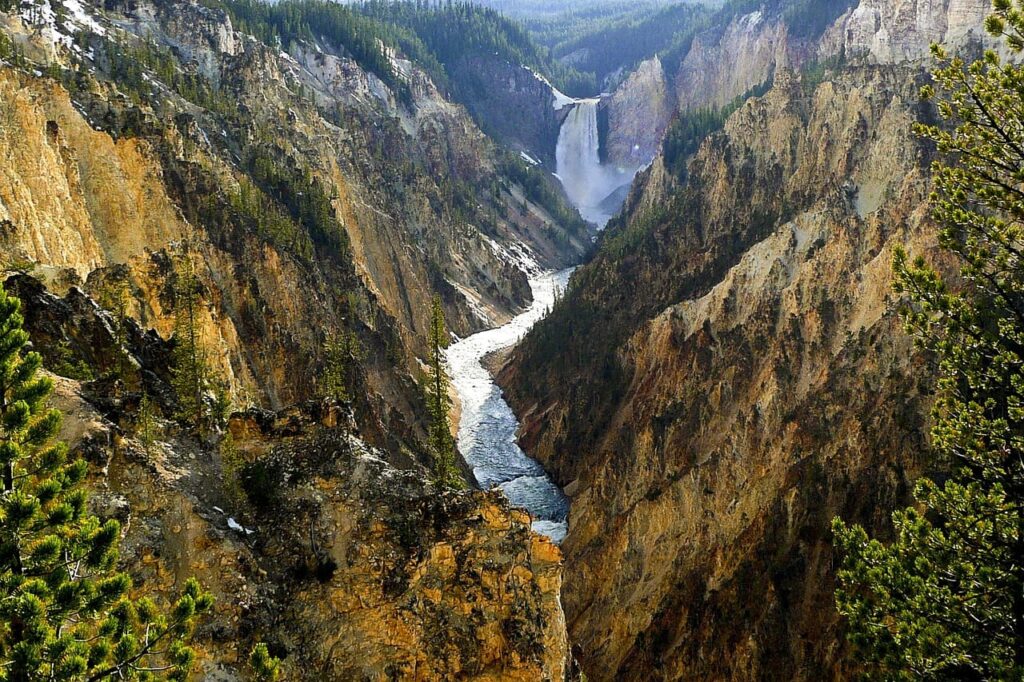
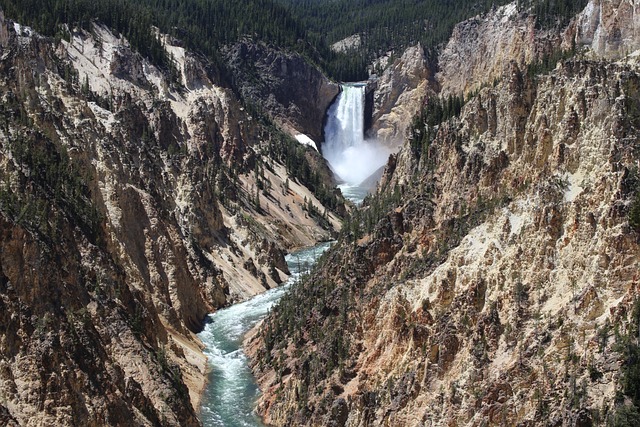
Deep canyons carved by rivers reveal layered rock formations in hues of yellow and red. Overlooks provide panoramic views, ideal for photography and contemplation. Lakes reflect surrounding peaks, creating mirror-like scenes during calm weather.
Forest trails lead to hidden waterfalls cascading into clear pools. Mountain ranges border the horizons, with elevations offering challenging ascents for seasoned hikers. Diverse terrains from meadows to alpine zones host unique plant species.
Wildlife Viewing Areas
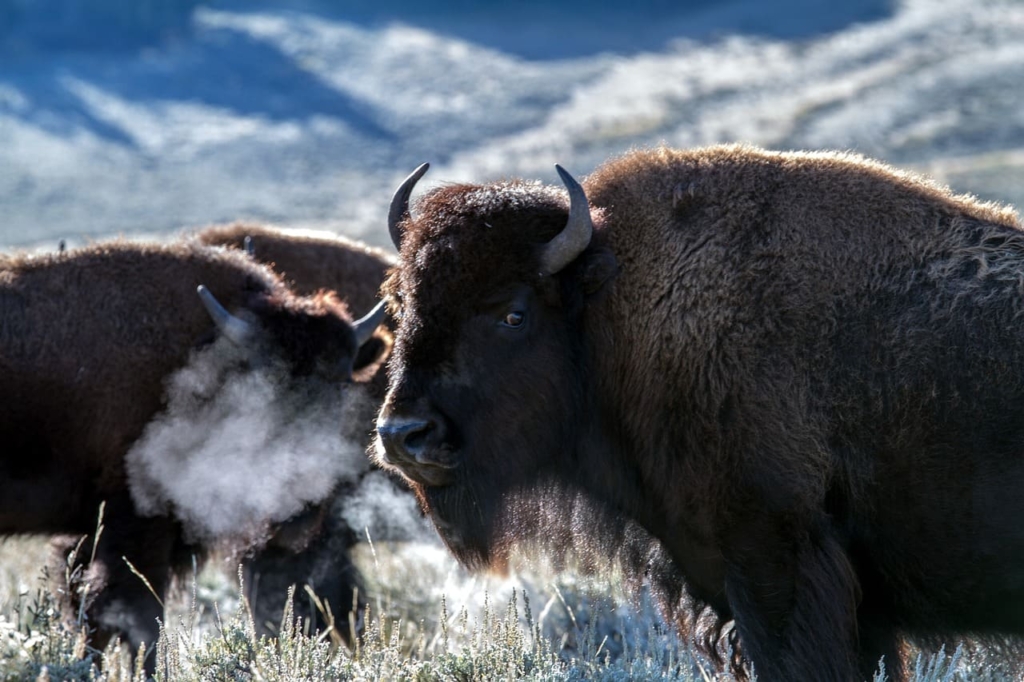
Valleys serve as prime spots for observing herds grazing in open fields. Early dawns and dusks increase chances of spotting elusive predators. Binoculars and telephoto lenses aid in respectful distant observations.
Roadside pullouts facilitate safe stops without disturbing habitats. Interpretive signs detail behaviors and conservation efforts for resident species. Patience rewards with natural behaviors unfolding in real time.
Activities and Experiences
Hiking Trails
Over 900 miles of paths cater to all skill levels, from short loops to multi-day treks. Elevation gains challenge endurance while rewarding with summit vistas. Water sources along routes require purification for safe consumption.
Trailheads include maps and condition reports to inform choices. Group hikes foster camaraderie, while solo ventures demand preparedness with navigation tools. Wildlife encounters necessitate awareness and proper responses.
Fishing and Boating
Native species populate rivers and lakes, with regulations promoting catch-and-release practices. Permits are mandatory, specifying gear and seasonal limits. Guided outfits provide equipment and local knowledge for optimal success.
Non-motorized crafts explore serene waters, avoiding restricted zones. Safety gear like life jackets is essential, especially in colder temperatures. Scenic paddles combine exercise with breathtaking surroundings.
Winter Adventures
Snow-covered trails invite cross-country skiing through quiet forests. Guided snowshoe walks delve into ecology under a blanket of white. Oversnow vehicles access remote areas, revealing geothermal contrasts against frost.
Warm clothing layers combat sub-zero conditions, with breaks at heated facilities. Wildlife tracks offer clues to hidden inhabitants, enriching the experience with detective-like elements.
Accommodations and Dining
Lodging Options
Historic inns blend rustic charm with modern comforts, located near central attractions. Cabins provide cozy retreats for families or groups. Year-round options at select sites accommodate off-season travelers.
Reservations include amenities like Wi-Fi and guided activities. Proximity to trails minimizes travel time, maximizing exploration.
Camping Sites
Developed grounds offer facilities like restrooms and fire rings for communal gatherings. Backcountry permits allow immersion in untouched wilderness. RV accommodations include hookups at designated parks.
Reservations secure spots during busy periods, with first-come options for spontaneity. Campfire regulations prevent wildfires, emphasizing safety.
Dining Choices
Cafeterias serve quick meals with local ingredients, while fine dining highlights regional cuisine. Picnic areas encourage self-prepared feasts amid nature. Dietary accommodations ensure inclusivity for all guests.
Safety and Regulations
- Wildlife Interactions: Maintain a minimum distance of 100 yards from bears and wolves to prevent habituation and ensure personal safety. Use bear spray as a deterrent in close encounters, and store food securely to avoid attracting animals. Reporting sightings helps rangers monitor populations and educate others.
- Thermal Area Precautions: Stay on designated boardwalks to avoid thin crusts that can break, leading to burns from hot water below. Supervise children closely, as features can change unpredictably. Heed warning signs for restricted zones where steam or gases pose risks.
- Weather Preparedness: Pack layers for sudden changes, including rain gear and sun protection. Check forecasts daily, as storms can bring lightning or snow even in summer. Hydration is vital at high elevations to combat altitude effects.
- Trail Safety: Carry maps and compasses, informing someone of your itinerary before departing. Bear bells or noise-making alert animals to your presence, reducing surprise encounters. Emergency beacons provide peace of mind in remote areas.
- Vehicle Guidelines: Adhere to speed limits to protect wildlife crossing roads unexpectedly. Pull over completely when stopping to view sights, avoiding traffic hazards. Winter chains or tires are required on certain routes for traction.
- Environmental Stewardship: Pack out all trash to preserve cleanliness and prevent wildlife ingestion. Use established campsites to minimize impact on vegetation. Participate in volunteer programs to contribute to ongoing maintenance.
- Health Considerations: Altitude sickness symptoms like headaches require rest and hydration. Vaccinations for common ailments are advisable before travel. First-aid kits should include essentials for minor injuries.
- Permit Compliance: Obtain necessary approvals for activities like fishing or backcountry stays in advance. Violations can result in fines, so review rules upon arrival. Rangers conduct checks to enforce protections.
Pro Tips
Arrive early at popular sites to secure parking and avoid crowds, enhancing photo opportunities without distractions. Invest in a good pair of binoculars for detailed wildlife observations from safe distances. Download offline maps for navigation in areas with limited cell service.
Join ranger-led programs for insider knowledge on geology and ecology, often free and insightful. Pack reusable water bottles to reduce waste, filling at stations throughout the area. Monitor wildlife apps for real-time sightings shared by fellow visitors.
For winter trips, layer clothing with moisture-wicking materials to stay warm and dry during activities. Consider multi-day itineraries to cover diverse regions without rushing. Support local economies by shopping in gateway towns for unique souvenirs.
Frequently Asked Questions
What is the best entrance for first-time visitors? The west entrance offers convenient access to geothermal basins and is close to accommodations. It provides a comprehensive introduction to major features without extensive driving.
Are pets allowed in the park? Pets must remain leashed and are restricted to roads and developed areas, not trails or boardwalks. This protects both animals and wildlife from potential conflicts.
How do I prepare for altitude? Acclimate gradually, staying hydrated and avoiding strenuous activity initially. Consult a doctor if you have pre-existing conditions that could be affected.
What should I do if I encounter a bear? Remain calm, speak firmly, and back away slowly without turning your back. Use bear spray if the animal approaches aggressively.
Can I fly drones here? Drone use is prohibited to prevent disturbances to wildlife and other visitors. Violations lead to penalties and equipment confiscation.
Is there cell service throughout? Coverage is spotty, mainly near developed zones. Plan for offline resources and inform others of your plans.
What are the road conditions like? Paved routes are well-maintained, but construction or weather can cause delays. Check status reports before traveling.
How can I contribute to conservation? Donate to partner organizations or volunteer for trail maintenance. Follow leave-no-trace principles during your stay.
Conclusion
Navigating this expansive natural treasure involves blending preparation with flexibility to embrace unexpected wonders. From steaming geysers to roaming herds, each element contributes to an unforgettable journey. By respecting guidelines and engaging thoughtfully, visitors ensure the legacy endures for generations ahead.
