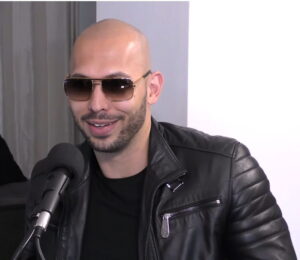
The legal saga surrounding controversial social media influencer Andrew Tate and his brother Tristan Tate has captivated global attention since their December 2022 arrest in Romania. Facing multiple criminal charges across three jurisdictions, including rape, human trafficking, and forming an organized crime group to sexually exploit women, the Tate brothers remain embroiled in what has become one of the most high-profile trafficking cases in recent history. This comprehensive timeline details every major development in the ongoing Andrew Tate human trafficking case, from the initial police raids through the latest 2025 legal proceedings.
The Initial Investigation: April 2022 Raid
The investigation into Andrew Tate began when Romanian authorities received a critical report on April 11, 2022. The United States embassy reported that an American citizen was being held against her will at a property owned by the Tate brothers in Pipera, Romania. This complaint triggered an immediate response from Romanian law enforcement.
Romanian police raided the Tate brothers’ residence along with a nearby webcam studio belonging to them. During the raid, authorities discovered four women at the properties. Two of these women, including the American citizen and a Romanian national, told police they were being held against their will. This sparked an in-rem investigation by Romania’s Directorate for Investigating Organized Crime and Terrorism, commonly known as DIICOT. The brothers were interrogated and subsequently released, though the investigation continued behind the scenes for the next eight months.
December 2022: The Arrest That Shocked the Internet
On December 29, 2022, Romanian authorities arrested Andrew Tate, Tristan Tate, and two Romanian women on suspicion of human trafficking and forming an organized crime group. The timing of the arrest became the subject of widespread internet speculation after Andrew Tate had engaged in a high-profile exchange with environmental activist Greta Thunberg on social media just days before.
Romanian media initially reported that pizza boxes from local chain Jerry’s Pizza visible in Tate’s response video to Thunberg had helped authorities confirm his location in Romania. However, a DIICOT spokesman later dismissed these rumors as amusing but untrue. The arrests were the culmination of months of investigation following the April raid.
Following their arrest, all four suspects faced an initial twenty-four hour pre-trial detention. A Romanian judge subsequently prolonged their detention by thirty days, a decision the Tate brothers appealed unsuccessfully on January 10, 2023. Under Romanian law, pre-trial detention can be extended for a maximum of one hundred and eighty days. The court extended their detention multiple times throughout early 2023, with judges citing concerns about safeguarding the investigation and preventing the defendants from fleeing the country.
Asset Seizures and Financial Implications
In conjunction with the arrests, Romanian authorities seized substantial assets from the Tate brothers. The confiscated property included twenty-nine assets in total: fifteen luxury cars, more than ten properties, designer watches, and various sums of money. The total value of seized assets approached four million dollars. Romanian law stipulates that if the defendants are convicted, these assets will be forfeited to the state and used to pay civil and moral damages to any victims.
On January 14, 2023, the luxury cars at the Tate residence were transported to a secure storage location. The Tate brothers challenged these seizures through the courts. On December 11, 2023, a Romanian court rejected their initial request to return the seized assets. However, on January 8, 2024, the Bucharest Court of Appeal overturned this decision on appeal and ordered a new trial specifically regarding the seized assets.
March 2023: Transition from Detention to House Arrest
After spending three months in police custody, the Tate brothers’ legal situation changed on March 31, 2023. The Bucharest Court of Appeal overturned a previous court’s decision, transitioning Andrew and Tristan from pre-trial detention to house arrest. The house arrest was initially set to continue until April 29, 2023, but was subsequently extended to the end of August 2023.
In total, the four suspects including the Tate brothers and their two Romanian co-defendants were held in police custody from December 29, 2022, until March 31, 2023. On August 4, 2023, their house arrest conditions were replaced with judicial control, which allowed them to leave their residence but prohibited them from leaving Ilfov County. This restriction was later relaxed on September 28, 2023, after an appeal, allowing Andrew to travel within Romania, though this decision was subsequently overturned before being relaxed again by a judge on November 28, 2023.
June 2023: Formal Indictment on Multiple Charges
On June 13, 2023, DIICOT made a significant adjustment to the charges against the defendants. The agency upgraded the human trafficking charges to trafficking in continued form, a more serious offense under Romanian law. One additional victim was identified during this process, bringing the total number of alleged victims to seven.
Seven days later, on June 20, 2023, Romanian prosecutors formally indicted all four accused individuals on charges of rape, human trafficking, and forming an organized crime group to sexually exploit women. The indictment represented a major escalation in the case. According to DIICOT’s statements, the defendants were accused of forming an organized criminal group in early 2021 to commit human trafficking in Romania and other countries, including the United States and the United Kingdom.
DIICOT accused the Tate brothers of using the loverboy method to recruit women. This technique involves misrepresenting one’s intention to commit to a romantic relationship. Prosecutors alleged that once the women were controlled by the group, they were transported near Bucharest and subjected to psychological coercion and physical violence. The women were allegedly forced to create explicit content for websites like OnlyFans as part of the organized crime operation. Andrew Tate faced an additional separate count of rape involving one of the alleged victims.
Ongoing Legal Battles Throughout 2023 and 2024
Following the indictment, the case entered the Bucharest Tribunal’s jurisdiction under Romania’s criminal justice system. Throughout late 2023 and into 2024, multiple hearings were held to review the case. In January 2024, the case was heard in a preliminary chamber before a potential trial date could be set. The defendants appealed various rulings and engaged in what prosecutors described as a legal strategy of delaying and drawing out the proceedings.
In April 2024, a Romanian court ruled that all four defendants could be tried in the country, though no specific trial date was set. The Bucharest Tribunal determined that the case against Andrew Tate met the legal criteria to proceed. However, in November 2024, the Bucharest court ruled to remove certain pieces of evidence from the trial, including statements from the brothers themselves and witness testimonies. This evidentiary ruling significantly impacted the prosecution’s case.
On January 30, 2024, the Bucharest Court of Appeal rejected Andrew Tate’s appeal to relax judicial control measures after pre-trial restrictions imposed on January 18, 2024, were extended for another sixty days. The brothers remained under various forms of restriction throughout this period, though they could move relatively freely within Romania.
March 2024: UK Arrest Warrants and Extradition Orders
While the Romanian case continued, British authorities escalated their own investigation. In March 2024, Westminster Magistrates’ Court issued a European Arrest Warrant against Andrew and Tristan Tate. The charges stemmed from allegations of sexual aggression dating back to the period between 2012 and 2015. On March 11, 2024, Romanian police detained the brothers for one day until the court could decide on the execution of the warrant.
On March 12, 2024, the Bucharest Court of Appeal ruled that the Tate brothers could be extradited to the United Kingdom, but only after the conclusion of Romanian legal proceedings. This decision meant that while the UK charges existed and an arrest warrant was active, the brothers would not face those allegations until Romanian authorities completed their own cases. The brothers categorically rejected all charges related to the UK warrant.
August 2024: Expanded Investigation and New Allegations
On August 21, 2024, Romanian police dramatically expanded their investigation against the Tate brothers. DIICOT raided four homes belonging to Andrew Tate in Ilfov County and Bucharest in connection with new accusations and the existing criminal case involving an organized criminal group. The new investigation included allegations of trafficking minors, sexual intercourse with a minor, money laundering, and attempting to influence witnesses.
The following day, August 22, 2024, Andrew and Tristan Tate were among six people taken into custody for allegations related to these raids. The group of detainees included both Romanian citizens and foreigners. Prosecutors stated that this new investigation involved thirty-five alleged victims, including at least one woman who was a minor at the time of the alleged crimes. The accused were alleged to have made a total of two point eight million dollars through sexual exploitation.
A Romanian judge placed Andrew under house arrest for at least thirty days amid these new allegations, while Tristan was placed under judicial custody. On September 5, 2024, the Bucharest Court of Appeal denied prosecutors’ request to jail Andrew, keeping him under house arrest instead. Both brothers were allowed to communicate with alleged victims with whom they have children and who have denied the allegations against them.
December 2024: Major Setback for Prosecutors
In a significant development, a Romanian appeals court ruled in December 2024 that the trafficking case against the Tate brothers could not proceed to trial. The court found multiple legal and procedural irregularities in the way prosecutors had handled the case. Specifically, prosecutors had failed to adequately explain the charges to one alleged victim, and some witness statements were deemed inadmissible.
This ruling represented a substantial setback for DIICOT, though it did not close the case entirely. The matter was returned to prosecutors for correction of the identified issues. The December decision also led to the lifting of Andrew’s house arrest in the second investigation, though other restrictions remained in place. The Tate brothers celebrated this ruling as vindication, though they remained under investigation and subject to travel restrictions.
Also in December 2024, Westminster Magistrates’ Court in the United Kingdom ruled in favor of Devon and Cornwall Police in a separate civil matter. The court allowed authorities to seize approximately two point five million pounds worth of unpaid taxes from the Tate brothers’ online businesses. Andrew Tate described this decision as a coordinated attack and questioned its legitimacy on social media.
February 2025: Controversial Departure to the United States
In a stunning turn of events on February 27, 2025, Romanian authorities lifted the travel ban that had prevented the Tate brothers from leaving the country. DIICOT announced that prosecutors had approved a request to modify the obligation preventing the defendants from leaving Romania, though the agency did not specify who made this request. The brothers were warned that violating their obligations could result in judicial control being replaced with stricter measures.
On the same day the travel restrictions were lifted, Andrew and Tristan Tate departed Romania on a private Gulfstream G550 jet, arriving in Fort Lauderdale, Florida, shortly before noon. Flight tracking data showed the aircraft had arrived in Romania from Oman at three o’clock in the morning local time just hours before the departure. The estimated cost of the approximately ten-hour transatlantic flight was around one hundred thousand dollars, though Andrew later claimed the total cost was one hundred and eighty-five thousand dollars.
The sudden lifting of travel restrictions sparked intense controversy and speculation about political intervention. Reports emerged that the Trump administration had expressed interest in the case. Romanian Foreign Minister Emil Hurezeanu acknowledged that Richard Grenell, a Trump administration envoy, had raised the Tate brothers’ case during a brief hallway meeting at the Munich Security Conference in mid-February. Hurezeanu insisted that no pressure had been applied, though this claim was met with skepticism.
Text messages later revealed that Andrew Tate had written to someone close to him on January 14, 2025, stating he had received word from the Trump administration that they were handling things and that he had been told he would be free soon. After landing in Florida, Andrew Tate told journalists that he and his brother were largely misunderstood and emphasized that they had not been convicted of any crimes.
March 2025: Return to Romania and Continued Legal Battles
After several weeks in the United States, the Tate brothers returned to Romania on March 22, 2025. Their private plane landed at Bucharest Henri Coanda International Airport shortly before one o’clock in the morning local time. Andrew Tate told reporters outside his residence near Bucharest that they had returned because innocent men don’t run from anything and that they intended to clear their names in court.
During their time in the United States, Florida Attorney General James Uthmeier announced on March 4, 2025, that his office had opened a criminal investigation into Andrew and Tristan Tate. The nature of this investigation was not immediately disclosed. Additionally, allegations surfaced from a woman named Brianna Stern, who filed a civil complaint in Florida alleging that Andrew Tate had assaulted her in a hotel room during March 2025 and had abused her throughout their relationship, which she claimed began in July 2024. Andrew Tate denied these allegations.
When asked about the Romanian prosecutors’ decision to allow their departure, the brothers’ lawyer suggested that their defamation case against the Romanian government had put a crack in the charges and pointed to alleged corruption in the Romanian system. Tristan Tate emphasized to reporters that after two and a half years of investigation, a judge had ruled there was insufficient evidence for the case to go to trial, though multiple investigations remained active.
May 2025: UK Crown Prosecution Service Reveals Detailed Charges
On May 28, 2025, the United Kingdom Crown Prosecution Service publicly confirmed for the first time the specific charges that had been authorized against the Tate brothers in 2024. The announcement revealed that Andrew and Tristan Tate face a combined total of twenty-one criminal charges in the United Kingdom based on allegations from multiple women.
Andrew Tate faces ten charges connected to three alleged victims. These charges include rape, actual bodily harm (a form of assault under British law), human trafficking, and controlling prostitution for financial gain. Tristan Tate faces eleven charges connected to a single alleged victim, including rape, human trafficking, and actual bodily harm. The allegations date back to the period between 2012 and 2015, when the brothers were living in the United Kingdom before relocating to Romania.
A CPS spokesperson emphasized that criminal proceedings are active and that the defendants have the right to a fair trial. The statement confirmed that a European Arrest Warrant had been issued in England in 2024, and Romanian courts had ordered the extradition of Andrew and Tristan Tate to the UK. However, the extradition would only proceed after the domestic criminal matters in Romania were resolved. The revelation of these detailed charges intensified public scrutiny of the brothers and raised questions about the timeline for when they might face trial in the UK.
Civil Cases and Tax Evasion Allegations
Beyond the criminal charges in Romania and the UK, the Tate brothers face several civil cases across multiple jurisdictions. In July 2024, Devon and Cornwall Police in the United Kingdom began civil proceedings against Andrew, Tristan, and a third person referred to only as J. The authorities accused the three of paying no tax in any country on revenue from their online businesses, including Hustlers University and War Room. The alleged unpaid taxes amounted to twenty-one million pounds in revenue generated between 2014 and 2022.
The police force sought to recover two point eight million pounds from several frozen bank accounts. In December 2024, Westminster Magistrates’ Court ruled in favor of the police, allowing them to seize approximately two point six million pounds. Chief Magistrate Paul Goldspring described the Tate brothers’ business operations as a straightforward cheat of the revenue. In February 2025, Police and Crime Commissioner Alison Hernandez announced that the force had received around one point two million pounds and expressed hope that the funds would be used to support victims of violence against women and girls.
In May 2024, three women involved in the investigation with Hertfordshire Constabulary, along with a fourth British woman, brought a civil case against Andrew Tate in the High Court. The women are suing for injuries they suffered, with allegations that include rape and physical abuse. Papers were served at Tate’s home in Romania. According to the women’s legal representatives, the court granted them anonymity to protect them from harassment and abuse. These four women expressed feeling re-traumatized and in disbelief when news broke that Romanian authorities had lifted the Tate brothers’ travel restrictions in February 2025.
Defamation Lawsuits Filed by the Tate Brothers
The Tate brothers have not been passive defendants in these legal proceedings. In July 2023, they filed a defamation lawsuit in Palm Beach County, Florida, against one of their accusers, her parents, and two other individuals. The lawsuit sought five million dollars in damages. The Tates claimed that these five people conspired to falsely accuse them of human trafficking and rape, costing them their freedom as well as income from social media and business ventures.
In July 2024, Palm Beach County Circuit Judge Joseph Curley allowed the brothers’ lawsuit against the primary accuser to proceed while dismissing the allegations they made against her parents and some of the allegations against her. One of the other defendants was dropped from the case as the court determined it had no jurisdiction over them. In January 2024, US District Judge Robin L. Rosenberg dismissed another defamation lawsuit filed by the brothers. They had sued a former United States Marine Corps sergeant who reported Andrew to the US Embassy in Romania and military officials, leading to his arrest by Romanian authorities.
The Broader Context: Andrew Tate’s Rise to Infamy
To understand the significance of these legal proceedings, it is essential to examine Andrew Tate’s background and rise to prominence. Born to an American father and British mother, Andrew Tate began his career as a professional kickboxer in 2005, winning several kickboxing titles in the late 2000s and early 2010s. In 2016, he appeared on the British reality television show Big Brother but was removed after a video emerged showing him attacking a woman with a belt.
After leaving kickboxing, Tate and his brother Tristan moved to Romania, reportedly in 2017. Andrew has publicly stated that one reason for the move was his belief that Romanian authorities were less likely to investigate allegations of sex crimes. In a since-removed YouTube video, he stated he liked the idea of just being able to do what he wanted. The brothers established a webcam business featuring women performing for online audiences, which they have described as highly lucrative.
Andrew Tate subsequently became a polarizing social media figure, amassing millions of followers by promoting content about masculinity, wealth accumulation, and what critics describe as extreme misogyny. He has openly described himself as a misogynist and has been dubbed the king of toxic masculinity by media outlets. His social media presence expanded dramatically in mid-2022, and by July of that year, he was being searched on Google more times than Donald Trump and COVID-19 combined.
Tate created online courses and programs marketed to young men, including Hustlers University, which promised to teach financial independence and personal development for a monthly fee. The program encouraged participants to post controversial content online to go viral and spread awareness of the course in exchange for a cut of new signup fees. Guidance from the program suggested that an ideal ratio was sixty to seventy percent fans and forty to thirty percent haters.
Videos featuring Andrew Tate have been viewed billions of times on platforms like TikTok, making him one of the most viewed figures on the platform despite not having an official account. He was the third-most googled person in 2023. However, his controversial statements led to bans from multiple major social media platforms including TikTok, Facebook, Instagram, and YouTube for allegedly posting misogynistic hate speech. He currently maintains a presence on X (formerly Twitter), where he has accumulated over ten million followers as of 2025.
Impact on Public Discourse and Education
The Tate brothers’ influence, particularly among young men and schoolboys, has sparked significant concern among educators and child safety advocates worldwide. Many of Andrew Tate’s followers are adolescent boys who have been exposed to his content promoting traditional masculine dominance and female submission. Domestic abuse charities and school advocacy groups have warned that Tate’s brand of extreme misogyny risks radicalizing young men and teenage boys to commit real-world harm.
The hashtag AndrewTate has been viewed billions of times on TikTok, with the content including both supportive material and criticism. Educators have expressed alarm at the extent of Tate’s reach into school-age populations and the potential impact of his messaging on developing attitudes toward women and relationships. Some have called on public figures who provide platforms to Andrew Tate, such as Piers Morgan and Tucker Carlson, to either stop giving him a platform or to properly interrogate him about the allegations against him.
Current Status and Future Proceedings
As of January 2026, the Tate brothers face an unprecedented legal situation with six active legal investigations across three countries. These include four criminal investigations and two civil cases spanning Romania, the United Kingdom, and the United States. In Romania, two separate criminal investigations remain active: the original case involving seven alleged victims and the August 2024 case involving thirty-five alleged victims, including minors.
The original Romanian case was sent back to prosecutors in December 2024 due to procedural irregularities, but it has not been closed. DIICOT continues to work on addressing the court’s concerns and potentially bringing the case back before a judge. The second Romanian investigation, which includes more serious allegations involving minors, remains active with the brothers subject to judicial control measures.
In the United Kingdom, the twenty-one charges authorized by the Crown Prosecution Service await the conclusion of Romanian proceedings before extradition can occur. The European Arrest Warrant remains valid, and British authorities have made clear their intention to pursue the case once the brothers are available for extradition. Additionally, the civil case brought by four British women continues through the UK court system.
In the United States, Florida authorities opened a criminal investigation in March 2025, though details remain limited. The civil defamation lawsuit filed by a woman in Florida continues, with most claims dismissed but the possibility of refiling remaining. The Tate brothers maintain their defamation lawsuits against their accusers in Florida courts.
The brothers continue to deny all allegations across all jurisdictions. They have characterized the investigations and charges as part of a coordinated attack motivated by their controversial views and influence. Andrew Tate has repeatedly claimed on social media that prosecutors have no evidence against him and that there is a political conspiracy to silence him. He has compared himself to President Donald Trump, suggesting both are victims of what he calls lawfare.
Procedural Challenges and Legal Strategy
The complexity of the Tate brothers’ legal situation is compounded by the multiple jurisdictions involved and the interaction between criminal and civil proceedings. Romanian prosecutors have faced criticism for procedural irregularities that led to the December 2024 setback. The requirement to adequately explain charges to all alleged victims and ensure the admissibility of witness testimony has proven challenging given the number of accusers and the international scope of the alleged crimes.
Defense attorneys for the Tate brothers have engaged in what prosecutors describe as a strategy of delay and procedural challenges. This approach has successfully extended the timeline of the case and created opportunities to challenge evidence and procedures at each stage. The brothers’ legal team has filed numerous appeals and motions throughout the process, contesting everything from pre-trial detention to asset seizures to the admissibility of specific evidence.
The interaction between the Romanian and UK cases creates additional complexity. Romanian courts have ruled that extradition to the UK can only occur after Romanian proceedings conclude, but with two separate active investigations in Romania and the possibility of additional charges or a retrial of the existing case, the timeline for when the brothers might face UK authorities remains uncertain. Some observers suggest this situation could extend for years before final resolution.
International Implications and Political Dimensions
The Tate case has taken on international political dimensions that extend beyond the immediate legal questions. The involvement of the Trump administration, whether direct or indirect, in the lifting of travel restrictions raised serious questions about the politicization of criminal justice proceedings. Interviews and records reviewed by investigative journalists revealed that White House officials intervened when US Customs and Border Protection seized the Tate brothers’ electronic devices upon their arrival in Florida, instructing Department of Homeland Security officials to return the devices.
This intervention caused alarm among DHS officials who worried about potentially interfering with a federal investigation. The episode highlighted the brothers’ cultivation of relationships with Trump family members and administration officials, including Donald Trump Jr. and reportedly Barron Trump, the president’s youngest son. Andrew Tate had shared videos and statements expressing support for Trump during the 2024 campaign, and conservative media figures like Tucker Carlson had given him prominent platforms.
The case has also highlighted tensions between Romania’s obligations under European human rights law and perceived pressure from a powerful ally. Romania’s prime minister at the time stated that lifting the travel restrictions would appease the Trump administration, though government officials officially denied receiving pressure. The episode sparked debates in Romania about judicial independence and the influence of foreign governments on domestic legal proceedings.
Perspectives from Victims’ Advocates and Legal Experts
Victims’ advocates and anti-trafficking organizations have expressed deep concern about the handling of the Tate case and its implications for trafficking prosecutions more broadly. Iana Matei, founder of Reaching Out Romania, a nonprofit that helps find and rehabilitate sex trafficking victims, described the Tate brothers’ case as the most debated and most internationally visible human trafficking case. She criticized the lack of transparency surrounding the lifting of travel restrictions and suggested that justice remains powerless in the face of geopolitical interests.
Matthew Jury, a lawyer with McCue Jury & Partners representing British women who have made allegations against Andrew Tate, has been vocal in his criticism of how the case has been handled. He has called for media figures to stop providing platforms to Andrew Tate or to properly interrogate him about the allegations. Jury described the spread of disinformation about the allegations in the UK and elsewhere as damaging to the pursuit of justice.
Legal experts have noted that the Tate case presents unique challenges for prosecutors. The use of psychological coercion rather than physical force in some of the alleged trafficking, the loverboy method of recruitment, and the digital nature of some of the alleged exploitation create evidentiary challenges. Additionally, the high-profile nature of the defendants and their ability to mobilize online support complicate witness protection and the prosecution’s ability to present its case without external interference.
Conclusion
The Andrew Tate human trafficking case represents one of the most complex and high-profile international criminal investigations of the 2020s. From the initial April 2022 raid through the dramatic developments of 2025, the case has evolved into a multi-jurisdictional legal battle involving dozens of alleged victims across three continents. The Tate brothers face criminal charges in both Romania and the United Kingdom, civil lawsuits in multiple countries, and ongoing investigations that continue to expand in scope.
The December 2024 ruling that found procedural irregularities in the Romanian prosecution dealt a significant blow to the case but did not end it. Prosecutors continue working to address the court’s concerns while a separate investigation involving allegations of trafficking minors proceeds independently. The May 2025 revelation of twenty-one UK charges added another dimension to an already complex legal situation.
Beyond the legal proceedings themselves, the case has sparked important conversations about online radicalization of young men, the influence of misogynistic content creators, the challenges of prosecuting international trafficking cases, and the potential for political interference in criminal justice. As the Tate brothers maintain their innocence and continue fighting the charges across multiple jurisdictions, the ultimate resolution of these cases may take years to achieve.
The outcome will likely have significant implications for how authorities in multiple countries approach cases involving online influencers accused of serious crimes, the prosecution of trafficking cases that rely heavily on psychological coercion, and the balance between defendants’ rights and prosecutors’ obligations to alleged victims. As of January 2026, the Tate brothers remain free to travel internationally while subject to various court obligations, their substantial online following intact, and their legal battles far from over. The world continues to watch as this unprecedented legal saga unfolds across courtrooms in Bucharest, London, and potentially other jurisdictions in the months and years to come.