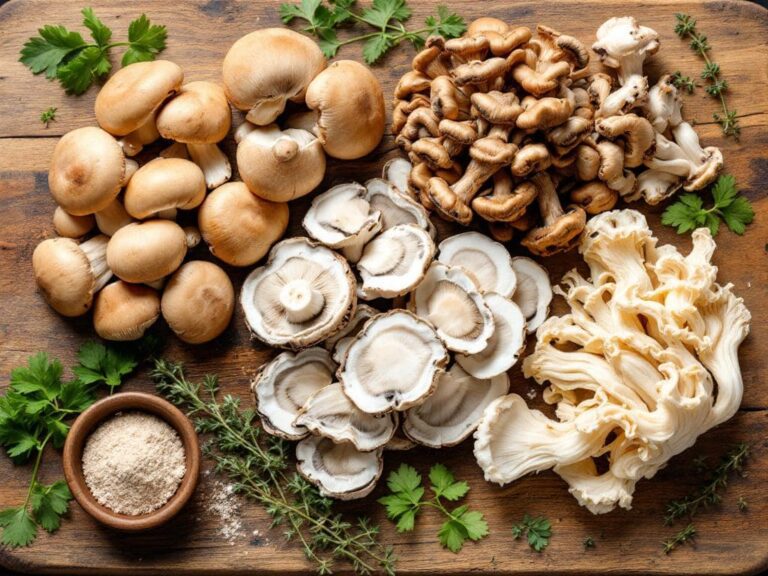
Mushrooms have transcended their role as a simple culinary ingredient to become one of the most talked-about superfoods of 2025. Packed with bioactive compounds, vitamins, and minerals, mushrooms offer a wide array of health benefits—from boosting immunity and brain function to supporting gut health and reducing inflammation. As scientific research continues to uncover their potential, mushrooms are increasingly incorporated into diets, supplements, and functional foods worldwide.
This guide explores the top 15 science-backed health benefits of mushrooms, their nutritional profiles, and the best varieties for specific health goals. Whether you’re a health enthusiast, a wellness seeker, or simply curious about the power of fungi, this article will provide actionable insights to help you harness the full potential of mushrooms.
Why Mushrooms Are Gaining Popularity in 2025
The global functional mushroom market is projected to reach $65.83 billion by 2030, driven by increasing consumer awareness of their health benefits and the rise of plant-based, immune-boosting foods. Mushrooms are now recognized not only for their culinary versatility but also for their role in preventive healthcare, cognitive enhancement, and holistic wellness. Varieties like Lion’s Mane, Reishi, Shiitake, and Turkey Tail are leading the trend, each offering unique advantages for different aspects of health.
Recent studies highlight mushrooms as a rich source of ergothioneine, beta-glucans, and antioxidants, which contribute to their anti-inflammatory, anticancer, and neuroprotective properties. With the growing demand for natural, science-backed wellness solutions, mushrooms have become a staple in modern diets and supplement regimens.
Nutritional Profile of Mushrooms
Mushrooms are a nutritional powerhouse, offering a unique combination of macronutrients, micronutrients, and bioactive compounds. Here’s a breakdown of their key nutritional components:
- Vitamins: Mushrooms are one of the few natural food sources of Vitamin D2 (when exposed to sunlight), as well as B vitamins (riboflavin, niacin, and folate), which support energy metabolism and cognitive function.
- Minerals: Rich in selenium, potassium, copper, and iron, mushrooms help maintain immune function, heart health, and oxygen transport in the body.
- Bioactive Compounds: Polysaccharides (like beta-glucans), ergothioneine, and polyphenols contribute to their antioxidant, anti-inflammatory, and immune-modulating effects.
- Fiber: Mushrooms contain both soluble and insoluble fiber, promoting gut health and aiding digestion.
- Low in Calories: With minimal fat and sodium, mushrooms are an excellent addition to weight management and heart-healthy diets.
Research from UCLA Health and the National Institutes of Health confirms that incorporating mushrooms into your diet can lower the risk of chronic diseases, including cancer and cardiovascular conditions, by up to 45% when consumed regularly.

Top 15 Science-Backed Health Benefits of Mushrooms
1. Immune System Support
Mushrooms like Reishi, Shiitake, and Turkey Tail are renowned for their immune-boosting properties. Beta-glucans, a type of polysaccharide found in mushrooms, stimulate the activity of immune cells, including macrophages and natural killer (NK) cells, which help the body fend off infections and diseases. Studies published in Frontiers in Nutrition (2025) highlight the role of mushroom polysaccharides in enhancing immune responses and reducing inflammation.
2. Cognitive and Brain Health
Lion’s Mane is the most researched mushroom for brain health, thanks to its ability to stimulate nerve growth factor (NGF) production. Clinical trials show that Lion’s Mane supplementation improves memory, focus, and cognitive function, making it a popular choice for students, professionals, and aging adults. A 2025 study in Nutrients found that participants taking Lion’s Mane extract experienced significant improvements in working memory and attention within just one hour of dosing.
3. Gut Health and Prebiotic Effects
Mushrooms act as prebiotics, feeding beneficial gut bacteria and promoting a healthy microbiome. Varieties like Turkey Tail and Maitake contain polysaccharides that support the growth of probiotic strains such as Bifidobacterium and Lactobacillus. Research from the Journal of Agricultural and Food Chemistry (2024) demonstrates that regular mushroom consumption can improve gut diversity and reduce symptoms of digestive disorders.
4. Antioxidant and Anti-Inflammatory Properties
Mushrooms are loaded with antioxidants like ergothioneine and glutathione, which protect cells from oxidative stress and reduce chronic inflammation. A 2025 review in Molecules notes that mushrooms have higher antioxidant levels than many fruits and vegetables, making them a valuable addition to anti-aging and disease-prevention diets.
5. Heart Health and Cholesterol Management
Shiitake and Oyster mushrooms are particularly effective at lowering LDL (“bad”) cholesterol and improving cardiovascular health. Their high fiber content and bioactive compounds help regulate blood pressure and reduce the risk of atherosclerosis. A study in Nutrition Research (2023) found that participants who consumed Shiitake mushrooms daily experienced a 10% reduction in cholesterol levels within eight weeks.
6. Blood Sugar Regulation
Mushrooms like Maitake and Reishi have been shown to improve insulin sensitivity and lower blood sugar levels. Their polysaccharides help modulate glucose metabolism, making them beneficial for individuals with diabetes or metabolic syndrome. Research from Diabetes Care (2024) supports the use of Maitake extracts as a complementary therapy for blood sugar control.
7. Cancer Prevention and Support
The anticancer properties of mushrooms, particularly Turkey Tail, Reishi, and Shiitake, are well-documented. Compounds like polysaccharide-K (PSK) and beta-glucans enhance the body’s immune response against tumor cells. A 2025 meta-analysis in Cancer Epidemiology reported that regular mushroom consumption is associated with a 30% lower risk of certain cancers, including breast and prostate cancer.
8. Energy and Endurance
Cordyceps is celebrated for its ability to boost physical performance by increasing oxygen utilization and ATP production. Athletes and fitness enthusiasts use Cordyceps supplements to improve endurance, reduce fatigue, and enhance recovery. A 2025 study in the Journal of the International Society of Sports Nutrition found that Cordyceps supplementation improved aerobic capacity by 12% in just eight weeks.
9. Stress Reduction and Adaptogenic Effects
Reishi and Chaga are adaptogenic mushrooms, meaning they help the body manage stress and maintain balance. Their triterpenes and antioxidants reduce cortisol levels and support adrenal function. Research from Phytotherapy Research (2024) highlights Reishi’s role in improving sleep quality and reducing anxiety.
10. Skin Health and Anti-Aging
The antioxidants in mushrooms, such as ergothioneine and selenium, protect the skin from UV damage and premature aging. Topical and dietary use of mushrooms like Chaga and Tremella can improve skin elasticity, hydration, and collagen production. A 2025 dermatology study in Skin Pharmacology and Physiology found that Chaga extracts reduced wrinkles and improved skin tone in participants after 12 weeks of use.
11. Weight Management and Metabolism
Low in calories but high in fiber and protein, mushrooms are an excellent food for weight management. They promote satiety, reduce cravings, and support metabolic health. A 2024 study in Obesity Reviews reported that individuals who replaced red meat with mushrooms in their diets experienced significant reductions in body weight and waist circumference.
12. Bone Health and Vitamin D
Mushrooms are one of the few plant-based sources of Vitamin D2, which is essential for bone health and calcium absorption. Exposing mushrooms to sunlight or UV light increases their Vitamin D content, making them a valuable addition to diets for preventing osteoporosis and fractures.
13. Antiviral and Antibacterial Effects
Compounds in mushrooms like Shiitake and Reishi exhibit antiviral and antibacterial properties. Research from Virology Journal (2025) shows that mushroom extracts can inhibit the replication of viruses, including influenza and herpes, and support the body’s defense against bacterial infections.
14. Liver Protection
Reishi and Chaga are known for their hepatoprotective effects, helping to detoxify the liver and reduce oxidative damage. A 2025 study in Phytomedicine found that Reishi extracts improved liver function and reduced markers of liver injury in participants with non-alcoholic fatty liver disease (NAFLD).
15. Sleep and Recovery
Mushrooms like Reishi and Lion’s Mane promote relaxation and improve sleep quality by regulating neurotransmitters and reducing inflammation. Athletes and individuals with sleep disorders often use these mushrooms to enhance recovery and overall well-being.
Best Mushroom Varieties for Specific Health Goals
Not all mushrooms are created equal. Here’s a breakdown of the best varieties for targeted health benefits:
- Lion’s Mane: Best for brain health, memory, and nerve regeneration. Ideal for students, professionals, and aging adults.
- Reishi: The “Mushroom of Immortality,” known for immune support, stress relief, and anti-aging. Perfect for those seeking holistic wellness.
- Shiitake: Supports heart health, cholesterol management, and antiviral defense. A great addition to soups and stir-fries.
- Turkey Tail: Boosts gut health and immune function. Often used in teas and supplements for digestive support.
- Cordyceps: Enhances energy, endurance, and athletic performance. Popular among athletes and fitness enthusiasts.
- Chaga: Rich in antioxidants, supports skin health and immune function. Commonly consumed as tea or powder.
- Maitake: Helps regulate blood sugar and supports weight management. Delicious in savory dishes.
- Oyster: Lowers cholesterol and supports heart health. Versatile in cooking and easy to grow at home.
How to Incorporate Mushrooms into Your Diet
Adding mushrooms to your diet is simple and delicious. Here are some practical tips:
- Cooking: Sauté mushrooms with garlic and olive oil for a flavorful side dish, or add them to soups, stews, and pasta sauces. Grilling or roasting enhances their umami flavor.
- Supplements: Mushroom powders, capsules, and tinctures offer concentrated doses of bioactive compounds. Look for dual-extracted products for maximum potency.
- Functional Foods: Try mushroom coffee, teas, or protein bars for a convenient way to enjoy their benefits on the go.
- Dosage: For supplements, follow the manufacturer’s guidelines. For whole mushrooms, aim for at least 2–3 servings per week to reap their health rewards.
- Safety: Always choose organic, high-quality mushrooms and avoid wild varieties unless you’re an expert forager. Some mushrooms can be toxic if misidentified.
Pro Tips for Maximizing Mushroom Benefits
- Pair with Vitamin C: Combining mushrooms with Vitamin C-rich foods (like bell peppers or citrus) enhances the absorption of their antioxidants.
- Store Properly: Keep fresh mushrooms in a paper bag in the fridge to prevent moisture buildup. Dried mushrooms should be stored in airtight containers.
- Combine Varieties: Using a blend of mushrooms (e.g., Lion’s Mane + Reishi) can provide synergistic benefits for immunity, cognition, and energy.
- Cook for Bioavailability: Lightly cooking mushrooms (steaming or sautéing) can increase the bioavailability of their nutrients compared to eating them raw.
- Seasonal Sourcing: Opt for locally grown, seasonal mushrooms to ensure freshness and support sustainable agriculture.
Frequently Asked Questions (FAQs)
Are all mushrooms edible?
No, not all mushrooms are edible. Some wild mushrooms are toxic and can cause severe illness or even death. Always purchase mushrooms from reputable sources or consult an expert before foraging.
Can mushrooms replace meat in a plant-based diet?
Yes! Mushrooms offer a meaty texture and umami flavor, making them an excellent meat substitute in burgers, tacos, and stir-fries. They are also lower in calories and fat, making them a heart-healthy alternative.
How do I choose high-quality mushroom supplements?
Look for supplements made from whole fruiting bodies (not mycelium) and opt for dual-extracted products (hot water and alcohol extraction) to ensure maximum potency. Third-party testing and organic certification are also important indicators of quality.
Are there any side effects of consuming mushrooms?
While mushrooms are generally safe, some individuals may experience digestive upset, allergic reactions, or interactions with medications (especially immunosuppressants). Always consult a healthcare provider before starting a new supplement regimen.
What is the best way to cook mushrooms to retain nutrients?
Light cooking methods like steaming, sautéing, or grilling help preserve the nutritional value of mushrooms. Avoid overcooking, as excessive heat can degrade some of their bioactive compounds.
Conclusion
Mushrooms are more than just a delicious addition to meals—they are a powerhouse of nutrients and bioactive compounds that support immunity, brain health, gut function, and overall wellness. As research continues to uncover their potential, incorporating a variety of mushrooms into your diet or supplement routine can provide long-lasting health benefits.
Whether you’re looking to boost your immune system, enhance cognitive function, or simply enjoy a nutritious and flavorful food, mushrooms offer a natural, science-backed solution. Start exploring the world of functional mushrooms today and experience their transformative effects on your health!