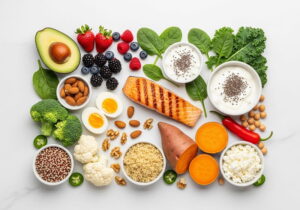
Losing weight doesn’t have to involve restrictive diets or constant hunger. By focusing on nutrient-dense options that promote satiety and support metabolic functions, you can achieve sustainable results. This guide explores a variety of powerhouse ingredients that can transform your meals while helping you reach your goals.
Understanding how certain ingredients interact with your body is key to making informed choices. These selections are chosen for their ability to provide essential vitamins, minerals, and macronutrients without excessive calories. Incorporating them strategically can enhance energy levels and curb cravings effectively.
Start by assessing your current eating habits and identifying areas for improvement. Replace high-calorie snacks with these alternatives to create a calorie deficit naturally. Consistency in meal planning will amplify the benefits over time.
Building a balanced plate begins with prioritizing whole, unprocessed items. Aim to fill half your plate with vegetables, a quarter with proteins, and the remaining with complex carbohydrates. This approach ensures steady blood sugar levels and prolonged fullness.
Understanding the Science Behind Weight Loss Foods
Weight loss occurs when you consume fewer calories than you expend, but the quality of those calories matters immensely. Foods high in protein and fiber slow digestion, helping you feel satisfied longer and reducing the likelihood of overeating. They also support muscle maintenance, which is crucial for a healthy metabolism.
Many of these options contain compounds that influence hormones related to hunger and fat storage. For instance, omega-3 fatty acids can reduce inflammation, which is often linked to weight gain. Antioxidants play a role in combating oxidative stress that might hinder progress.
Incorporate variety to prevent nutritional deficiencies and keep meals exciting. Rotating different choices ensures a broad spectrum of benefits. Track your intake initially to learn portion sizes and combinations that work best for you.
Key Nutrients That Drive Fat Loss
Protein is essential as it requires more energy to digest than carbohydrates or fats, boosting your metabolic rate. Sources like lean meats and legumes help preserve muscle mass during calorie restriction. Aim for 20-30 grams per meal to optimize this effect.
Fiber, particularly soluble fiber, forms a gel-like substance in the gut that slows nutrient absorption. This leads to better blood sugar control and reduced insulin spikes. High-fiber intake is associated with lower body weight over time.
Healthy fats provide satiety and support hormone production. They help absorb fat-soluble vitamins crucial for overall health. Choose sources that offer additional benefits like anti-inflammatory properties.
Step-by-Step Guide to Incorporating Weight Loss Foods
Begin by stocking your kitchen with these essentials to make healthy choices effortless. Clear out tempting processed items that might derail your efforts. Create a shopping list focused on fresh produce, lean proteins, and whole grains.
Plan your meals weekly, ensuring each includes at least two or three of these featured items. Prep components in advance, like chopping vegetables or cooking proteins, to save time during busy days. This preparation reduces reliance on convenience foods.
Experiment with cooking methods to enhance flavors without adding calories. Grilling, steaming, or roasting preserves nutrients and natural tastes. Use herbs and spices liberally to make dishes more appealing.
Monitor your progress by noting how these changes affect your energy and hunger levels. Adjust portions based on your activity level and goals. Stay hydrated, as thirst can sometimes mimic hunger signals.
Building a Sustainable Meal Plan
Start your day with a protein-rich breakfast to set a positive tone. Combine eggs with vegetables for a filling omelet. This kickstarts metabolism and prevents mid-morning crashes.
For lunch, focus on salads with leafy greens as the base. Add lean proteins and a light dressing made from olive oil and vinegar. Include colorful vegetables for added nutrients and visual appeal.
Dinner should be lighter, emphasizing fish or plant-based proteins. Pair with whole grains and steamed veggies. Avoid heavy sauces that can add hidden calories.
Snack wisely between meals to maintain steady energy. Choose nuts or yogurt with fruit. Portion control is key to prevent turning snacks into mini-meals.
Eggs: A Protein Powerhouse for Satiety
Eggs are versatile and packed with high-quality protein that promotes fullness. They contain all essential amino acids needed for muscle repair. Including them in meals can reduce calorie intake throughout the day.
Prepare them boiled for a quick snack or scrambled with veggies for breakfast. Avoid frying to keep calorie count low. Experiment with herbs for flavor variety.
Studies show that starting the day with eggs leads to greater weight reduction compared to grain-based options. Their choline content supports brain health too. Make them a staple in your routine.
Leafy Greens: Low-Calorie Volume Boosters
Leafy greens like spinach and kale are extremely low in calories but high in volume. They fill your stomach without adding many calories. Rich in vitamins K and A, they support overall wellness.
Add them to smoothies, salads, or stir-fries. Wilt them into soups for extra nutrition. Their fiber content aids digestion and regularity.
Consuming more greens is linked to lower body mass index. They provide antioxidants that protect cells. Aim for at least two cups daily.
Creative Ways to Enjoy Greens
- Blend spinach into fruit smoothies for a nutrient boost without altering taste much. This method hides the flavor for picky eaters. It adds fiber seamlessly.
- Saute kale with garlic and lemon for a tangy side dish. The acidity cuts any bitterness. Pair with proteins for a complete meal.
- Make lettuce wraps instead of bread for sandwiches. This reduces carbs while increasing crunch. Fill with turkey and veggies.
- Chop romaine for hearty salads that hold up to dressings. Add toppings like nuts for texture. Dress lightly to keep calories in check.
- Steam Swiss chard and season with herbs. It cooks quickly and retains nutrients. Serve as a base for grilled fish.
- Mix arugula into pasta dishes for peppery notes. It wilts slightly from heat. Balances rich sauces effectively.
- Roast Brussels sprouts leaves for crispy chips. Season with sea salt. A healthy alternative to potato chips.
- Incorporate collards into stews for thickness. They absorb flavors well. Provide Southern-inspired comfort without excess calories.
Fatty Fish: Omega-3 Rich for Inflammation Reduction
Salmon, mackerel, and sardines offer protein and healthy fats. Omega-3s help reduce inflammation that can impede weight loss. They support heart health and brain function.
Grill or bake for optimal preparation. Aim for two servings weekly. Canned versions are convenient for quick meals.
Regular consumption is associated with lower waist circumference. The fats promote satiety. Choose wild-caught when possible.
Cruciferous Vegetables: Metabolism Enhancers
Broccoli, cauliflower, and Brussels sprouts contain compounds that support detoxification. High in fiber, they aid digestion. Low calories allow generous portions.
Roast them with minimal oil for caramelization. Steam to preserve crunch. Add to casseroles for bulk.
These veggies may boost metabolism slightly. Their sulforaphane content has anti-cancer properties. Include variety for best results.
Lean Meats: Muscle-Building Proteins
Chicken breast and turkey provide lean protein without excess fat. They help maintain muscle during weight loss. Versatile for many recipes.
Grill or poach to keep moist. Season with spices instead of sauces. Use in salads or wraps.
Higher protein intake correlates with better body composition. Supports recovery after exercise. Portion to about palm-size.
Beans and Legumes: Fiber-Filled Satisfiers
Chickpeas, lentils, and black beans offer plant-based protein and fiber. They stabilize blood sugar. Inexpensive and shelf-stable.
Use in soups, salads, or dips. Rinse canned varieties to reduce sodium. Cook dried for better texture.
Associated with lower body weight in studies. Promote gut health through prebiotics. Versatile for vegetarian meals.
Nuts and Seeds: Healthy Fat Sources
Almonds, walnuts, and chia seeds provide crunch and nutrition. Healthy fats keep you full. Portion control is important due to calorie density.
Sprinkle on yogurt or salads. Make trail mix with moderation. Toast for enhanced flavor.
Regular intake linked to weight maintenance. Offer vitamin E and magnesium. One handful daily suffices.
Whole Grains: Sustained Energy Providers
Oats, quinoa, and brown rice supply complex carbs and fiber. They provide lasting energy. Better than refined grains for blood sugar control.
Cook oats for breakfast porridge. Use quinoa in salads. Swap white rice for brown.
Help with portion control due to fullness factor. Support digestive health. Choose minimally processed.
Fruits: Natural Sweetness with Benefits
Berries, apples, and citrus fruits satisfy sweet cravings healthily. High water content and fiber. Antioxidants combat free radicals.
Eat whole rather than juiced. Add to smoothies or oatmeal. Choose seasonal for freshness.
Lower calorie density aids weight management. Associated with reduced risk of chronic diseases. Two to three servings daily.
Yogurt: Probiotic Power for Gut Health
Greek yogurt is thick and protein-rich. Probiotics support digestion. Choose plain to avoid added sugars.
Top with fruits and nuts. Use in dressings or smoothies. Strain regular for Greek-style.
Linked to better weight control. Improves gut microbiome. Opt for low-fat varieties.
Avocados: Creamy Healthy Fats
Avocados offer monounsaturated fats and fiber. They add creaminess to meals. Potassium-rich for blood pressure control.
Mash for guacamole or spreads. Slice on toast or salads. Half per serving typically.
Help with satiety despite calories. Support heart health. Ripe ones mash easily.
Chili Peppers: Spice for Metabolic Boost
Capsaicin in peppers may slightly increase calorie burn. Adds flavor without calories. Use fresh or dried.
Incorporate into sauces or stir-fries. Start mild if sensitive. Builds tolerance over time.
Potential thermogenic effect. Enhances meal enjoyment. Versatile in many cuisines.
Spicy Recipe Ideas
Experiment with heat levels to find your preference. Spices can elevate simple dishes. Combine with proteins for balanced meals.
Sweet Potatoes: Nutrient-Dense Carbs
Sweet potatoes provide vitamins A and C with fiber. Lower glycemic index than white potatoes. Satisfying and versatile.
Bake whole or mash. Use in fries or casseroles. Skin adds extra fiber.
Support eye health and immunity. Help with fullness. Orange flesh indicates beta-carotene.
Green Tea: Beverage for Fat Oxidation
Though not a food, green tea complements these choices. Catechins may aid fat burning. Low-calorie hydration option.
Brew fresh daily. Add lemon for flavor. Avoid sweetened versions.
Multiple cups associated with modest weight benefits. Provides antioxidants. Caffeine offers mild boost.
Cottage Cheese: High-Protein, Low-Calorie Dairy Option
Cottage cheese stands out as an excellent choice for weight management due to its impressive protein content combined with relatively low calories. A single cup of low-fat or nonfat varieties typically delivers around 25 grams of protein while keeping calories under 200. This makes it highly effective for building and preserving lean muscle mass, which in turn supports a higher resting metabolic rate even during calorie restriction.
The casein protein in cottage cheese digests slowly, providing a steady release of amino acids that helps curb hunger for hours. This prolonged satiety reduces the chances of unplanned snacking or overeating at the next meal. Many people find it particularly useful as an evening snack to prevent late-night cravings without disrupting sleep or adding excess calories.
Opt for plain, unsweetened versions to avoid added sugars that can undermine benefits. Low-fat or 1-2% fat options strike a good balance between creaminess and calorie control, though full-fat can work in moderation if it helps with overall adherence. Pair it with fresh berries, a sprinkle of cinnamon, or chopped vegetables like cucumber slices for added flavor and nutrients without significantly increasing the calorie load.
Research consistently links higher dairy protein intake, especially from sources like cottage cheese, to improved body composition and greater fat loss when part of a balanced eating pattern. Its calcium content may also play a supportive role in fat metabolism. Incorporate it regularly as a versatile addition to smoothies, salads, or standalone snacks to enhance fullness and nutritional quality throughout the day.
Pro Tips
Combine foods for synergistic effects, like pairing nuts with fruits for balanced snacks. This enhances nutrient absorption and satisfaction. Track combinations that work best for your body.
Focus on mindful eating by savoring each bite. This helps recognize fullness signals sooner. Put down utensils between bites to slow pace.
Incorporate movement daily to amplify food benefits. Even short walks after meals aid digestion. Consistency trumps intensity for sustainability.
Stay consistent with sleep, as poor rest disrupts hunger hormones. Aim for 7-9 hours nightly. Create a relaxing bedtime routine.
Use smaller plates to control portions visually. This tricks the mind into feeling satisfied with less. Choose colorful plates for appeal.
Experiment with herbs to reduce salt intake. Fresh basil or cilantro add freshness. Dried oregano provides earthy notes.
Batch cook on weekends for easy weekdays. Freeze portions for convenience. Label with dates for freshness.
Hydrate before meals to curb appetite. Sometimes thirst mimics hunger. Add cucumber slices for flavor.
Frequently Asked Questions
How quickly can I expect results from these foods?
Results vary based on overall calorie intake and activity. Consistent incorporation may show changes in 4-6 weeks. Focus on sustainable habits rather than rapid loss.
Can I eat these if I have dietary restrictions?
Most are adaptable. For vegan, focus on plant-based options like beans and nuts. Consult professionals for allergies.
Do I need supplements alongside these?
Whole foods provide most needs. Supplements may help if deficient, but prioritize diet first. Get tested if concerned.
How much should I eat daily?
Listen to hunger cues. General guideline: 500-calorie deficit for safe loss. Use apps for tracking initially.
Are organic versions better?
They may have fewer pesticides, but conventional are fine if washed. Budget and availability matter.
Can children eat these for healthy growth?
Yes, in age-appropriate portions. Emphasize variety for balanced nutrition. Make fun presentations.
What if I plateau?
Reassess intake and activity. Vary routines to challenge body. Patience is key.
How to handle social eating?
Choose wisely at events. Eat lightly beforehand. Offer to bring a healthy dish.
Conclusion
Incorporating these nutrient-packed choices into your daily routine can transform your approach to weight management. By emphasizing whole ingredients that promote satiety and metabolic health, you’ll build habits that support long-term success. Remember, consistency and balance are the foundations of lasting change, leading to improved energy and overall well-being.