

Introduction: The Apex Predator of the Indonesian Islands
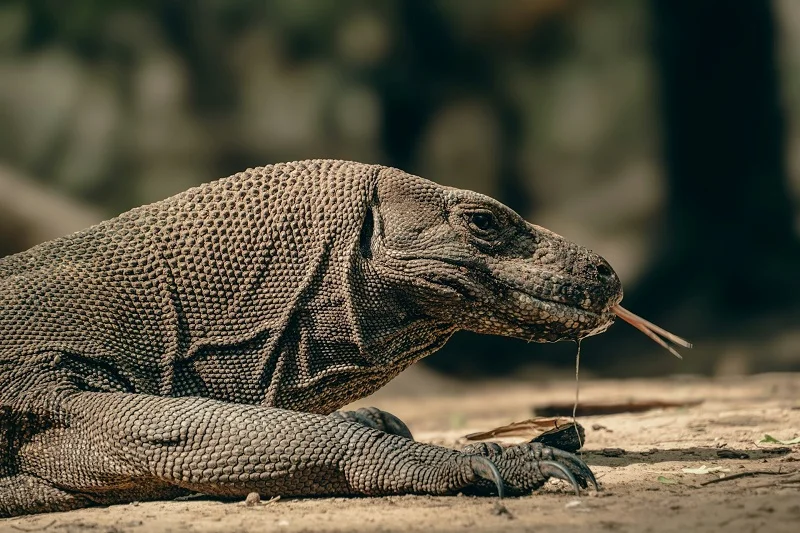
Komodo dragons, the world’s largest living lizards, are apex predators native to the Indonesian islands of Komodo, Rinca, Flores, Gili Dasami, and Gili Motang. Despite their seemingly slow and lumbering appearance, these reptiles are highly efficient hunters, capable of taking down fast-moving prey such as deer, wild boar, and even water buffalo. Their success as predators is not due to endurance or sustained speed, but rather a combination of stealth, ambush tactics, venomous bites, and explosive bursts of speed.
For decades, scientists and wildlife enthusiasts have been fascinated by the Komodo dragon’s ability to hunt animals much larger and faster than themselves. Early theories suggested that bacteria in their saliva caused fatal infections in prey, but recent research has debunked this myth. Instead, studies reveal that Komodo dragons possess specialized venom glands, powerful jaws, and a hunting strategy that relies on patience, precision, and overwhelming force.
In this comprehensive guide, we will explore the science behind how Komodo dragons hunt fast prey like deer. We’ll delve into their ambush tactics, the role of venom in subduing prey, their surprising speed, and the physical adaptations that make them such formidable predators. By the end, you’ll have a deep understanding of why these reptiles are among nature’s most efficient hunters.
The Komodo Dragon: A Profile of the World’s Largest Lizard
Komodo dragons (Varanus komodoensis) are the largest and heaviest lizards on Earth, with adults reaching lengths of up to 10 feet (3 meters) and weighing as much as 200 pounds (90 kilograms). Their massive size, powerful limbs, and muscular tails make them formidable predators, but it’s their hunting behavior that truly sets them apart.
Native to a handful of Indonesian islands, Komodo dragons thrive in a variety of habitats, from tropical forests to savannas. They are solitary creatures, coming together only to breed or feed. As apex predators, they play a crucial role in maintaining the balance of their ecosystems by controlling populations of herbivores like deer and wild boar.
Despite their fearsome reputation, Komodo dragons are not built for long-distance chases. Instead, they rely on ambush tactics, using their keen senses—particularly their sense of smell—to detect prey from miles away. Their forked tongues, which they flick in and out to sample the air, allow them to pinpoint the location of potential meals with remarkable accuracy.
Ambush Tactics: The Art of the Surprise Attack
Komodo dragons are masters of stealth. Unlike predators that rely on speed or endurance, they prefer to lie in wait, using the element of surprise to overpower their prey. This ambush strategy is particularly effective against fast-moving animals like deer, which might otherwise outrun the lizard in an open chase.
Research shows that Komodo dragons often position themselves along game trails or near watering holes, where prey animals are likely to pass. They use natural camouflage—such as bushes, rocks, or uneven terrain—to conceal their massive bodies, remaining motionless for hours until the perfect moment to strike. When prey comes within range, the dragon launches a sudden, explosive attack, using its powerful legs to close the distance in seconds.
One of the most striking examples of this behavior is the dragon’s ability to knock prey off balance with its tail. Komodo dragons have been observed using their muscular tails as weapons, sweeping them sideways to trip up deer or other animals, making it easier to deliver a fatal bite. This combination of patience, precision, and raw power allows them to take down prey much larger than themselves.
The Role of Venom: How a Single Bite Can Be Lethal
For many years, scientists believed that the bacteria in a Komodo dragon’s saliva were responsible for killing its prey. However, recent studies have revealed that these reptiles possess specialized venom glands, which play a far more significant role in their hunting success. The venom contains a potent mix of toxins, including anticoagulants that prevent blood clotting and proteins that induce shock and severe pain.
When a Komodo dragon bites its prey, the venom quickly begins to take effect. The anticoagulants cause rapid blood loss, while other compounds in the venom lower blood pressure and induce a state of shock. This combination is often fatal, with prey succumbing within minutes or hours, depending on the size of the animal and the location of the bite.
Unlike snakes, which inject venom through fangs, Komodo dragons deliver their toxins via deep, lacerating bites. Their serrated teeth—each up to an inch long—tear through flesh, ensuring that the venom enters the bloodstream efficiently. This method is particularly effective against large prey like deer, which may initially escape but are doomed by the venom’s effects.
Studies have shown that Komodo dragons do not always wait for their prey to die from infection or blood loss. Instead, they often kill their prey outright, using a combination of venom, powerful bites, and physical force. Observations of dragons hunting deer, boar, and even water buffalo reveal that they can dispatch prey in less than half an hour, dispelling the myth that they rely solely on a slow, bacterial death.
Speed and Agility: How Fast Can a Komodo Dragon Move?
While Komodo dragons are not built for sustained speed, they are capable of surprising bursts of acceleration. Research indicates that these reptiles can reach speeds of up to 12 to 13 miles per hour (20 kilometers per hour) in short sprints—comparable to the speed of a human jogger. This burst of speed is often enough to close the gap between the dragon and its prey, especially when combined with the element of surprise.
Their powerful hind legs and muscular tails provide the force needed for these quick sprints. Juvenile Komodo dragons, being lighter and more agile, are even faster and can climb trees to escape predators or hunt smaller prey. Adults, however, rely on their strength and ambush tactics, reserving their speed for the final, decisive moment of the hunt.
It’s important to note that Komodo dragons tire quickly and cannot maintain high speeds for long distances. Their hunting strategy is therefore optimized for short, intense bursts of activity, followed by periods of rest. This approach conserves energy while maximizing their chances of a successful kill.
Hunting Large Prey: The Case of Deer and Water Buffalo
Deer, particularly the Timor deer (Rusa timorensis), are a staple in the Komodo dragon’s diet. These deer were introduced to the Indonesian islands by humans and have since become a primary food source for the dragons. Hunting deer requires a combination of stealth, speed, and venom, as these animals are fast and agile.
When a Komodo dragon targets a deer, it typically begins by stalking the animal, using its keen sense of smell to track its movements. Once the deer is within striking distance, the dragon launches its attack, aiming for the legs, throat, or underside. The serrated teeth and powerful jaws allow the dragon to inflict deep wounds, while the venom ensures that the deer will weaken rapidly.
In some cases, the dragon may deliver a single, devastating bite and then follow the injured deer as it flees. The venom and blood loss take their toll, and the dragon uses its acute sense of smell to track the weakening animal. This strategy minimizes the risk of injury to the dragon while ensuring a meal.
Water buffalo, which can weigh over 1,000 pounds, are another impressive example of the Komodo dragon’s hunting prowess. While these massive animals are not native to the dragons’ habitat, they have been introduced and are occasionally targeted. Hunting a water buffalo requires teamwork, as multiple dragons may work together to bring down such a large prey. The dragons use their tails and powerful bites to weaken the buffalo, eventually overwhelming it through sheer persistence and venom.
Physical Adaptations for Hunting Success
Komodo dragons possess several physical adaptations that make them highly effective predators. Their serrated teeth, which are continually replaced throughout their lives, are designed to tear through flesh and bone, allowing them to deliver deep, venomous bites. Their powerful jaws can exert immense force, enabling them to crush bone and swallow large chunks of meat.
Their muscular tails serve multiple purposes. In addition to acting as a weapon during hunts, the tail provides balance and stability, allowing the dragon to make quick turns and sudden movements. Their claws, which are sharp and curved, are used for both hunting and defense, enabling them to grip prey or climb trees when necessary.
Komodo dragons also have excellent vision, particularly for detecting movement. This, combined with their acute sense of smell, allows them to locate prey from great distances. Their ability to detect carrion (dead animals) from miles away ensures that they can scavenge when necessary, further enhancing their survival in the wild.
Debunking Myths: The Truth About Komodo Dragon Hunting
One of the most persistent myths about Komodo dragons is that they rely on bacteria in their saliva to kill their prey. While it’s true that their mouths harbor bacteria, recent research has shown that these microbes are not the primary cause of death in prey animals. Instead, the venom plays a far more significant role, causing rapid blood loss and shock.
Another misconception is that Komodo dragons are slow and sluggish. While they are not built for endurance, their ability to sprint at speeds of up to 12–13 mph (20 km/h) in short bursts allows them to ambush prey effectively. Their hunting strategy is not about chasing prey over long distances but about delivering a swift, overwhelming attack.
Finally, there is the belief that Komodo dragons are not intelligent hunters. On the contrary, their ability to assess the distance and speed of their prey, choose the optimal moment to strike, and use their tails and venom strategically demonstrates a high level of hunting intelligence. They are patient, calculated, and highly adaptable predators.
Pro Tips for Observing Komodo Dragons in the Wild
If you’re planning to observe Komodo dragons in their natural habitat, it’s essential to prioritize safety and respect for these powerful predators. Here are some expert tips:
- Follow a Local Guide: Local guides are familiar with Komodo dragon behavior and can help you stay safe while observing these reptiles. They know the safe areas for observation and can provide valuable insights into the dragons’ hunting and social behaviors.
- Keep a Safe Distance: Always maintain a distance of at least 3–5 meters (10–15 feet) from a Komodo dragon. Sudden movements can trigger an attack, so move slowly and avoid startling the animal.
- Do Not Feed Them: Feeding Komodo dragons can alter their natural behavior and make them more aggressive. It’s important to let them hunt on their own to preserve their natural instincts and ensure your safety.
- Use Binoculars or a Camera: Instead of approaching too closely, use binoculars or a camera with a zoom lens to observe and photograph Komodo dragons. This allows you to capture fascinating moments without disturbing the animals.
- Join a Reputable Tour: Many tours offer safe and educational experiences for observing Komodo dragons. Choose a tour operator with a strong reputation for safety and conservation, such as IndonesiaJuara Trip, to ensure a responsible and enriching experience.
Frequently Asked Questions About Komodo Dragon Hunting
How do Komodo dragons kill their prey?
Komodo dragons use a combination of ambush tactics, powerful bites, and venom to kill their prey. They often target the legs, throat, or underside of their prey, delivering deep, venomous bites that cause rapid blood loss and shock. The venom prevents blood clotting and induces severe pain, leading to the prey’s collapse.
Do Komodo dragons hunt in groups?
While Komodo dragons are generally solitary, they have been observed exhibiting group behavior during hunts, particularly when targeting large prey like water buffalo. Multiple dragons may work together to bring down a single animal, though this is not as coordinated as the hunting strategies of social predators like wolves.
How fast can a Komodo dragon run?
Komodo dragons can reach speeds of up to 12–13 mph (20 km/h) in short bursts. This speed, combined with their ambush tactics, allows them to surprise and overpower fast-moving prey like deer.
What do Komodo dragons eat?
Komodo dragons are carnivorous and primarily eat large mammals such as deer, wild boar, and water buffalo. They also scavenge carrion and occasionally hunt smaller animals like birds, rodents, and other reptiles. Juvenile dragons feed on insects, small lizards, and birds.
Are Komodo dragons dangerous to humans?
While Komodo dragons generally avoid humans, they are capable of attacking if they feel threatened or cornered. Their powerful bites and venom make them dangerous, and there have been documented cases of dragons attacking humans, sometimes with fatal results. It’s crucial to maintain a safe distance and follow local guidelines when observing these reptiles in the wild.
Conclusion: The Ultimate Ambush Predator
Komodo dragons are among the most fascinating and formidable predators in the animal kingdom. Their ability to hunt fast, agile prey like deer is a testament to their evolutionary adaptations, including ambush tactics, venomous bites, and surprising bursts of speed. By combining stealth, patience, and raw power, these reptiles have secured their place as apex predators in their island ecosystems.
Understanding how Komodo dragons hunt not only sheds light on their behavior but also highlights the importance of conservation efforts. As human activity continues to encroach on their habitats, protecting these remarkable creatures becomes increasingly vital. Whether you’re a wildlife enthusiast, a researcher, or simply curious about nature’s most efficient hunters, the Komodo dragon’s hunting strategies offer a captivating glimpse into the world of apex predators.
