

The release of the Apple iPhone 6 marked one of the most significant shifts in the history of the smartphone industry. Launched in September 2014, this device represented a departure from the compact design philosophy championed by Steve Jobs, moving toward the larger display format that consumers were increasingly demanding. It was the first time Apple offered a flagship device with a 4.7-inch screen, alongside its larger sibling, the iPhone 6 Plus. This strategic move allowed Apple to regain market share from competitors who had already embraced the “phablet” trend. Even years after its initial debut, the iPhone 6 remains a landmark device that redefined the aesthetic and functional standards of the modern mobile experience.
The iPhone 6 featured a revolutionary “unibody” construction made of 6000-series anodized aluminum. This design moved away from the sharp, industrial edges of the iPhone 5s, favoring a curved, ergonomic profile that felt seamless in the hand. The glass front curved slightly at the edges to meet the metal frame, a design language that Apple continued to refine for several generations. While the device was lauded for its thinness—measuring just 6.9mm—it also faced initial scrutiny regarding its structural integrity, a phenomenon commonly referred to in tech circles as “Bendgate.” Despite this, the iPhone 6 became one of the best-selling smartphones of all time, moving over 220 million units globally during its lifecycle.
Under the hood, the iPhone 6 was powered by the A8 chip, built on a 20-nanometer process. This dual-core processor was designed to be 25% faster than its predecessor while being 50% more energy-efficient. It also introduced the M8 motion coprocessor, which could continuously measure data from the accelerometer, compass, gyroscope, and a then-new barometer. This suite of sensors allowed the device to track elevation changes, such as climbing stairs, making it a powerful tool for health and fitness tracking. The integration of hardware and software allowed the iPhone 6 to deliver a smooth user experience that felt significantly more advanced than the hardware specifications might suggest on paper.
The display of the iPhone 6, marketed as the “Retina HD Display,” offered a resolution of 1334 by 750 pixels. With a pixel density of 326 pixels per inch (ppi), it maintained the crispness users expected from Apple while providing a much larger canvas for media consumption and productivity. The IPS LCD technology ensured wide viewing angles and accurate color reproduction, which was critical for professional users and photography enthusiasts. The increased screen real estate changed how users interacted with iOS, leading to the introduction of “Reachability”—a feature that allowed users to double-tap the Home button to bring the top of the screen within reach of their thumb.
In terms of connectivity, the iPhone 6 was a major leap forward. It supported up to 20 LTE bands, which was more than any other smartphone at the time, allowing for better global roaming and faster data speeds. It also introduced 802.11ac Wi-Fi, which was up to three times faster than the Wi-Fi on the iPhone 5s. Perhaps most importantly, the iPhone 6 was the first Apple device to include Near Field Communication (NFC) capabilities, specifically for the launch of Apple Pay. This secured mobile payment system allowed users to make purchases at retail stores using the Touch ID fingerprint sensor, forever changing the landscape of digital finance and mobile commerce.
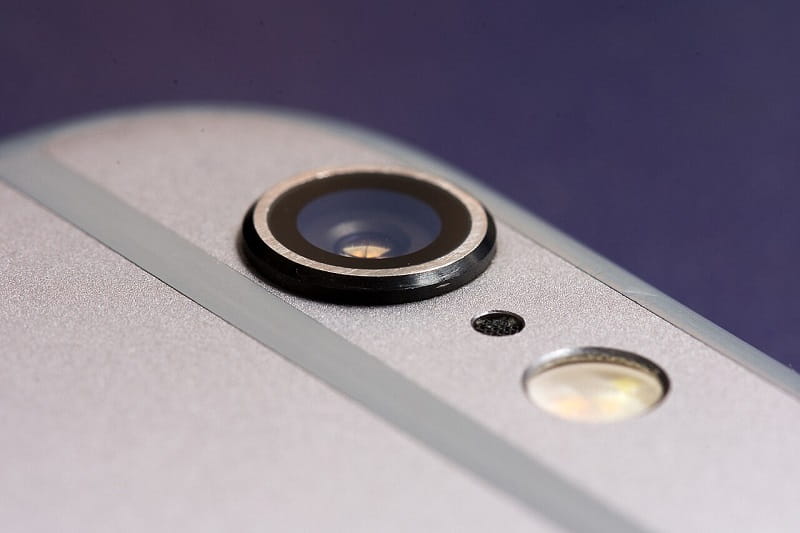
The camera system on the iPhone 6, though maintaining an 8-megapixel resolution, featured significant internal improvements. The “iSight” camera introduced “Focus Pixels,” a technology previously found only in DSLR cameras. This allowed for faster phase-detection autofocus, significantly reducing the time needed to lock onto a subject. Video capabilities were also enhanced, allowing for 1080p recording at 60 frames per second and slow-motion video at 240 frames per second. These features made the iPhone 6 a favorite for casual videographers and social media creators, proving that sensor quality and image processing were more important than raw megapixel counts.
Comprehensive Technical Specifications of the iPhone 6
To understand the enduring impact of the iPhone 6, one must look closely at the specific hardware components that made it a powerhouse in 2014. The device was available in three storage configurations: 16GB, 64GB, and 128GB. This was the first time Apple offered a 128GB tier, catering to users who stored massive amounts of high-resolution photos and videos. However, the decision to keep the base model at 16GB was a point of contention for many, as the growing size of apps and the operating system often left users with limited functional space.
- Processor and Performance: The A8 chip utilized 64-bit desktop-class architecture, housing roughly 2 billion transistors. This resulted in sustained performance for gaming and multitasking without excessive heat generation or battery drain.
- Battery Life: The device was equipped with an 1810 mAh lithium-ion battery. Apple optimized the software to provide up to 14 hours of talk time on 3G and up to 10 hours of internet use on LTE or Wi-Fi, which was a notable improvement over previous generations.
- Security Features: Touch ID was integrated into the sapphire crystal Home button. This biometric sensor utilized a sub-epidermal imaging system to read fingerprints at a high resolution, providing secure unlocking and payment verification.
- Audio and Sound: The iPhone 6 featured a bottom-firing mono speaker and a 3.5mm headphone jack. This was one of the last flagship iPhone models to include the traditional headphone port before Apple transitioned to Lightning-only audio and wireless AirPods.
- Sensors: Beyond the standard accelerometer and gyroscope, the inclusion of a barometer allowed the device to calculate relative elevation based on air pressure. This enabled the “Flights Climbed” metric in the Health app.
- Display Technology: The screen used “dual-domain pixels” to provide better color accuracy at wider viewing angles and featured an improved polarizer to make the screen easier to read while wearing sunglasses.
Software support for the iPhone 6 was impressively long-lived. Originally shipping with iOS 8, the device received updates all the way through iOS 12. These updates brought features like Group FaceTime, Screen Time, and significant performance improvements for older devices. Although it does not support the latest versions of iOS, the iPhone 6 is still used by many as a secondary device or an entry-level smartphone for children and seniors. Its ability to run essential apps like WhatsApp, Facebook, and basic web browsers years after its release is a testament to the quality of Apple’s hardware and software integration.
The environmental impact of the iPhone 6 also reflected Apple’s growing commitment to sustainability. The device was designed with highly recyclable materials, including an arsenic-free display glass and a mercury-free LED-backlit display. It was also BFR-free and PVC-free. Apple’s trade-in programs often saw the iPhone 6 as one of the most frequently recycled devices, where its aluminum and rare earth elements were reclaimed to manufacture newer models. This lifecycle management helped set a standard for the electronics industry regarding the responsible disposal of consumer hardware.
The legacy of the iPhone 6 is most visible in the design of its successors. The rounded edges and slim profile influenced the iPhone 6s, 7, 8, and even the modern iPhone SE (2nd and 3rd generations). It was the device that proved Apple could successfully transition to larger screens without losing the “premium” feel that defined the brand. By expanding the display size, Apple not only satisfied its current user base but also attracted millions of Android users who had previously avoided the iPhone due to its smaller 4-inch screen. The iPhone 6 was the catalyst for Apple’s record-breaking financial quarters in the mid-2010s.
Current Market Status and Ownership Value
As of the current date, the iPhone 6 is no longer sold by Apple or major carriers. However, it maintains a presence in the secondary market. You can often find refurbished or “used” units through third-party retailers and online marketplaces. While it is no longer a primary choice for power users, it serves as a budget-friendly option for specific use cases. It is important to note that because the device no longer receives security updates, users should exercise caution when using it for sensitive tasks like mobile banking.
- Market Price (Used/Refurbished): Depending on the condition and storage capacity, the iPhone 6 typically retails between $50 and $90 USD on platforms like eBay or Back Market. Units with original packaging and minimal wear may command a slight premium.
- Availability: While scarce in traditional retail stores, “New Old Stock” (NOS) can occasionally be found in international markets, though these are rare. Most available units are pre-owned.
- Carrier Compatibility: Most iPhone 6 models are unlocked or compatible with GSM and CDMA networks, making them versatile for international travel with local SIM cards.
- Parts and Repair: One of the benefits of the iPhone 6 today is the widespread availability of inexpensive replacement parts. Screens, batteries, and charging ports can be repaired at most independent shops for a fraction of the cost of newer models.
- Software Limitations: Since it is capped at iOS 12, certain modern apps that require iOS 13 or higher will not download. However, older versions of these apps can often be downloaded if they were previously in the user’s “Purchased” history.
Pros and Cons of the iPhone 6
When evaluating the iPhone 6 from a modern perspective, it is essential to weigh its historical strengths against the limitations of aging hardware. While it was a flagship in its day, the technological landscape has shifted significantly. Below is a breakdown of the advantages and disadvantages of owning or using an iPhone 6 in the current era.
- Pros: Slim and lightweight design that remains highly portable; inclusion of a 3.5mm headphone jack for wired audio enthusiasts; excellent build quality with premium materials; still capable of basic communication and media playback; very affordable on the secondary market.
- Cons: Lacks support for modern iOS versions (capped at iOS 12.5.7); 1GB of RAM leads to frequent app refreshes and slower multitasking; aging battery technology requires frequent charging; camera lacks modern features like Night Mode or 4K video; no official water or dust resistance rating.
Pro Tips for iPhone 6 Users
If you are still using an iPhone 6 or have recently acquired one, there are several ways to maximize its performance and longevity. Because the hardware is older, software optimization becomes critical. First, ensure you are running the latest possible software version, which is iOS 12.5.7. This version includes important security patches that protect the device from known vulnerabilities. Additionally, managing background app refresh can significantly save battery life; go to Settings > General > Background App Refresh and turn it off for apps that don’t need real-time updates.
Another tip involves storage management. Since many iPhone 6 units were sold with 16GB of storage, space is at a premium. Utilize “Offload Unused Apps” in the iTunes & App Store settings. This feature removes the app itself but keeps all documents and data, allowing you to quickly re-download the app when needed. Furthermore, using cloud services like Google Photos or iCloud for image storage can free up internal memory. For those experiencing slow performance, a “Reset All Settings” (not a full wipe) can often clear out system lag without deleting your personal data.
Lastly, consider the physical health of the device. Given the age of the iPhone 6, the internal lithium-ion battery is likely past its peak performance. If your phone feels sluggish or shuts down unexpectedly, it may be “throttling” the CPU to prevent power failures. Replacing the battery is a relatively inexpensive procedure that can restore the device to its original speed. Using a protective case is also highly recommended, as the aluminum body is prone to scuffs and the slim profile can be slippery in the hand.
Frequently Asked Questions
Can the iPhone 6 run iOS 16 or iOS 17?
No, the iPhone 6 is hardware-limited and cannot run versions beyond iOS 12. The A8 chip and 1GB of RAM are insufficient for the processing requirements of modern Apple operating systems.
Does the iPhone 6 support 5G networks?
No, the iPhone 6 supports 4G LTE, 3G, and 2G networks. It does not have the necessary modem hardware to connect to 5G cellular towers.
Is the iPhone 6 still safe to use for banking?
While iOS 12.5.7 includes some security updates, it is generally not recommended to use the iPhone 6 for high-security tasks like mobile banking, as it is no longer receiving the latest security patches against modern threats.
Can I use Apple Pay on the iPhone 6?
Yes, the iPhone 6 was the first iPhone to feature NFC for Apple Pay. You can use it to make contactless payments at supported terminals using Touch ID.
What is the difference between the iPhone 6 and the iPhone 6s?
The iPhone 6s looks nearly identical but features a stronger 7000-series aluminum body, a faster A9 chip, 2GB of RAM, a 12MP camera, and the 3D Touch pressure-sensitive display technology.
Will the iPhone 6 work with AirPods?
Yes, AirPods connect via Bluetooth and are compatible with the iPhone 6. However, some advanced features like automatic switching or “Hey Siri” may not function as they do on newer models.
Conclusion
The Apple iPhone 6 stands as a pivotal chapter in the evolution of the smartphone. By successfully merging a larger, high-quality display with a sleek, iconic design, Apple set a new benchmark for what a mobile device could be. It introduced essential technologies that we now take for granted, such as mobile payments through NFC and advanced biometric security with Touch ID. While the passage of time has relegated the iPhone 6 to the status of a legacy device, its impact on design, global sales records, and the broader tech industry remains undeniable. For many, it was the first “big” iPhone that proved Apple was willing to adapt to a changing world, ensuring its place in the history books of consumer electronics.
