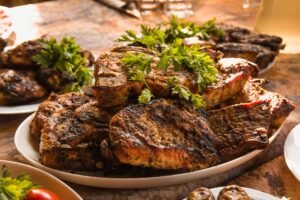
Halal meat represents a fundamental aspect of Islamic dietary laws, ensuring that food consumption aligns with religious and ethical standards. This guide provides a comprehensive exploration of halal meat, drawing from established Islamic guidelines and contemporary practices. It examines the core requirements for preparation, the emphasis on animal welfare, and the broader implications for global food systems.
The concept of halal extends beyond mere permissibility to encompass wholesomeness and purity in food production. Derived from Islamic teachings, halal meat must adhere to specific protocols that prioritize humane treatment and hygiene. These standards have gained recognition worldwide, influencing both Muslim and non-Muslim consumers seeking ethical alternatives.
In recent years, the demand for halal meat has expanded significantly, driven by increasing awareness of sustainable and compassionate farming methods. This growth reflects a convergence of religious observance and modern health considerations. Understanding these elements is crucial for producers, retailers, and consumers engaged in the food industry.
As global trade evolves, halal certification plays a pivotal role in maintaining trust and compliance across supply chains. This ensures that products meet rigorous criteria from farm to table. The following sections delve into the foundational principles that define halal meat.
Core Principles of Halal Meat
The principles governing halal meat are rooted in Islamic jurisprudence, emphasizing permissibility, cleanliness, and ethical conduct. These guidelines, outlined in religious texts, dictate that only certain animals are allowable for consumption. Permissible species include cattle, sheep, goats, camels, deer, and poultry, provided they are raised and slaughtered appropriately.
A key principle is the requirement for the animal to be healthy and free from disease at the time of slaughter. This ensures the meat’s purity and safety for human consumption. Additionally, the process must avoid any form of cruelty, aligning with broader Islamic values of compassion towards living beings.
Halal principles also prohibit the consumption of blood, pork, and any substances derived from prohibited animals. This extends to avoiding cross-contamination during processing and storage. Such measures maintain the integrity of the product throughout its lifecycle.
Animal Welfare Standards
Animal welfare forms a cornerstone of halal practices, mandating that animals receive proper care throughout their lives. This includes access to natural feed, clean water, and sufficient space to move freely. Stress-free environments contribute to better meat quality and align with ethical imperatives.
Islamic teachings stress kindness in handling animals, prohibiting any form of mistreatment. Farmers adhering to these standards often implement rotational grazing and veterinary monitoring. These practices not only fulfill religious obligations but also enhance sustainability in agriculture.
Regular health checks and humane transportation further underscore the commitment to welfare. Animals must arrive at processing facilities in good condition, without injury or exhaustion. This holistic approach ensures that halal meat production respects both divine commandments and modern animal rights considerations.
Slaughter Practices in Halal Meat Production
The slaughter method, known as dhabiha, is a precise procedure designed to minimize animal suffering while ensuring complete blood drainage. Performed by a trained Muslim individual, it involves a swift incision to the throat using a sharp blade. This cut severs the jugular vein, carotid artery, and windpipe in one motion.
Before the incision, the slaughterer recites “Bismillah Allahu Akbar,” invoking divine blessing. This ritual underscores the spiritual dimension of the act. The animal must be oriented towards Mecca, reflecting reverence in the process.
Post-slaughter, the carcass is allowed to drain fully, removing blood that could harbor pathogens. This step enhances food safety and preserves the meat’s freshness. Processing facilities maintain strict hygiene to prevent contamination.
Debates on Stunning Methods
Stunning prior to slaughter remains a topic of discussion within halal communities. Some authorities permit reversible stunning techniques, such as electrical methods, if they do not cause death. This approach aims to reduce pain while complying with religious requirements.
However, traditional practices often eschew stunning to ensure the animal remains alive during the incision. Advocates argue that proper technique renders the process instantaneous and humane. Regulatory bodies in various countries balance these views with animal welfare laws.
Research indicates that when executed correctly, non-stunned halal slaughter can be as humane as stunned methods. Ongoing studies compare physiological responses to inform best practices. Producers must navigate these debates to meet diverse consumer expectations.
Health Benefits Associated with Halal Meat
Halal meat offers several health advantages due to its preparation methods and emphasis on quality. The complete drainage of blood reduces the risk of bacterial growth, potentially lowering foodborne illness incidents. This process also results in meat with a cleaner taste and texture.
Animals raised under halal guidelines often receive natural diets without harmful additives, leading to higher nutritional value. Such meat contains essential proteins, vitamins, and minerals beneficial for human health. Consumers report improved digestibility compared to conventionally processed alternatives.
Furthermore, the prohibition of antibiotics and growth hormones in some halal systems promotes antibiotic resistance prevention. This aligns with global health initiatives. Regular consumption may support balanced diets, particularly in protein-rich meal plans.
Nutritional Comparison
When compared to non-halal meat, halal varieties often exhibit lower fat content due to specific breeding practices. This can aid in weight management and cardiovascular health. Essential fatty acids remain preserved through careful handling.
Vitamin profiles, including B vitamins crucial for energy metabolism, appear consistent or enhanced in halal meat. Iron levels may be optimized without excess blood retention. These factors contribute to overall dietary wellness.
Studies suggest that the ethical rearing methods reduce stress hormones in the meat, potentially benefiting consumer hormone balance. While more research is needed, preliminary findings support halal meat’s role in healthful eating.
Certification Processes for Halal Meat
Halal certification involves rigorous audits by accredited organizations to verify compliance with standards. Inspectors evaluate farms, processing plants, and distribution channels. This ensures traceability from source to consumer.
Certification bodies, such as those affiliated with government agencies or international councils, issue seals upon successful review. These marks provide assurance to buyers. Annual renewals maintain ongoing adherence.
Documentation plays a critical role, requiring detailed records of animal origins, feed, and slaughter procedures. Digital tracking systems increasingly facilitate this process. Transparent supply chains build consumer confidence.
Global Standards and Variations
While core principles remain universal, certification standards vary by region. Some countries mandate government oversight, while others rely on private entities. Harmonization efforts aim to standardize practices internationally.
Import-export regulations often require mutual recognition of certifications. This facilitates global trade. Producers must stay informed of evolving requirements to access diverse markets.
Consumer education on certification symbols helps prevent fraud. Reputable organizations publish verified lists online. This empowers informed purchasing decisions.
Cultural and Economic Importance of Halal Meat
Halal meat holds profound cultural significance, symbolizing adherence to faith and community bonds. It features prominently in religious festivals and family gatherings. Shared meals reinforce social ties and traditions.
Economically, the halal sector drives job creation in agriculture, processing, and retail. Muslim-majority nations benefit from export opportunities. The industry contributes to GDP growth in emerging markets.
Non-Muslim consumers increasingly seek halal products for perceived quality and ethics. This expands market reach. Sustainable practices within the sector support environmental goals.
Impact on Global Trade
International trade in halal meat has surged, with major exporters including Brazil, Australia, and India. Compliance with importing countries’ standards is essential. Trade agreements often incorporate halal provisions.
Supply chain innovations, such as blockchain for traceability, enhance efficiency. These technologies reduce risks and costs. Market diversification strengthens economic resilience.
Growth projections indicate continued expansion, influenced by population demographics. Strategic investments in infrastructure support this trajectory. Collaboration between stakeholders fosters innovation.
Common Misconceptions About Halal Meat
- One misconception is that halal meat involves unnecessary cruelty; however, the swift slaughter method is designed to minimize pain, with emphasis on animal welfare throughout life. Proper execution ensures rapid loss of consciousness. This aligns with humane standards recognized globally.
- Another belief suggests halal meat tastes different due to religious rituals; in reality, any flavor variations stem from feeding practices and blood drainage, which can result in a milder profile. Quality depends more on sourcing than the ritual itself. Consumers often appreciate the freshness.
- Some assume halal certification is merely a marketing ploy; yet, it involves stringent audits and compliance checks by independent bodies. This process guarantees authenticity and builds trust. It protects against fraudulent claims in the marketplace.
- There is a notion that halal meat is only for Muslims; nevertheless, its ethical and hygienic attributes appeal to diverse groups seeking sustainable options. Health-conscious individuals value the natural raising methods. This broadens its acceptance beyond religious boundaries.
- A common error is equating halal with kosher; while both emphasize humane slaughter and prohibitions, differences exist in specifics like animal positioning and blessings. Understanding these distinctions aids in respectful discourse. Both contribute to ethical food systems.
- People sometimes think halal meat production ignores environmental concerns; on the contrary, many operations incorporate sustainable farming to meet tayyib principles. This includes waste reduction and resource conservation. Such practices support long-term ecological balance.
- Finally, the idea that halal meat is more expensive persists; although certification adds costs, economies of scale in growing markets often keep prices competitive. Quality assurance justifies any premium. Accessible options exist for various budgets.
Pro Tips
When selecting halal meat, verify certification from reputable authorities to ensure authenticity. Inspect packaging for clear labels indicating compliance. This practice safeguards against unintentional consumption of non-halal products.
Store halal meat separately from other items to prevent cross-contamination. Use airtight containers in refrigeration. Proper storage maintains quality and adheres to purity standards.
Incorporate diverse cooking methods to enhance flavors while preserving nutritional benefits. Grilling or steaming retains moisture effectively. Experiment with spices permitted under halal guidelines for variety.
Engage with local suppliers for fresher options and support community economies. Build relationships for consistent quality. This approach fosters transparency in sourcing.
Educate family members on halal principles to promote mindful consumption. Discuss significance during meals. This reinforces cultural values and informed choices.
Frequently Asked Questions
What distinguishes halal meat from conventional meat? Halal meat follows specific Islamic preparation rules, including humane slaughter and blood drainage. Conventional meat may not adhere to these ethical and ritual standards. Both can be nutritious, but halal emphasizes wholesomeness.
Is stunning allowed in halal slaughter? Some halal certifications permit reversible stunning if it does not kill the animal. Traditional methods often avoid it to ensure compliance. Consult local authorities for specific guidelines.
Can non-Muslims consume halal meat? Yes, halal meat is suitable for anyone seeking ethical and hygienic options. Its preparation methods appeal broadly. No religious restrictions apply to non-Muslims.
How to identify authentic halal products? Look for certification seals from recognized organizations. Check ingredient lists for prohibited substances. Reputable retailers provide transparency.
What are common prohibited ingredients in halal diets? Pork, alcohol, blood, and carnivorous animal derivatives are forbidden. Gelatin from non-halal sources must be avoided. Always review labels carefully.
Does halal meat have health advantages? The drainage process may reduce bacterial risks, and natural raising methods enhance nutrition. It supports balanced diets. Individual health benefits vary.
Are there vegetarian halal options? Yes, plant-based foods are inherently halal if free from prohibited additives. Certification ensures compliance. This accommodates diverse dietary needs.
Conclusion
Halal meat embodies a harmonious blend of religious observance, ethical treatment, and nutritional quality. Its principles guide sustainable production while fostering cultural unity. As global awareness grows, halal practices continue to influence food industries, promoting inclusivity and responsibility. Embracing these standards benefits individuals and societies alike, ensuring food systems that respect both faith and humanity.