

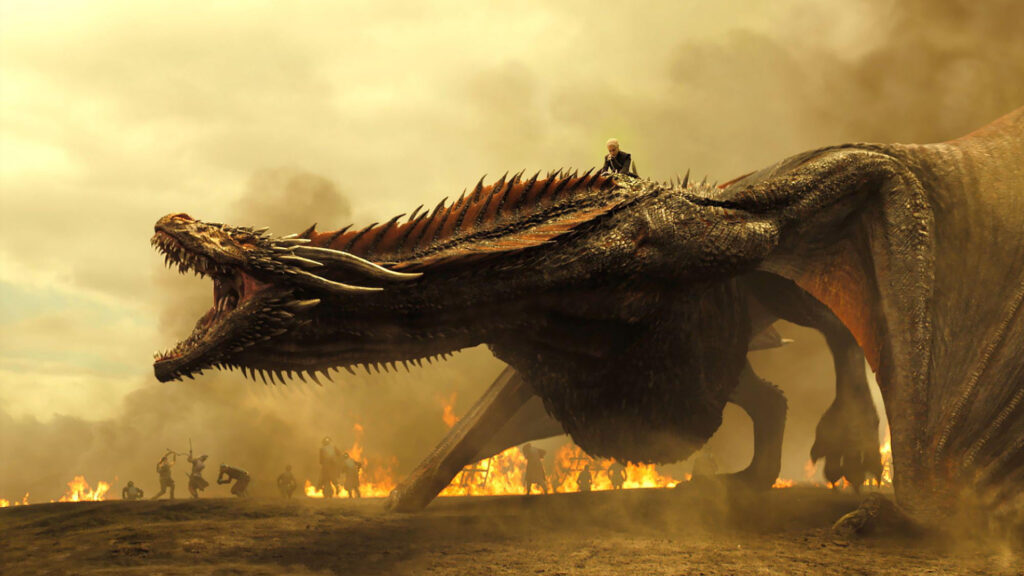
Game of Thrones is a television series that aired on HBO from 2011 to 2019. It was based on the A Song of Ice and Fire book series by George R. R. Martin. The series was created by David Benioff and D. B. Weiss, and it became a cultural phenomenon and one of the most popular television shows of all time.
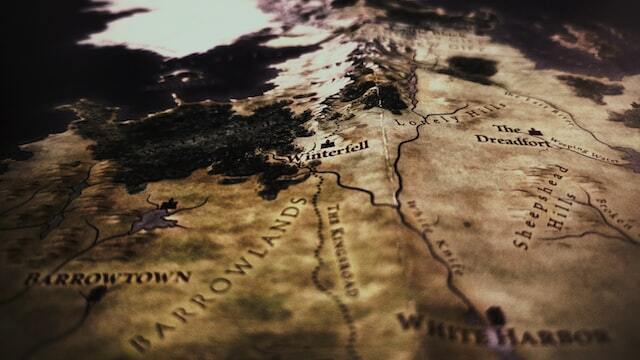
The series takes place in a fictional world called Westeros, which is divided into several kingdoms ruled by different families. The story begins when the current ruler of Westeros, King Robert Baratheon, asks his old friend and war hero, Lord Eddard Stark, to become his Hand (chief advisor). Eddard reluctantly agrees and travels to King’s Landing, the capital of Westeros, with his daughters Sansa and Arya. But, as soon as he arrives, he discovers a web of political intrigue, murder, and corruption.
The show’s complex plot includes dozens of characters, each with their own agendas and loyalties. One of the most memorable and controversial aspects of the series is its treatment of characters. Many fan-favorite characters are killed off unexpectedly, and the show is known for its graphic violence and explicit sexual content. The show has been both praised for its storytelling and criticized for its use of these themes.
One of the most popular and intriguing storylines of Game of Thrones is the struggle for the Iron Throne, the seat of power in Westeros. Throughout the series, several factions fight for control of the Iron Throne, including the Baratheons, the Lannisters, the Starks, and the Targaryens. The conflict becomes more complicated when supernatural elements, such as the White Walkers and the dragons of the Targaryens, are introduced into the story.
Game of Thrones was notable for its impressive production values, including its epic battle scenes, stunning set design, and intricate costumes. The series also had a large ensemble cast of talented actors, including Peter Dinklage, Emilia Clarke, Kit Harington, Lena Headey, and Sophie Turner.
Despite its massive popularity, the series was also criticized for its final season, which was considered by many to be rushed and poorly written. The controversy surrounding the final season prompted fans to call for a remake, and it also highlighted the challenges of bringing a beloved book series to television.
Game of Thrones was a groundbreaking television series that pushed the boundaries of storytelling and production values. Its complex plot and memorable characters captured the hearts of millions of fans around the world and solidified its place in popular culture.
In addition to its intricate plot and complex characters, Game of Thrones was also known for its stunning visuals and musical score.
The series was filmed in various locations around the world, including Northern Ireland, Croatia, Iceland, Spain, and Canada. The breathtaking landscapes, ancient castles, and intricate cityscapes helped bring the fictional world of Westeros to life.
The show also had a unique and memorable musical score composed by Ramin Djawadi. The theme song, which features a haunting melody played on a cello, has become one of the most recognizable and beloved pieces of television music in recent years. The score also includes memorable pieces such as “The Rains of Castamere,” which plays during one of the most shocking and violent scenes of the series, and “Light of the Seven,” which accompanies the explosive opening scene of the final season.
Game of Thrones also had a significant impact on popular culture. The show inspired countless fan theories, fan art, and fan fiction, and it helped to popularize the fantasy genre on television. The series was also noted for its political commentary and social relevance, with themes such as power, gender, and identity explored throughout the story.
The series has won numerous awards, including 59 Primetime Emmy Awards, which is the most of any scripted television series. It also holds the record for the highest number of simultaneous viewers for a single episode of a television series, with over 17 million viewers tuning in to the final season premiere.
While the series has ended, the legacy of Game of Thrones continues. A prequel series, House of the Dragon, is currently in development, and fans continue to debate and discuss the series and its characters. Game of Thrones will likely remain a cultural touchstone for years to come, and its impact on the television industry and popular culture cannot be overstated.
